
Cold Plunges vs. Saunas: The Science of Temperature Therapy for Muscle Recovery
As cold water immersion and infrared saunas dominate the fitness landscape, sports scientists are clarifying exactly how temperature manipulation affects muscle repair. While cold reduces acute inflammation, heat promotes nutrient delivery—and timing is everything.
By Factlen Editorial Team
- Sports Scientists
- Focused on the precise physiological mechanisms and biomarker responses to temperature.
- Strength & Conditioning Coaches
- Prioritize long-term muscular adaptation and warn against the 'hypertrophy trap'.
- Rehabilitation Specialists
- Emphasize the holistic benefits of contrast therapy, including mental resilience and stress reduction.
- Synthesis Analysts
- Value immediate pain relief and the ability to perform repeatedly on short rest.
What's not represented
- · Cardiologists evaluating the long-term heart health impacts of extreme temperature contrast
Why this matters
Understanding the distinct physiological effects of heat and cold ensures that you aren't accidentally sabotaging your fitness goals. Using the wrong temperature therapy at the wrong time can blunt muscle growth, while the right protocol can significantly accelerate your recovery.
Key points
- Cold water immersion reduces inflammation and delayed onset muscle soreness via intense vasoconstriction.
- Submerging in 11–15°C water for 10–15 minutes is the optimal protocol for treating muscle soreness.
- Using cold plunges immediately after resistance training can blunt long-term muscle hypertrophy.
- Heat therapy promotes vasodilation, increasing blood flow and nutrient delivery for deep tissue repair.
- Contrast water therapy alternates hot and cold to create a 'vascular pump' that flushes metabolic waste.
The modern recovery room looks vastly different than it did a decade ago, having evolved from a simple space for passive rest into a highly specialized environment driven by physiological science. Where athletes once relied almost exclusively on light stretching, foam rolling, and perhaps a bag of ice, today’s fitness centers and dedicated recovery studios resemble high-tech bathhouses. Rows of stainless steel cold plunge tubs sit adjacent to glowing cedar infrared saunas, offering everyday fitness enthusiasts the exact same recovery modalities once reserved exclusively for elite professional athletes. This democratization of recovery technology has fundamentally changed how people approach their post-workout routines, shifting the focus from merely resting to actively manipulating the body's internal environment.[5]
At the absolute center of this modern recovery shift is the precise manipulation of tissue temperature. Cold water immersion and heat therapy have rapidly transitioned from niche athletic training protocols to mainstream wellness necessities, driven by a growing public interest in longevity, biohacking, and maximizing physical performance. However, as the popularity of polar plunges and infrared saunas skyrockets across social media and commercial gyms, sports scientists are working diligently to clarify the specific physiological mechanisms at play. The scientific consensus is abundantly clear: temperature therapies are highly effective tools, but they trigger vastly different biological cascades within the human body.[5]
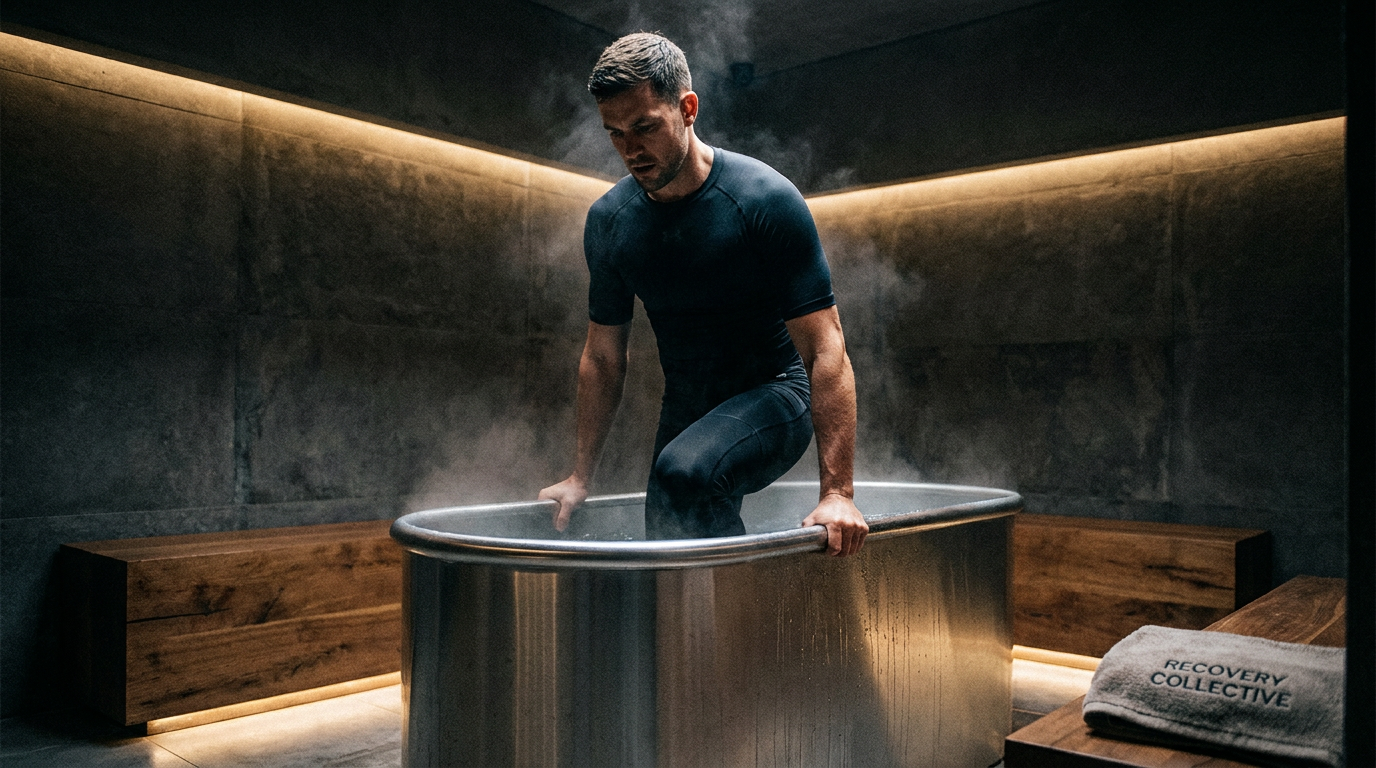
Cold water immersion, typically defined in clinical literature as submerging the body in water at temperatures below 15 degrees Celsius (59 degrees Fahrenheit), is primarily utilized as a blunt-force tool to combat delayed onset muscle soreness. When an athlete steps into a cold plunge, the body experiences an immediate and profound shock. The primary physiological mechanism activated is rapid vasoconstriction. As the freezing water pulls heat away from the skin, the autonomic nervous system aggressively narrows the peripheral blood vessels, driving blood away from the extremities and deep into the body's core in a desperate bid to preserve vital organ temperature and maintain homeostasis.[1][3]
This sudden, aggressive constriction of the vascular system acts remarkably like a physiological sponge. The intense pressure physically squeezes metabolic waste products—most notably lactic acid and other inflammatory markers—out of fatigued, micro-torn muscle tissues. Simultaneously, the extreme cold significantly slows nerve conduction velocity, effectively numbing the peripheral nerve endings and providing immediate, powerful analgesic relief from the acute pain of a grueling workout. It is this combination of waste removal and nerve numbing that makes cold water immersion feel so instantly restorative to exhausted athletes.[3][6]

Recent academic literature has provided much-needed clarity on the exact dosage required to maximize these cold-induced benefits. A comprehensive network meta-analysis published in the journal Frontiers in Physiology evaluated dozens of varying cold water immersion protocols to determine the optimal intersection of temperature and time. The researchers concluded that submerging the body in water chilled to between 11 and 15 degrees Celsius for a duration of 10 to 15 minutes is the most statistically effective protocol for reducing perceived muscle soreness in the days following intense physical exertion.[2]
The same meta-analysis revealed that pushing the temperature even lower can yield specific biochemical advantages. Plunges utilizing water between 5 and 10 degrees Celsius were shown to be highly effective at lowering circulating blood levels of creatine kinase. Creatine kinase is a primary enzymatic biomarker of exercise-induced muscle damage; when muscle fibers are torn during heavy lifting or sprinting, this enzyme leaks into the bloodstream. By rapidly cooling the tissue and sealing the cellular walls, extreme cold exposure significantly blunts this enzymatic leakage, indicating a profound reduction in acute muscular trauma.[2]
Despite these impressive anti-inflammatory benefits, sports medicine experts are increasingly warning fitness enthusiasts about a significant physiological caveat known as the hypertrophy trap. While cold water immersion is undeniably excellent at reducing inflammation, that very same inflammation is a crucial, non-negotiable biological signal for muscle growth. When muscle fibers are damaged during resistance training, the subsequent inflammatory cascade is exactly what signals the body's repair mechanisms to rebuild the tissue larger and stronger than it was before.[3][5]
Medical professionals at the Mayo Clinic note that jumping into an ice bath immediately after a heavy hypertrophy-focused resistance training session can effectively short-circuit this natural adaptive response. By artificially and prematurely suppressing the inflammatory signal with extreme cold, athletes may inadvertently compromise their long-term muscle hypertrophy and strength gains. The cold plunge essentially tells the body that the emergency is over before the rebuilding crew has even been dispatched, leading to blunted muscular development over time.[3]
This critical limitation of cold exposure is precisely where heat therapy enters the recovery equation as a powerful alternative. Saunas, whether they utilize traditional dry heat generated by hot rocks or modern infrared light panels that penetrate deep into the tissue, operate on the exact opposite physiological principle: vasodilation. Rather than driving blood away from the muscles, exposure to high ambient temperatures causes the blood vessels to relax and widen significantly, opening the floodgates for systemic circulation.[5]

This critical limitation of cold exposure is precisely where heat therapy enters the recovery equation as a powerful alternative.
The cardiovascular response to deep heat therapy is remarkably robust and highly beneficial for tissue repair. Sitting in a high-temperature sauna can increase peripheral blood flow by up to 400 percent, effectively mimicking the circulatory effects of moderate cardiovascular exercise without placing any mechanical stress on the joints, ligaments, or muscles. This massive, sustained influx of oxygen-rich blood delivers a crucial payload of amino acids, vital nutrients, and restorative hormones directly to the micro-torn muscle fibers, aggressively accelerating the body's natural biological repair process from the inside out.[5]
Beyond simple blood flow, heat stress triggers a fascinating cellular defense mechanism involving the production of heat shock proteins. When the body's internal temperature rises, cells begin synthesizing these specialized molecules to protect themselves from thermal damage. Heat shock proteins act as molecular chaperones within the cellular environment; they actively seek out misfolded or damaged proteins—which accumulate rapidly during intense physical exercise—and either repair them or mark them for efficient removal, ensuring that the muscle cells remain healthy and functional.[5]
Because heat therapy actively promotes cellular healing and nutrient delivery without blunting the critical inflammatory growth signal, many elite strength and conditioning coaches now strongly recommend saunas over ice baths for athletes whose primary goal is building muscle mass. By utilizing heat post-workout, lifters can effectively soothe tight connective tissues, improve overall joint mobility, and accelerate the clearance of metabolic waste, all while allowing the necessary hypertrophic adaptations to occur completely uninterrupted by artificial cold suppression.[5]
For athletes and wellness enthusiasts seeking to harness the unique physiological benefits of both extreme temperatures, contrast water therapy offers a highly compelling and scientifically backed middle ground. This ancient hydrotherapy technique, which has been utilized in various forms for centuries, involves rapidly and repeatedly alternating between hot and cold environments. Today, this often looks like stepping directly from a 190-degree traditional sauna into a 45-degree cold plunge tub, creating a profound systemic shock to the body.[4][5]
The underlying science of contrast therapy relies heavily on what sports physiologists and medical professionals refer to as the vascular pump effect. By repeatedly forcing the circulatory system to switch from extreme vasodilation in the heat to extreme vasoconstriction in the cold, the blood vessels essentially act as a powerful mechanical pump. This aggressive expanding and contracting action rapidly flushes out stagnant swelling and localized edema while simultaneously driving fresh, highly oxygenated blood deep into the recovering muscle tissues.[4]

While specific protocols can vary depending on the facility and the athlete's tolerance, a standard, evidence-based contrast therapy session follows a precise timing structure. The most common protocol involves immersing the body in warm water—or sitting in a sauna—at temperatures between 38 and 40 degrees Celsius for three to four minutes. This is followed immediately by a one-minute immersion in cold water chilling between 8 and 10 degrees Celsius. This hot-to-cold cycle is typically repeated three to four times, always concluding with the cold phase to ensure the blood vessels remain constricted, thereby minimizing any residual post-workout inflammation.[4]
Ultimately, the choice between utilizing cold water immersion, heat therapy, or a contrast protocol depends entirely on the athlete's immediate performance goals and their specific phase of training. For in-season competitive athletes, marathon runners, or CrossFit competitors who need to perform at maximum capacity again within 24 hours, the rapid inflammation reduction and profound analgesic effects of a cold plunge are absolutely invaluable. In these specific scenarios, acute recovery and pain management completely override the need for long-term tissue adaptation.[5][6]
Conversely, for off-season bodybuilders, powerlifters, or recreational gym-goers whose primary objective is maximizing long-term muscle growth and strength gains, heat therapy is the clear physiological winner. The sauna provides the necessary cardiovascular support, nutrient delivery, and muscle relaxation required for optimal recovery, entirely without interfering with the cellular growth signals triggered by the heavy resistance workout. Understanding this crucial distinction between acute pain relief and long-term adaptation is the absolute key to unlocking the true potential of temperature therapy.[3][5]

As sports science research continues to evolve and provide more granular data on human recovery, the narrative is rapidly shifting away from a simplistic, one-size-fits-all approach. Temperature therapy is no longer viewed as a universal magic bullet, but rather as a highly potent, highly specific physiological tool. And just like any sophisticated tool in a high-performance environment, its ultimate efficacy depends entirely on the user knowing exactly when, why, and how to deploy it for maximum biological benefit.[5]
How we got here
Early 2000s
Ice baths become a ubiquitous staple in professional locker rooms for post-game recovery.
2015
Major studies begin highlighting the cardiovascular and longevity benefits of regular sauna use.
2021
The 'hypertrophy trap' gains mainstream attention, warning lifters about cold plunges blunting muscle growth.
2024
Network meta-analyses establish precise temperature and duration protocols for optimal cold water immersion.
2026
Contrast therapy facilities offering both infrared saunas and cold plunges become standard in commercial fitness centers.
Viewpoints in depth
Sports Scientists
Focused on the precise physiological mechanisms and biomarker responses to temperature.
Researchers in sports medicine evaluate recovery through objective biomarkers like creatine kinase and subjective measures like perceived soreness. They emphasize that while cold water immersion is highly effective at reducing acute inflammation and DOMS, the exact dosage matters. Meta-analyses show that specific temperature ranges and durations are required to achieve statistical significance in recovery metrics, moving the field away from anecdotal plunging and toward precise, evidence-based protocols.
Strength & Conditioning Coaches
Prioritize long-term muscular adaptation and warn against the 'hypertrophy trap'.
For coaches focused on building muscle mass and strength, the immediate relief of a cold plunge is viewed with extreme caution. They argue that the inflammatory response triggered by heavy resistance training is a necessary biological signal for cellular adaptation. By artificially suppressing this inflammation with ice baths, athletes risk blunting their long-term gains. Consequently, this camp strongly advocates for heat therapy or passive rest following hypertrophy sessions.
Endurance & In-Season Athletes
Value immediate pain relief and the ability to perform repeatedly on short rest.
Athletes competing in multi-day tournaments, CrossFit competitions, or intense endurance events prioritize acute recovery over long-term tissue adaptation. For this group, the primary goal is to clear metabolic waste, numb nerve endings, and reduce swelling so they can perform at a high level the very next day. They rely heavily on cold water immersion and contrast therapy to survive grueling, condensed schedules.
What we don't know
- The exact threshold at which cold exposure begins to negatively impact muscle hypertrophy.
- Whether the psychological resilience built by cold plunging translates to measurable physical performance gains.
- The long-term cardiovascular differences between traditional dry saunas and modern infrared saunas.
Key terms
- Vasoconstriction
- The rapid narrowing of blood vessels, which reduces peripheral blood flow and helps limit acute inflammation.
- Vasodilation
- The widening of blood vessels, which significantly increases blood flow and nutrient delivery to recovering tissues.
- Delayed Onset Muscle Soreness (DOMS)
- The muscle pain and stiffness that typically peaks 24 to 72 hours after intense or unfamiliar physical exercise.
- Creatine Kinase
- An enzyme found in muscle cells that leaks into the bloodstream when muscles are damaged, widely used as a biomarker for exercise-induced trauma.
- Heat Shock Proteins (HSPs)
- A family of proteins produced by cells in response to thermal stress, which help repair damaged proteins and protect cellular structure.
- Hypertrophy
- The enlargement of an organ or tissue from the increase in size of its cells, commonly referring to muscle growth in strength training.
Frequently asked
How long should I stay in a cold plunge?
Research suggests that submerging in water between 11 and 15 degrees Celsius for 10 to 15 minutes is optimal for reducing muscle soreness.
Will cold plunges stop my muscles from growing?
They can. Taking an ice bath immediately after resistance training can blunt the natural inflammatory response required for long-term muscle hypertrophy.
What is contrast water therapy?
It is a recovery method that rapidly alternates between hot and cold water immersion to create a 'vascular pump' effect, flushing out waste and increasing circulation.
Is a sauna better than an ice bath?
It depends entirely on your goals. Saunas are better for promoting long-term muscle growth and repair, while ice baths are superior for immediate pain relief and acute recovery.
Sources
Source coverage
6 outlets
4 viewpoints surfaced






[1]Cochrane LibrarySports Scientists
Cold-water immersion (CWI) for preventing and treating muscle soreness after exercise
Read on Cochrane Library →[2]Frontiers in PhysiologySports Scientists
Effects of different cold water immersion protocols on exercise-induced muscle damage
Read on Frontiers in Physiology →[3]Mayo Clinic Health SystemStrength & Conditioning Coaches
Can taking a cold plunge after your workout be beneficial?
Read on Mayo Clinic Health System →[4]WebMDRehabilitation Specialists
What Is a Contrast Bath?
Read on WebMD →[5]Factlen Editorial TeamSynthesis Analysts
Synthesis by Factlen editorial team
Read on Factlen Editorial Team →[6]National Institutes of HealthSports Scientists
Effect of cold water immersion on fatigue recovery and exercise performance
Read on National Institutes of Health →

Every angle. Every day.
Get fitness stories with full source coverage and perspective breakdowns delivered to your inbox.