
The 2026 Summer Deal Wars Have Arrived: Amazon, Target, and Walmart Move Major Sales to June
Major retailers are shifting their massive summer savings events from July to late June, setting up a fierce multi-day battle for consumer dollars starting June 23.
By Factlen Editorial Team
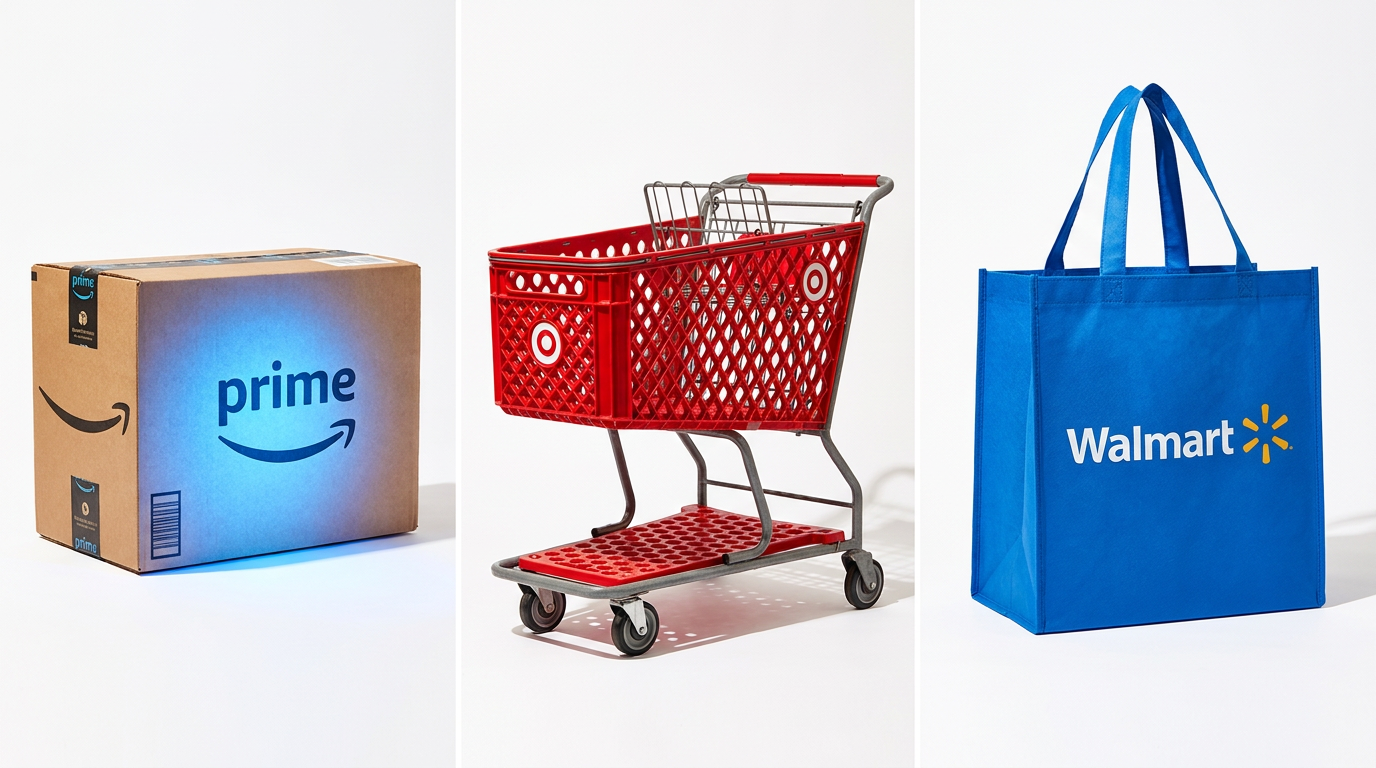
- Value-Conscious Consumers
- Focused on offsetting inflation by stocking up on groceries, household basics, and early back-to-school items.
- Retail Strategists
- Analyzing the shift to June as a tactic to boost Q2 earnings and lock in paid loyalty memberships.
- E-commerce Giants
- Competing fiercely for market share by matching dates and offering exclusive perks to their subscriber bases.
What's not represented
- · Independent Retailers
- · Supply Chain Logistics Workers
Why this matters
By moving their biggest sales of the year to June, retailers are giving consumers an early opportunity to offset inflation on groceries, household basics, and back-to-school supplies. The overlapping dates also allow shoppers to easily compare prices across platforms to guarantee the best deal.
Key points
- Amazon Prime Day 2026 has moved to June 23–26, abandoning its traditional July window.
- Target and Walmart have aligned their own summer sales events to overlap directly with Amazon's dates.
- Retailers are heavily discounting household basics, groceries, and early back-to-school items to appeal to inflation-weary shoppers.
- Paid loyalty members (Prime, Walmart+, Target Circle 360) receive early access and exclusive perks.
- Simultaneous sales allow consumers to easily cross-check prices between the three retail giants.
For the first time since 2021, the summer’s most lucrative retail showdown has been pulled forward into June, setting the stage for a massive multi-day battle for consumer dollars. Amazon has officially announced that its 2026 Prime Day will run from June 23 through June 26, abandoning its traditional July window. The shift has triggered an immediate domino effect across the retail landscape, with major competitors scrambling to align their own blockbuster sales events to intercept Amazon's traffic.[1][2]
Target was quick to respond, announcing that its Target Circle Deal Days will run on the exact same dates—June 23 to June 26—putting it in direct head-to-head competition with the e-commerce behemoth. Not to be outdone, Walmart revealed that its "Walmart Deals" event will blanket the entire week, running from June 22 through June 28. The synchronized scheduling guarantees that the final week of June will feature some of the deepest discounts of the year across all three major platforms.[2][3][4]
Industry analysts suggest the collective migration to June is a calculated maneuver designed to inject a surge of revenue into the second quarter, which traditionally suffers a lull before the back-to-school rush. By moving the sales forward, retailers are effectively lengthening the summer shopping season and attempting to capture early back-to-school spending before families finalize their budgets.[2][3][6]

Unlike previous years where premium electronics and luxury gadgets dominated the promotional spotlight, the 2026 deal wars are heavily focused on household basics, groceries, and personal care items. Retailers are acutely aware that inflation-weary consumers are prioritizing necessities over splurges. Amazon is heavily promoting discounted groceries from Whole Foods and Amazon Fresh, while Target is slashing prices on cleaning supplies and everyday apparel.[5][6]
Amazon's four-day marathon promises millions of deals across more than 35 categories, with the company teasing discounts of up to 80% on select Amazon devices and premium beauty brands. To build momentum, the retailer has already launched early deals and is offering Prime members the chance to win free groceries for a year. The event remains strictly gated for Prime subscribers, reinforcing the company's strategy of using the sale as a primary driver for membership retention.[1]
To build momentum, the retailer has already launched early deals and is offering Prime members the chance to win free groceries for a year.
Target is countering with a highly localized, omnichannel approach. The retailer is advertising up to 45% off thousands of items, including private-label brands like Threshold and Goodfellow, alongside national names like Keurig and Dyson. In a bid to drive foot traffic into physical stores, Target is offering a free Starbucks coffee or Bullseye cookie to all Target Circle members who shop on June 23.[4][5]

Walmart is taking a slightly different promotional route, launching a quirky marketing campaign featuring a fictional boy band named "Alwayz" to generate viral buzz for its week-long event. While Walmart has kept its specific product discounts closely guarded, the retailer confirmed that markdowns will span electronics, fashion, toys, and furniture, available both online and in stores nationwide.[2]
Beyond the big three, the June shift is forcing smaller retailers and specialty brands to launch their own counter-promotions. Brands like Best Buy have announced their own "Tech Fest" events overlapping the same late-June window, offering up to 50% off laptops, televisions, and gaming accessories. This industry-wide pile-on means shoppers won't have to look hard to find aggressive markdowns across virtually every retail category.[6]
The underlying battleground for all these retailers is the lucrative ecosystem of paid loyalty programs. Target is offering its Target Circle 360 members early access to deals starting June 22, a full 24 hours before the general public. Similarly, Walmart+ subscribers will receive a 24-hour head start on select online merchandise, ensuring that the most coveted items may sell out before non-members even log on.[2][3][5]

For consumers, the overlapping schedules present a unique logistical advantage. Because the sales run simultaneously, shoppers have the rare opportunity to cross-check prices in real-time between Amazon, Target, and Walmart before completing a checkout. This transparency forces the retailers to be highly competitive with their flash deals, as a cheaper price is only a browser tab away.[6]
Consumer advocates and shopping experts are advising shoppers to approach the June blitz with a strategic mindset. Experts recommend utilizing price-tracking tools, building digital wishlists now, and focusing on back-to-school items, which are expected to see unusually deep discounts for this time of year. However, they caution against buying laptops, suggesting that Black Friday still offers better margins for heavy computing hardware.[6]
As June 23 approaches, the retail landscape is bracing for an unprecedented volume of digital traffic and logistical strain. With billions of dollars on the line, the 2026 summer deal wars represent a critical stress test for supply chains and a massive opportunity for consumers willing to navigate the overlapping promotions to secure the best possible value.[1][2]
How we got here
July 2025
Amazon, Target, and Walmart hold their traditional mid-summer sales events in July.
Early June 2026
Amazon announces it is moving Prime Day up to June 23–26, the first time the event has been held in June since 2021.
Mid June 2026
Target and Walmart announce their own massive sales events for late June, directly overlapping with Amazon's timeline.
June 22, 2026
Early access begins for paid subscribers of Walmart+ and Target Circle 360.
June 23, 2026
The main sales events officially kick off across all three major retail platforms.
Viewpoints in depth
Value-Conscious Consumers
Shoppers are leveraging the overlapping sales to combat inflation by stocking up on household basics and groceries.
For many households, the 2026 summer sales are less about upgrading televisions and more about survival economics. With grocery prices remaining a pain point, consumers are highly motivated by Amazon's food discounts and Target's markdowns on cleaning supplies. The ability to cross-shop in real-time allows budget-conscious buyers to stretch their dollars further on necessities, treating the event as a strategic bulk-buying opportunity rather than a luxury shopping spree.
Retail Strategists
Industry analysts view the shift to June as a calculated move to boost Q2 earnings and lock in loyalty memberships.
Moving the industry's center of gravity to June solves multiple problems for major retailers. It injects a massive revenue spike into the end of the second quarter, pleasing shareholders, and it captures back-to-school spending before families even begin their traditional August shopping. More importantly, by gating the best deals behind paid tiers like Prime, Walmart+, and Target Circle 360, retailers are securing recurring subscription revenue that pays dividends long after the summer sales end.
What we don't know
- Whether the shift to June will permanently alter the retail calendar for future years.
- Exactly which specific high-ticket electronics will see the deepest cuts during the flash sales.
Key terms
- Target Circle 360
- Target's paid membership program that offers perks like unlimited same-day delivery and early access to major sales events.
- Walmart+
- Walmart's subscription service providing benefits such as free shipping, fuel discounts, and early access to promotional events.
- Omnichannel
- A retail strategy that integrates the different methods of shopping available to consumers, such as online, in a physical store, or by phone.
Frequently asked
When exactly is Amazon Prime Day 2026?
Amazon Prime Day runs for four days, from June 23 through June 26, 2026.
Do I need a paid membership to shop the Target and Walmart sales?
Target Circle Deal Days are open to free Target Circle members, though paid Circle 360 members get early access. Walmart Deals are open to everyone, but Walmart+ members get a 24-hour head start.
Are these sales better than Black Friday?
For household basics, summer apparel, and early back-to-school supplies, these June sales offer exceptional value. However, experts advise waiting until Black Friday for major electronics like laptops.
Sources
Source coverage
6 outlets
3 viewpoints surfaced






[1]ForbesE-commerce Giants
Amazon Prime Day 2026: June Dates And The Best Early Deals
Read on Forbes →[2]Retail DiveRetail Strategists
Targeting Amazon Prime Day, Walmart Deals event moves to June
Read on Retail Dive →[3]Digital Commerce 360Retail Strategists
Target Circle Deal Days to run same time frame as Prime Day
Read on Digital Commerce 360 →[4]NBC NewsE-commerce Giants
Target Circle Deal Days 2026: Dates, Details and More
Read on NBC News →[5]The Krazy Coupon LadyValue-Conscious Consumers
Target Circle Deal Days 2026: Dates, Best Deals & Free Starbucks
Read on The Krazy Coupon Lady →[6]TODAYValue-Conscious Consumers
Top Summer Sales Events of 2026: Amazon, Target, More
Read on TODAY →

Every angle. Every day.
Get shopping stories with full source coverage and perspective breakdowns delivered to your inbox.