
Walking Wounded: How Motorsport's Elite Are Defying Injuries to Return to the Podium
Across IndyCar, Formula 1, and MotoGP, a wave of early-season injuries has given way to remarkable stories of resilience. From Josef Newgarden winning in a walking boot to Lewis Hamilton overcoming a lingering crash injury, drivers are pushing through the pain barrier to secure victories.
By Meera Iyer

The 2026 global motorsport season has been defined as much by what happens in the medical center as what happens on the track. Across Formula 1, IndyCar, and MotoGP, an unusual wave of early-season crashes left grids depleted and drivers nursing broken bones, torn ligaments, and concussions. Yet, as the summer stretch begins, the narrative has shifted from attrition to astonishing resilience.[4]
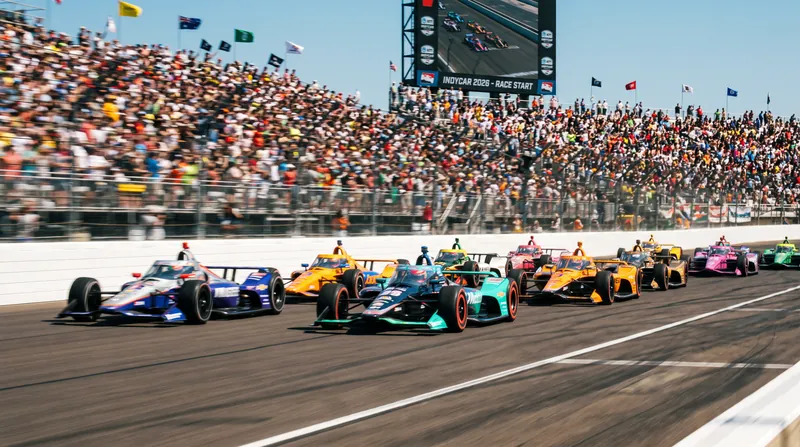
Nowhere was this grit more visible than at the Bommarito Automotive Group 500 in St. Louis. Team Penske's Josef Newgarden, still recovering from a violent crash at the Indianapolis 500 in May, arrived at the Gateway oval wearing a walking boot on his left foot. Unable to walk without support and relying on a scooter to navigate the paddock, Newgarden strapped into his Chevrolet-powered machine and delivered a masterclass.[1]
Maintaining speeds well over 180 mph, Newgarden navigated a chaotic race to take the checkered flag. The physical toll was evident in the immediate aftermath; unable to stand for his post-race interview, the two-time Indy 500 champion sat on the aeroscreen of his car to speak with reporters. He credited his team for giving him a flawless car, calling his own performance "methodical" despite the intense physical discomfort.
Newgarden is far from the only member of IndyCar's "walking wounded." The paddock has become a testament to playing through the pain. Alexander Rossi recently returned to the cockpit just weeks after undergoing surgery to repair a broken right foot bone and a fractured left middle finger. Similarly, Romain Grosjean raced at Gateway with a freshly inserted pin in his right pinky finger, while rookie Caio Collet has been driving through the agony of a fractured rib, relying on pain injections to endure the grueling G-forces.[1][4]
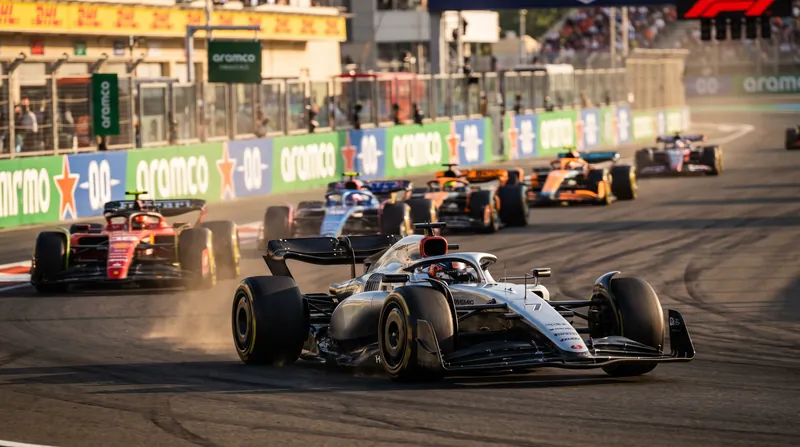
Across the Atlantic, the Formula 1 paddock witnessed its own story of quiet endurance culminating in triumph. At the Spanish Grand Prix in Barcelona, Lewis Hamilton secured his first-ever victory for Ferrari—the 106th win of his legendary career. The emotional milestone ended Mercedes' unbeaten start to the 2026 season and marked a massive turnaround for the seven-time world champion.[2]
Following the victory, Hamilton revealed a closely guarded secret: he had been carrying a lingering injury for months. The British driver suffered a crash during a private pre-season shakedown test in Barcelona in early 2025, which hampered his physical conditioning throughout his difficult maiden campaign with the Scuderia. Having finally rebuilt his fitness through an intense rehabilitation program, Hamilton described the win as the culmination of refusing to second-guess himself during the darkest months of his recovery.[2]
The two-wheeled world of motorsport is mirroring this trend of rapid, courageous returns. In MotoGP, Spanish rider Pol Espargaro is making his comeback at the Misano circuit. Sidelined since April after suffering a severe hand injury in a dirt-bike training accident, Espargaro has been cleared to resume testing duties, piloting KTM's highly anticipated 2027-spec 850cc prototype.
Even more miraculous is the recovery timeline of Gresini Ducati's Alex Marquez. Just one month after a horrifying collision at the Catalunya Grand Prix—which saw his bike split in half and left him with a fractured C7 vertebra and a broken collarbone—Marquez is targeting a return to the grid at Brno. After weeks of wearing a stabilizing neck brace, the 30-year-old has discarded the support and is undergoing definitive medical tests to clear him for racing.
In the World Superbike Championship, Miguel Oliveira has also been declared fit for action at Misano. The Portuguese star missed multiple rounds due to a concussion and a fractured scapula sustained at Balaton Park, but rigorous physical therapy has allowed him to rejoin the ROKiT BMW Motorrad team far ahead of traditional healing schedules.
The ability of these athletes to return so quickly highlights a fascinating shift in motorsport medicine. A June 2026 narrative review published in the Journal of Clinical Orthopaedics analyzed the biomechanical demands on drivers, noting that while modern safety systems like the Halo, aeroscreen, and advanced chassis have drastically reduced fatal head and torso trauma, the extremities remain highly vulnerable.[3]
Foot and ankle injuries, in particular, have become the defining orthopedic challenge in four-wheeled racing, driven by pedal intrusion and the immense, repetitive forces of asymmetric left-foot braking. In MotoGP, advanced airbag leathers have saved countless lives, but the sheer physics of high-side crashes still result in complex collarbone and extremity fractures that require immediate surgical pinning.[3]
Ultimately, the 2026 season is proving that while engineering keeps drivers alive, it is sheer human willpower that puts them back on the podium. Managing complex rehabilitations between grueling international flights and demanding sponsor schedules, these racers are redefining the limits of sports medicine. For fans watching Newgarden celebrate on his aeroscreen or Hamilton hoist the trophy in red, the message is clear: the drive to win easily eclipses the pain.
The essentials
- Josef Newgarden won the IndyCar race at Gateway while wearing a walking boot for a fractured foot.
- Lewis Hamilton won the Spanish Grand Prix, revealing he had been driving through a lingering pre-season injury.
- MotoGP riders Pol Espargaro and Alex Marquez are making rapid returns from severe hand and spinal injuries.
- Medical experts note that modern safety cells have shifted the injury profile from fatal trauma to survivable orthopedic fractures.
Timeline
January 2025
Lewis Hamilton suffers a pre-season crash in Barcelona, carrying a lingering injury into his maiden Ferrari season.
April 2026
Pol Espargaro sustains a severe hand injury in a dirt-bike training accident, sidelining him from MotoGP duties.
May 2026
Josef Newgarden fractures his foot in an Indianapolis 500 crash; Alex Marquez suffers a fractured C7 vertebra in Catalunya.
June 7, 2026
Newgarden wins the IndyCar race at Gateway while wearing a walking boot.
June 14, 2026
Hamilton wins the Spanish Grand Prix, his first victory for Ferrari, and reveals his hidden injury battle.
- Drivers & Competitors
- Focuses on pushing through pain, viewing physical discomfort as a secondary hurdle to the primary goal of winning.
- Medical & Safety Experts
- Balances the drivers' urge to return with the risks of long-term ergonomic damage and chronic tendinopathy.
- Team Management & Engineers
- Focuses on adapting car ergonomics, managing driver availability, and securing championship points despite depleted rosters.
Perspectives this story doesn't cover
- Physical Therapists
- Insurance Providers
Sources
Source coverage
4 outlets
3 viewpoints surfaced




- [1]FOX SportsDrivers & Competitors
Inside The Garage: INDYCAR Drivers Pushing Through The Pain
Read on FOX Sports → - [2]RacingNews365Drivers & Competitors
Lewis Hamilton reveals injury after major Ferrari crash
Read on RacingNews365 → - [3]Journal of Clinical OrthopaedicsMedical & Safety Experts
Foot and Ankle Injuries in Formula 1 Drivers: A Narrative Review
Read on Journal of Clinical Orthopaedics → - [4]FrontstretchTeam Management & Engineers
NASCAR & IndyCar Injuries Are Piling Up in 2026
Read on Frontstretch →
More in Sports
See all →Power ranking
Motorsport Power Rankings: The Drivers Setting the Grid on Fire in September
8 sources
Storyline
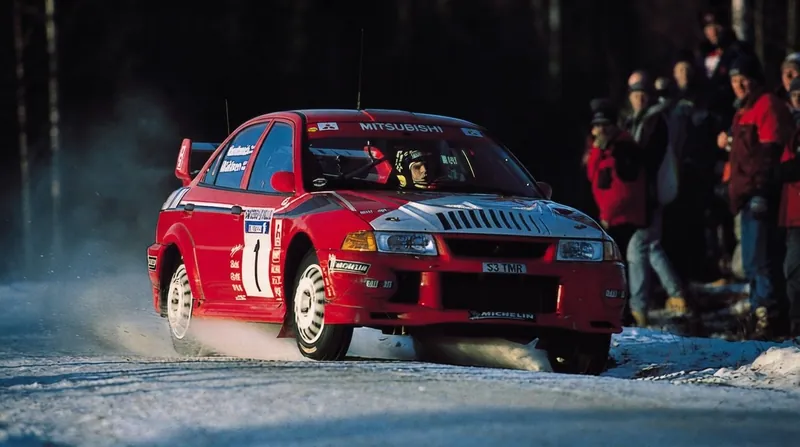
WRC Confirms Historic Return to the US for 2027 Season
6 sources
Power ranking
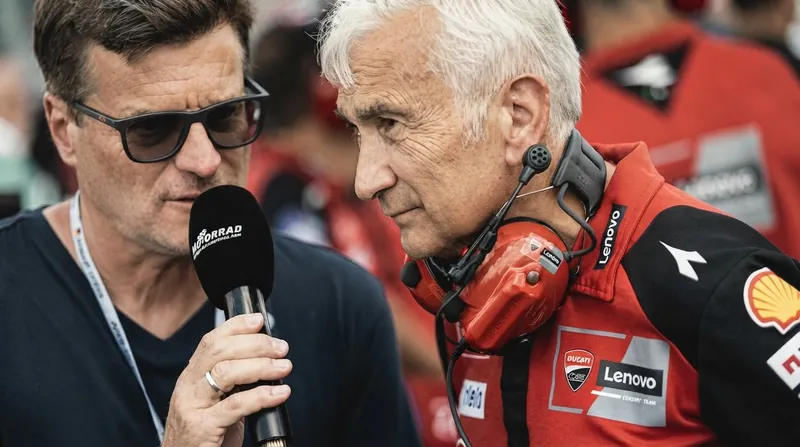
Global Motorsport Power Rankings: Márquez Peaks as Aitken Secures IMSA Crown
7 sources
Preview
Singapore Grand Prix Preview: Antonelli Defends 84-Point Lead as F1's New Era Tackles Marina Bay
4 sources
Comments
Every angle. Every day.
Get Sports stories with full source coverage and perspective breakdowns, free every day.