
US and Iran Reach Tentative Peace Deal, Establishing 60-Day Ceasefire and Reopening Strait of Hormuz
The United States and Iran have agreed to a preliminary memorandum of understanding to halt hostilities, reopening critical global shipping lanes while initiating a 60-day window for broader nuclear negotiations. The breakthrough has triggered relief in global energy markets but sparked fierce political backlash in Israel.
By Factlen Editorial Team
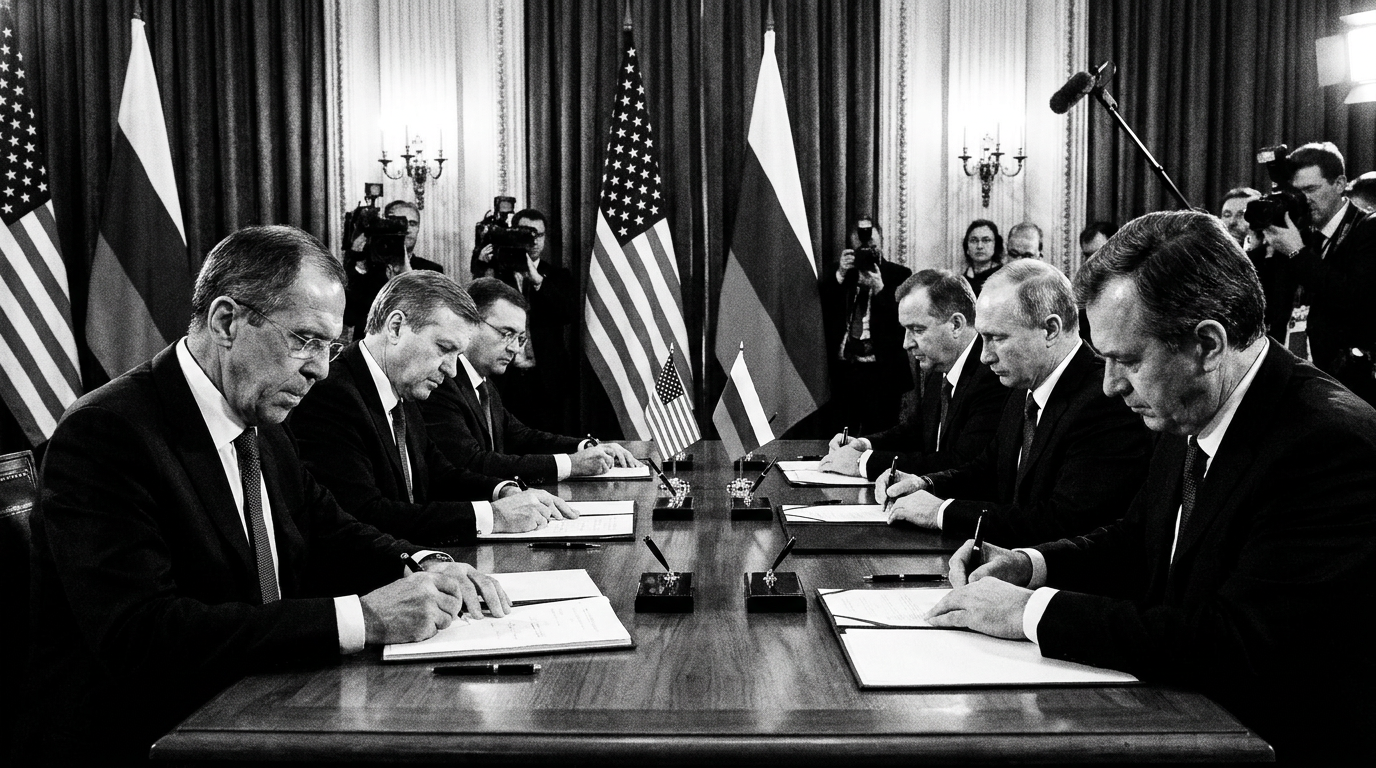
- Diplomatic Negotiators
- Prioritizes ending the conflict, securing global energy markets, and halting Iran's nuclear program.
- Israeli Government
- Maintains the right to self-defense and insists on retaining security zones in Lebanon.
- Iranian Public & Leadership
- Focuses on securing sanctions relief, unfreezing assets, and ending the US naval blockade.
- Israeli Opposition
- Criticizes the deal as a strategic failure that leaves Iran's proxy networks intact.
- Global Industry
- Concerned primarily with the lingering supply chain disruptions and energy costs caused by the war.
What's not represented
- · Lebanese civilians affected by the ongoing Israeli military presence.
- · Gulf Cooperation Council (GCC) nations navigating the regional fallout.
Why this matters
The preliminary agreement pauses a devastating multi-month conflict that has destabilized the Middle East and choked off a fifth of the world's oil supply. For consumers, the reopening of the Strait of Hormuz promises relief from soaring energy costs, though supply chain bottlenecks for petroleum products like motor oil will persist for months.
Key points
- The US and Iran signed a preliminary memorandum of understanding establishing a 60-day ceasefire.
- The agreement reopens the Strait of Hormuz, allowing the resumption of global shipping and oil flows.
- Iran reportedly agreed to halt its nuclear weapons program in exchange for the unfreezing of $35 billion in assets.
- The automotive industry warns that supply chain disruptions for motor oil will persist despite the ceasefire.
- Israeli Prime Minister Benjamin Netanyahu faces intense domestic backlash over the deal's terms.
- The ceasefire framework reportedly includes a halt to hostilities in Lebanon, complicating Israeli military operations.
The United States and Iran have reached a preliminary peace agreement, halting a devastating multi-month war that has destabilized the Middle East and choked off global shipping. The memorandum of understanding, signed in Geneva, establishes a 60-day ceasefire and reopens the critical Strait of Hormuz. The breakthrough provides a crucial window for negotiators to hammer out a permanent treaty regarding Iran's nuclear program and regional security.[1][5]
The framework was formalized by US Vice President JD Vance and Iranian chief negotiator Mohammad Bagher Ghalibaf. Under the tentative terms, the US will lift its naval blockade and reportedly unfreeze $35 billion in Iranian assets. In exchange, Tehran has agreed to halt its nuclear weapons program and submit to stringent international policing powers. US President Donald Trump declared the deal "all signed," urging global shipping to immediately resume operations.[1][5]
The immediate economic relief centers on the Strait of Hormuz, a vital maritime chokepoint that normally facilitates roughly a fifth of the world's oil flow. Its closure since late February sent global energy prices skyrocketing and triggered widespread supply chain bottlenecks. The reopening is expected to rapidly ease pressure on global energy markets, a move welcomed by international leaders who have spent months navigating the economic fallout.[1][5]

However, the cessation of hostilities will not instantly resolve all supply chain disruptions. The automotive industry, in particular, faces a prolonged crisis regarding motor oil. The conflict severely damaged key refining facilities in the Middle East, including a major plant in Qatar, wiping out the supply of Group III base oil—a high-grade industrial lubricant essential for manufacturing modern synthetic motor oils.[3][8]
The United States typically imports 44% of this specific base oil from the Persian Gulf. With those supplies derailed, the Independent Lubricant Manufacturers Association warns that the shortage of low-viscosity engine oils is imminent. Industry experts predict that the resulting price hikes and rationing for routine oil changes could persist until mid-2027, demonstrating the long-tail economic consequences of the conflict.[3][8]

The United States typically imports 44% of this specific base oil from the Persian Gulf.
In Tehran, the government is aggressively framing the ceasefire as a historic victory. Iranian officials emphasize that the nation withstood a massive joint US-Israeli military campaign without capitulating to demands for regime change. For ordinary Iranians, however, the primary relief is rooted in economic necessity—the unfreezing of assets and the lifting of the blockade offer a lifeline to an economy battered by sanctions and the immediate fear of further aerial bombardment.[2]
The political fallout is most volatile in Israel, where Prime Minister Benjamin Netanyahu is attempting to claim victory amidst fierce domestic backlash. Netanyahu stated that the joint military campaign successfully spared Israel from "nuclear annihilation" and warned that any resumption of Iranian attacks would be met with "overwhelming force." He insisted that the operation achieved its primary objective of degrading Tehran's capabilities.[4][7]
Despite these declarations, Netanyahu faces intense criticism from across the Israeli political spectrum. Opponents argue that he dragged the US into a protracted war while overpromising on the destruction of Iran's nuclear program and the dismantling of its proxy networks. Critics claim that the US is now rushing to exit the conflict, leaving Israel to manage an Iranian regime that survived the bombardment and remains a potent regional threat.[6]

A major sticking point in the ceasefire implementation is Lebanon. The US-Iran memorandum reportedly includes a halt to hostilities in Lebanon, a condition Israel had fiercely resisted during negotiations. Netanyahu has explicitly ruled out an immediate withdrawal of Israeli forces from Lebanese territory, declaring that the military will remain in established "security zones" for as long as necessary to protect northern Israel from Hezbollah.[4][6]
The next 60 days will test whether this fragile preliminary framework can evolve into a durable peace treaty. Negotiators face the monumental task of detailing the exact mechanisms for sanctions relief, verifying nuclear compliance, and addressing the complex web of regional proxy conflicts. While the immediate threat of a wider regional war has been paused, the underlying geopolitical tensions that ignited the conflict remain largely unresolved.[1][5]
How we got here
Late Feb 2026
The US and Israel launch a major military campaign against Iran following stalled nuclear negotiations.
March 2026
Iran effectively closes the Strait of Hormuz, disrupting a fifth of global oil flows.
April 2026
A temporary two-week ceasefire is announced but fails to hold as regional strikes continue.
June 15, 2026
The US and Iran sign a preliminary memorandum of understanding in Geneva, establishing a 60-day ceasefire.
Viewpoints in depth
US Administration
Views the deal as a major diplomatic and economic victory that neutralizes a nuclear threat.
The US administration is framing the 60-day ceasefire as a definitive win that achieves its primary war aim: halting Iran's nuclear weapons program. By securing the reopening of the Strait of Hormuz, the administration also aims to deliver immediate relief to global energy markets and domestic consumers. Officials emphasize that sanctions relief and the unfreezing of assets are strictly tied to verifiable Iranian compliance.
Iranian Leadership
Frames the agreement as a successful resistance against Western aggression that secures vital economic relief.
Tehran is selling the memorandum of understanding as a triumph of national resilience. By securing the end of the US naval blockade and the release of $35 billion in frozen assets, the government hopes to stabilize a domestic economy battered by sanctions and war. Iranian officials emphasize that they withstood a massive military campaign without capitulating to demands for regime change.
Israeli Government Critics
Argue the deal leaves Israel vulnerable and represents a strategic failure for Prime Minister Netanyahu.
Across the Israeli political spectrum, critics argue the preliminary agreement falls far short of the war's initial goals. Opponents claim Prime Minister Netanyahu overpromised on destroying Iran's nuclear capabilities and dismantling its proxy networks. They express concern that the US is rushing to exit the conflict, leaving Israel to manage a still-potent threat from Hezbollah in Lebanon and an Iranian regime that survived the military campaign.
What we don't know
- The exact mechanisms for policing and verifying Iran's compliance with the nuclear restrictions.
- How Israel will navigate the ceasefire terms regarding its ongoing military presence in Lebanon.
- Whether the 60-day window will be sufficient to finalize a permanent, comprehensive peace treaty.
Key terms
- Strait of Hormuz
- A crucial waterway between the Persian Gulf and the Gulf of Oman through which roughly 20% of the world's oil passes.
- Group III Base Oil
- A high-grade industrial lubricant refined primarily in the Middle East, essential for manufacturing modern synthetic motor oils.
- Memorandum of Understanding (MoU)
- A formal agreement between two or more parties that establishes a framework for future negotiations, though it is not a final treaty.
Frequently asked
Will gas prices go down now?
The reopening of the Strait of Hormuz is expected to ease pressure on global energy markets, which should eventually translate to lower fuel prices.
Why are oil changes getting more expensive?
The war damaged key facilities in the Middle East that produce the specific base oils required for modern synthetic motor oil, creating a shortage that will take months to resolve.
Is the war completely over?
Not definitively. The current agreement is a 60-day ceasefire designed to provide a window for negotiating a permanent peace treaty.
Sources
Source coverage
8 outlets
5 viewpoints surfaced








[1]Al JazeeraDiplomatic Negotiators
World reacts as Iran and US reach tentative deal to end war
Read on Al Jazeera →[2]BBCIranian Public & Leadership
Tehran selling deal with US as victory – but for Iranians it was necessity
Read on BBC →[3]NPRGlobal Industry
The war with Iran is making oil changes pricier. And a deal won't solve it
Read on NPR →[4]The GuardianIsraeli Government
Netanyahu declares victory over Iran – and rules out withdrawal from Lebanon
Read on The Guardian →[5]AxiosDiplomatic Negotiators
US, Iran reach deal to extend ceasefire, open strait
Read on Axios →[6]PBS NewsIsraeli Opposition
Israelis angry over U.S.-Iran peace deal lash out at Netanyahu
Read on PBS News →[7]TIMEIsraeli Government
Netanyahu Says Israel Has Halted Strikes, But Warns It Will Respond to Iran 'With Force' If Fire Resumes
Read on TIME →[8]Transport TopicsGlobal Industry
Iran War Is Going to Make Oil Changes More Expensive
Read on Transport Topics →

More in news politics
See all 5 stories →US-Iran Ceasefire
US and Iran Reach Tentative Deal to End 100-Day War and Reopen Strait of Hormuz
0 sources
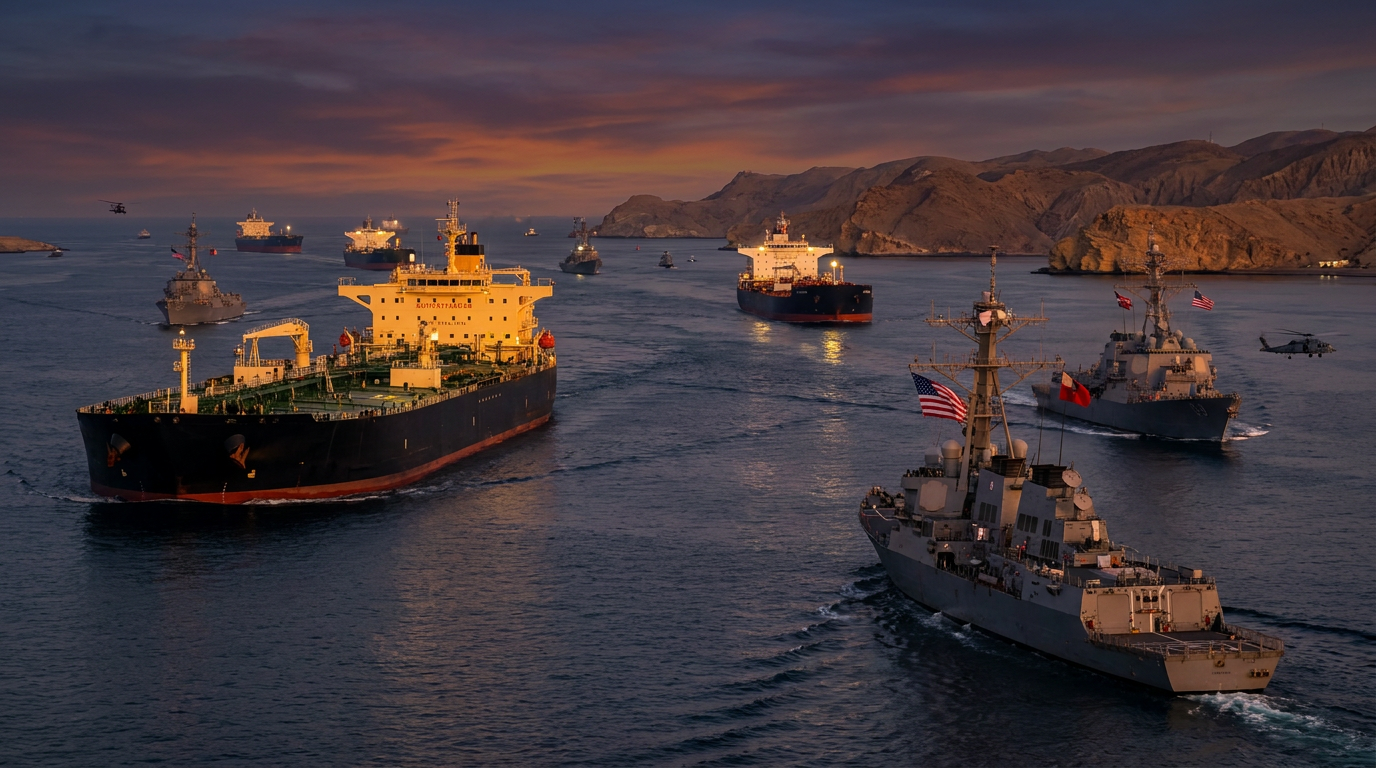
US-Iran Truce
US and Iran Reach Tentative Truce to End 100-Day War and Reopen Strait of Hormuz
0 sources
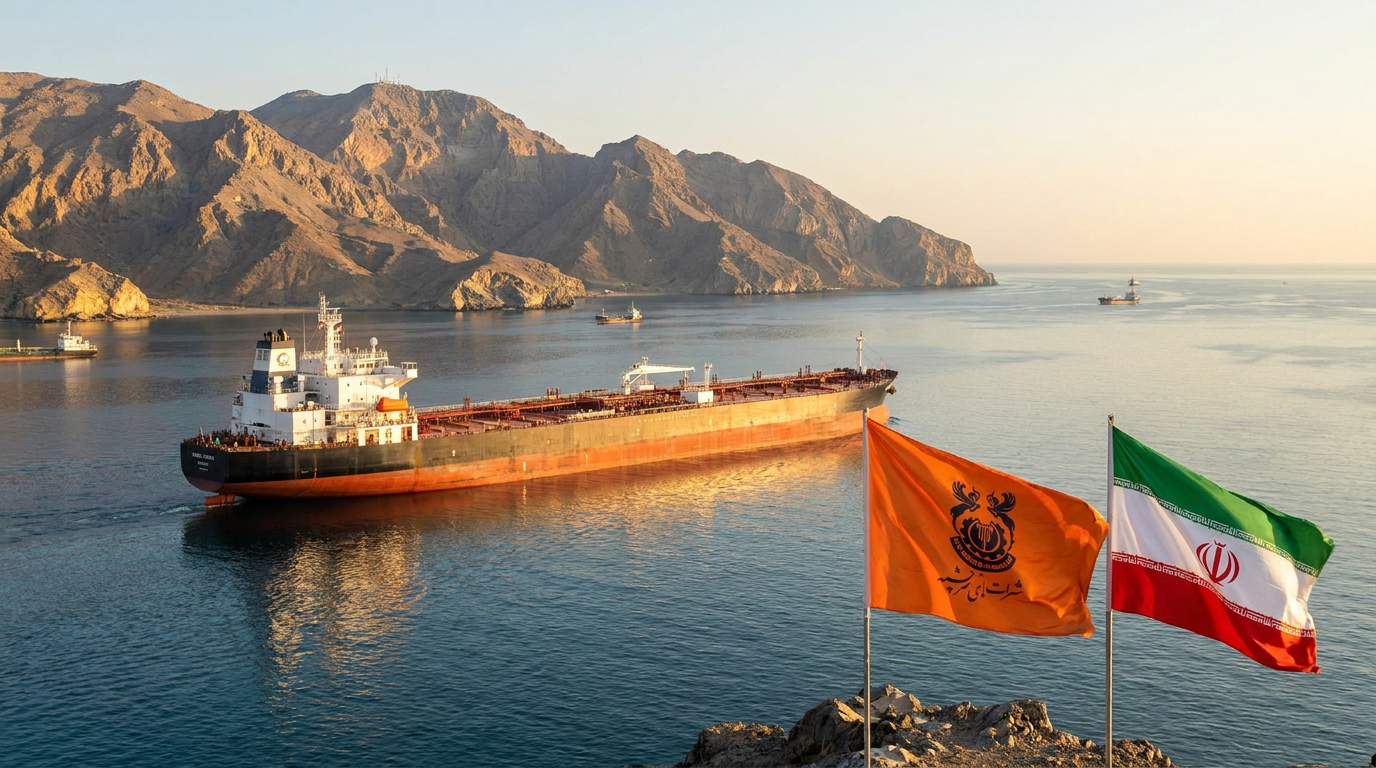
Naval Brinkmanship
UK Investigates Reports of Russian Warship Firing Warning Shots at British Yacht in English Channel
0 sources

Every angle. Every day.
Get news politics stories with full source coverage and perspective breakdowns delivered to your inbox.