
US and Iran on Verge of Peace Deal to End War and Reopen Strait of Hormuz
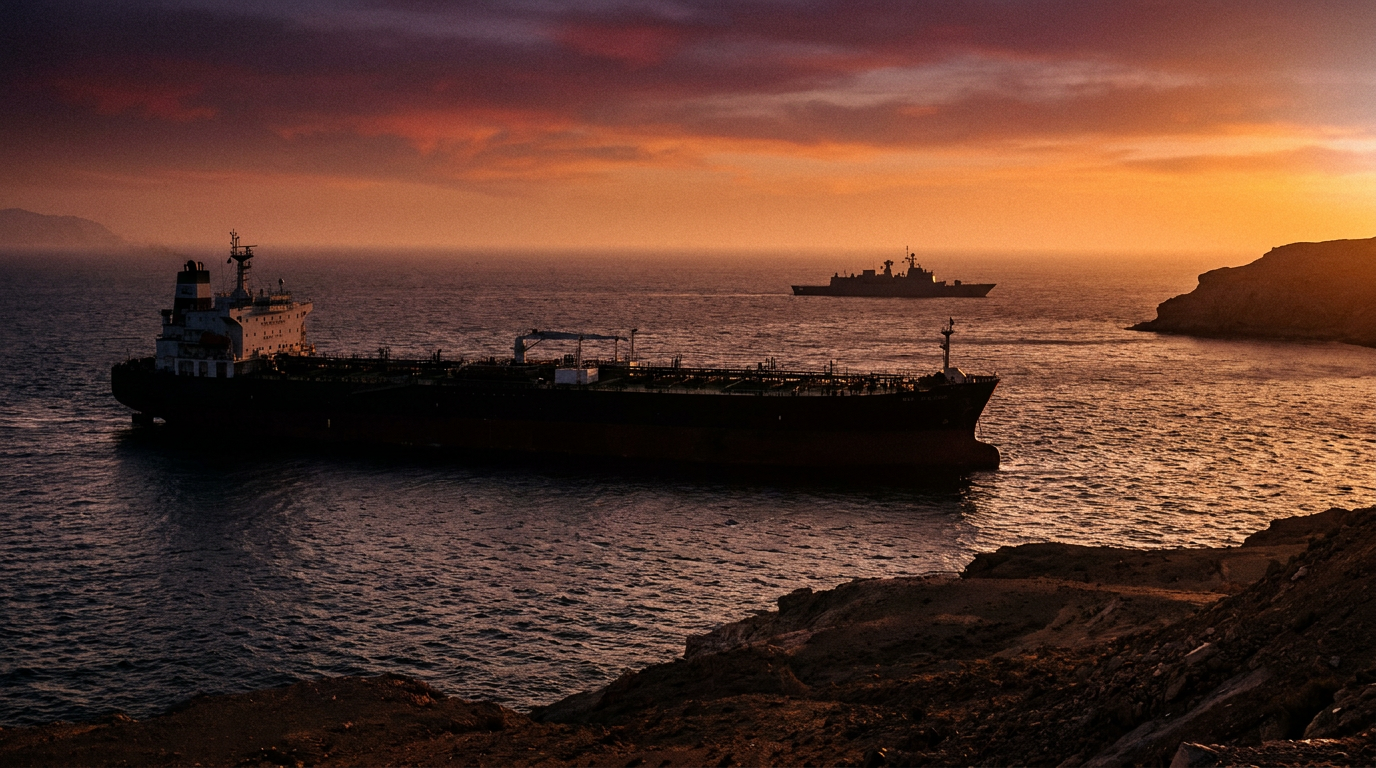
The United States and Iran are nearing a historic peace agreement to end their months-long war, with mediators preparing for an imminent electronic signing despite lingering disputes over the exact timeline.
By Factlen Editorial Team
- US Administration
- Argues the deal achieves all primary American objectives by neutralizing Iran's nuclear threat and reopening global shipping lanes.
- Iranian Negotiators
- Frames the agreement as a necessary step to lift the crippling US naval blockade and demonstrate Iranian resilience.
- Mediators
- Emphasizes the urgency of finalizing the text to prevent further regional escalation and restore economic normalcy.
- Iranian Hardliners
- Views the concessions on the Strait of Hormuz and the nuclear program as a dangerous surrender of national sovereignty.
What's not represented
- · Global energy markets and shipping industry
- · US political opposition and defense hawks
- · Israeli government officials
Why this matters
The reopening of the Strait of Hormuz would immediately relieve a massive bottleneck in global oil supplies, stabilizing energy markets that have been deeply rattled by the months-long conflict. Furthermore, the deal's framework to dismantle Iran's nuclear program could fundamentally reshape the geopolitical security landscape of the Middle East.
Key points
- US President Donald Trump and Pakistani mediators announced a peace deal to end the months-long US-Iran war is expected to be signed Sunday.
- Iran's Foreign Ministry pushed back on the Sunday timeline, stating the exact date remains unsettled due to ongoing hesitations.
- The agreement aims to immediately reopen the Strait of Hormuz to commercial shipping and lift the US naval blockade on Iranian ports.
- US officials report the deal includes a 60-day ceasefire extension and requires Iran to surrender its highly enriched uranium.
- Despite the diplomatic progress, US forces shot down multiple Iranian attack drones in the Strait of Hormuz early Saturday.
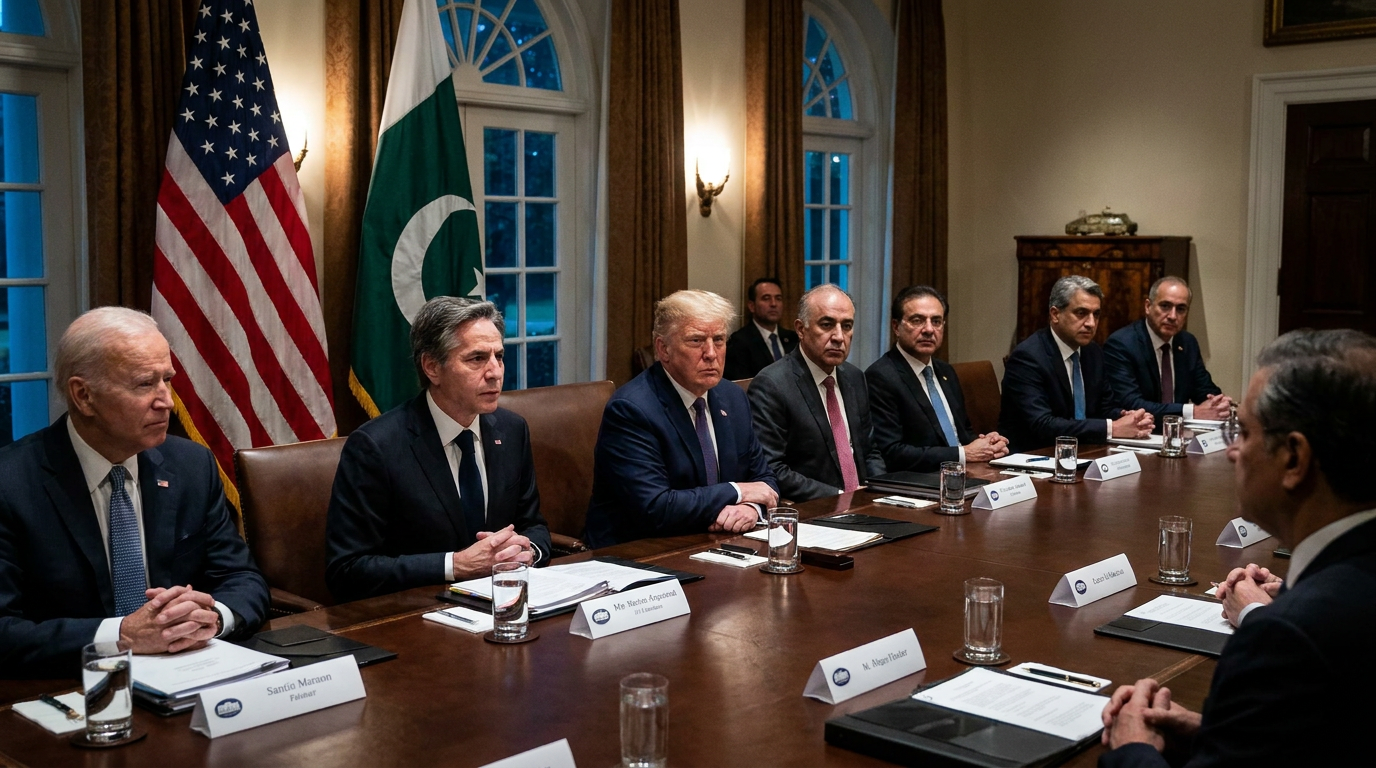
The United States and Iran are on the precipice of a historic peace agreement to end their months-long war, with US President Donald Trump and Pakistani mediators announcing that a deal could be signed as early as Sunday.[1][2]
The prospective agreement aims to immediately reopen the Strait of Hormuz—a critical artery for global oil supplies that has been blocked since the conflict escalated—and establish a framework to dismantle Tehran's nuclear program.[2][3]
Pakistani Prime Minister Shehbaz Sharif, whose government has served as the lead mediator, stated Saturday that a "final, agreed upon text" had been reached. Sharif indicated that Islamabad was preparing to facilitate an electronic signing within 24 hours, which would be followed by technical-level talks next week.[6][7]

However, the diplomatic timeline remains heavily contested. Iran's Foreign Ministry quickly pushed back against the Sunday target, with spokesperson Esmaeil Baghaei stating that while a signing in the coming days cannot be ruled out, it will not happen on Sunday due to the "hesitation of the other side."[1][4][6]
The breakthrough follows months of intense conflict that began with joint US-Israeli strikes on Iran in late February 2026, prompting Tehran to block the Strait of Hormuz and target commercial shipping in retaliation.[4][6]
A fragile truce implemented in early April paused the worst of the fighting, but negotiations have repeatedly stalled over the sequencing of sanctions relief, nuclear inspections, and control of the strategic waterway.[6][8]
President Trump framed the emerging deal as a definitive victory for Washington. In a social media post, he declared the agreement "a wall to no nuclear weapon," asserting that Iran would no longer possess or pursue nuclear arms under the new paradigm.[2][3]
President Trump framed the emerging deal as a definitive victory for Washington.
According to US officials briefing reporters, the deal would extend the current ceasefire by 60 days to allow for technical discussions. It reportedly requires Iran to surrender its stockpile of highly enriched uranium, which Trump claimed would be retrieved and destroyed by the US once the region stabilizes.[5][6][8]

To counter domestic criticism from political hawks, US Vice President JD Vance clarified that the agreement does not involve the upfront release of frozen Iranian assets. Vance insisted that any economic benefits would strictly depend on Tehran meeting its obligations under a rigorous inspection regime.[7]
In Tehran, the government is attempting to sell the deal as a strategic triumph. Iranian Foreign Minister Abbas Araghchi told state television that the agreement forces the lifting of the US naval blockade on Iranian ports and alters the administration of the Strait of Hormuz, which he called one of Iran's "main instruments of deterrence."[2][3]
But the prospect of peace has ignited fierce domestic backlash within Iran. Hardline factions accuse the negotiating team of capitulation, arguing that the deal strips Tehran of its most potent geopolitical leverage without guaranteeing permanent sanctions relief.[2]
On Saturday, dozens of protesters gathered outside a foreign ministry office in the northeastern city of Mashhad. Waving black and red flags, demonstrators chanted slogans denouncing Araghchi as an "infiltrator" and demanding the immediate rejection of the American terms.[2]

The fragility of the situation was underscored by continued military friction. Early Saturday morning, just hours after mediators touted the imminent deal, US Central Command reported shooting down multiple Iranian one-way attack drones in the Strait of Hormuz.[2][8]
How we got here
Feb 2026
Conflict escalates following joint US-Israeli strikes on Iranian military targets.
April 2026
A fragile truce pauses the worst of the fighting, initiating complex multi-party negotiations.
June 12, 2026
Pakistani mediators announce that a final, agreed-upon text for a peace deal has been reached.
June 13, 2026
US forces shoot down multiple Iranian attack drones in the Strait of Hormuz despite diplomatic progress.
June 14, 2026
Target date set by the US and Pakistan for the electronic signing of the agreement.
Viewpoints in depth
US Administration's view
The deal is a definitive victory that dismantles Iran's nuclear threat and reopens global shipping.
Washington frames the agreement as a total validation of its military and diplomatic pressure campaign. By securing a commitment to remove Iran's highly enriched uranium and enforcing a strict inspection regime, US officials argue they have permanently neutralized the nuclear threat. Furthermore, the administration emphasizes that no upfront financial concessions were made, countering domestic critics who feared a capitulation.
Iranian Negotiators' view
The agreement is a strategic triumph that lifts the US naval blockade and preserves Iranian sovereignty.
Tehran's diplomatic corps is selling the deal as a testament to Iranian resilience. By forcing the United States to lift its naval blockade on Iranian ports and altering the administration of the Strait of Hormuz, negotiators argue they have successfully defended the nation's core interests. They maintain that the nuclear concessions are reversible and that the deal ultimately validates their deterrence strategy.
Mediators' view
An immediate electronic signing is critical to lock in the fragile consensus and prevent further regional escalation.
Led by Pakistan, the mediating coalition is projecting intense optimism to build momentum for the deal. They argue that the final text represents a balanced compromise and are aggressively pushing for an electronic signing to bypass logistical hurdles and domestic political interference in both Washington and Tehran. Their primary focus is stabilizing the region and restoring global economic normalcy.
Iranian Hardliners' view
The concessions on the Strait of Hormuz and the nuclear program represent a dangerous surrender of national sovereignty.
Conservative factions within Iran view the diplomatic breakthrough with deep suspicion and outright hostility. They argue that relinquishing control over the Strait of Hormuz strips Tehran of its most potent geopolitical leverage. Protesters and hardline politicians accuse the negotiating team of yielding to American pressure without securing ironclad guarantees of permanent sanctions relief, framing the deal as a capitulation.
What we don't know
- Whether hardline domestic opposition in Iran could ultimately derail the final signing of the agreement.
- The exact mechanisms and timeline for the removal and destruction of Iran's highly enriched uranium.
- How quickly commercial shipping companies will feel secure enough to resume normal transit through the Strait of Hormuz.
Key terms
- Strait of Hormuz
- A narrow, strategically vital waterway between the Persian Gulf and the Gulf of Oman, through which a significant portion of the world's oil supply passes.
- Electronic Signing
- A remote method of formalizing an international agreement, utilized here to bypass the logistical and security hurdles of an in-person summit.
- Highly Enriched Uranium
- Uranium that has been processed to a concentration suitable for use in nuclear weapons, a central sticking point in US-Iran negotiations.
- Naval Blockade
- A military operation in which forces prevent maritime traffic from entering or leaving a nation's ports, utilized by the US against Iran during the conflict.
Frequently asked
When did the US-Iran war begin?
The conflict escalated sharply in late February 2026 following joint US-Israeli military strikes on Iranian targets.
What is the status of the Strait of Hormuz?
The vital shipping lane has been largely blocked by Iran during the conflict, but the proposed peace deal mandates its immediate reopening to all commercial traffic.
Has the peace deal been officially signed?
Not yet. While the US and Pakistani mediators expect an electronic signing within days, Iran has cautioned that the exact timing remains unsettled.
What happens to Iran's nuclear program under the deal?
According to US officials, the agreement establishes a framework to dismantle the program and requires Iran to surrender its stockpile of highly enriched uranium.
Sources
Source coverage
8 outlets
4 viewpoints surfaced








[1]NPRIranian Negotiators
Trump says deal to end Iran war will be signed Sunday, as Iran disagrees on timing
Read on NPR →[2]CBS NewsUS Administration
Live Updates: U.S.-Iran peace deal to be signed Sunday, Trump says
Read on CBS News →[3]The GuardianIranian Hardliners
Trump says Iran peace deal could be signed by Sunday, with strait of Hormuz to open shortly after
Read on The Guardian →[4]ReutersIranian Negotiators
Trump says peace deal with Iran will be signed Sunday, but Tehran yet to confirm timing
Read on Reuters →[5]AxiosMediators
U.S., Iran expected to 'electronically' sign agreement to end war Sunday
Read on Axios →[6]The Times of IsraelMediators
Pakistan claims US-Iran deal to be signed within 24 hours; Tehran pushes back
Read on The Times of Israel →[7]ForbesUS Administration
U.S.-Iran Peace Deal Likely Finalized Within '24 Hours,' Pakistan's Leader Says
Read on Forbes →[8]The HinduIranian Hardliners
West Asia war highlights: Trump says U.S.-Iran deal to be signed Sunday
Read on The Hindu →
More in news politics
See all 8 stories →Education Policy
Universal Free School Meals: Fact-Checking the Impact of a Growing State Trend
0 sources

Workplace Policy
Fact-Checking the Four-Day Workweek: What the 2026 Evidence Actually Shows
0 sources

Iran Conflict
U.S. and Iran Signal Imminent Peace Deal to End Conflict, but Timelines Clash
0 sources
US-Iran Peace Talks
U.S. and Iran Near 60-Day Peace Framework to End 100-Day War
0 sources
Every angle. Every day.
Get news politics stories with full source coverage and perspective breakdowns delivered to your inbox.