
U.S. and Iran Near Historic Peace Deal to Reopen Strait of Hormuz, but Disagree on Signing Timeline
President Trump and mediator Pakistan announced a peace agreement to end the four-month U.S.-Iran war will be signed Sunday, reopening the Strait of Hormuz. However, Iranian officials cautioned the timeline could be slower, and hardliners protested the proposed concessions.
By Factlen Editorial Team
- U.S. Administration
- Frames the deal as a definitive victory that neutralizes Iran's nuclear threat and restores global shipping.
- Iranian Government
- Emphasizes the lifting of blockades and sanctions while downplaying concessions on the nuclear program.
- Iranian Hardliners
- Views the agreement as a capitulation that surrenders Tehran's strategic leverage over the Strait of Hormuz.
- Mediators
- Focuses on the immediate cessation of hostilities and the stabilization of the region.
- Israeli Defense Officials
- Expresses deep concern that the deal provides economic relief without verifiable nuclear guarantees.
What's not represented
- · Commercial shipping companies
- · European energy importers
- · Lebanese civilians affected by the broader conflict
Why this matters
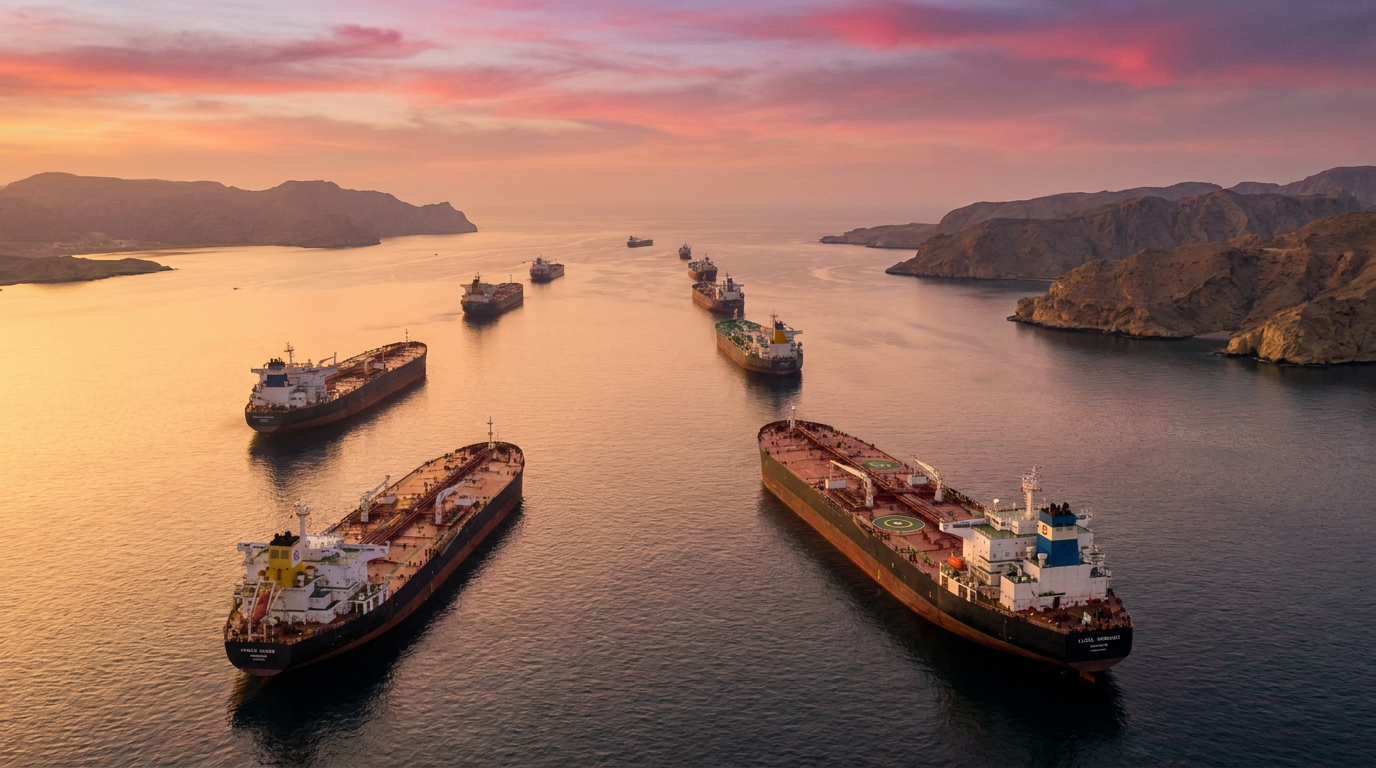
The four-month conflict has severely disrupted global shipping and spiked oil prices by blocking the Strait of Hormuz. A finalized peace deal would immediately reopen the vital waterway, unfreeze billions in Iranian assets, and shift the geopolitical balance in the Middle East.
Key points
- The U.S. and Iran are finalizing a peace agreement to end their four-month war.
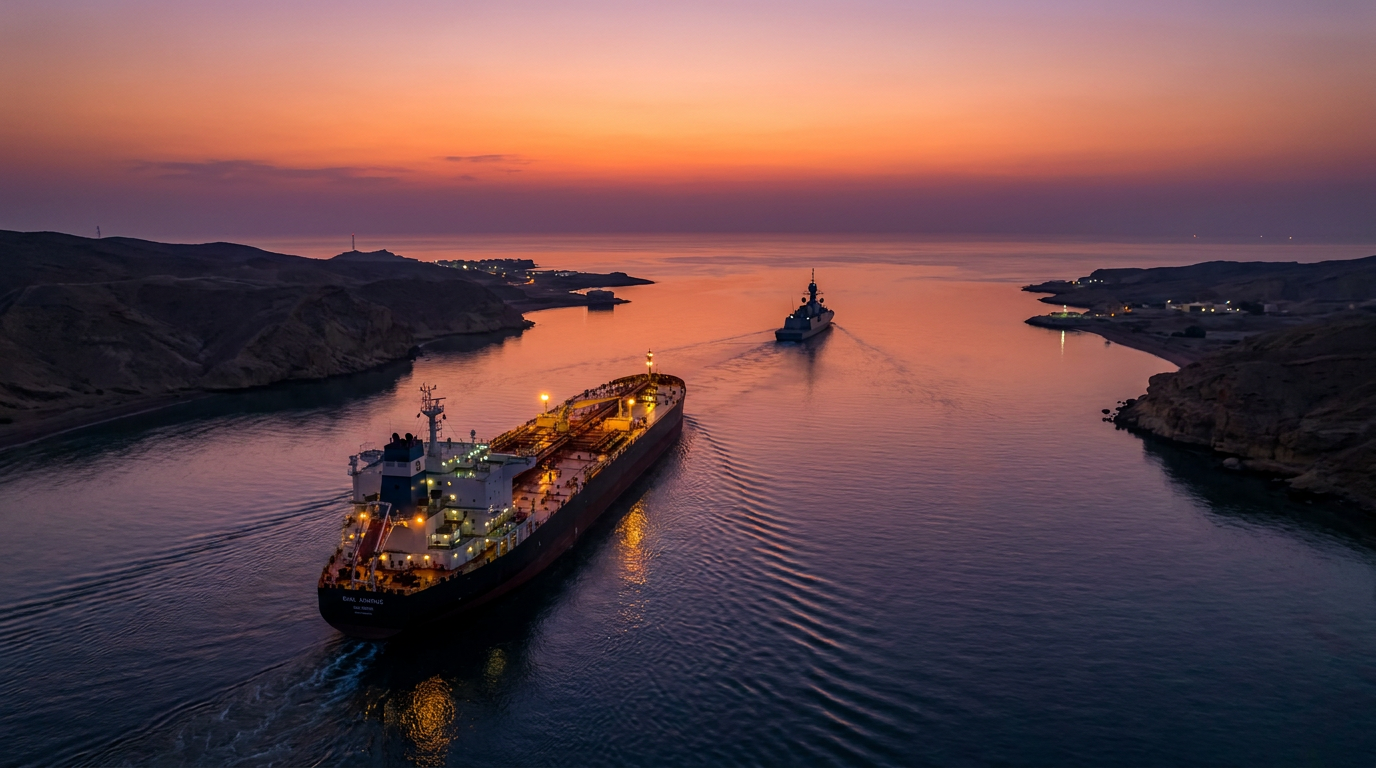
- The deal would immediately reopen the Strait of Hormuz to international shipping.
- Iran is expected to receive access to $24 billion in frozen assets and sanctions relief.
- The U.S. and Iran publicly disagree on whether Tehran must fully dismantle its nuclear program.
- Hardliners in Iran are protesting the deal, accusing negotiators of surrendering strategic leverage.
Trump and Pakistani Prime Minister Shehbaz Sharif announced that a historic peace agreement to end the four-month war between the United States and Iran is scheduled to be signed electronically on Sunday. The deal promises to immediately reopen the Strait of Hormuz to international shipping and lift the U.S. naval blockade on Iranian ports.[2][4][5]
However, a stark disconnect remains regarding the exact timeline. While Trump, who turns 80 on Sunday, insisted the signing was imminent, Iranian Foreign Ministry spokesman Esmaeil Baqaei explicitly stated that the agreement "will not be tomorrow," though he acknowledged it could happen in the coming days.[1][5][7]
The proposed memorandum of understanding aims to cement a fragile ceasefire that has been in place since April. According to draft terms, the U.S. would unfreeze approximately $24 billion in Iranian assets and suspend sanctions on Tehran's oil exports. In exchange, Iran would lift its blockade of the Strait of Hormuz, a critical chokepoint for global energy markets that has been a central flashpoint of the conflict.[3][5]

The most contentious element of the agreement involves Iran's nuclear program, and the two sides are publicly broadcasting vastly different interpretations of the terms. President Trump claimed on social media that the deal represents a "wall to no nuclear weapon," asserting that the U.S. would retrieve and destroy Iran's nuclear material.[4][8]
Conversely, Iranian officials and regional mediators indicate that the initial agreement does not mandate the immediate dismantling of Tehran's nuclear infrastructure. Instead, the pact establishes a 60-day window for dedicated technical negotiations regarding the nuclear program, with Iranian Foreign Minister Abbas Araghchi suggesting that Tehran intends to retain its uranium stockpile in a diluted form rather than surrendering it entirely.[5][6]
Conversely, Iranian officials and regional mediators indicate that the initial agreement does not mandate the immediate dismantling of Tehran's nuclear infrastructure.
The diplomatic push is occurring against a backdrop of active hostilities. Early Saturday, U.S. Central Command reported shooting down multiple Iranian one-way attack drones in the Strait of Hormuz. The drones were reportedly targeting commercial vessels, prompting Trump to label the incident "totally unacceptable" even as he touted the impending peace agreement.[4][6]

Inside Iran, the prospect of a deal has ignited fierce domestic opposition. Dozens of hardline protesters gathered outside a Foreign Ministry office in the northeastern city of Mashhad on Saturday, waving black and red flags and chanting "death to dishonorable Araghchi, the infiltrator." These factions argue that relinquishing control over the Strait of Hormuz deprives Tehran of its most potent strategic leverage and accuses the negotiating team of making excessive concessions.[4][7]
The impending agreement has also triggered alarm in Israel, which was involved in the initial February strikes that sparked the broader conflict. Israeli Defense Minister Israel Katz stated that his government expects the U.S. to prevent Iran from obtaining nuclear weapons, while senior Israeli officials expressed deep concern that Tehran will secure massive economic relief without providing ironclad, verifiable guarantees regarding its nuclear ambitions.[4][5]

Pakistan has played a central role in brokering the agreement, hosting talks in Islamabad after the April truce failed to produce a long-term resolution. Prime Minister Sharif expressed confidence that the historic deal would form a strong foundation for lasting peace, noting that technical-level talks are scheduled to commence next week once the electronic signatures are secured.[2][6]
If finalized, the treaty would mark a dramatic de-escalation of a conflict that has roiled global markets and threatened to engulf the broader Middle East. Yet, with hardliners in Tehran protesting the terms, Israel voicing security concerns, and the U.S. and Iran fundamentally disagreeing on the nuclear provisions, the durability of the proposed peace remains highly precarious.[3][5][7]
How we got here
Feb 2026
Joint U.S.-Israeli strikes on Iran trigger a broader regional conflict and the blockade of the Strait of Hormuz.
April 8, 2026
A fragile ceasefire is declared, allowing Pakistan to begin mediating long-term peace negotiations.
June 13, 2026
U.S. forces shoot down multiple Iranian attack drones in the Strait of Hormuz amid final treaty negotiations.
June 14, 2026
The U.S. and Pakistan announce a peace deal is ready for signing, though Iran disputes the immediate timeline.
Viewpoints in depth
U.S. Administration's View
The White House projects absolute confidence that the agreement neutralizes Iran's nuclear capabilities.
President Trump and his allies are framing the impending deal as a total fulfillment of their war objectives. By securing the immediate reopening of the Strait of Hormuz, the administration claims to have stabilized global energy markets while simultaneously forcing Iran to abandon its nuclear ambitions. U.S. officials assert that the agreement includes provisions for the retrieval and destruction of Iran's highly enriched uranium, portraying the 60-day negotiation window not as a concession, but as a structured timeline for Tehran's disarmament.
Iranian Hardliners' View
Conservative factions in Iran view the reopening of the Strait of Hormuz as a surrender of their primary strategic weapon.
For Iranian hardliners, the proposed memorandum of understanding is a dangerous capitulation. Protesters and conservative media outlets argue that lifting the blockade on the Strait of Hormuz deprives Tehran of its most effective leverage against the West. They accuse Foreign Minister Abbas Araghchi of allowing the U.S. to dictate terms, arguing that the release of frozen assets is insufficient compensation for abandoning their strategic maritime chokehold and subjecting their nuclear program to renewed international interference.
Israeli Defense Establishment's View
Israel fears the deal enriches Iran without permanently dismantling its nuclear infrastructure.
Israeli officials, who were instrumental in the initial strikes that sparked the conflict in February, are viewing the U.S.-brokered peace with profound skepticism. The defense establishment worries that unfreezing $24 billion in Iranian assets and lifting the naval blockade will provide Tehran with a massive economic windfall. Because the initial agreement reportedly delays final decisions on the nuclear program for 60 days, Israel fears Iran will use the ceasefire to rebuild its military capabilities without offering ironclad guarantees that it will abandon its pursuit of a nuclear weapon.
What we don't know
- The exact day and time the memorandum of understanding will be officially signed.
- The precise, finalized terms regarding the dismantling or dilution of Iran's nuclear material.
- Whether Iranian hardliners or regional skirmishes could derail the agreement before it is implemented.
Key terms
- Strait of Hormuz
- A narrow, strategically vital waterway between the Persian Gulf and the Gulf of Oman through which a significant portion of the world's oil supply passes.
- Highly Enriched Uranium
- Uranium that has been processed to contain a high concentration of the U-235 isotope, making it capable of being used in nuclear weapons.
- Naval Blockade
- The use of naval forces to cut off a specific area, such as a port or strait, to prevent the passage of commercial or military vessels.
Frequently asked
What happens to the Strait of Hormuz under the deal?
The agreement mandates the immediate reopening of the Strait of Hormuz to all international shipping, ending the blockade that has disrupted global oil markets.
Will Iran give up its nuclear program?
This remains highly contested. The U.S. claims Iran will surrender its enriched uranium, while Iranian officials state they will retain it in diluted form, with final terms to be negotiated over a 60-day period.
What does Iran get in return?
Iran is expected to receive relief from the U.S. naval blockade on its ports, the suspension of certain oil sanctions, and access to approximately $24 billion in frozen assets.
Is the war officially over?
If signed, the memorandum of understanding will extend the current ceasefire and serve as a foundational peace treaty, though technical talks will continue to finalize the long-term resolution.
Sources
Source coverage
8 outlets
5 viewpoints surfaced








[1]NYTIranian Government
Iran War Live Updates: U.S. and Tehran Send Mixed Signals on Emerging Peace Agreement
Read on NYT →[2]NPRU.S. Administration
Trump says deal to end Iran war will be signed Sunday, as Iran disagrees on timing
Read on NPR →[3]The GuardianIsraeli Defense Officials
Trump says Iran peace deal could be signed by Sunday, with strait of Hormuz to open shortly after
Read on The Guardian →[4]CBS NewsU.S. Administration
Live Updates: U.S.-Iran peace deal to be signed Sunday, Trump says
Read on CBS News →[5]Washington PostIranian Government
U.S. and Iran to close deal within a day, Trump says, but Tehran yet to confirm
Read on Washington Post →[6]Al-MonitorMediators
US-Iran deal could be finalised soon, mediator Pakistan says
Read on Al-Monitor →[7]The HinduIranian Hardliners
West Asia war LIVE: Trump says U.S.-Iran deal to be signed today, Hormuz to open afterward
Read on The Hindu →[8]ForbesU.S. Administration
U.S.-Iran Peace Deal Expected To Be Signed Sunday, Trump Says
Read on Forbes →

More in news politics
See all 6 stories →Platform Liability
UK Politicians Demand Social Media Platforms Pay for Belfast Riot Damages
0 sources
US-Iran Conflict
U.S. and Iran Signal Imminent Peace Agreement, but Clash Over Timeline and Terms
0 sources
Dietary Supplements
Evidence Pack: What the Science Actually Says About Turmeric, Magnesium, and St. John's Wort
0 sources

Middle East Peace
U.S. and Iran Send Mixed Signals on Emerging Peace Agreement
0 sources
Every angle. Every day.
Get news politics stories with full source coverage and perspective breakdowns delivered to your inbox.