
Buying a Home in 2026: The Trade-Offs Between New Construction and Existing Properties
As the housing market evolves, buyers face a critical choice between the modern efficiency of new builds and the established charm of existing homes.
By Factlen Editorial Team
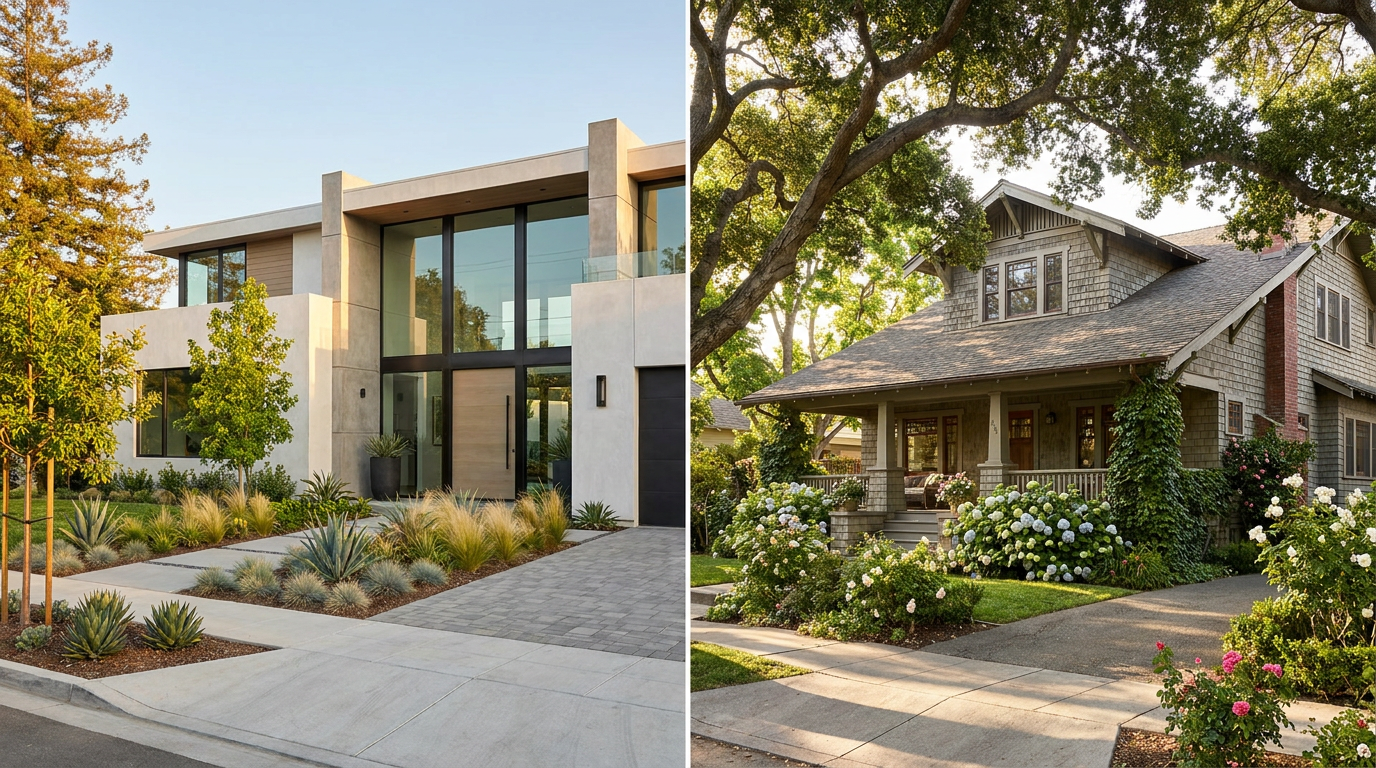
- New Build Enthusiasts
- Prioritize modern features, warranties, and builder financing incentives.
- Existing Home Traditionalists
- Value mature neighborhoods, lower base prices, and immediate move-in readiness.
- Market Analysts
- Focus on price per square foot convergence and inventory data.
What's not represented
- · Custom Home Builders
- · Renters Transitioning to Buyers
- · Eco-conscious Architects
Why this matters
Choosing between a new build and an existing home dictates not just your initial purchase price, but your maintenance budget, daily commute, and lifestyle for the next decade. Understanding the hidden trade-offs of the 2026 market ensures buyers do not drain their savings on unexpected repairs or overpay for builder upgrades.
Key points
- New construction homes carry a 15.1% price premium over existing homes in 2026.
- Despite the higher overall price, the cost per square foot is nearly identical between the two options.
- Builders are offering aggressive incentives, including mortgage rate buydowns, to attract buyers.
- Existing homes offer established neighborhoods and shorter commutes but may require immediate maintenance.
- New builds provide modern energy efficiency and warranties but often involve construction delays and smaller lots.
In the 2026 real estate market, prospective buyers face a distinct fork in the road: purchasing a brand-new construction or opting for an existing, previously owned home. With inventory dynamics shifting and mortgage rates remaining a central concern, the decision is no longer just about fresh paint versus historic charm. It is a complex financial calculation involving builder incentives, maintenance timelines, and neighborhood maturity. As the gap between new and existing home prices fluctuates, buyers must weigh the immediate gratification of an established property against the customizable, warranty-backed appeal of a new build.[1][2]
The statistical landscape of 2026 reveals a nuanced pricing environment. According to recent market data, the median listing price for a new-construction home sits at approximately $449,373, while existing homes have seen a slight dip to a median of $390,550. This creates a national new-construction premium of roughly 15.1 percent. However, looking solely at the sticker price obscures a critical detail: the price per square foot. When broken down by size, the costs are nearly identical, with new homes commanding $217 per square foot compared to $216 for existing homes. Buyers of new construction are often paying more simply because they are purchasing larger footprints.[1][3]
The argument for new construction centers heavily on financial predictability and modern efficiency. Proponents point to the immediate relief of builder warranties, which typically cover structural defects and major systems for the first year or more. Everything from the HVAC unit to the roof and appliances is brand new, drastically reducing the likelihood of a catastrophic repair bill in the early years of homeownership. Furthermore, these homes are built to current energy codes, featuring better insulation, low-E windows, and high-efficiency heating and cooling systems that translate directly into lower monthly utility bills.[2][4]

The evidence supporting new builds also highlights aggressive builder incentives. To move inventory and satisfy corporate quotas, many national builders in 2026 are offering substantial financial perks that individual sellers simply cannot match. These include permanent or temporary mortgage rate buydowns—sometimes dropping the first-year interest rate significantly below market averages—along with closing cost assistance and free design upgrades. For buyers stretching their monthly budget, a builder-subsidized mortgage rate can make a $450,000 new home cheaper on a monthly basis than a $400,000 existing home financed at standard market rates.[5][6]
The argument against new construction focuses on hidden costs and developmental growing pains. The advertised base price of a new home rarely reflects the final cost once buyers visit the design center. Upgrading from basic carpet to hardwood, adding premium countertops, or selecting better fixtures can quickly inflate the purchase price by tens of thousands of dollars. Additionally, new communities often lack mature landscaping. Buyers may find themselves living in an active construction zone for years, waiting for saplings to provide shade and for community amenities like pools and clubhouses to be completed.[4][5]
The argument for existing homes is rooted in established infrastructure and immediate availability. Traditionalists favor these properties because what you see is what you get. The neighborhoods are fully developed, featuring mature trees, established school zones, and a clear sense of community character. Existing homes are often located closer to urban centers, whereas new developments are frequently pushed to the suburban fringes where land is cheaper. For buyers who value a short commute and a walkable neighborhood with local shops, existing homes are often the only viable option.[3][6]
The argument for existing homes is rooted in established infrastructure and immediate availability.
The evidence supporting existing homes also points to a lower barrier to entry. With a median price nearly $60,000 lower than new builds, existing homes remain the primary gateway for first-time buyers. Furthermore, as the market balances in 2026, sellers of existing homes are increasingly willing to negotiate. While they may not offer corporate rate buydowns, motivated sellers are frequently agreeing to price reductions, covering closing costs, or offering allowances for minor repairs, giving buyers valuable leverage during the inspection phase.[1][2]

The argument against existing homes revolves around deferred maintenance and the risk of the unknown. Older homes come with older systems. A buyer might secure a lower purchase price, only to face a $10,000 HVAC replacement or a $15,000 roof repair within the first two years. Older properties also lack the open-concept layouts and smart-home technology that modern buyers crave, meaning any desire for modernization requires a separate, often hefty, renovation budget. These homes are also less energy-efficient, leading to higher ongoing utility costs.[3][4]
The timeline trade-off is another critical factor in this comparison. Existing homes offer a predictable, relatively swift path to the closing table, typically taking 30 to 60 days from contract to keys. This makes them ideal for buyers relocating for work or those with a strict lease expiration. Conversely, purchasing a new build—especially one not yet completed—requires immense patience. Weather delays, supply chain bottlenecks, and labor shortages can push move-in dates back by months, forcing buyers to secure temporary housing or extend their current living arrangements.[2][5]
Ultimately, the decision requires aligning the property type with the buyer's specific lifestyle and financial profile. New construction fits well when buyers have flexible move-in timelines, prioritize energy efficiency, and want the peace of mind that comes with predictable maintenance costs for the first decade. It is also highly advantageous for those who can leverage builder incentives to secure a below-market mortgage rate, effectively financing their modern upgrades into a 30-year fixed payment.[2][4]
Conversely, new construction does not fit well when buyers need to relocate immediately, desire a highly unique architectural style, or want to live in the heart of a bustling, historic city center. The sometimes sterile feeling of a brand-new subdivision, combined with the potential for a longer commute from the suburban outskirts, can quickly sour the appeal of a pristine, untouched living space for those who thrive on urban energy and established community culture. Furthermore, buyers who bristle at strict Homeowners Association rules may find the heavily regulated environment of a new development stifling.[3][6]

Existing homes fit well when buyers value walkable, mature neighborhoods, shorter commutes, and a lower absolute purchase price. They are the perfect match for those who appreciate architectural character, from crown molding to original hardwood floors, and who want the certainty of a 30-day closing process. For buyers willing to take on minor do-it-yourself projects, an older home provides a blank canvas to build sweat equity over time, transforming a dated property into a personalized sanctuary without paying a builder's premium.[3][5]
However, existing homes do not fit well when buyers have depleted their savings entirely on the down payment and closing costs. If a buyer cannot afford a sudden, major repair shortly after moving in, the financial risk of an older home is substantial. They are also a poor choice for those who demand pristine, untouched spaces and are unwilling to compromise on modern, open-concept floor plans without undertaking massive, disruptive structural renovations that can take months to complete.[4][6]
Viewpoints in depth
New Build Enthusiasts
Buyers and builders focused on modern amenities, energy efficiency, and warranty protections.
This camp argues that the premium paid for new construction is offset by the lack of immediate maintenance and the inclusion of modern energy standards. They emphasize that builder incentives, such as rate buydowns, make the monthly carrying costs highly competitive. For these buyers, the peace of mind provided by a builder's warranty and brand-new structural components far outweighs the charm of an older property.
Existing Home Traditionalists
Advocates for established neighborhoods, architectural character, and lower upfront purchase prices.
Traditionalists maintain that existing homes offer superior value through established infrastructure. They point out that older homes are typically located in more central, walkable neighborhoods with mature landscaping that takes decades to replicate. This camp also argues that the lower median price of existing homes provides a more accessible entry point for first-time buyers, allowing them to build equity and update the property at their own pace.
Market Analysts
Real estate economists focused on price per square foot, inventory trends, and long-term value.
Analysts look past the sticker price to evaluate the underlying metrics, noting that the price per square foot between new and existing homes has nearly converged in 2026. They highlight that while new homes offer builder concessions, existing homes are seeing increased seller negotiations due to rising inventory. From an investment standpoint, they advise buyers to weigh the immediate depreciation of a 'new' premium against the long-term appreciation of a prime, established location.
What we don't know
- Whether builder incentives and rate buydowns will persist if the Federal Reserve significantly cuts interest rates later in the year.
- How the long-term appreciation of new suburban developments will compare to established urban neighborhoods over the next decade.
Key terms
- Rate Buydown
- A financing incentive where a builder or seller pays an upfront fee to lower the buyer's mortgage interest rate for the first few years or the life of the loan.
- Production Home
- A home built in a large subdivision using a limited number of floor plans, offering buyers some customization options within a set framework.
- Price Per Square Foot
- A metric used to compare the value of homes by dividing the total purchase price by the home's total livable square footage.
- Builder Warranty
- A guarantee provided by the builder covering structural defects and major home systems for a specified period after purchase.
- Concessions
- Financial incentives offered by a seller to a buyer, such as covering closing costs or providing an allowance for necessary repairs.
Frequently asked
Are new construction homes cheaper per square foot?
While new homes have a higher overall median price, their price per square foot ($217) is nearly identical to existing homes ($216), meaning buyers are often paying more for a larger home.
Do builders negotiate on price in the 2026 market?
Yes. To move inventory, many builders are actively managing prices and offering significant incentives, including mortgage rate buydowns, closing cost assistance, and free design upgrades.
What are the hidden costs of buying an existing home?
Existing homes often require immediate maintenance or system replacements. Buyers may face unexpected costs for aging roofs, outdated HVAC systems, or inefficient windows shortly after closing.
How long does it take to close on a new build?
If the home is already completed, closing can take 30 to 45 days. However, building from scratch or buying during the construction phase can take several months and is subject to weather and supply chain delays.
Sources
Source coverage
6 outlets
3 viewpoints surfaced






[1]Realtor.comMarket Analysts
New-Construction Insights: Urban New Builds Are Scarce and Expensive
Read on Realtor.com →[2]ZillowNew Build Enthusiasts
New Construction vs Existing Homes: The Pros and Cons of Both
Read on Zillow →[3]Homes.comExisting Home Traditionalists
Old house vs. new house: Is it better to buy new construction?
Read on Homes.com →[4]Chase Home LendingNew Build Enthusiasts
Buying a New Build vs. Existing Home: Pros & Cons
Read on Chase Home Lending →[5]Matt Curtis Real EstateNew Build Enthusiasts
New Construction vs. Existing Homes: Pros and Cons for Homebuyers
Read on Matt Curtis Real Estate →[6]Emily Dieckmann Real EstateExisting Home Traditionalists
Should I Buy a New Build or an Existing Home?
Read on Emily Dieckmann Real Estate →
Every angle. Every day.
Get real estate stories with full source coverage and perspective breakdowns delivered to your inbox.