
U.S. and Iran Signal Imminent Peace Agreement, but Clash Over Timeline and Terms
President Trump announced a deal to end the four-month war and reopen the Strait of Hormuz will be signed Sunday, but Tehran cautioned that final details remain unresolved.
By Factlen Editorial Team
- U.S. Administration
- Seeking a swift end to the war that guarantees the dismantling of Iran's nuclear program and reopens global shipping lanes.
- Iranian Pragmatists
- Willing to negotiate a ceasefire to lift crippling blockades and access frozen funds, while protecting domestic enrichment rights.
- Iranian Hardliners
- Opposed to the deal, arguing that relinquishing control over the Strait of Hormuz surrenders Iran's primary strategic leverage.
- International Mediators
- Pushing urgently for a finalized text to prevent further global economic damage and regional military escalation.
What's not represented
- · Commercial shipping companies affected by the Strait of Hormuz closure
- · Israeli defense officials monitoring the Hezbollah ceasefire provisions
Why this matters
The four-month conflict has choked off nearly a fifth of the world's oil supply through the Strait of Hormuz, driving up global energy costs and risking a broader regional war. A finalized agreement would stabilize global markets and test whether a long-term diplomatic resolution can replace military escalation in the Middle East.
Key points
- The U.S. and Iran are nearing a memorandum of understanding to extend their ceasefire by 60 days.
- President Trump stated the deal will be signed Sunday, but Iranian officials say the timeline is not finalized.
- The agreement would reopen the Strait of Hormuz, restoring a critical artery for global oil supplies.
- The U.S. would lift its naval blockade on Iranian ports and release $24 billion in frozen Iranian assets.
- Deep disagreements remain over the future of Iran's nuclear program, which will be negotiated during the 60-day window.
- The deal reportedly requires a halt to hostilities on all regional fronts, including the Israel-Hezbollah conflict.
The United States and Iran are standing on the precipice of a historic peace agreement to end their devastating four-month war, though the exact timing and final terms remain a subject of intense public dispute. Following weeks of halting negotiations mediated by Pakistan, officials from both nations have signaled that a memorandum of understanding is nearly complete. The proposed framework would transition the fragile April ceasefire into a more durable truce, halting hostilities that have reshaped the Middle East and sent shockwaves through the global economy. However, as the diplomatic finish line approaches, conflicting statements from Washington and Tehran have laid bare the deep mistrust that continues to define the relationship between the two adversaries.[1][3]
The diplomatic whiplash began over the weekend when President Donald Trump announced that a final deal was imminent. In a series of social media posts, Trump declared that the agreement would be signed on Sunday—coinciding with his 80th birthday—and promised that the strategic Strait of Hormuz would be "open to all" immediately afterward. The president framed the impending accord as a total victory for the United States, asserting that it would permanently end Iran's nuclear ambitions. He also issued a stark warning, noting that if Tehran backed out at the last minute, the U.S. retained the "ultimate alternative" to enforce its will militarily.[2][4]
International mediators echoed the White House's optimism, suggesting that the grueling diplomatic marathon was finally drawing to a close. Pakistani Prime Minister Shehbaz Sharif, whose government has served as the primary conduit between Washington and Tehran, stated that the two sides were "closer to a peace deal than ever before." Sharif indicated that an electronic signing of the memorandum was expected within 24 hours, which would immediately be followed by technical-level talks to iron out the logistical complexities of the truce. The urgency from Islamabad reflects growing international desperation to stabilize a conflict that has severely disrupted global trade.[3][6]
Yet, the narrative of an imminent, neatly packaged resolution was quickly contested by Iranian officials. Iranian Foreign Ministry spokesman Esmaeil Baqaei explicitly denied that any signing would take place on Sunday, though he acknowledged that an agreement could be finalized in the "coming days." Baqaei cautioned against the "inconsistency" of the American timeline, signaling that Tehran would not be rushed into a photo opportunity before every detail was secured. The pushback highlights Iran's desire to project strength and ensure that the final text does not appear as a capitulation to American demands.[1][5]

If finalized, the proposed memorandum of understanding would enact a sweeping set of immediate de-escalation measures. At its core, the deal would extend the current, frequently violated ceasefire by an additional 60 days. During this window, the United States would agree to lift its crippling naval blockade on Iranian ports—a measure that has suffocated the Iranian economy since mid-April. In tandem, the agreement reportedly paves the way for the unfreezing of approximately $24 billion in Iranian assets held abroad, providing a vital economic lifeline to a country battered by years of sanctions and months of direct warfare.[2][4]
If finalized, the proposed memorandum of understanding would enact a sweeping set of immediate de-escalation measures.
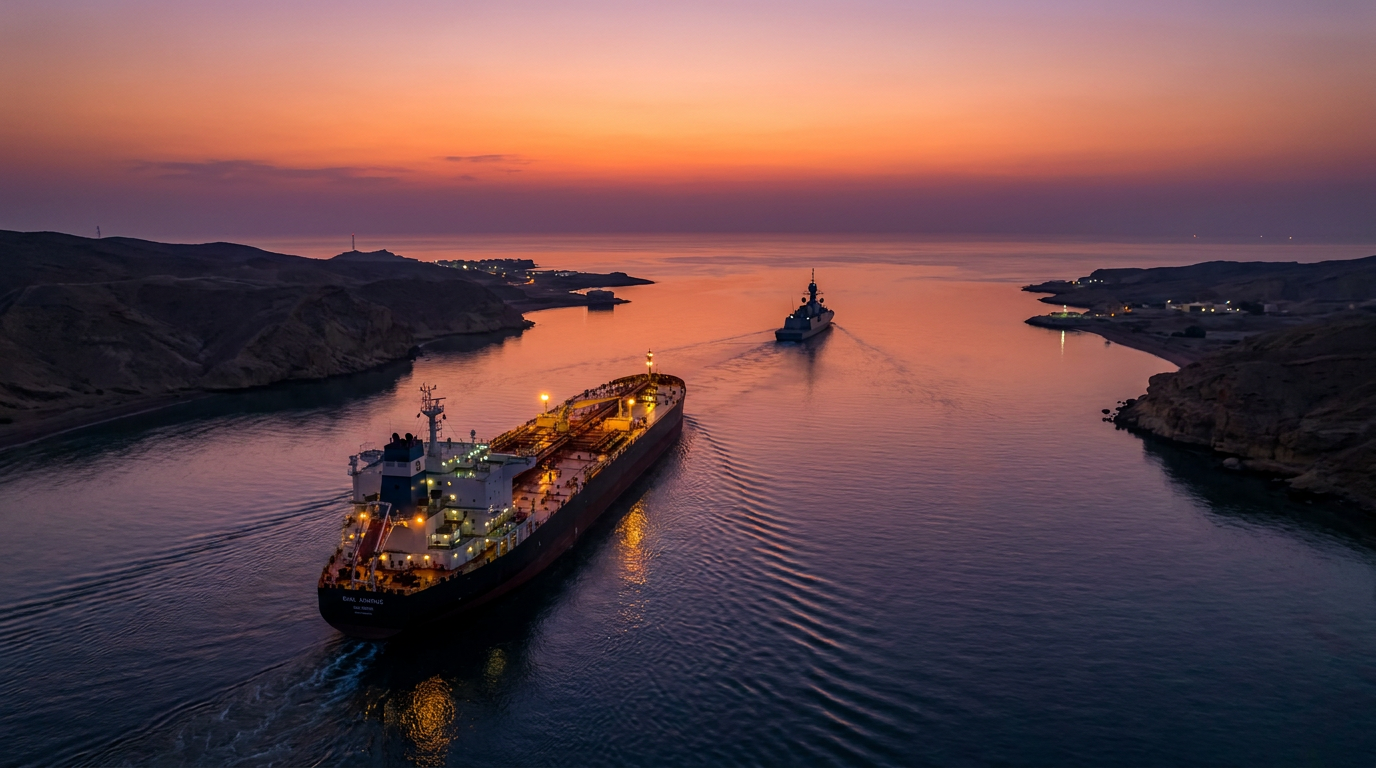
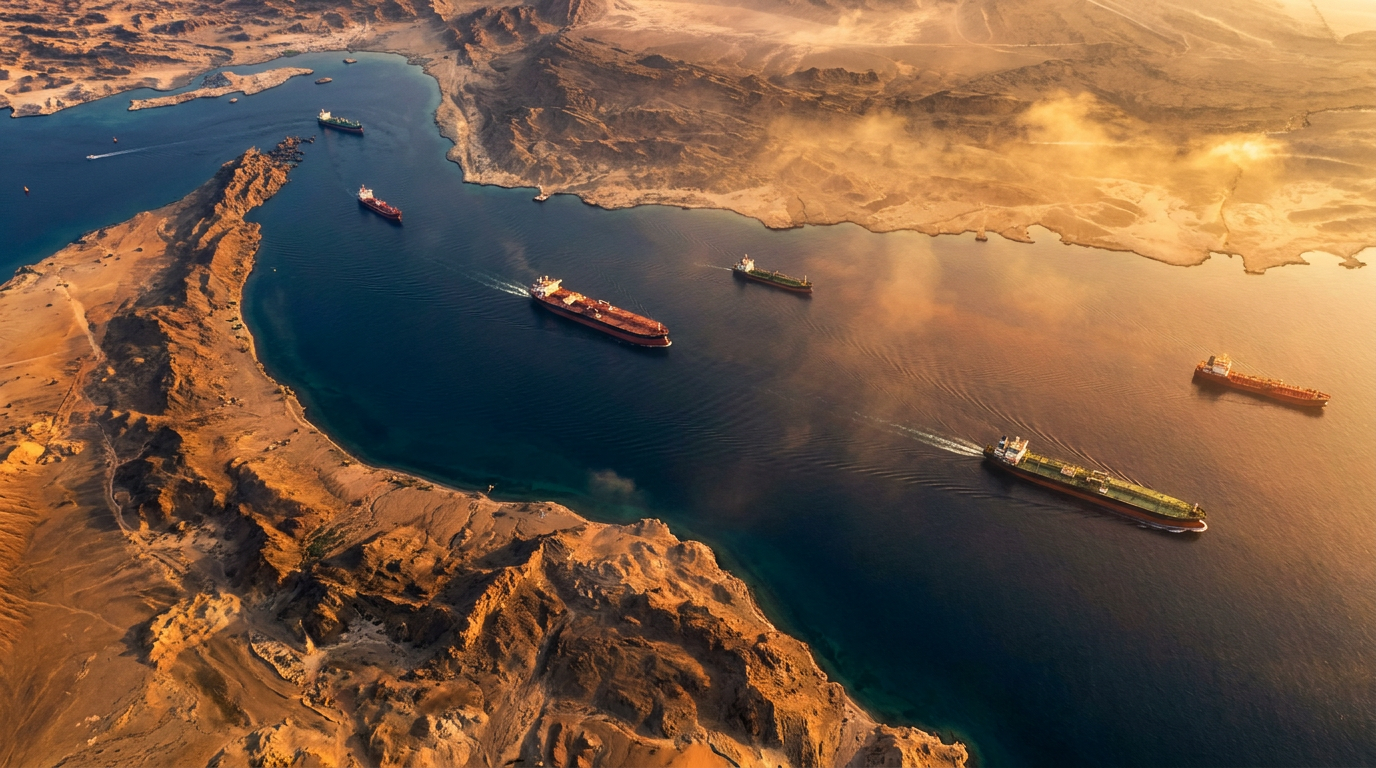
In exchange for economic relief, Iran would be required to immediately reopen the Strait of Hormuz to international shipping. The narrow waterway, which connects the Persian Gulf to the Gulf of Oman, is arguably the world's most critical energy chokepoint, handling nearly a fifth of the global oil and natural gas supply. Iran's closure of the strait at the onset of the war triggered a spiraling global energy crisis, forcing shipping companies to reroute vessels and causing severe price spikes. Reopening the corridor is the primary objective for the U.S. and its international allies, who view the restoration of maritime commerce as a non-negotiable condition for long-term peace.[6][7]
The most volatile component of the emerging deal remains the future of Iran's nuclear program. President Trump has publicly claimed that the agreement will result in the complete dismantling of Tehran's nuclear infrastructure, boasting that U.S. forces would "go in and get the Nuclear Dust" to destroy it once the situation calmed down. American officials have indicated that the 60-day ceasefire window would be used to negotiate the exact mechanisms for removing highly enriched uranium from Iranian territory, effectively neutralizing the country's breakout capacity.[2][4]
Tehran, however, has painted a vastly different picture of the nuclear concessions. Iranian state media and government officials insist that the country's fundamental "right" to uranium enrichment remains intact and will be fiercely defended during the upcoming technical talks. Iranian Foreign Minister Abbas Araghchi has emphasized that the current memorandum is merely a framework for future negotiations, not a final surrender of the nation's nuclear assets. This stark divergence in public messaging suggests that the nuclear issue could easily derail the fragile truce once the 60-day extension expires.[4][5]

The push for peace has ignited a fierce domestic backlash within Iran, exposing deep rifts between the pragmatic diplomatic corps and hardline conservative factions. Over the weekend, dozens of protesters gathered outside a Foreign Ministry office in the northeastern city of Mashhad, chanting slogans against Foreign Minister Araghchi and accusing him of treason. Hardliners, including elements of the Islamic Revolutionary Guard Corps (IRGC), argue that relinquishing control over the Strait of Hormuz strips Iran of its only meaningful strategic leverage against the United States and Israel. They view the proposed concessions as a betrayal of the war effort.[5]
Beyond the bilateral U.S.-Iran dynamic, the agreement carries profound implications for the broader Middle East. Sources familiar with the draft text indicate that the deal requires a cessation of hostilities on all regional fronts. Crucially, this would include halting the ongoing conflict between Israel and Hezbollah in Lebanon, effectively forcing Iran to rein in its most powerful proxy force. The inclusion of regional proxies in the ceasefire framework underscores the interconnected nature of the war, though it remains unclear how strictly Tehran can—or will—enforce compliance among its allied militant groups.[2][6]

As the world waits for the final signatures, the U.S.-Iran memorandum of understanding represents a critical pivot point in modern geopolitical history. If successful, it will transition a devastating military confrontation into a high-stakes diplomatic process, offering a tenuous off-ramp from a war that has already claimed the life of Iran's former Supreme Leader and destabilized the global economy. However, with fundamental disagreements over nuclear enrichment and domestic political pressures mounting in both capitals, the 60-day ceasefire may ultimately serve as merely a pause in the conflict rather than a permanent resolution.[3][7]
How we got here
February 2026
The U.S. and Israel launch military strikes against Iran, sparking a regional war and the closure of the Strait of Hormuz.
April 8, 2026
Pakistan successfully mediates a temporary two-week ceasefire between the U.S. and Iran, which is later extended.
June 11, 2026
Negotiators reach a preliminary framework for a 60-day ceasefire extension and the reopening of global shipping lanes.
June 13, 2026
President Trump announces the deal will be signed immediately, prompting pushback from Iranian officials over the timeline.
Viewpoints in depth
U.S. Administration's view
The agreement is a definitive victory that neutralizes Iran's nuclear threat and restores global commerce.
President Trump and his administration are framing the impending memorandum as a total vindication of their maximum-pressure military strategy. By securing the reopening of the Strait of Hormuz and extracting a commitment to dismantle Iran's nuclear infrastructure, the White House argues it has achieved what decades of diplomacy could not. U.S. officials emphasize that the lifting of the naval blockade is strictly conditional, and they maintain that overwhelming military force—the 'ultimate alternative'—remains on the table if Tehran attempts to stall or violate the terms during the 60-day window.
Iranian Pragmatists' view
A necessary tactical pause to rescue the Iranian economy while preserving the nation's core nuclear rights.
For Iran's diplomatic corps and pragmatic political factions, the ceasefire extension is a vital lifeline for a nation suffocating under a U.S. naval blockade and severe economic sanctions. By agreeing to reopen the Strait of Hormuz, they secure the release of $24 billion in frozen assets and immediate relief for Iranian ports. However, they vehemently reject the U.S. narrative of a nuclear surrender. Pragmatists argue that the memorandum only commits Iran to further negotiations, insisting that domestic uranium enrichment is a sovereign right that will not be negotiated away.
Iranian Hardliners' view
The proposed concessions are a dangerous capitulation that strips Iran of its primary strategic deterrent.
Conservative factions, including elements of the Islamic Revolutionary Guard Corps (IRGC), view the emerging deal with deep suspicion and outright hostility. They argue that the Strait of Hormuz is Iran's most powerful geopolitical weapon, and reopening it without a permanent, ironclad guarantee of U.S. withdrawal surrenders their only leverage. Hardliners accuse the pragmatic negotiators of making unacceptable concessions under pressure, warning that giving up nuclear material or reining in regional proxies like Hezbollah will only invite future attacks from the U.S. and Israel.
What we don't know
- Whether Iran will actually agree to dismantle its nuclear material or merely pause enrichment.
- The exact timeline for the lifting of the U.S. naval blockade and the release of Iran's frozen assets.
- How Iranian hardliners and the IRGC will react if the pragmatic faction signs the agreement.
Key terms
- Strait of Hormuz
- A narrow waterway between the Persian Gulf and the Gulf of Oman that serves as the world's most critical chokepoint for oil shipments.
- Memorandum of Understanding (MOU)
- A formal agreement between two or more parties that establishes a framework for future negotiations, though it is often not legally binding.
- Uranium Enrichment
- The process of increasing the concentration of the U-235 isotope in uranium, which can be used for civilian nuclear power or, at higher levels, nuclear weapons.
- Naval Blockade
- A military operation in which ships are used to cut off a country's ports, preventing the import and export of goods.
Frequently asked
What does the proposed U.S.-Iran agreement do?
It extends the current ceasefire by 60 days, reopens the Strait of Hormuz, lifts the U.S. naval blockade on Iran, and sets a framework for negotiating Iran's nuclear program.
Why is the Strait of Hormuz so important?
It is a vital shipping lane through which nearly 20% of the world's oil and natural gas supply passes. Its closure during the war caused a severe global energy crisis.
Has the peace deal been officially signed?
Not yet. While President Trump and Pakistani mediators suggested an imminent signing, Iranian officials stated that final details are still being negotiated.
What happens to Iran's nuclear program?
The U.S. claims the deal will dismantle Iran's nuclear infrastructure, but Tehran insists its right to uranium enrichment remains intact, setting up difficult future negotiations.
Sources
Source coverage
7 outlets
4 viewpoints surfaced







[1]NYTU.S. Administration
Iran War Live Updates: U.S. and Tehran Send Mixed Signals on Emerging Peace Agreement
Read on NYT →[2]The GuardianIranian Pragmatists
Trump says Iran peace deal could be signed by Sunday, with strait of Hormuz to open shortly after
Read on The Guardian →[3]Washington PostU.S. Administration
U.S., Iran expected to finalize deal extending ceasefire, leaders say
Read on Washington Post →[4]CBS NewsU.S. Administration
Settlement Trump claims has been agreed reportedly extends ceasefire for 60 days and reopens Strait of Hormuz
Read on CBS News →[5]The HinduIranian Pragmatists
Trump says peace deal with Iran ready for signing; Tehran says not tomorrow
Read on The Hindu →[6]Council on Foreign RelationsInternational Mediators
U.S. and Iran Near Agreement to End War and Reopen Strait of Hormuz
Read on Council on Foreign Relations →[7]WikipediaInternational Mediators
2026 Iran war ceasefire
Read on Wikipedia →
More in news politics
See all 5 stories →Strait of Hormuz
U.S. and Iran Near Peace Deal to Reopen Strait of Hormuz, Though Timelines Clash
0 sources
Maritime Security
UK Forces Intercept Russian Shadow Fleet Tanker in the English Channel
0 sources
US-Iran Relations
US and Iran Near Historic Peace Deal to End War and Reopen Strait of Hormuz
0 sources
Every angle. Every day.
Get news politics stories with full source coverage and perspective breakdowns delivered to your inbox.