
US and Iran Near Historic Peace Deal to End War, but Disagree on Signing Timeline
President Trump and mediator Pakistan say an agreement to end the months-long US-Iran war could be signed as early as Sunday, reopening the Strait of Hormuz. Iranian officials, however, caution that finalizing the pact will take more time, even as both sides signal unprecedented progress.
By Factlen Editorial Team
- US Administration
- Frames the deal as a definitive victory that neutralizes Iran's nuclear threat and restores global commerce.
- Iranian Government
- Seeks sanctions relief, the unfreezing of assets, and an end to the US naval blockade while preserving domestic strength.
- Mediators (Pakistan)
- Emphasizes diplomatic progress, regional stability, and the successful brokering of a historic ceasefire.
- Iranian Hardliners
- Opposes the deal, arguing that relinquishing control of the Strait of Hormuz and making nuclear concessions weakens Iran's deterrence.
What's not represented
- · Global shipping companies
- · Israeli government officials
Why this matters
A finalized peace agreement would halt a devastating four-month conflict that has paralyzed global shipping and spiked energy prices. Reopening the Strait of Hormuz would immediately relieve pressure on the global economy, while the ensuing 60-day negotiation window will determine the ultimate fate of Iran's nuclear program.
Key points
- President Trump says a US-Iran peace deal is scheduled to be signed Sunday.
- Iranian officials state the signing will not happen Sunday, but could occur in the coming days.
- The agreement would reopen the Strait of Hormuz and lift the US naval blockade on Iranian ports.
- A 60-day ceasefire extension will allow for technical negotiations regarding Iran's nuclear program.
- Pakistan has served as the primary mediator, announcing that a final text has been agreed upon.
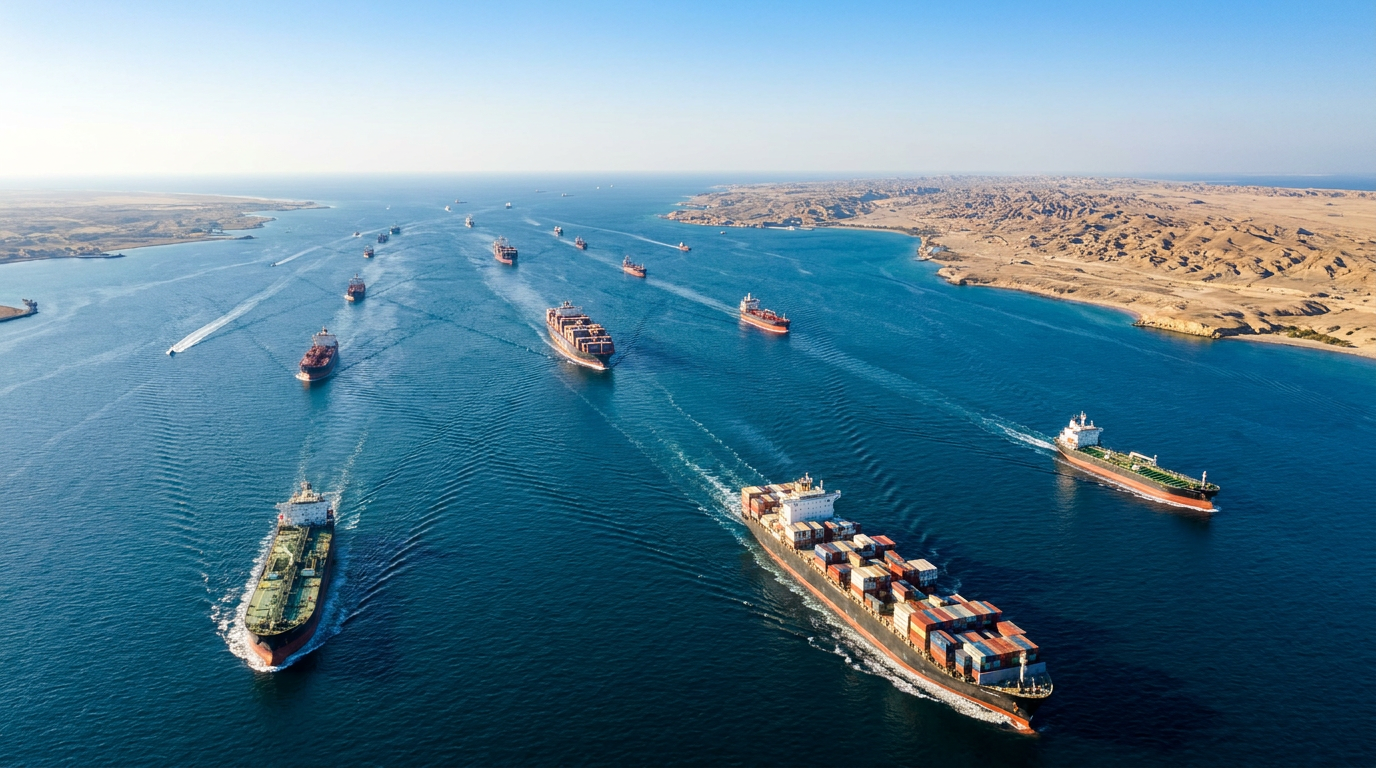
The United States and Iran appear to be on the precipice of a historic peace agreement to end their months-long war, with mediator Pakistan and US President Donald Trump declaring that a deal could be signed as early as Sunday. The diplomatic breakthrough would immediately reopen the Strait of Hormuz and lift the US naval blockade on Iranian ports, halting a conflict that has severely disrupted global energy markets and international shipping since late February.[1][2][4]
Despite the soaring optimism from Washington and Islamabad, Tehran has pumped the brakes on an immediate weekend signing ceremony. Iranian Foreign Ministry spokesperson Esmaeil Baghaei stated Saturday that while a finalized pact is highly likely in the coming days, it will definitively not happen on Sunday. Baghaei emphasized the need for caution and further review of the draft text, noting that the exact timing of the electronic signing remains fluid.[1][8]
President Trump took to Truth Social on Saturday morning to assert that the deal is "scheduled to get signed tomorrow," describing the agreement as a definitive end to Iran's nuclear ambitions. He claimed the pact would serve as an impenetrable wall against nuclear proliferation, stating that the US would eventually remove and destroy Iran's highly enriched uranium stockpile using specialized bomber aircraft once the region stabilizes.[1][2][3]

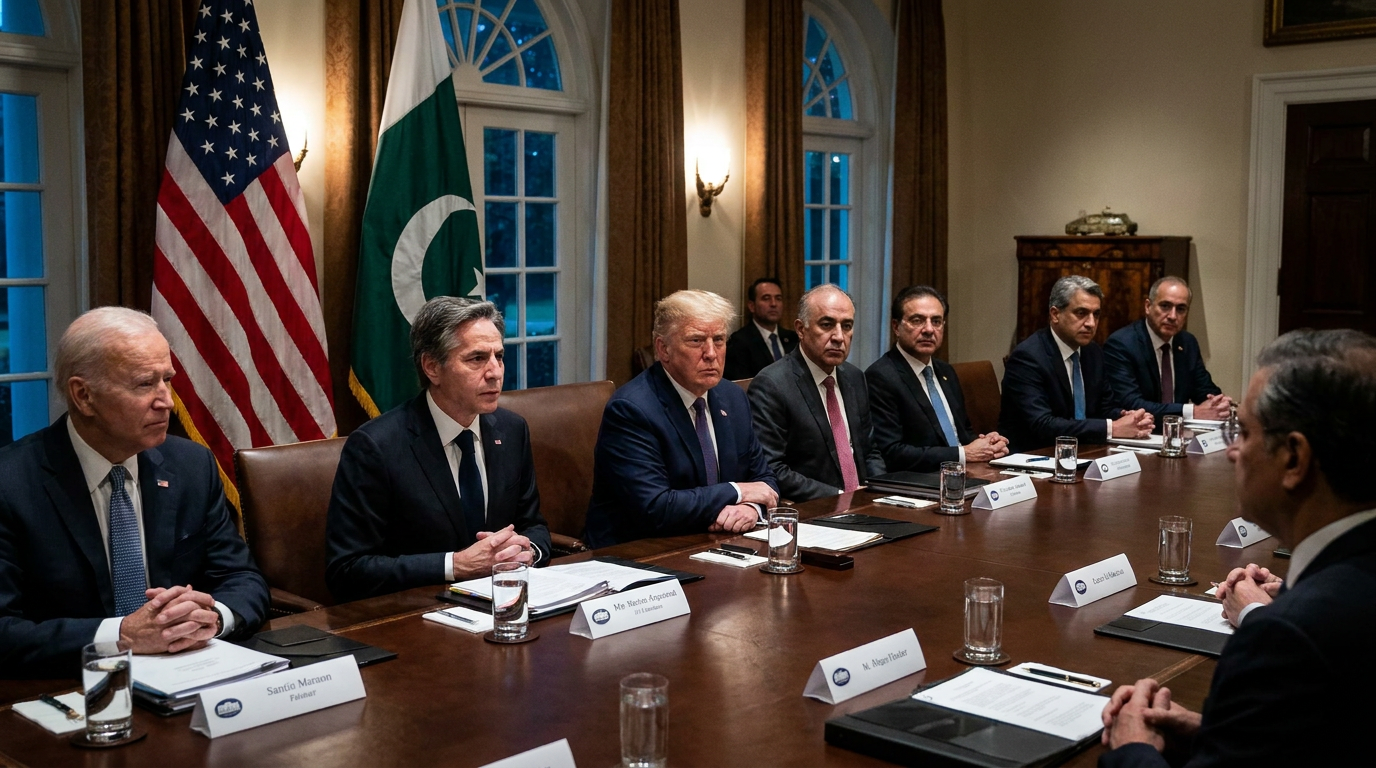
The rapid progress follows intense mediation by Pakistan, which has hosted the highest-level talks between the two nations since diplomatic ties were severed in 1979. Pakistani Prime Minister Shehbaz Sharif announced that a "final, agreed upon text" had been reached, indicating that Islamabad is preparing the technical infrastructure for an electronic signing within 24 hours. This initial memorandum would then be followed by detailed technical-level talks in Geneva next week.[1][7]
The rapid progress follows intense mediation by Pakistan, which has hosted the highest-level talks between the two nations since diplomatic ties were severed in 1979.
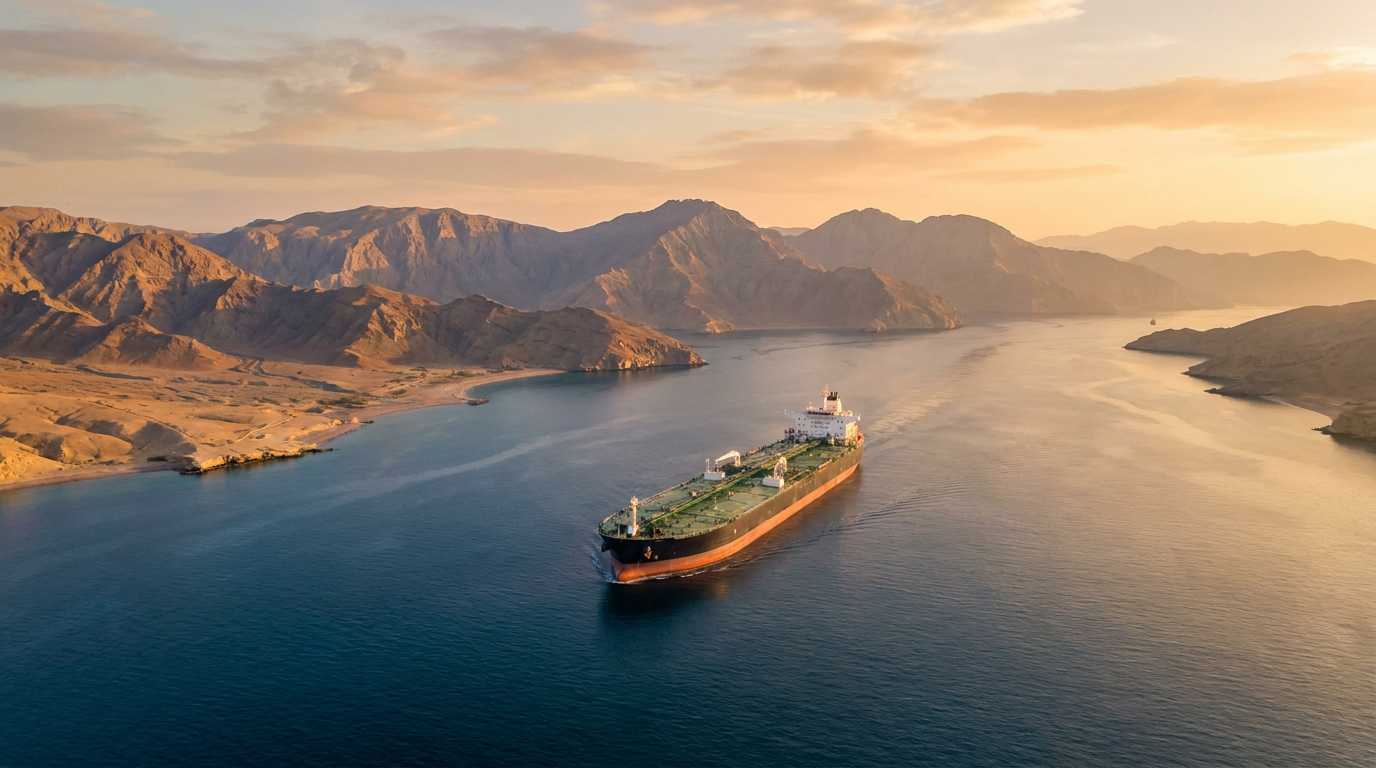
The proposed memorandum of understanding is designed to extend the current fragile ceasefire for an additional 60 days. During this critical window, Iran would reopen the Strait of Hormuz—a vital maritime artery for roughly one-fifth of the world's oil supply—while the US would lift its naval blockade on Iranian ports. The framework also reportedly paves the way for the unfreezing of up to $24 billion in Iranian assets, provided Tehran meets specific compliance benchmarks.[4][5]
The most contentious aspect of the impending technical talks will undoubtedly be the future of Iran's nuclear program. While US officials insist the framework agreement will lead to the complete dismantling of Iran's highly enriched uranium stockpile, Iranian Foreign Minister Abbas Araghchi has indicated that Tehran intends to retain its uranium in a diluted form. This fundamental disconnect sets the stage for grueling negotiations during the 60-day ceasefire extension.[1][4]

The looming deal has already sparked fierce domestic pushback from hardline factions within Iran. Dozens of protesters gathered outside a foreign ministry office in Mashhad on Saturday, chanting slogans against Araghchi and accusing the negotiating team of making unacceptable concessions. Hardliners argue that the agreement deprives Tehran of its primary strategic leverage by relinquishing control over the Strait of Hormuz to international shipping.[2]
Underscoring the extreme fragility of the moment, military skirmishes continued even as diplomats finalized the text. The US military shot down multiple Iranian attack drones heading toward the Strait of Hormuz early Saturday morning. US Central Command stated the drones posed a direct threat to commercial traffic, an incident that President Trump condemned as "totally unacceptable" even as he continued to tout the imminent peace deal.[2][5]
If the electronic signing proceeds in the coming days, it will mark a monumental diplomatic achievement, shifting the conflict entirely from military strikes to the negotiating table. However, the ultimate success of the pact hinges on the forthcoming 60-day window, where both sides must resolve deeply entrenched red lines regarding nuclear enrichment, regional proxy forces, and long-term security guarantees in the Middle East.[4][6]
How we got here
Feb 28, 2026
The war begins with joint US-Israeli strikes on Iran.
April 8, 2026
A fragile ceasefire is brokered by Pakistan, halting major hostilities.
June 12, 2026
Pakistani mediators announce that a 'final, agreed upon text' for a peace deal has been reached.
June 13, 2026
President Trump announces the deal will be signed Sunday, though Iran cautions that more time is needed.
Viewpoints in depth
US Administration's View
The White House views the agreement as a total victory that eliminates Iran's nuclear threat.
President Trump and his administration are framing the impending memorandum as a definitive win that achieves their primary war aims. By securing a commitment to address Iran's enriched uranium and immediately reopening the Strait of Hormuz, the administration argues it has neutralized a major global security threat while restoring stability to international energy markets. Officials maintain that the US will enforce strict compliance before any frozen assets are released.
Iranian Negotiators' View
Tehran's diplomats see the deal as a necessary step to lift crippling blockades and unfreeze assets.
Iranian Foreign Minister Abbas Araghchi and his negotiating team argue that Iran has emerged from the conflict in a strong position. For Tehran, the immediate lifting of the US naval blockade and the potential release of up to $24 billion in frozen assets are critical victories. Furthermore, negotiators are pushing back against US claims of total nuclear disarmament, insisting that Iran will retain its uranium in a diluted form, preserving its domestic scientific capabilities.
Iranian Hardliners' View
Conservative factions in Iran believe the deal surrenders too much strategic leverage to the West.
Hardline political figures and segments of the Islamic Revolutionary Guard Corps strongly oppose the concessions made in the draft text. Protests outside foreign ministry offices highlight their core argument: that relinquishing control over the Strait of Hormuz strips Iran of its most potent asymmetric weapon against the US and its allies. They view the agreement to negotiate the nuclear program as a capitulation that weakens Iran's long-term deterrence.
What we don't know
- The exact date and time the memorandum of understanding will be electronically signed.
- Whether Iran will ultimately agree to destroy its enriched uranium or insist on keeping it diluted.
- How hardline domestic opposition in Iran might affect the enforcement of the ceasefire.
Key terms
- Strait of Hormuz
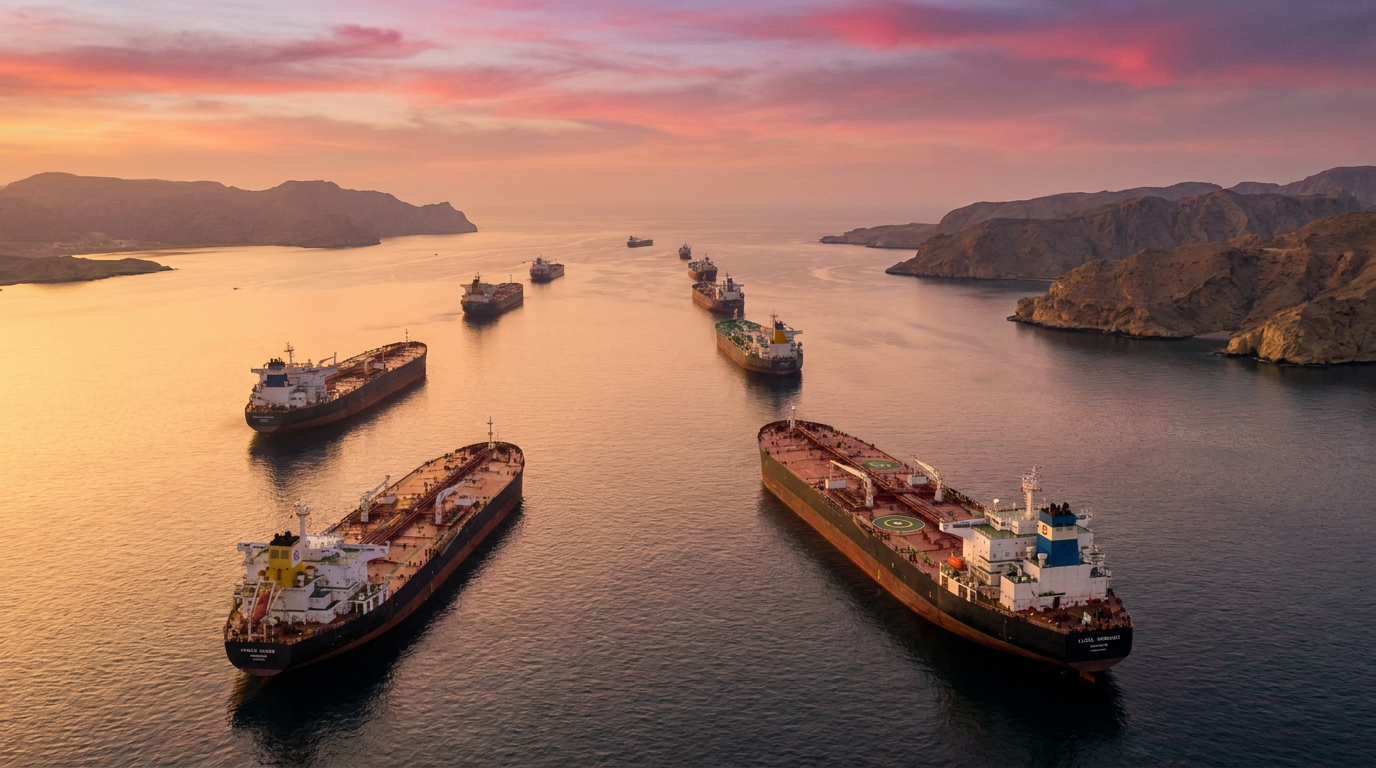
- A crucial maritime choke point between the Persian Gulf and the Gulf of Oman, through which roughly one-fifth of the world's oil supply passes.
- Memorandum of Understanding (MOU)
- A formal agreement outlining the broad terms of the peace deal, which will serve as the foundation for more detailed technical negotiations.
- Enriched Uranium
- Uranium that has been processed to increase the concentration of the U-235 isotope, which can be used for civilian nuclear power or, at higher concentrations, nuclear weapons.
Frequently asked
When did the US-Iran war begin?
The conflict began on February 28, 2026, following joint US-Israeli strikes on Iran, and has lasted for over 100 days.
What does the peace deal actually do?
The initial memorandum extends the current ceasefire for 60 days, reopens the Strait of Hormuz, lifts the US naval blockade on Iran, and sets up technical talks regarding Iran's nuclear program.
Will Iran give up its nuclear program?
The US claims the deal will lead to the destruction of Iran's enriched uranium, but Iranian officials have indicated they want to retain the uranium in a diluted form, making it a key subject for upcoming negotiations.
Why is Pakistan involved?
Pakistan has served as the primary mediator between the US and Iran, hosting high-level talks in Islamabad to broker the ceasefire and the framework for the peace deal.
Sources
Source coverage
8 outlets
4 viewpoints surfaced








[1]NPRMediators (Pakistan)
Trump says deal to end Iran war will be signed Sunday, as Iran disagrees on timing
Read on NPR →[2]CBS NewsUS Administration
Live Updates: U.S.-Iran peace deal to be signed Sunday, Trump says
Read on CBS News →[3]ForbesUS Administration
U.S.-Iran Peace Deal Expected To Be Signed Sunday, Trump Says
Read on Forbes →[4]The Washington PostIranian Hardliners
U.S. and Iran to close deal within a day, Trump says, but Tehran yet to confirm
Read on The Washington Post →[5]The GuardianIranian Hardliners
Trump says Iran peace deal could be signed by Sunday, with strait of Hormuz to open shortly after
Read on The Guardian →[6]Al-MonitorIranian Government
US-Iran deal could be finalised soon, mediator Pakistan says
Read on Al-Monitor →[7]Anadolu AgencyMediators (Pakistan)
US, Iran agree on peace deal's 'final text' to end war: Pakistan
Read on Anadolu Agency →[8]Arab NewsIranian Government
Trump says deal to end war will be signed on Sunday, Iran questions timing
Read on Arab News →
More in news politics
See all 7 stories →Education Policy
Universal Free School Meals: Fact-Checking the Impact of a Growing State Trend
0 sources

Workplace Policy
Fact-Checking the Four-Day Workweek: What the 2026 Evidence Actually Shows
0 sources

Iran Conflict
U.S. and Iran Signal Imminent Peace Deal to End Conflict, but Timelines Clash
0 sources
US-Iran Peace Talks
U.S. and Iran Near 60-Day Peace Framework to End 100-Day War
0 sources
Every angle. Every day.
Get news politics stories with full source coverage and perspective breakdowns delivered to your inbox.