
U.S. and Iran Weigh 60-Day Ceasefire to Reopen Strait of Hormuz as Trump Claims Deal is Imminent
President Trump announced the cancellation of military strikes against Iran, citing an emerging memorandum of understanding that would reopen the Strait of Hormuz. However, officials in Tehran caution that no final decision has been reached on the agreement.
By Factlen Editorial Team
- US Administration
- Argues that maximum pressure has forced Iran to the table and that the proposed deal will permanently prevent a nuclear-armed Iran while reopening global trade routes.
- Iranian Leadership
- Maintains that no final decision has been made, insisting that any agreement must guarantee the complete lifting of economic sanctions and the unfreezing of assets without compromising national sovereignty.
- Regional Security Hawks
- Expresses deep skepticism about the durability of the deal, demanding that any final treaty dismantle Iran's enrichment capabilities and halt its funding of proxy militias across the Middle East.
- Global Energy Markets
- Views the potential ceasefire primarily through an economic lens, desperate for the reopening of the Strait of Hormuz to stabilize oil prices and restore international shipping lanes.
What's not represented
- · Commercial shipping companies whose fleets are stranded or threatened in the Persian Gulf.
- · European nations heavily reliant on Middle Eastern energy imports.
- · Iranian civilians bearing the brunt of international economic sanctions.
Why this matters
The reopening of the Strait of Hormuz would immediately stabilize global energy markets, lowering oil prices and easing inflation. Furthermore, a finalized ceasefire would pull the Middle East back from the brink of a devastating multi-front war that has already killed thousands.
Key points
- President Trump canceled planned military strikes against Iran, announcing a potential peace settlement.
- The proposed memorandum includes a 60-day ceasefire and the reopening of the Strait of Hormuz.
- Formal negotiations would address Iran's nuclear program, sanctions relief, and frozen assets.
- Iranian officials maintain that no final decision has been made and internal reviews are ongoing.
- The U.S. naval blockade of Iranian ports will remain in effect until the deal is officially signed.
- Global oil prices dropped sharply in response to the potential diplomatic breakthrough.
President Donald Trump has abruptly canceled a planned wave of military strikes against Iran, announcing instead that a "great settlement" has been reached to end the three-month-old war and reopen the Strait of Hormuz. The sudden diplomatic pivot, announced Thursday from the Oval Office, could see a memorandum of understanding signed in Europe as early as this weekend. If finalized, the agreement would halt a brutal conflict that has killed thousands, destabilized the Middle East, and severely disrupted global energy markets. Trump claimed that the "final points and concepts" of the deal had been approved by all involved parties, including Iranian Supreme Leader Mojtaba Khamenei, marking a potential end to one of the most dangerous geopolitical crises of his presidency.[1][2]
The core of the proposed agreement centers on a 60-day ceasefire extension. During this critical window, the Strait of Hormuz—a vital maritime chokepoint that handles roughly a fifth of the world's oil supply—would be demined and reopened to international shipping without tolls. In exchange, the United States and Iran would launch formal, high-stakes negotiations addressing Tehran's nuclear program, the lifting of international sanctions, and the unfreezing of billions of dollars in Iranian assets held abroad. The memorandum of understanding is designed as a stepping stone, providing a cooling-off period while diplomats attempt to hammer out a permanent treaty that addresses both nations' core security concerns.[1][3]
Speaking to reporters at the White House, Trump framed the emerging deal as a definitive victory that would permanently prevent Iran from acquiring a nuclear weapon. "We just made a great settlement of the war with Iran," Trump declared, adding that the documents are in "pretty final shape." He indicated that he would not attend the signing ceremony himself, instead delegating the task to Vice President JD Vance and top negotiators like Steve Witkoff and Jared Kushner. Trump emphasized that the Iranians "want it every bit as much as everybody else wants it," projecting confidence that the months of military and economic pressure had finally forced Tehran to capitulate at the negotiating table.[2][4]

However, officials in Tehran quickly poured cold water on the narrative that an agreement was already secured and ready for signature. Iranian Foreign Ministry spokesperson Esmaeil Baghaei confirmed that while significant progress had been made on the draft text with the help of Qatari mediators, Iran had "not reached a final conclusion" and was still reviewing the terms through its internal decision-making bodies. Baghaei emphasized that the Islamic Republic would not compromise on its established "red lines," particularly regarding the immediate lifting of crippling economic sanctions before any irreversible nuclear concessions are made. Iranian state media echoed this caution, warning the public to dismiss any announcements from Washington until Tehran officially confirms an understanding.[3][5]
However, officials in Tehran quickly poured cold water on the narrative that an agreement was already secured and ready for signature.
The diplomatic whiplash follows a perilous 48-hour period of military escalation that threatened to engulf the broader Middle East. Earlier in the week, the U.S. military launched a wave of Tomahawk cruise missiles and fighter jet strikes against targets in southern Iran, responding to the downing of an American Apache helicopter over the Gulf. Iran retaliated by firing drones and ballistic missiles at U.S. military installations across Kuwait, Bahrain, and Jordan, pushing the region to the brink of an uncontrolled, multi-front war. Trump had publicly vowed to hit Iran "very hard" and threatened to seize Kharg Island, Iran's primary oil export hub, before abruptly reversing course and calling off the bombers just hours before they were scheduled to strike.[2][6][7]
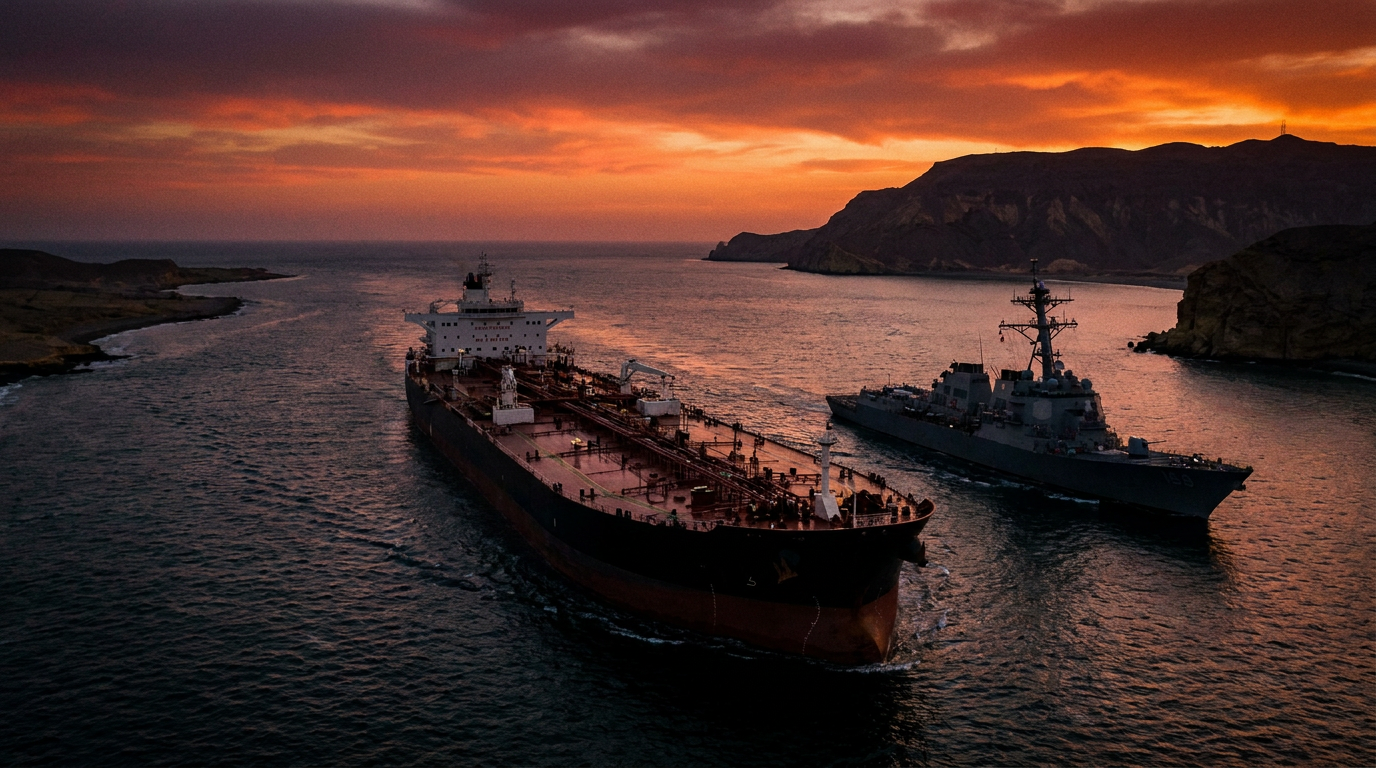
Despite the sudden optimism for a diplomatic truce, the U.S. naval blockade of Iranian ports remains fully active. Trump explicitly stated that the blockade will stay in "full force and effect" until the transaction is officially finalized and signed. The ongoing maritime standoff has effectively paralyzed commercial traffic through the Strait of Hormuz, forcing global oil prices to spike and exacerbating inflationary pressures across Western economies. The U.S. military reported that it had intercepted multiple Iranian one-way attack drones attempting to strike commercial ships transiting the strait early Friday morning, underscoring the extreme volatility that persists in the waterway even as peace talks advance.[2][3][6]

Qatari mediators have spent weeks shuttling between Washington and Tehran in a desperate bid to bridge the remaining gaps. According to diplomats briefed on the talks, recent meetings in Tehran successfully narrowed differences on the sequencing of sanctions relief and the initial steps required to secure the waterway. Yet, sources caution that the deal remains highly fragile, with a significant probability of collapse if domestic hardliners in either country reject the compromises. The proposed memorandum discusses mechanisms for further nuclear talks and the release of frozen assets, but it reportedly lacks concrete, binding agreements on exactly how and when those financial transfers will take place, leaving ample room for future disputes.[1][3]
Regional allies are watching the rapid developments with a mix of economic relief and deep strategic skepticism. Israeli Prime Minister Benjamin Netanyahu, who reportedly spoke with Trump shortly before the announcement, issued a statement clarifying that Israel is not a party to the memorandum. Netanyahu's office stressed that any final treaty must include the complete dismantling of Iran's nuclear enrichment infrastructure, strict limitations on its ballistic missile production, and a definitive cessation of its financial support for proxy militias across the Middle East. While Netanyahu expressed appreciation for Trump's commitment to these goals, Israeli officials were reportedly caught off guard by the sudden announcement of an imminent deal.[2][3][6]

The immediate market reaction to the potential breakthrough was swift and dramatic, reflecting the immense economic stakes of the conflict. U.S. stock indices surged by hundreds of points, and global crude oil benchmarks dropped sharply on the prospect of restored supply lines through the Persian Gulf. If the memorandum of understanding is signed in the coming days, it will shift the immediate crisis from a kinetic military confrontation back to the negotiating table, offering a fragile off-ramp from a devastating regional war. But until the ink is dry, the situation remains highly volatile. The U.S. military remains on high alert in the region, and the world waits to see if the draft agreement can survive the intense political scrutiny in both Washington and Tehran over the crucial weekend ahead.[4][5]
How we got here
Mid-March 2026
Hostilities escalate into a direct military conflict between the U.S. and Iran, severely disrupting global energy markets.
April 2026
A fragile, temporary ceasefire is announced, though sporadic strikes and maritime skirmishes continue.
June 9, 2026
An American Apache helicopter is downed over the Gulf, prompting a new wave of U.S. cruise missile strikes against southern Iran.
June 10, 2026
Iran retaliates by firing ballistic missiles and drones at U.S. military installations in Kuwait, Bahrain, and Jordan.
June 11, 2026
President Trump abruptly cancels planned retaliatory strikes and announces that a peace settlement is imminent.
Viewpoints in depth
US Administration's view
The White House believes its maximum pressure campaign and recent military strikes have successfully forced Tehran to accept a comprehensive settlement.
President Trump and his top advisors frame the emerging memorandum as a total victory for U.S. deterrence. By pushing Iran to the brink of a wider war and threatening its critical oil infrastructure at Kharg Island, the administration argues it has extracted concessions that previous diplomatic efforts failed to secure. They view the 60-day ceasefire as a necessary mechanism to reopen the Strait of Hormuz and stabilize global markets, while maintaining the leverage of the naval blockade to ensure Iran follows through on permanent nuclear restrictions.
Iranian Leadership's view
Tehran remains cautious, insisting that no deal is final until its demands for sanctions relief and asset unfreezing are explicitly guaranteed.
For the Iranian government, the negotiations are a high-stakes effort to relieve crippling economic pressure without appearing to capitulate to American military threats. Officials have deliberately downplayed Trump's announcements, emphasizing that their core 'red lines' remain intact. Hardliners within the regime are deeply suspicious of any phased agreement, fearing that Washington will pocket the reopening of the Strait of Hormuz while endlessly delaying the release of frozen assets and the lifting of international sanctions.
Regional Allies' view
Israel and Gulf states are deeply skeptical of the ceasefire, fearing it may leave Iran's proxy networks and nuclear infrastructure intact.
While regional powers are eager to see an end to the missile strikes and maritime disruptions that have threatened their own security, they are wary of a rushed diplomatic settlement. Israeli officials, in particular, worry that a 60-day pause will simply allow Iran to regroup. They are demanding that any final treaty go far beyond the original nuclear accords by forcing the physical dismantling of enrichment facilities and explicitly tying sanctions relief to the defunding of proxy militias in Lebanon, Syria, and Yemen.
What we don't know
- Whether Iranian hardliners will ultimately approve the compromises required to sign the memorandum.
- The exact timeline for when the billions of dollars in frozen Iranian assets would be released.
- How regional proxy groups in Lebanon and Yemen will respond to a formal ceasefire between Washington and Tehran.
Key terms
- Strait of Hormuz
- A narrow, strategically vital waterway between the Persian Gulf and the Gulf of Oman through which roughly a fifth of the world's oil supply passes.
- Memorandum of Understanding (MOU)
- A formal agreement between two or more parties that outlines the terms and details of an understanding, often serving as the foundation for a legally binding contract.
- Naval Blockade
- A military operation in which ships are used to prevent vessels from entering or leaving a nation's ports, effectively cutting off its maritime trade.
- Sanctions Relief
- The reduction or removal of economic penalties imposed by one or more countries against another, usually in exchange for political or military concessions.
Frequently asked
What is in the proposed US-Iran deal?
The memorandum of understanding includes a 60-day ceasefire extension, the immediate reopening of the Strait of Hormuz to international shipping, and the launch of formal negotiations regarding Iran's nuclear program and sanctions relief.
Has Iran officially agreed to the terms?
Not yet. While President Trump claimed the deal was approved by Iranian leadership, Tehran's Foreign Ministry stated that no final decision has been made and that internal reviews are still ongoing.
Will the US naval blockade be lifted immediately?
No. The U.S. administration has stated that the naval blockade of Iranian ports will remain in full force until the final transaction is officially signed and finalized.
How does this affect global oil prices?
The prospect of reopening the Strait of Hormuz—which handles roughly 20% of the world's oil supply—caused global crude oil benchmarks to drop sharply, offering relief to energy markets.
Sources
Source coverage
7 outlets
4 viewpoints surfaced







[1]AxiosRegional Security Hawks
What's in the Iran deal Trump says he's ready to sign
Read on Axios →[2]CBS NewsUS Administration
Live Updates: Trump says 'settlement' reached on Iran, signing could be as soon as this weekend
Read on CBS News →[3]The GuardianIranian Leadership
Trump claims US and Iran on verge of signing peace agreement, but Tehran says no final decision made
Read on The Guardian →[4]Al ArabiyaGlobal Energy Markets
Trump says US, Iran could sign peace deal as soon as this weekend
Read on Al Arabiya →[5]The Straits TimesIranian Leadership
Iran says no final decision made on deal that Trump hopes could be signed soon
Read on The Straits Times →[6]Al-MonitorRegional Security Hawks
Trump calls off Iran strikes, says deal is close
Read on Al-Monitor →[7]Fox NewsUS Administration
Trump cancels scheduled strikes against Iran, cites progress on potential peace deal
Read on Fox News →

More in news politics
See all 81 stories →Yoon Suk Yeol
Ousted South Korean President Yoon Suk Yeol Sentenced to 30 Years for North Korea Drone Plot
8 sources
Deepfake Defense
Fact Check: Can We Actually Detect Political Deepfakes in 2026?
7 sources

Student Loans
Sweeping Federal Student Loan Overhaul Takes Effect July 1, Ending SAVE Plan and Capping Borrowing
8 sources

Strait of Hormuz
U.S. and Iran Near Ceasefire Agreement to Reopen Strait of Hormuz
7 sources
Every angle. Every day.
Get news politics stories with full source coverage and perspective breakdowns delivered to your inbox.