
Trump Calls Off Strikes on Iran, Touts Imminent Peace Deal as Markets Surge
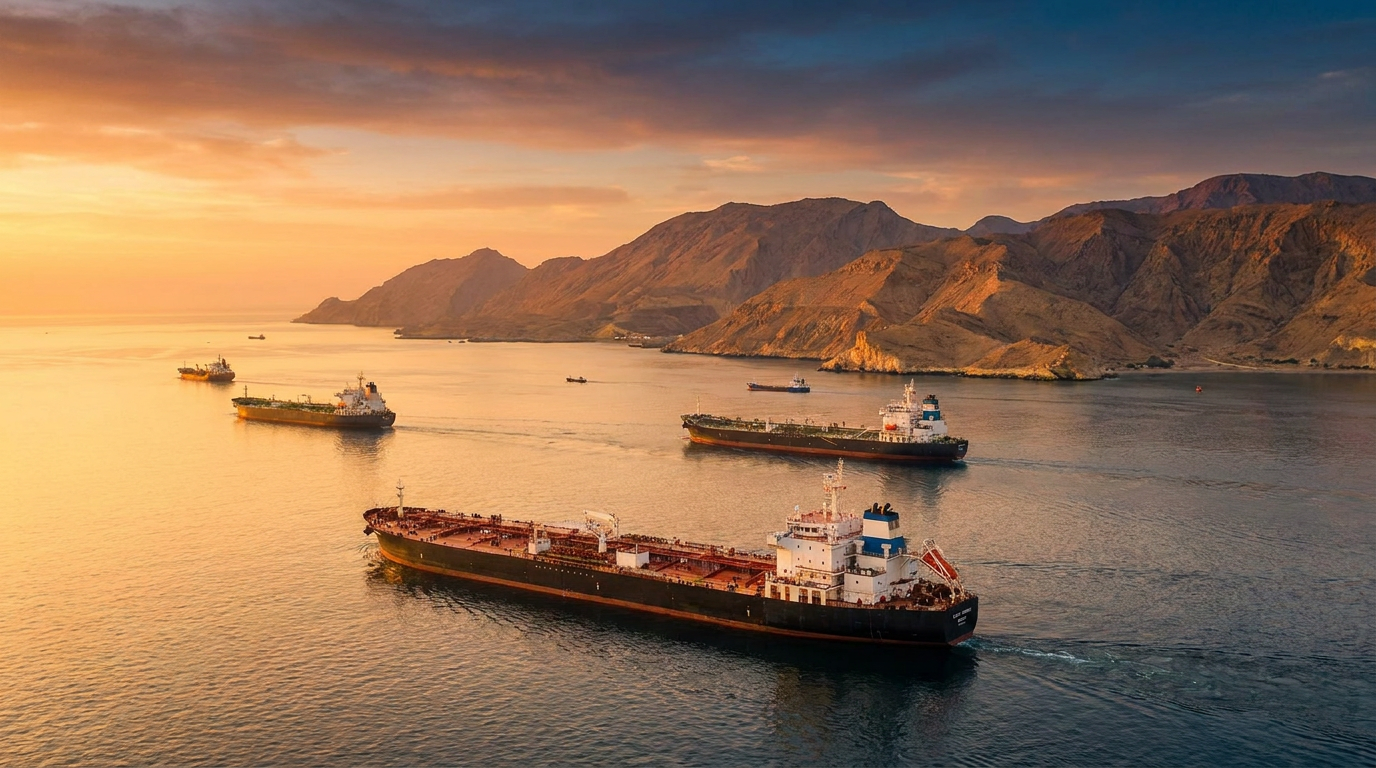
President Trump canceled planned military strikes against Iran on Thursday, announcing that a memorandum of understanding to end the conflict and reopen the Strait of Hormuz is nearing completion. While global markets rallied on the news, Iranian officials cautioned that a final agreement has not yet been approved.
By Factlen Editorial Team
- US Administration
- The deal is a historic victory that neutralizes the nuclear threat and reopens global shipping.
- Iranian Leadership
- Any agreement must include immediate sanctions relief, and the US cannot be trusted.
- Global Markets
- De-escalation is a massive relief for inflation and energy supply chains.
- Regional Allies
- Cautious optimism regarding the ceasefire, though wary of Iran's long-term nuclear ambitions.
What's not represented
- · Commercial shipping companies navigating the Gulf
- · Lebanese civilians affected by the linked ceasefire
- · European energy importers reliant on Hormuz transit
Why this matters
The reopening of the Strait of Hormuz would immediately lower global oil prices and ease inflation pressures that have strained consumers worldwide. Furthermore, a formalized US-Iran ceasefire would pull the Middle East back from the brink of a devastating regional war that threatened to draw in multiple neighboring nations.
Key points
- President Trump canceled planned military strikes against Iran, announcing an imminent Memorandum of Understanding to end the conflict.
- The proposed deal would extend the current ceasefire by 60 days and reopen the Strait of Hormuz to commercial shipping.
- Global stock markets surged and oil prices fell sharply in response to the massive geopolitical de-escalation.
- Iranian officials and state media denied that a final text has been approved, demanding immediate sanctions relief.
- The US naval blockade on Iranian ports remains in effect until the agreement is officially signed.
President Donald Trump abruptly canceled a wave of planned military strikes against Iran on Thursday evening, declaring that a "great settlement" to end the months-long conflict is nearing completion. The announcement marks a sudden de-escalation after days of renewed hostilities that had pushed the Middle East to the brink of full-scale war.[2][4]
Trump stated that a Memorandum of Understanding (MOU) has been brought to the "highest level of Iranian leadership and approved," suggesting a signing ceremony could take place in Europe as early as this weekend. The proposed framework would reportedly extend the current fragile ceasefire for 60 days, reopen the critical Strait of Hormuz to commercial shipping, and initiate formal negotiations regarding Iran's nuclear program.[1][2][6]
The geopolitical pivot triggered an immediate and massive relief rally across global financial markets. The Dow Jones Industrial Average surged nearly 930 points, while the S&P 500 and Nasdaq Composite posted their best single-day performances since April, rising 1.75% and 2.54% respectively.[5]

Energy markets also reacted swiftly to the prospect of unhindered transit through the Persian Gulf. Brent crude, the international oil benchmark, tumbled roughly 3.5% to drop below $90 per barrel. The Strait of Hormuz, which facilitates roughly one-fifth of the world's global energy supplies, has been effectively closed by Iranian forces since the conflict escalated in late February, driving up global inflation and shipping costs.[3][5]
Despite the optimism emanating from the Oval Office, officials in Tehran quickly pumped the brakes on the narrative of a finalized deal. Iran's Foreign Ministry spokesperson Esmaeil Baghaei stated on state television that while mediators remain active, the text is only "mostly finalized" and accused the United States of constantly changing its negotiating positions.[4][6]
Despite the optimism emanating from the Oval Office, officials in Tehran quickly pumped the brakes on the narrative of a finalized deal.
Iranian state-linked media outlets went further, citing sources close to the negotiating team who explicitly denied that any initial MOU text had been approved. A central sticking point remains the sequencing of economic concessions. Tehran is reportedly demanding the immediate unfreezing of billions of dollars in assets held abroad as a precondition for the MOU, while Washington insists that sanctions relief must be tied to verifiable compliance.[7][8]

The sudden diplomatic breakthrough follows a highly volatile 48-hour window. Earlier on Thursday, Trump had threatened to hit Iran "very hard" and suggested the US military might seize total control of Kharg Island, Iran's primary oil export hub. The threats followed a series of tit-for-tat strikes, including an incident where the US military disabled a merchant vessel attempting to breach the American blockade of Iranian ports.[2][6]
According to sources familiar with the negotiations, the draft MOU requires Iran to clear any naval mines from the Strait of Hormuz and allow unrestricted shipping traffic without tolls. In exchange, the United States would lift its naval blockade on Iranian ports, which has severely restricted the Islamic Republic's economic lifelines.[1][8]
The nuclear question remains the most complex hurdle. Trump has publicly insisted that the agreement will ensure Iran "will never have a nuclear weapon," and recent edits to the draft reportedly demand that Iran's stockpile of highly enriched uranium be unearthed and destroyed. Iranian media, however, maintains that Tehran has not agreed to any nuclear concessions during this preliminary 60-day window, viewing the period strictly as a time for negotiations.[6][7]

Regional allies are watching the developments with cautious optimism. Israeli Prime Minister Benjamin Netanyahu's office confirmed that Trump had briefed him on the "emerging memorandum of understanding," though Israel emphasized it is not a party to the agreement. Gulf states, which activated air defense systems earlier in the week amid the crossfire, have heavily backed the Qatari and Pakistani mediation efforts to prevent a broader regional conflagration.[2][5]
For now, the US naval blockade remains in full effect until the transaction is officially finalized. As negotiators race to bridge the final gaps, the global economy hangs in the balance, waiting to see if the weekend will yield a historic diplomatic signing or a return to the brinkmanship that has defined the spring of 2026.[2][4]
How we got here
Feb 28, 2026
The US and Israel launch joint military strikes against Iran, initiating the conflict.
April 8, 2026
A fragile ceasefire takes hold between the warring parties.
Early June 2026
Renewed tit-for-tat strikes and US threats to seize Iranian oil facilities push the region back to the brink of war.
June 11, 2026
President Trump calls off planned US strikes and announces that a peace agreement is imminent.
Viewpoints in depth
US Administration's view
The deal is a historic victory that neutralizes the nuclear threat and reopens global shipping.
President Trump and his administration frame the emerging MOU as a decisive diplomatic win achieved through maximum pressure. By threatening devastating strikes on Iran's oil infrastructure, the administration argues it forced Tehran to the table. US officials emphasize that the deal will permanently block Iran's pathway to a nuclear weapon by destroying its highly enriched uranium, all while securing the immediate reopening of the Strait of Hormuz without front-loading massive financial concessions.
Iranian Leadership's view
Any agreement must include immediate sanctions relief, and the US cannot be trusted.
Tehran views the negotiations through a lens of deep suspicion, frequently accusing the US of altering draft texts at the last minute. Iranian officials and state-linked media insist that no final agreement has been reached and that any MOU must include the immediate unfreezing of billions of dollars in assets held abroad. Furthermore, hardline factions within Iran maintain that they have not agreed to any permanent nuclear concessions during this preliminary 60-day window, viewing it strictly as a period for further talks.
Global Markets' view
De-escalation is a massive relief for inflation and energy supply chains.
Wall Street and global energy markets are treating the potential MOU as a major bullish catalyst. The closure of the Strait of Hormuz had severely disrupted global shipping, driving up Brent crude prices and exacerbating inflation fears. The prospect of unhindered oil transit and a stabilized Middle East prompted a massive relief rally, with the Dow Jones surging over 900 points and tech stocks rebounding sharply as the threat of a broader geopolitical shock receded.
What we don't know
- Whether Iranian Supreme Leader Mojtaba Khamenei will officially authorize the final text of the MOU.
- The exact mechanism and timeline for unfreezing billions of dollars in Iranian assets held abroad.
- How Iran's stockpile of highly enriched uranium will be handled during the 60-day negotiation window.
Key terms
- Strait of Hormuz
- A highly strategic waterway between the Persian Gulf and the Gulf of Oman, through which roughly one-fifth of the world's oil supply passes.
- Memorandum of Understanding (MOU)
- A formal agreement between two or more parties outlining the broad terms of a negotiated settlement before a final, detailed treaty is signed.
- Highly Enriched Uranium (HEU)
- Uranium that has been processed to contain a high concentration of the U-235 isotope, which can be used to construct nuclear weapons.
- Sanctions Relief
- The reduction or removal of economic penalties—such as unfreezing foreign assets or allowing oil sales—granted in exchange for diplomatic or military concessions.
Frequently asked
What is in the proposed US-Iran MOU?
The draft agreement includes a 60-day ceasefire extension, the reopening of the Strait of Hormuz without tolls, the lifting of the US naval blockade, and a framework for nuclear negotiations.
Why did the stock market surge?
Investors reacted to the sudden de-escalation of the conflict and the prospect of the Strait of Hormuz reopening, which would lower oil prices and ease global inflation fears.
Has Iran officially agreed to the deal?
Not officially. While President Trump claims the deal is approved by Iranian leadership, Iran's Foreign Ministry and state media insist that negotiations are still ongoing and no final text has been signed.
What happens to the Strait of Hormuz?
Under the draft agreement, Iran would clear any naval mines and allow unrestricted commercial shipping through the strait, which facilitates about 20% of the world's oil supply.
Sources
Source coverage
8 outlets
4 viewpoints surfaced








[1]AxiosUS Administration
What's in the Iran deal Trump says he's ready to sign
Read on Axios →[2]The Times of IsraelRegional Allies
Trump calls off strikes on Iran, claims agreement could be signed this weekend in Europe
Read on The Times of Israel →[3]Al JazeeraIranian Leadership
Stocks markets surge as Trump calls off strikes on Iran, touts peace deal
Read on Al Jazeera →[4]PBS NewsUS Administration
Trump says he has called off latest threats to strike Iran
Read on PBS News →[5]TheStreetGlobal Markets
Stock Market Today (June 11, 2026): Nasdaq, S&P 500 rise after Trump, Iran signal deal is close
Read on TheStreet →[6]CBS NewsUS Administration
Trump recently edited possible U.S.-Iran agreement, including on enriched uranium and Strait of Hormuz, source says
Read on CBS News →[7]Fars News AgencyIranian Leadership
Draft US-Iran MOU includes temporary energy sanctions relief
Read on Fars News Agency →[8]The Soufan CenterRegional Allies
U.S.-Iran Distrust Holds Up an Agreement
Read on The Soufan Center →

More in news politics
See all 78 stories →Strait of Hormuz
U.S. and Iran Near Ceasefire Agreement to Reopen Strait of Hormuz
7 sources
Yoon Suk Yeol Trials
South Korea's Ex-President Yoon Sentenced to 30 Years for Drone Plot That Preceded Martial Law
6 sources
Homelessness Crisis
Trump Administration Suspends Federal Funding for Los Angeles Homelessness Agency
6 sources
Strait of Hormuz
U.S. and Iran Weigh 60-Day Ceasefire to Reopen Strait of Hormuz as Trump Claims Deal is Imminent
7 sources
Every angle. Every day.
Get news politics stories with full source coverage and perspective breakdowns delivered to your inbox.