
The Ultimate 2026 E-Bike Buying Guide: Motors, Batteries, and Avoiding Costly Mistakes
As electric bikes become mainstream transportation, choosing the right model requires navigating a maze of motor types, battery capacities, and new safety regulations. Here is everything you need to know before making a purchase.
By Factlen Editorial Team
- Commuters & Urban Riders
- Prioritizing reliability, range, and the ability to replace daily car trips.
- Performance & Off-Road Cyclists
- Focusing on high torque, advanced suspension, and natural ride feel.
- Safety & Regulatory Advocates
- Emphasizing battery certifications, speed limits, and infrastructure safety.
- Local Bike Shops
- Focusing on long-term serviceability, warranties, and avoiding cheap direct-to-consumer models.
What's not represented
- · Gig-economy delivery riders who rely on budget-friendly, ultra-long-range e-bikes for their livelihood.
- · Pedestrian advocacy groups concerned about the speed and weight of e-bikes on shared paths.
Why this matters
E-bikes are significant investments that can replace car trips, improve fitness, and save money. However, buying the wrong class, an undersized battery, or an uncertified motor can lead to wasted thousands and potential fire hazards.
Key points
- E-bikes are categorized into three classes that dictate their top speed and whether they feature a throttle, which impacts where they can be legally ridden.
- Mid-drive motors offer superior balance and hill-climbing ability, while hub motors provide a more affordable option for flat city commutes.
- Battery capacity, measured in Watt-hours (Wh), is the true indicator of an e-bike's range, though real-world conditions often reduce advertised estimates by up to 30%.
- Torque sensors provide a smooth, natural riding experience by measuring pedal force, whereas cheaper cadence sensors act as a simple on/off switch.
- Purchasing e-bikes with UL-certified batteries is critical to preventing dangerous lithium-ion fires.
Electric bicycles have evolved from niche novelties into mainstream transportation powerhouses, fundamentally reshaping how people commute, exercise, and explore in 2026. But as the market explodes with options ranging from ultra-budget folding models to premium electric mountain bikes, the purchasing process has become increasingly complex. Buying an e-bike is no longer just about picking a frame size and a color; it requires navigating a maze of motor specifications, battery chemistries, and regional safety regulations. For first-time buyers, the technical jargon can feel overwhelming, leading to costly mistakes that leave expensive bikes gathering dust in the garage.[8]
The stakes of this decision are higher than a traditional bicycle purchase. An e-bike is a significant financial investment, often costing between $1,500 and $5,000, and it functions more like a light electric vehicle than a simple pedal-powered machine. Choosing a bike with an undersized battery can result in constant range anxiety, while opting for an uncertified electrical system can introduce genuine fire hazards into your home. Understanding the core components—how they work, what they cost, and how they affect the ride—is the only way to ensure you buy a machine that genuinely improves your daily life.[6][8]
The first and most critical filter for any buyer is the e-bike classification system, which dictates where and how fast you can legally ride. In North America, the industry standardizes around three tiers. Class 1 e-bikes provide motor assistance only while you pedal, cutting off at 20 mph, making them the most widely accepted on multi-use paths and trails. Class 2 models add a throttle, allowing the bike to move without any pedaling at all, though they also cap at 20 mph. Class 3 bikes are designed for faster commuting, offering pedal assistance up to 28 mph, but they are often restricted from dedicated bike paths and may require a helmet by law.[1]

In the UK, Europe, and Australia, the laws are stricter, generally capping legal e-bikes at 250 watts of continuous power and cutting off motor assistance at 25 km/h (15.5 mph). Bikes exceeding these limits, or those equipped with independent throttles, are often classified as mopeds or "S-Pedelecs," requiring registration, insurance, and a specialized license. Buyers must verify their local regulations before falling in love with a high-speed model that they cannot legally ride on their local greenways.[1][5]
Once the legal class is settled, the next major decision is the motor's location, which fundamentally alters the bike's handling and price. Hub motors, located in the center of either the front or rear wheel, are the most common and affordable option. A rear hub motor provides a sensation of being pushed from behind, offering excellent traction and a reliable, low-maintenance ride that is perfectly suited for flat city commutes and casual weekend cruising. However, because the weight is concentrated at the back wheel, these bikes can feel rear-heavy and cumbersome when lifting them over curbs or onto bike racks.[5]
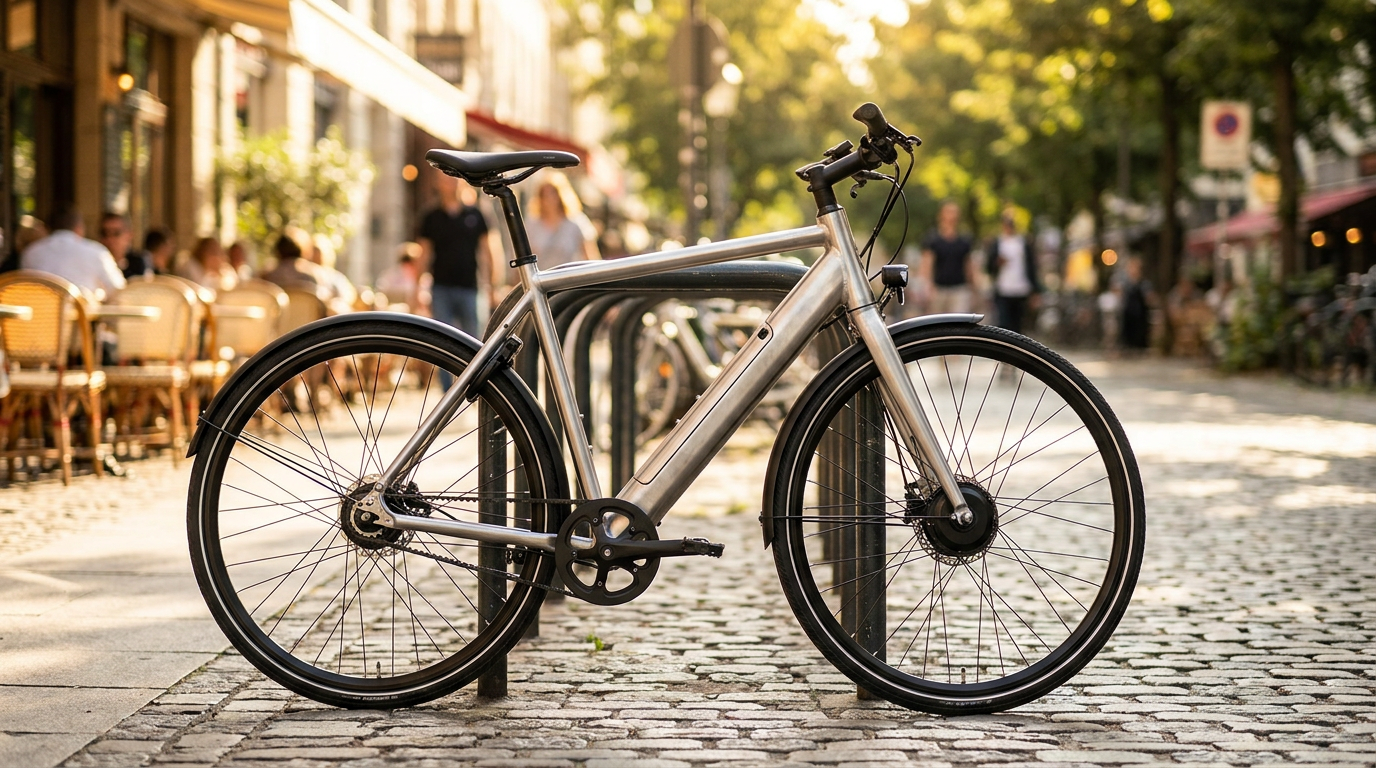
For riders tackling steep hills or venturing off-road, mid-drive motors are the gold standard. Positioned at the bike's bottom bracket between the pedals, a mid-drive motor leverages the bike's existing gears, allowing it to operate efficiently at various speeds. This placement keeps the center of gravity low and perfectly balanced, resulting in a ride that feels remarkably similar to a traditional bicycle, just with superhuman strength. While mid-drive systems from reputable brands like Bosch, Shimano, and Specialized are more expensive, their superior torque and natural ride feel make them the preferred choice for premium commuter and mountain bikes.[3][5]

When evaluating a motor's power, many buyers mistakenly focus solely on wattage. While watts measure the motor's raw electrical consumption, torque—measured in Newton-meters (Nm)—is the true indicator of real-world performance. Torque is the rotational force that gets you moving from a dead stop and powers you up steep inclines. A motor with 40Nm of torque is perfectly adequate for flat coastal paths, but riders facing steep suburban hills or carrying heavy cargo should look for motors pushing 65Nm to 90Nm. Matching the torque to your local topography is the secret to a bike that feels effortless rather than strained.[3]
When evaluating a motor's power, many buyers mistakenly focus solely on wattage.
The way a motor delivers that power is governed by its sensors, and this is where cheap bikes often reveal their compromises. Entry-level e-bikes typically use cadence sensors, which simply detect whether the pedals are turning. This acts like an on/off switch: start pedaling, and the motor jolts to life at a predetermined speed, regardless of how hard you are pushing. Premium e-bikes utilize torque sensors, which measure the actual physical force you apply to the pedals. Push gently, and the motor provides a soft assist; stand up and mash the pedals on a hill, and the motor instantly delivers maximum power. The result is a fluid, intuitive ride that feels like a natural extension of your own body.[4]
If the motor is the heart of the e-bike, the battery is its fuel tank. Battery capacity is measured in Watt-hours (Wh), which is calculated by multiplying the battery's voltage by its amp-hours. For urban commuting and light errands, a 400Wh to 500Wh battery is usually sufficient, keeping the bike relatively lightweight. Riders planning long weekend tours, tackling aggressive hills, or carrying heavy loads should look toward the 600Wh to 750Wh range. Understanding this metric allows buyers to compare the true range potential of different bikes, cutting through confusing marketing jargon.[1][5]

However, buyers must approach manufacturer range claims with a healthy dose of skepticism. Advertised ranges are often calculated under ideal conditions: a lightweight rider, flat terrain, no wind, and the lowest possible assist setting. In the real world, factors like steep hills, cold weather, heavy cargo, and relying on the highest "turbo" mode can slash the advertised range by 30% to 50%. A 500Wh battery might claim a 60-mile range, but a realistic expectation for a mixed commute is closer to 30 or 40 miles. Buying slightly more capacity than you think you need is the best insurance against range anxiety.[4][5]
Beyond capacity, battery safety has become a paramount concern in 2026. The proliferation of cheap, unbranded lithium-ion batteries has led to a spike in dangerous electrical fires, prompting strict new regulations. Jurisdictions like New York State have made it illegal to sell e-bikes with batteries that lack UL (Underwriters Laboratories) certification, or equivalent standards like EN15194 in Australia and Europe. These certifications guarantee that the battery management system (BMS) has been rigorously tested against overcharging, overheating, and short-circuiting. Buyers should absolutely refuse to purchase any e-bike that cannot provide proof of recognized safety certifications.[2][3]
The decision of where to buy is just as important as what to buy. The internet is flooded with direct-to-consumer (DTC) brands offering impressive specifications at rock-bottom prices. While the initial savings are tempting, these bikes often use proprietary electronic components that local bike shops cannot—or will not—service. If a proprietary controller fails, the bike can become a heavy, unrideable paperweight. Purchasing from a local dealer ensures that the bike is professionally assembled, properly fitted, and backed by accessible warranty support and readily available spare parts.[2][4]

A local shop also provides the most crucial step in the buying process: the test ride. Because e-bikes are significantly heavier than traditional bicycles—often weighing between 45 and 70 pounds—their handling characteristics are vastly different. A bike that looks perfect on a screen might feel unwieldy, poorly balanced, or incorrectly sized in person. A 15-minute test ride allows buyers to evaluate the smoothness of the motor engagement, the stopping power of the brakes (hydraulic disc brakes are highly recommended for the extra weight), and the overall comfort of the geometry.[2][7]
Once the purchase is made, long-term ownership requires a shift in maintenance habits, particularly regarding battery care. The lithium-ion cells in an e-bike degrade over time, but proper charging protocols can add years to their lifespan. Experts recommend the 20-80% rule: avoid draining the battery completely flat, and for daily use, only charge it to 80%. If the bike is being stored for the winter, the battery should be kept indoors at room temperature, charged to roughly 50%. Treating the battery with care is the single most effective way to protect your investment.[4]

Ultimately, buying an e-bike is an investment in a new way of moving through the world. It flattens hills, shrinks cities, and makes cycling accessible to people who might otherwise rely on a car for every short trip. By prioritizing safety certifications, understanding the nuances of motors and batteries, and choosing a bike supported by a reliable service network, buyers can confidently navigate the 2026 market. The right e-bike doesn't just sit in the garage; it becomes an indispensable, joy-inducing part of daily life.[4][8]
How we got here
1990s
Early commercial e-bikes using heavy lead-acid batteries enter the market with limited success.
2010s
Advances in lithium-ion technology and the introduction of reliable mid-drive motors by Bosch spark a global e-bike boom.
2020
The pandemic triggers a massive surge in e-bike adoption as commuters seek alternatives to public transit.
2024
New York and other major jurisdictions begin mandating UL certifications for e-bike batteries following a rise in electrical fires.
2026
E-bikes firmly establish themselves as mainstream vehicle replacements, with highly segmented classes for commuting, cargo, and sport.
Viewpoints in depth
Commuters & Urban Riders
Prioritizing reliability, range, and the ability to replace daily car trips.
For daily commuters, an e-bike is viewed primarily as a utility vehicle rather than recreational sporting equipment. This camp values integrated lighting, cargo racks, and robust battery ranges (500Wh+) that eliminate 'range anxiety' during round-trip commutes. They heavily favor models with fenders and enclosed drivetrains to keep work clothes clean, and they often prioritize the smooth, predictable power delivery of mid-drive motors to navigate stop-and-go city traffic safely.
Performance & Off-Road Cyclists
Focusing on high torque, advanced suspension, and natural ride feel.
Enthusiasts taking e-bikes onto mountain trails or aggressive gravel routes look at entirely different metrics. For this group, raw wattage is less important than high torque (often 85Nm or more) required to conquer steep, loose inclines. They demand sophisticated torque sensors that respond instantly to pedal pressure, ensuring the motor feels like a natural extension of their legs rather than a jerky external force. Mid-drive motors are considered non-negotiable here due to their superior weight distribution and ground clearance.
Safety & Regulatory Advocates
Emphasizing battery certifications, speed limits, and infrastructure safety.
With the rapid proliferation of e-bikes, safety advocates and city planners are highly focused on mitigating risks. This perspective champions strict enforcement of UL battery certifications to prevent catastrophic lithium-ion fires, which have plagued cities with high concentrations of cheap, unbranded delivery bikes. They also advocate for clear class distinctions and speed limiters, arguing that heavy e-bikes traveling at 28 mph pose a significant danger to pedestrians and traditional cyclists on shared multi-use paths.
What we don't know
- How upcoming federal and state legislation might further restrict or reclassify high-speed Class 3 e-bikes on public trails.
- Whether solid-state battery technology will become commercially viable for e-bikes in the near future, potentially doubling range while reducing weight.
Key terms
- Watt-hour (Wh)
- The measure of a battery's total energy capacity, acting as the e-bike's 'fuel tank' to determine how far you can ride.
- Torque (Nm)
- The rotational force produced by the motor, which dictates how easily the bike can accelerate and climb steep hills.
- Mid-Drive Motor
- A motor positioned between the pedals at the bike's bottom bracket, offering a balanced center of gravity and efficient use of the bike's gears.
- Cadence Sensor
- A basic sensor that detects whether the pedals are turning, triggering the motor to provide a set level of assistance.
- UL Certification
- A rigorous safety standard indicating that the battery and electrical system have been tested to prevent overheating and fire hazards.
Frequently asked
How long do e-bike batteries last?
Most high-quality lithium-ion e-bike batteries last between 3 to 5 years, or roughly 500 to 1,000 charge cycles, before their capacity significantly degrades.
Can I ride an electric bike in the rain?
Yes, modern e-bikes are built with water-resistant components and IP ratings that handle normal rain. However, you should never submerge the bike or use a high-pressure washer on the electronics.
What is the difference between a cadence and torque sensor?
A cadence sensor acts like an on/off switch that detects if you are pedaling, while a torque sensor measures exactly how hard you are pushing, providing a much smoother and more natural power delivery.
Do I need a license to ride an e-bike?
In most regions, standard Class 1 and Class 2 e-bikes do not require a license or registration. However, high-speed models (like Class 3 or S-Pedelecs) often require a license, helmet, and insurance depending on local laws.
Sources
Source coverage
8 outlets
4 viewpoints surfaced





[1]Electric Bike AdvisorSafety & Regulatory Advocates
The Beginner's E-Bike Buying Guide (2026 Edition)
Read on Electric Bike Advisor →[2]Tern BicyclesSafety & Regulatory Advocates
How to Choose an E-Bike: Your Guide to the Perfect Ride
Read on Tern Bicycles →[3]BikelinePerformance & Off-Road Cyclists
Decoding the Tech: Motors, Batteries, and Range
Read on Bikeline →[4]Uni-traxLocal Bike Shops
The Beginner's E-Bike Buying Guide (2026 Edition)
Read on Uni-trax →[5]VeryCommuters & Urban Riders
Best electric bikes 2026: complete UK buyer's guide
Read on Very →[6]SähköpyörätLocal Bike Shops
How to choose an electric bike? A comprehensive guide
Read on Sähköpyörät →[7]Lomi DriverCommuters & Urban Riders
Best E-Bikes for Delivery Riders in 2026
Read on Lomi Driver →[8]Factlen Editorial TeamSafety & Regulatory Advocates
Synthesis by Factlen editorial team
Read on Factlen Editorial Team →

More in shopping
See all 5 stories →

Every angle. Every day.
Get shopping stories with full source coverage and perspective breakdowns delivered to your inbox.