
The Science of Zone 2 Cardio: Why the 'Conversational Pace' is the Ultimate Longevity Tool
Endurance athletes have used it for decades, but researchers now believe that low-intensity 'Zone 2' training is one of the most effective ways to reverse cellular aging and build metabolic flexibility.
By Factlen Editorial Team

- Longevity & Metabolic Researchers
- Focus on the cellular adaptations of exercise, specifically mitochondrial biogenesis and disease prevention.
- Public Health Organizations
- Focus on accessible, population-level movement guidelines to reduce chronic cardiovascular disease.
- Endurance & Wellness Advocates
- Focus on synthesizing elite athletic protocols into actionable, everyday wellness practices.
What's not represented
- · High-Intensity Interval Training (HIIT) Advocates
- · Strength Training Purists
Why this matters
Cardiovascular disease and metabolic decline are the leading drivers of aging. Understanding how to train your cells to efficiently burn fat and produce energy can dramatically increase both your lifespan and your daily energy levels.
Key points
- Zone 2 cardio is a moderate-intensity exercise where you can comfortably hold a conversation.
- It stimulates the creation of new mitochondria, reversing a key hallmark of cellular aging.
- Training in this zone improves metabolic flexibility, teaching the body to efficiently burn stored fat.
- Elite athletes spend roughly 80 percent of their training volume in this low-intensity state.
- Health experts recommend 150 to 240 minutes of Zone 2 training per week for optimal longevity.
The fitness industry has long sold the idea that exercise must be grueling to be effective. For decades, the "no pain, no gain" mantra pushed millions of well-intentioned people toward high-intensity boot camps, heavy weightlifting sessions, and breathless sprint intervals. The prevailing logic suggested that if a workout did not leave you exhausted and drenched in sweat, it was not changing your body. But a quiet, evidence-based revolution in exercise physiology is proving that when it comes to long-term longevity and fundamental cellular health, slower is often significantly better.[1]
Enter the concept of "Zone 2" cardio. In the broad spectrum of physical exertion, Zone 2 is defined as a steady, moderate-intensity effort. Practically speaking, it is the highest level of physical output a person can sustain while still comfortably holding a conversation without gasping for air. For many years, this specific pacing was the closely guarded secret of elite endurance athletes who used it to build stamina. Today, it has emerged from the athletic track to become a foundational pillar of preventative medicine and longevity science.[1]
The shift from competitive sports to mainstream medical advice has been driven by researchers like Dr. Iñigo San Millán at the University of Colorado, who studies the deep intersection of sports performance and metabolic disease. San Millán and a growing chorus of longevity physicians argue that Zone 2 is not merely a subjective workout pace. Rather, it is a highly specific biochemical state that is uniquely capable of reversing cellular aging and protecting the body against a host of modern metabolic diseases.[3]
To truly understand why a light jog, a steady bike ride, or a brisk walk is so physiologically powerful, one must look closely at the mitochondria. These microscopic, bean-shaped organelles act as the literal power plants of human cells. Their primary job is to convert the oxygen we breathe and the nutrients we consume into adenosine triphosphate (ATP), which serves as the fundamental energy currency powering every single function in the human body. Without healthy, abundant mitochondria, our cells simply cannot perform their necessary repair and maintenance tasks, leading to systemic breakdown.[6]

As humans age, or when they live highly sedentary lifestyles devoid of regular movement, mitochondrial function naturally and precipitously declines. The cells produce less energy and begin to generate more oxidative stress, a destructive process heavily implicated in metabolic syndrome, type 2 diabetes, and cardiovascular disease. Zone 2 training directly counters this inevitable decline by stimulating a process called mitochondrial biogenesis—the creation of entirely new, highly efficient mitochondria within the muscle tissue. By forcing the body to sustain a moderate energy demand over a prolonged period, the cells are signaled to upgrade their internal power grids, effectively reversing one of the primary hallmarks of biological aging.[1][6]
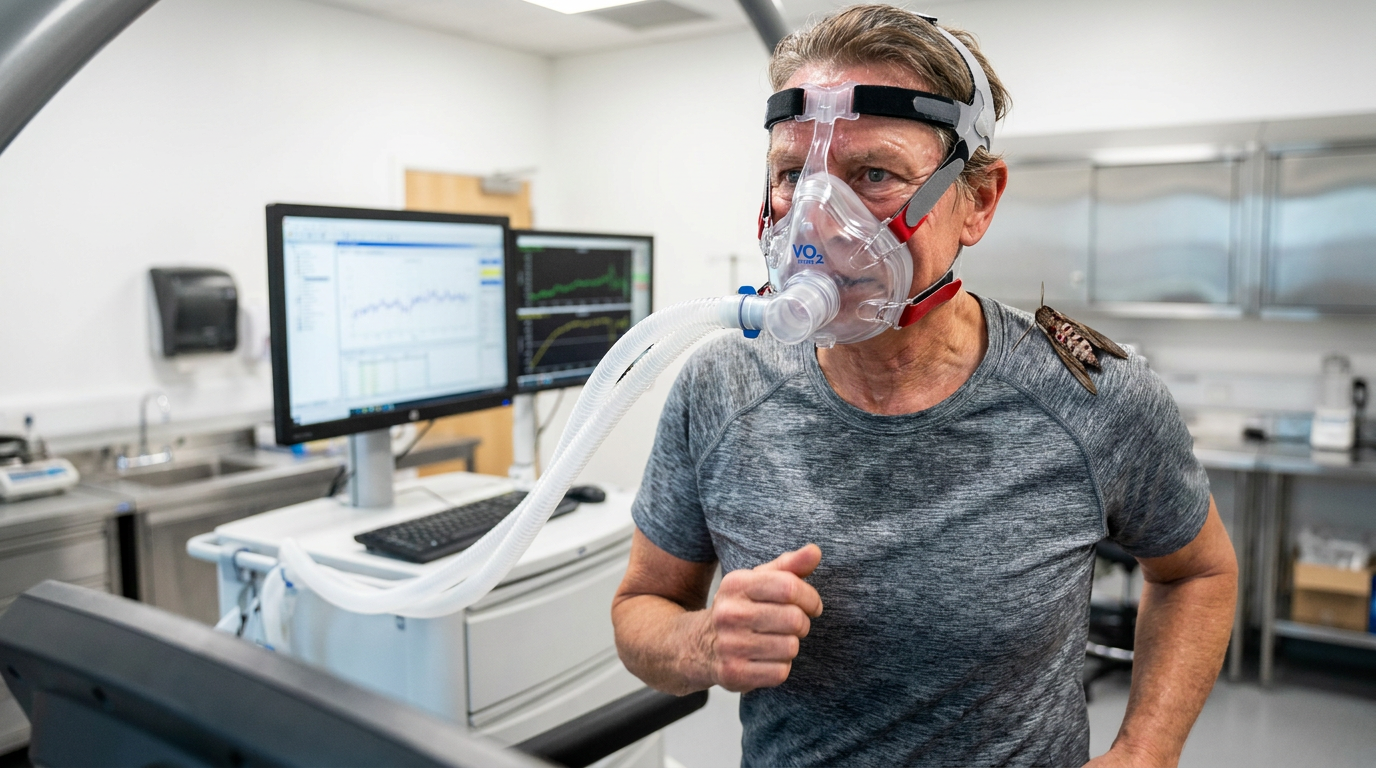
The biological mechanism behind this upgrade relies heavily on a master regulatory protein known as PGC-1alpha. Sustained, moderate-intensity aerobic exercise activates this specific pathway, signaling the muscle cells to build a denser, more robust mitochondrial network. Over time, this cellular remodeling increases the body's overall capacity to extract and utilize oxygen from the blood, a critical health metric known as VO2 max. Higher mitochondrial density means the heart doesn't have to work as hard to deliver oxygen during daily activities.[6]
The importance of this cardiovascular efficiency cannot be overstated. A landmark study published in the Journal of the American Medical Association analyzed vast cohorts of patients and found that cardiorespiratory fitness is one of the single strongest predictors of long-term mortality. In fact, it routinely outperforms traditional clinical risk factors like smoking history, hypertension, and high cholesterol. Moving from the lowest fitness category to even a below-average category reduced an individual's mortality risk by approximately 50 percent, highlighting the massive return on investment for basic aerobic conditioning.[4]
The importance of this cardiovascular efficiency cannot be overstated.
Beyond simply building new cellular power plants, dedicated Zone 2 training trains the body in a concept known as "metabolic flexibility." This is defined as the physiological ability to seamlessly and efficiently switch between burning carbohydrates and burning stored body fat for fuel. In modern, sedentary populations eating high-carbohydrate diets, this flexibility is often lost, leaving individuals entirely dependent on frequent glucose spikes to maintain their daily energy levels. Restoring this flexibility is a primary goal of metabolic therapies, as it stabilizes blood sugar and prevents the energy crashes associated with insulin resistance.[3]
At higher exercise intensities, the body demands rapid, immediate energy and relies almost exclusively on burning glucose (carbohydrates) to survive the stress. But during Zone 2 exercise, the intensity remains low enough that the working muscles can rely primarily on fat oxidation. Regular, sustained training in this specific zone teaches the body to become a highly efficient fat-burner, preserving precious glycogen stores in the muscles and drastically improving overall insulin sensitivity across the entire metabolic system. This makes it an incredibly powerful tool for managing body composition and preventing the onset of metabolic disorders.[1][3]

The exact biochemical boundary of Zone 2 is defined by the presence and clearance of lactate in the bloodstream. When cells burn glucose for energy, they produce lactate as a natural byproduct. In Zone 2, the body produces lactate, but the healthy, well-trained mitochondria are able to clear it and use it as secondary fuel at the exact same rate it is generated. This creates a beautiful state of metabolic equilibrium, typically keeping blood lactate levels safely below 2.0 millimoles per liter.[3]
If the exercise intensity increases even slightly into what coaches call Zone 3 or Zone 4, lactate begins to accumulate in the blood much faster than the mitochondria can clear it. At this tipping point, the body shifts aggressively out of fat oxidation and into carbohydrate dependency, and the specific mitochondrial adaptations of Zone 2 are immediately lost. This is precisely why the most common mistake recreational athletes make is going too fast—they accidentally turn an aerobic base-building session into a stressful anaerobic workout.[1]
The realization that moderate intensity yields such unique, irreplaceable benefits has popularized the "80/20" polarized training model across the athletic world. Elite cyclists, marathon runners, and triathletes spend roughly 80 percent of their total training volume in the easy, conversational Zone 2. They reserve only 20 percent of their time for high-intensity, lung-burning intervals. This ratio allows them to build massive aerobic engines without accumulating the systemic central nervous system fatigue that leads to overtraining and injury. By keeping the easy days truly easy, they ensure their bodies are fully recovered and primed to execute the hard days with maximum effort and perfect form.[1]

For the general public, major health organizations are increasingly aligning their guidelines with these foundational aerobic principles. Both the American Heart Association and the World Health Organization currently recommend a minimum of 150 minutes of moderate-intensity aerobic activity per week to maintain baseline health. While they do not explicitly use the term "Zone 2," the physiological descriptions of "moderate activity" map perfectly onto the conversational pace that defines this specific metabolic state. Meeting this minimum threshold is widely considered the most important lifestyle intervention a person can make to protect their heart and brain as they age.[2][5]
Longevity experts and preventative cardiologists often suggest aiming even higher than the minimum guidelines, recommending three to four hours of dedicated Zone 2 work per week, typically broken into 45-to-60-minute sessions. Because the intensity is inherently low and generates minimal metabolic stress or muscle damage, these workouts require almost no recovery time. This makes the protocol highly sustainable for older adults, individuals recovering from injury, or anyone looking to build a daily movement habit without feeling constantly exhausted. The goal is consistency over decades, not intensity over days.[1]
Finding the right intensity does not require expensive laboratory equipment or invasive blood tests. While a smartwatch or chest-strap heart rate monitor can certainly help—targeting roughly 60 to 70 percent of one's maximum heart rate—the traditional "talk test" remains the most reliable and accessible field metric. If you can speak in full, continuous sentences but cannot comfortably sing a song, you are likely sitting right in the middle of the metabolic sweet spot. If you have to pause to take a breath in the middle of a sentence, you have pushed too hard and need to slow down.[1]

Ultimately, the mainstream rise of Zone 2 cardio represents a profound paradigm shift in how we view physical activity and human health. Exercise is no longer just a blunt tool for burning excess calories or building visible muscle mass for aesthetic purposes. Instead, it is a highly targeted, scientifically validated medical intervention designed to rebuild the body's cellular architecture from the inside out, ensuring that our later years are defined by energy, resilience, and vitality. By slowing down and respecting the body's natural metabolic pathways, we can unlock a level of endurance that serves us far beyond the gym.[1]
How we got here
1990s–2000s
Sports scientists observe that elite endurance athletes spend up to 80 percent of their training time at low, conversational intensities.
2018
Researchers publish landmark studies linking mitochondrial dysfunction to a wide range of age-related metabolic diseases.
2020–2023
Prominent longevity physicians begin translating elite athletic protocols into everyday health recommendations, popularizing Zone 2.
2026
Zone 2 training is widely recognized as a foundational pillar of preventative cardiology and metabolic health.
Viewpoints in depth
Metabolic Researchers
Focus on the cellular adaptations of exercise, specifically mitochondrial biogenesis.
For cellular biologists and metabolic researchers, exercise is viewed through the lens of energy production. They emphasize that chronic diseases—from type 2 diabetes to Alzheimer's—are often rooted in mitochondrial dysfunction. By demonstrating that Zone 2 training specifically targets and multiplies these cellular power plants, researchers argue that low-intensity cardio is not just a fitness tool, but a critical medical intervention for healthy aging.
Public Health Officials
Focus on accessible, population-level movement guidelines to reduce chronic disease.
Public health organizations prioritize interventions that are safe, accessible, and scalable to the general population. They champion moderate-intensity exercise because it carries a very low risk of injury, requires no specialized equipment, and does not demand grueling recovery periods. Their goal is to move sedentary populations into baseline activity, viewing the 150-minute weekly threshold as the most critical step in reducing global cardiovascular mortality.
Endurance Coaches
Focus on building an aerobic base to maximize athletic performance without overtraining.
In the athletic world, coaches use Zone 2 to build a massive 'aerobic engine' while managing fatigue. They advocate for the polarized 80/20 model, arguing that athletes who spend too much time in the moderate-to-hard 'grey zone' (Zone 3) accumulate systemic fatigue without reaping the unique mitochondrial benefits of Zone 2 or the explosive power benefits of true high-intensity intervals.
What we don't know
- The exact minimum threshold of weekly Zone 2 minutes required to trigger measurable mitochondrial biogenesis in highly sedentary individuals.
- How genetic variations influence an individual's specific lactate threshold and fat oxidation rates.
- The long-term synergistic effects of combining strict Zone 2 protocols with emerging longevity pharmaceuticals.
Key terms
- Zone 2
- A moderate-intensity exercise state where the heart rate is elevated but the body can still clear lactate as fast as it produces it.
- Mitochondria
- Microscopic structures inside cells that convert oxygen and nutrients into usable energy.
- Metabolic Flexibility
- The body's ability to efficiently switch between burning carbohydrates and burning stored fat for fuel.
- ATP (Adenosine Triphosphate)
- The primary molecule that stores and transfers energy within human cells.
- Lactate Threshold 1 (LT1)
- The exercise intensity at which blood lactate begins to rise above resting levels, marking the upper boundary of Zone 2.
Frequently asked
How do I know if I am in Zone 2 without a monitor?
The most reliable field metric is the 'talk test.' If you can comfortably speak in full sentences but cannot sing, you are likely in Zone 2.
Is walking enough to reach Zone 2?
It depends on your baseline fitness. For beginners, a brisk walk may be enough. Fitter individuals may need to jog, cycle, or walk on a steep incline to elevate their heart rate sufficiently.
Can I achieve Zone 2 through weightlifting?
No. Zone 2 requires continuous, steady-state aerobic exertion to maintain a constant heart rate and metabolic demand, which stop-and-start resistance training does not provide.
Does Zone 2 training help with weight loss?
Yes. Because Zone 2 relies heavily on fat oxidation for energy, regular training improves the body's ability to burn stored fat both during exercise and at rest.
Sources
Source coverage
6 outlets
3 viewpoints surfaced






[1]Factlen Editorial TeamEndurance & Wellness Advocates
Synthesis by Factlen editorial team
Read on Factlen Editorial Team →[2]American Heart AssociationPublic Health Organizations
American Heart Association Recommendations for Physical Activity in Adults
Read on American Heart Association →[3]Sports MedicineLongevity & Metabolic Researchers
Assessment of Metabolic Flexibility by Means of Measuring Blood Lactate, Fat, and Carbohydrate Oxidation Responses to Exercise
Read on Sports Medicine →[4]JAMA NetworkPublic Health Organizations
Association of Cardiorespiratory Fitness With Long-term Mortality Among Adults Undergoing Exercise Treadmill Testing
Read on JAMA Network →[5]World Health OrganizationPublic Health Organizations
Physical activity guidelines and health outcomes
Read on World Health Organization →[6]Medicine & Science in Sports & ExerciseLongevity & Metabolic Researchers
Mitochondrial Adaptations to Endurance Training
Read on Medicine & Science in Sports & Exercise →

Every angle. Every day.
Get health stories with full source coverage and perspective breakdowns delivered to your inbox.