
The Science of Grilling: Mastering the Maillard Reaction, Smoke Rings, and Thermodynamics
Great barbecue isn't just an art; it's a series of precise chemical and thermodynamic reactions. Understanding the science of browning, smoke rings, and moisture retention can elevate your backyard grilling.
By Factlen Editorial Team
- Culinary Scientists
- Food scientists view the grill as a high-heat laboratory where precise chemical reactions dictate flavor.
- Traditional Pitmasters
- Veteran barbecue cooks rely on moisture management and airflow to manipulate smoke chemistry.
- Backyard Grillers
- Everyday cooks prioritize practical thermodynamics to avoid burning food while ensuring it is cooked through.
What's not represented
- · Vegetarian and Plant-Based Grillers
Why this matters
Understanding the chemistry and thermodynamics of your grill transforms outdoor cooking from a guessing game into a predictable science, ensuring perfectly cooked, juicier meals every time.
Key points
- The Maillard reaction requires temperatures above 285°F to create complex flavor compounds.
- Surface moisture stalls browning because water evaporates at 212°F, causing meat to steam.
- A two-zone fire provides direct heat for searing and indirect heat for gentle roasting.
- The coveted pink smoke ring is a chemical reaction, not an indicator of extra flavor.
- Resting meat allows contracted muscle fibers to relax and reabsorb juices.
- Meat continues to cook after leaving the grill, rising 5 to 10 degrees in internal temperature.
Summer grilling is often treated as a culinary tradition passed down through generations, but at its core, it is a backyard laboratory of applied chemistry and thermodynamics. When a steak hits a hot grate, the resulting sizzle is the sound of complex scientific processes kicking into gear. Understanding the invisible forces at play—from the molecular breakdown of proteins to the physics of heat transfer—can transform an amateur cook into a master of the grill. Rather than relying on guesswork or superstition, applying a scientific framework to outdoor cooking ensures predictable, repeatable, and delicious results. By mastering the variables of temperature, moisture, and airflow, anyone can harness the full potential of their backyard setup.[6]
The foundation of all grilled flavor lies in a chemical process known as the Maillard reaction. Named after the French chemist Louis Camille Maillard, who first described it in 1912, this reaction is responsible for the rich, savory crust that forms on seared meats and roasted vegetables. It occurs when amino acids and reducing sugars are subjected to high heat, causing them to break down and recombine into entirely new structures. This is not merely a color change; it is a profound chemical transformation that generates the distinct aromas and tastes we associate with cooked food.[1][6]
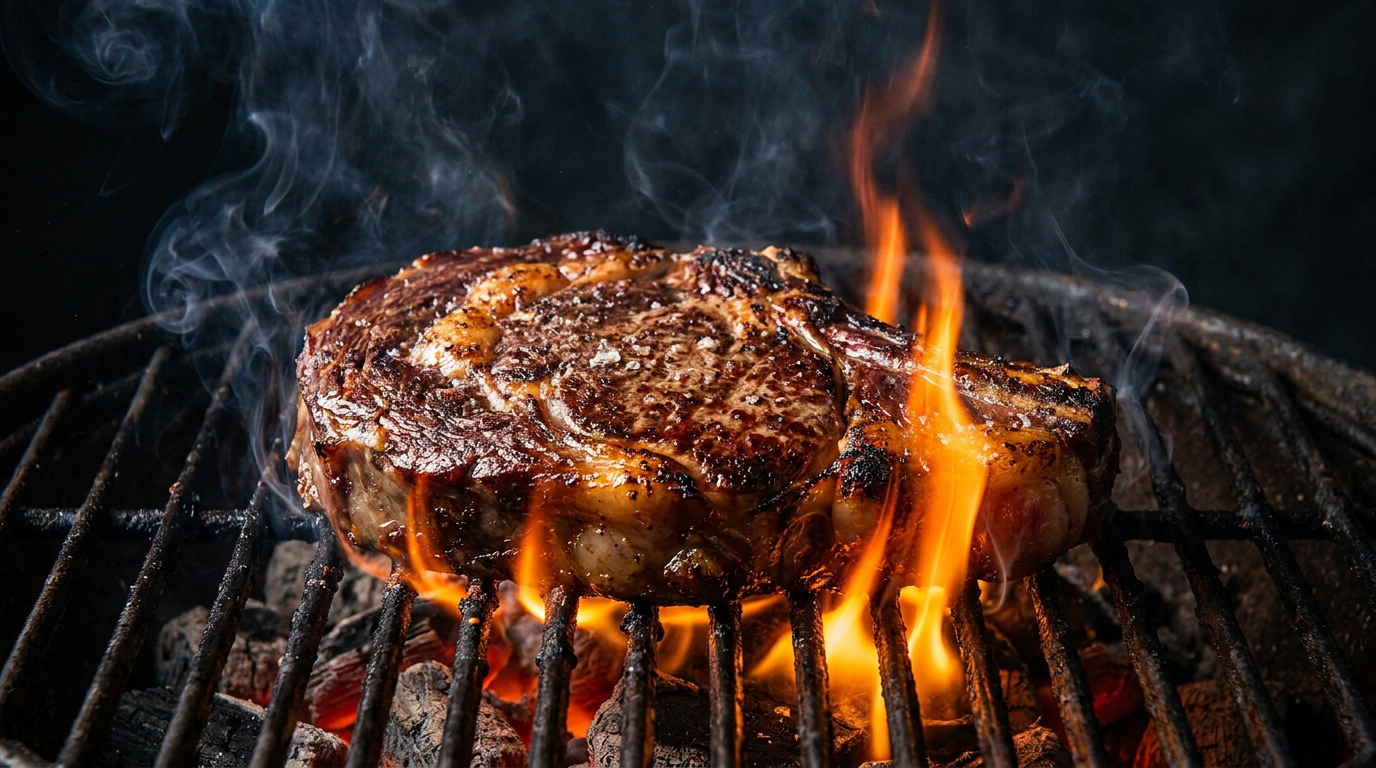
During the Maillard reaction, the intense heat of the grill causes these basic building blocks to rapidly form thousands of new, highly complex flavor compounds. These compounds give seared steak its signature caramelized crust and deep, savory profile. However, this reaction is highly dependent on temperature, typically requiring a surface heat of at least 285 degrees Fahrenheit to kick into high gear. If the temperature is too low, the meat will simply cook without developing that crucial, flavorful exterior, leaving the cook with a pale and underwhelming piece of protein.[1]
Because the Maillard reaction requires such high temperatures, surface moisture is the absolute enemy of a good sear. Water evaporates at 212 degrees Fahrenheit, meaning that any liquid on the outside of the meat will act as a thermal barrier. As long as moisture is evaporating, the surface temperature of the food cannot exceed the boiling point of water. Consequently, wet meat will steam rather than sear, completely stalling the browning process. Food scientists and chefs alike recommend aggressively patting meat dry with paper towels before it ever touches the grill grates to ensure the Maillard reaction can begin immediately.[1]

Beyond chemistry, successful grilling requires a firm grasp of thermodynamics, specifically the management of heat transfer. The most effective way to control this energy is by utilizing a two-zone fire. This setup involves dividing the grill into two distinct areas: a direct heat zone and an indirect heat zone. By banking hot coals to one side of a charcoal grill, or leaving one bank of burners off on a gas grill, cooks create a versatile environment that can handle both rapid searing and gentle roasting simultaneously.[3]
The direct heat zone relies primarily on conduction and radiation to cook food. Conduction occurs when the food makes direct physical contact with the blistering hot metal grates, creating distinct grill marks. Simultaneously, radiation from the glowing coals or gas flames blasts the surface of the meat with intense infrared energy. This zone is ideal for triggering the Maillard reaction quickly, but it is too aggressive for cooking thicker cuts of meat all the way through without carbonizing the exterior.[3]
Conversely, the indirect heat zone operates on the principle of convection. With no direct heat source beneath the food, this side of the grill functions much like a traditional indoor oven when the lid is closed. Hot air circulates around the meat, gently and evenly raising its internal temperature. This zone is essential for slow-cooking tough cuts that require time for their connective tissues to break down, or for safely finishing a thick steak that has already been seared on the outside.[3]
Understanding these thermodynamic zones allows cooks to employ advanced techniques like the reverse sear. In this method, a thick cut of meat is first placed in the indirect zone, where convection heat slowly brings the internal temperature up to just below the desired doneness. Once the interior is perfectly cooked, the meat is moved to the direct heat zone for a brief, intense sear. This approach guarantees edge-to-edge perfection, eliminating the dreaded gray band of overcooked meat that often plagues traditionally grilled steaks.[3]

For barbecue enthusiasts who prefer low-and-slow smoking, the ultimate visual prize is the smoke ring. This distinct, bright pink layer sits just beneath the dark, crusty bark of smoked briskets and pork shoulders, typically penetrating an eighth to a half-inch into the meat. While many diners mistakenly believe this pink hue is a sign of undercooked meat or a marker of intense smoke flavor, it is actually the result of a highly specific chemical reaction involving the meat's natural proteins.[4]
For barbecue enthusiasts who prefer low-and-slow smoking, the ultimate visual prize is the smoke ring.
The science of the smoke ring centers on myoglobin, the oxygen-storing protein that gives raw beef and pork their naturally red or pink colors. Under normal cooking conditions in a standard oven or a frying pan, heat causes myoglobin to denature and oxidize, eventually turning it into a dull brown compound known as metmyoglobin. This is the exact reason why the inside of a well-done steak turns from vibrant red to a uniform brown. However, the unique environment inside a wood-fired smoker introduces new chemical variables that actively interrupt this standard browning process.[1][4]
When hardwood burns, it releases a variety of gases, most notably nitrogen dioxide and carbon monoxide. As these invisible gases billow through the cooking chamber, they dissolve onto the wet surface of the meat. Once absorbed, they bind tightly with the myoglobin proteins before the heat has a chance to turn them brown. This chemical bonding creates a stable, permanent pink pigment called nitrosyl hemochromogen, locking in the rosy color even as the internal temperature of the meat climbs well past the point of being fully cooked.[2][4]
Despite its legendary status in barbecue culture, the smoke ring is purely an aesthetic phenomenon. Food scientists have repeatedly demonstrated that the chemical reaction responsible for the pink color does not inherently contribute any additional flavor or tenderness to the meat. A brisket cooked in an electric smoker without wood combustion will lack a smoke ring but can still be exceptionally tender and flavorful. Nevertheless, competition judges and backyard purists continue to prize the ring as a visual hallmark of authentic, wood-fired pit mastery.[4]

Because the nitrogen dioxide gases must dissolve into the meat to create the smoke ring, surface moisture is once again a critical variable. The gases cannot penetrate a bone-dry surface, which is why pitmasters frequently mop, spritz, or spray their meats during the early hours of a cook. A wet, sticky exterior acts as a highly effective vehicle, pulling the nitrogen compounds deeper into the tissue and resulting in a thicker, more pronounced pink ring before the surface eventually dries out and forms a hard bark.[4]
The application of science does not end when the meat is finally removed from the grill grates. In fact, the physical processes that occur in the minutes immediately following the cook are just as vital to the final meal as the fire itself. During cooking, the intense heat causes the meat's muscle fibers—specifically the proteins actin and myosin—to contract and tighten. This physical shrinking acts like a sponge being squeezed, forcing the meat's natural water and juices out of the cells and toward the surface.[5]
If a cook yields to temptation and slices into a steak or roast immediately after taking it off the heat, all of that built-up pressure is suddenly released. The juices, which have been pushed to the edges of the meat, will rapidly pool onto the cutting board, leaving the interior of the steak dry, tough, and devoid of flavor. This common mistake ruins the careful temperature management and chemical browning achieved during the grilling process, resulting in a significantly degraded eating experience.[5]
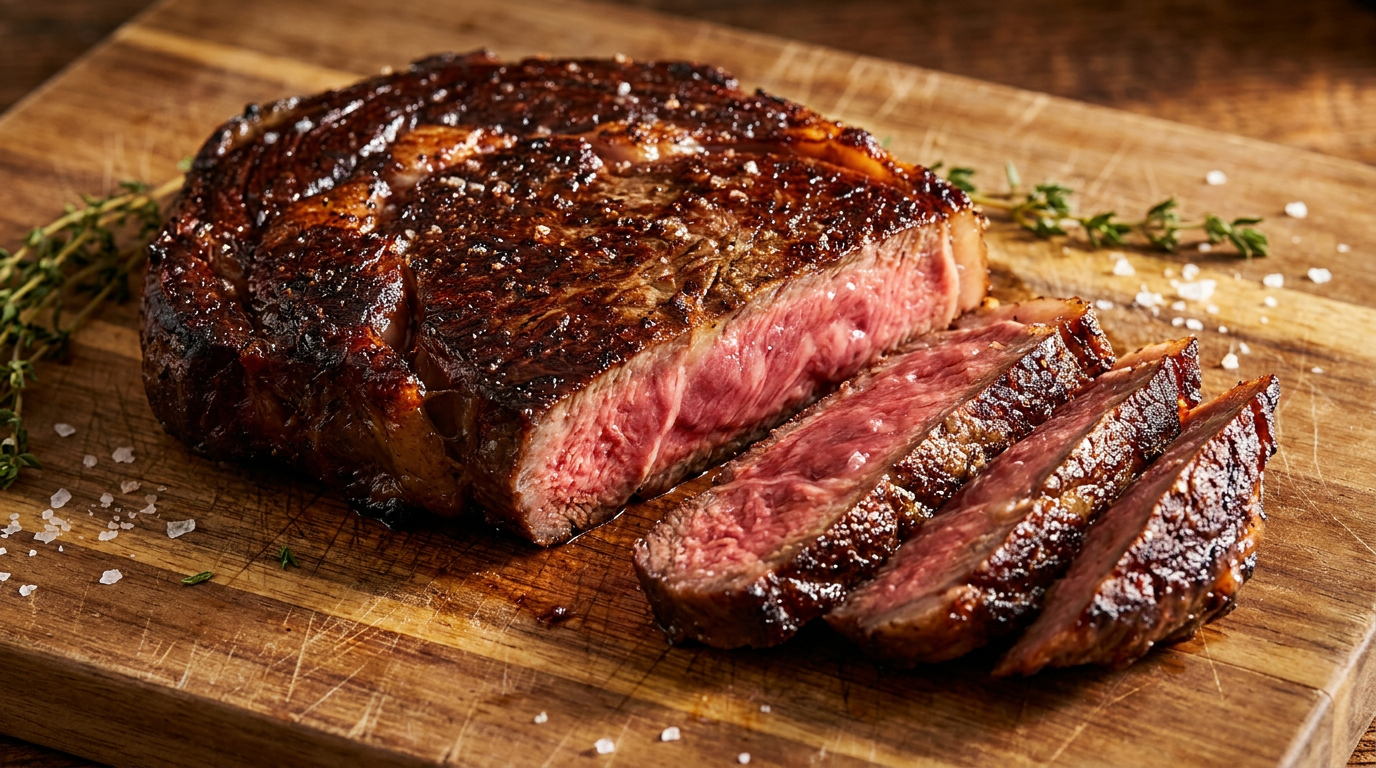
The solution to this thermodynamic problem is the practice of resting the meat. By allowing the protein to sit undisturbed at room temperature for a calculated period, the muscle fibers are given the opportunity to gradually relax. As the fibers loosen, they act like a sponge expanding back to its original shape, reabsorbing the liquid and redistributing the juices evenly throughout the entire cut. A properly rested steak will hold onto its moisture when sliced, ensuring that every bite is as tender and flavorful as intended.[5]
While the meat rests, another crucial physical phenomenon takes place: carryover cooking. The exterior of a grilled piece of meat is significantly hotter than its center. Once removed from the grill, this ambient surface heat continues to drive inward, seeking equilibrium. As a result, the internal temperature of a large cut of meat, such as a pork shoulder or a thick ribeye, will continue to rise by anywhere from five to ten degrees Fahrenheit even while sitting on a room-temperature cutting board.[5]
Failing to account for carryover cooking is one of the most frequent causes of overcooked barbecue. If a cook leaves a steak on the grill until the thermometer reads their exact target temperature, the subsequent resting period will push the meat well past that ideal window. To achieve a perfect medium-rare, scientists and chefs advise pulling the meat off the heat source several degrees early, trusting the residual thermal energy to gently carry the interior to the precise desired doneness.[5]

The duration of the resting period depends entirely on the mass of the meat. A standard chicken breast or a thin steak may only require five to ten minutes for its fibers to relax and its temperature to stabilize. Conversely, massive barbecue cuts like a whole packer brisket or a bone-in pork butt can benefit from resting for an hour or more. Tenting the meat loosely with aluminum foil during this time helps retain warmth without trapping excess steam that could ruin the carefully cultivated crust.[5]
Ultimately, mastering the grill is an exercise in applied physics and chemistry. By understanding how to manage surface moisture to trigger the Maillard reaction, utilizing two-zone fires to control heat transfer, and respecting the thermodynamics of resting meat, backyard cooks can elevate their craft. Grilling is no longer a game of chance or a reliance on outdated myths; it is a predictable, scientific process that, when properly executed, yields consistently spectacular results every time the fire is lit.[6]
Viewpoints in depth
Culinary Scientists
Food scientists view the grill as a high-heat laboratory where precise chemical reactions dictate flavor.
For food chemists, grilling is an exercise in managing the Maillard reaction and protein denaturation. They emphasize that flavor is generated not by the fire itself, but by the breakdown of amino acids and reducing sugars at specific temperature thresholds. By understanding that water evaporation stalls surface temperatures at 212°F, scientists advocate for aggressively drying meat before it hits the grates to ensure the surface rapidly reaches the 285°F needed for complex browning.
Traditional Pitmasters
Veteran barbecue cooks rely on moisture management and airflow to manipulate smoke chemistry.
While they may not always use laboratory terminology, traditional pitmasters have mastered the applied physics of the smoker. They utilize mop sauces and water pans not just to prevent meat from drying out, but because they intuitively know that a wet, sticky surface acts as a magnet for the nitrogen dioxide gases that create a deep, permanent smoke ring. Their focus is on the 'low and slow' breakdown of tough collagen into gelatin, a process that requires steady, indirect convection heat over many hours.
Backyard Grillers
Everyday cooks prioritize practical thermodynamics to avoid burning food while ensuring it is cooked through.
For the weekend griller, the most vital scientific application is the two-zone fire. By banking coals to one side, they create a thermodynamic safety net. This allows them to use direct conduction heat to achieve a quick sear, and indirect convection heat to gently bring thicker cuts up to a safe internal temperature. Combined with the discipline of resting meat to allow muscle fibers to reabsorb juices, these practical steps translate complex physics into reliable family meals.
What we don't know
- Exactly how many distinct flavor compounds are generated by the Maillard reaction across different types of wood smoke.
- The precise threshold at which different cuts of meat stop absorbing nitrogen dioxide during the smoking process.
Key terms
- Maillard Reaction
- A chemical reaction between amino acids and reducing sugars under high heat that creates complex browned flavors.
- Myoglobin
- The oxygen-storing protein in muscle tissue that gives raw meat its red color and reacts with smoke to form a pink ring.
- Carryover Cooking
- The phenomenon where a piece of meat continues to rise in internal temperature after being removed from the heat source.
- Convection
- The transfer of heat through the circulation of hot air, utilized in the indirect zone of a grill.
- Reverse Sear
- A cooking method where meat is slowly brought up to temperature using indirect heat, then finished with a brief, high-heat sear.
Frequently asked
Does a smoke ring mean the meat has more flavor?
No. The smoke ring is purely a chemical reaction between myoglobin and wood gases that changes the meat's color, not its taste.
Why shouldn't I cut my steak immediately?
Muscle fibers contract during cooking, pushing juices out. Resting the meat lets those fibers relax and reabsorb the moisture, keeping the steak juicy.
What is a two-zone fire?
A grill setup with hot coals on one side for direct searing, and an empty side for indirect, oven-like cooking.
Why is my meat steaming instead of searing?
Surface moisture prevents the temperature from exceeding 212°F. You must pat meat dry to trigger the Maillard reaction, which requires at least 285°F.
Sources
Source coverage
6 outlets
3 viewpoints surfaced





[1]Popular ScienceCulinary Scientists
The Science Of Grilling: How Heat Transforms Steak
Read on Popular Science →[2]Texas A&M UniversityCulinary Scientists
Barbecue Science
Read on Texas A&M University →[3]AmazingRibs.comBackyard Grillers
2 Zone Grilling Setup: How Best To Control Temperatures On A Grill
Read on AmazingRibs.com →[4]Barbecue BibleTraditional Pitmasters
The Science of the Smoke Ring
Read on Barbecue Bible →[5]BBQ Champs AcademyTraditional Pitmasters
The Science Behind Resting Meat
Read on BBQ Champs Academy →[6]Factlen Editorial TeamBackyard Grillers
Synthesis by Factlen editorial team
Read on Factlen Editorial Team →

Every angle. Every day.
Get food drink stories with full source coverage and perspective breakdowns delivered to your inbox.