
The Rise of 'Slow Content': Why Creators and Audiences Are Retreating to the Cozy Web
Exhausted by the endless scroll of short-form video, a growing wave of internet creators and viewers are embracing long-form, unpolished content and private digital communities.
By Factlen Editorial Team
- Independent Creators
- Value the creative freedom, deeper audience connection, and financial sustainability that long-form, unpolished content provides over viral chasing.
- Digital Wellness Advocates
- Argue that retreating to private digital spaces and consuming slower media is essential for protecting mental health from algorithmic anxiety.
- Platform Strategists
- View the shift as a natural market correction where platforms optimize for total watch time and deeper ad integration to maximize revenue.
What's not represented
- · Short-form algorithm engineers
- · Traditional advertising agencies
Why this matters
The shift away from hyper-fast, algorithm-driven feeds toward slower, intentional media is reshaping how we spend our time online. For anyone feeling burned out by social media, this movement offers a healthier blueprint for digital connection and entertainment.
Key points
- Creators and audiences are experiencing severe 'algorithm fatigue' from the endless scroll of short-form video.
- A shift toward 'slow content' is bringing back 45-minute video essays and unhurried, unpolished vlogs.
- Platforms like YouTube and TikTok are heavily rewarding long-form content, driving higher creator earnings.
- Users are migrating from public feeds to the 'Cozy Web'—private spaces like Discord and newsletters.
- The movement prioritizes mental health, deep community connection, and sustainable creative careers over viral fame.
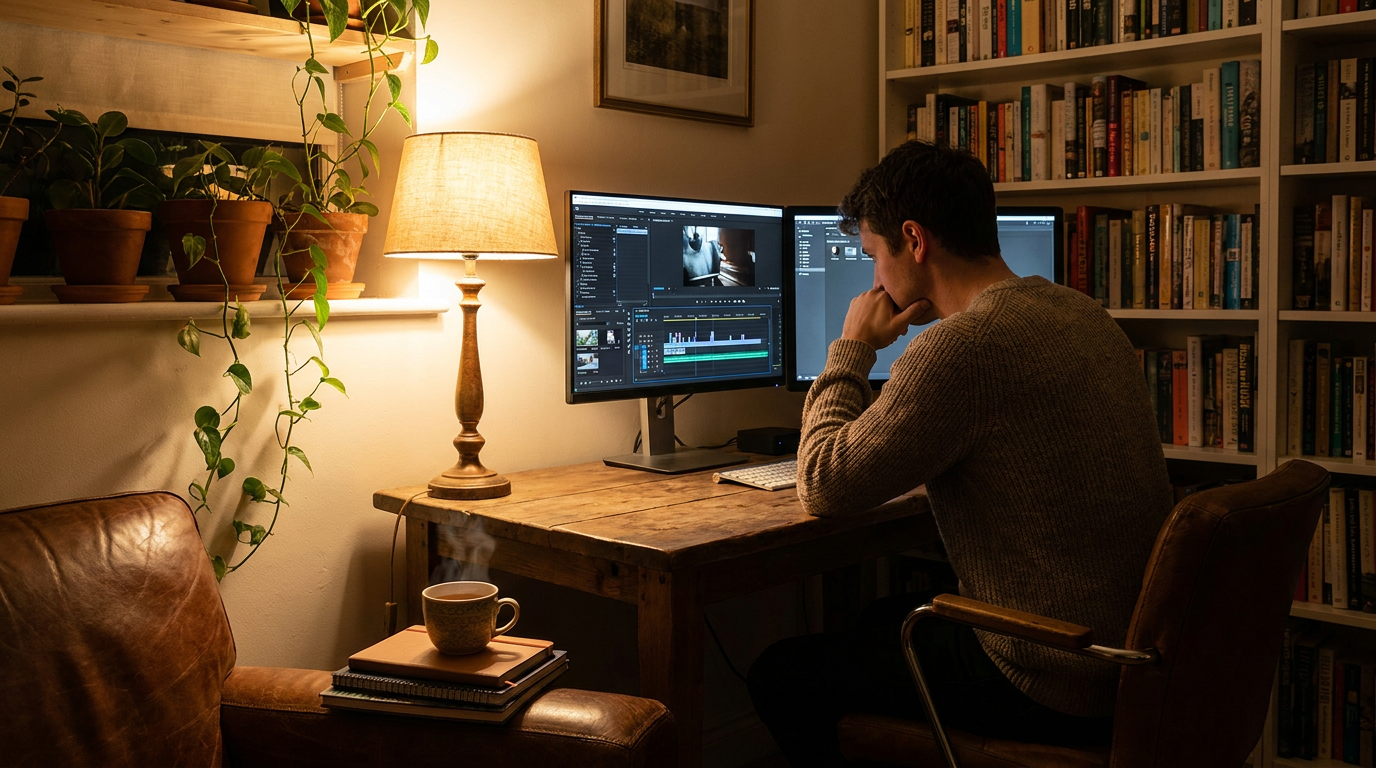
For the better part of a decade, the internet has been defined by the endless scroll. The digital landscape was engineered to deliver rapid-fire, 15-second dopamine hits, training audiences to swipe past anything that didn't immediately hook their attention. Creators were forced onto a relentless treadmill, churning out hyper-polished micro-content to appease algorithms that demanded constant, daily uploads. But in 2026, a quiet rebellion is reshaping the creator economy. Exhausted by the frantic pace of short-form video, millions of users and independent creators are deliberately slowing down. They are trading the chaotic public square of viral feeds for a more intentional digital lifestyle, embracing what industry analysts are calling the "Slow Content" movement and retreating into the intimate corners of the "Cozy Web."[1]
The catalyst for this shift is a widespread phenomenon known as algorithm fatigue. Audiences are increasingly realizing that their social media feeds are engineered for emotional velocity rather than personal value. The constant barrage of high-stakes, hyper-edited clips has left users overstimulated and disconnected. Recent industry data highlights the severity of this digital burnout, with approximately 40 percent of Generation Z users reporting that they have deleted at least one major social media application in the past year. The tipping point arrived when the ratio of sponsored advertisements and algorithmically forced recommendations eclipsed genuine social interaction, prompting a mass exodus from the traditional engagement loops that once defined online culture.[6]
In response to this fatigue, a new paradigm has emerged: slow content. This movement represents a deliberate pivot back to the 2010s-style of internet media, prioritizing depth, narrative, and unhurried pacing. Instead of 30-second trend-chasing clips, creators are publishing 45-minute video essays, two-hour ambient vlogs, and deep-dive documentaries. These longer formats allow creators to explore complex topics with nuance, offering viewers a substantial, nourishing digital meal rather than the fast-food equivalent of a TikTok scroll. The resurgence of long-form media is proving that modern attention spans are not permanently broken; rather, audiences were simply waiting for content that respected their time and intelligence enough to warrant a longer watch.[5][7]
For independent creators, the transition away from short-form content is as much about survival as it is about art. The era of the "Death of the Follower" has fundamentally altered platform economics. In the early days of social media, a user clicking "follow" guaranteed that they would see a creator's future posts. Today, that social contract has been abandoned by algorithmic feeds. Average organic reach for creator accounts on legacy platforms like Instagram has plummeted to a mere three to four percent. This pay-to-play ecosystem forces creators to rely on paid amplification or exhausting viral stunts just to reach their own established audiences, making the short-form hamster wheel creatively and financially unsustainable.[6]

Surprisingly, the very algorithms that created the short-form frenzy are now heavily rewarding the slowdown. Major platforms have realized that while short clips drive initial app opens, long-form content is what actually retains users and generates meaningful ad revenue. YouTube's current algorithm heavily favors videos exceeding 15 minutes, pushing them to broader audiences because they keep viewers on the platform longer. The financial incentives for creators have followed suit. Industry analytics reveal that creators utilizing a long-form video strategy can earn up to 2.5 times more revenue than those relying strictly on short-form uploads, making slow content a highly viable business model for independent studios.[7]
Even TikTok, the undisputed pioneer of the micro-video format, has structurally pivoted to accommodate this behavioral shift. Recognizing the limitations of the 15-second clip, the platform has steadily increased its upload limits, recently expanding to allow videos up to 60 minutes in length. This dramatic expansion signals a broader industry consensus that the future of digital entertainment lies in immersive storytelling. According to internal platform metrics, users are now spending more than half of their total app time watching content that exceeds the one-minute mark, effectively transforming the short-form giant into a direct competitor for YouTube's long-form dominance.[5]
Even TikTok, the undisputed pioneer of the micro-video format, has structurally pivoted to accommodate this behavioral shift.
Beyond the runtime, the slow content movement is defined by a distinct aesthetic of imperfection. Creators are actively rejecting the hyper-polished, heavily filtered look that dominated the influencer era. Instead, they are embracing the "unpolished diary" format. These videos often feature shaky handheld camerawork, ambient street noise, and lingering silences that would have been ruthlessly edited out of a viral clip. By leaving the rough edges intact, creators signal authenticity and vulnerability. This unhurried, conversational style lowers the barrier to entry for production while simultaneously fostering a deeper, parasocial trust with viewers who are desperate for genuine human connection.[1]
The mental health benefits of this deceleration are profound, particularly for the creators themselves. The pressure to maintain relevance in a fast-paced algorithmic ecosystem has driven many to severe physical and mental exhaustion. Creators like Elsa Evelyn have publicly documented their breaking points, detailing how the relentless demand for daily uploads led to severe panic attacks and hospitalization. By stepping away from the hustle and adopting a "slow living" approach to both their personal lives and their content schedules, these creators have found a sustainable rhythm. Their transparent journeys toward digital wellness have resonated deeply with audiences who are fighting their own battles against modern hustle culture.[2][3]
This shift in content creation is inextricably linked to a broader architectural migration across the internet, a phenomenon coined by writer Venkatesh Rao as the "Cozy Web." If traditional social media platforms represent the public square—loud, performative, and heavily surveilled—the Cozy Web represents the private, gatekeeper-bounded spaces where users are retreating. It is a high-trust, semi-private digital landscape comprising Discord servers, Substack newsletters, intimate group chats, and Patreon communities. In these spaces, the environment is chronological and human-centric, free from the gamified engagement metrics and algorithmic sorting that dictate visibility on the public web.[4][8]

The migration to the Cozy Web is often explained through the lens of the "Dark Forest Theory of the Internet," a concept adapted from science fiction by Kickstarter co-founder Yancey Strickler. The theory posits that the public web has become a hostile environment—a dark forest filled with tracking bots, aggressive advertisers, trolls, and attention-hungry algorithms. In such an environment, revealing oneself authentically invites immediate predation or public shaming. To survive and protect their mental well-being, digital citizens are staying silent in the public square and building underground burrows. The Cozy Web serves as this shelter, offering depressurized environments where users can interact without the fear of going viral for the wrong reasons.[8]
Within these digital burrows, the metrics of success look entirely different. The traditional goals of mass visibility, viral reach, and sheer follower counts have been replaced by a desire for intimacy and community belonging. Creators are finding that a dedicated audience of 2,000 paid newsletter subscribers or active Discord members yields far more influence, financial stability, and creative satisfaction than a million passive scrollers on a public feed. This transition from "broad and shallow" reach to "narrow and deep" connection allows creators to foster genuine dialogue, hosting book clubs, live Q&A sessions, and collaborative projects that treat audiences as community members rather than algorithmic data points.[4][6]
The commercial sector is actively adapting to this new reality. Forward-thinking brands and marketers recognize that Gen Z and millennial consumers are highly sensitive to algorithmic intrusion and will aggressively reject brands that disrupt their cozy spaces. Instead of funding massive, spectacle-driven influencer campaigns designed for sheer reach, brands are pivoting toward hyper-personalized, long-form partnerships. By sponsoring deep-dive video essays or integrating thoughtfully into niche newsletters, companies are seeking to build trust through association. They are learning that in the Cozy Web, a brand must earn an invitation into the community by providing genuine value, rather than simply buying a disruptive ad slot.[4][5]

As 2026 progresses, it is clear that the internet is not dying; it is simply maturing. The era of the endless scroll served its purpose, connecting billions of people and democratizing content creation on an unprecedented scale. However, the structural collapse of organic reach and the widespread onset of algorithm fatigue have forced a necessary evolution. The resurgence of slow content proves that audiences still crave narrative, context, and meaningful engagement. They are willing to invest their time in creators who respect their attention and offer substance over spectacle.[1][7]
Ultimately, the rise of slow content and the retreat to the Cozy Web represent a hopeful reclamation of digital agency. When given the choice between an endless, anxiety-inducing scroll of fast food and a nourishing, intentionally crafted digital meal, millions of users are finally choosing to sit down and slow down. By prioritizing psychological safety, authentic connection, and sustainable creativity, this movement is laying the groundwork for a healthier, more human internet—one where the user, rather than the algorithm, is finally back in control.[1]
How we got here
Mid-2010s
YouTube is dominated by long-form, personality-driven vlogs and deep-dive video essays.
2020
The pandemic accelerates the explosion of TikTok, cementing the dominance of the 15-second algorithmic short-form video.
2023
Creators and audiences begin reporting severe 'algorithm fatigue' and burnout from the relentless pace of micro-content.
2024–2025
Major platforms adapt to changing habits; TikTok expands its video upload limits up to 60 minutes.
2026
The 'Cozy Web' and 'Slow Content' movements become mainstream strategies for digital wellness and sustainable creator careers.
Viewpoints in depth
The Digital Wellness View
Mental health professionals and advocates see slow content as a necessary antidote to algorithm-induced anxiety.
For digital wellness advocates, the endless scroll is a public health issue. They argue that platforms engineered for 'emotional velocity' keep the human nervous system in a constant state of hyper-arousal, leading to the burnout and panic attacks reported by many young users. By migrating to the Cozy Web and consuming long-form, unhurried media, users are actively reclaiming their attention spans. This camp points to the 40% of Gen Z users deleting major apps as proof that the psychological toll of the 'Engagement Era' has finally outweighed its entertainment value.
The Independent Creator's View
Creators view the shift as a rebellion against the unsustainable labor demands of the short-form algorithm.
Independent creators argue that the short-form ecosystem turned art into an exhausting, pay-to-play assembly line. With organic reach dropping to single digits, creators felt they were renting their audiences rather than owning them. The pivot to slow content is fundamentally about sustainability. By focusing on 45-minute video essays or private Substack newsletters, creators can step off the daily upload treadmill. They emphasize that a small, highly engaged community of 2,000 true fans offers far more financial stability and creative fulfillment than a million passive scrollers.
The Platform Economics View
Industry analysts note that platforms are financially incentivized to support the long-form resurgence.
While it may seem like a grassroots rebellion, platform strategists point out that the algorithms are actively facilitating this shift. Short-form video is excellent for user acquisition, but long-form content is the engine of user retention and ad revenue. Analysts note that YouTube's heavy prioritization of 15-minute-plus videos, and TikTok's expansion to 60-minute uploads, are calculated business moves. Longer watch times mean more mid-roll ad placements and higher advertiser satisfaction, proving that the 'slowdown' is as much a corporate strategy as it is a cultural movement.
What we don't know
- Whether the Cozy Web will eventually be monetized and infiltrated by the same algorithmic pressures it currently escapes.
- How legacy short-form platforms will balance the demand for long-form content without alienating their core user base.
Key terms
- Cozy Web
- The private, intimate corners of the internet, such as group chats and Discord servers, where users interact without the pressure of public algorithms.
- Algorithm Fatigue
- The mental exhaustion users experience when their social media feeds are engineered for rapid emotional engagement rather than personal value.
- Dark Forest Theory of the Internet
- The concept that the public web has become a hostile environment, causing authentic users to hide in private, secure digital spaces to avoid trolls and tracking bots.
- Slow Content
- Media that is uploaded less frequently, prioritizing depth, narrative, and unhurried pacing over rapid, viral micro-clips.
- Organic Reach
- The percentage of a creator's audience that sees their content naturally, without the creator having to pay for algorithmic amplification.
Frequently asked
What exactly is the Cozy Web?
The Cozy Web is a term for the private, gatekeeper-bounded spaces of the internet—like Discord servers, group chats, and newsletters. Users retreat here to interact authentically, away from the public algorithms and performative pressure of massive social media feeds.
Why are creators making longer videos again?
Creators are facing severe burnout from the relentless pace of short-form content. Longer videos allow for deeper storytelling, foster stronger audience loyalty, and are heavily rewarded by platform algorithms, often resulting in significantly higher ad revenue.
Is short-form video disappearing?
No, short-form video remains a powerful tool for initial discovery and entertainment. However, it is no longer the only path to success, as audiences increasingly seek out long-form media to cure 'algorithm fatigue' and enjoy more substantial content.
Sources
Source coverage
8 outlets
3 viewpoints surfaced








[1]Factlen Editorial TeamIndependent Creators
Synthesis by Factlen editorial team
Read on Factlen Editorial Team →[2]NewsweekDigital Wellness Advocates
'My Burnout Was So Bad, I Ended Up in Hospital. Slow Living Brought Me Into a Beautiful, Peaceful State.'
Read on Newsweek →[3]CBS NewsDigital Wellness Advocates
Slow living lifestyle gains popularity as antidote to hustle culture
Read on CBS News →[4]Beauty IndependentDigital Wellness Advocates
How The 'Cozy Web' Is Changing The Way Gen Z Interacts Online
Read on Beauty Independent →[5]Influencer IntelligencePlatform Strategists
The resurgence of long-form content
Read on Influencer Intelligence →[6]TrustGridPlatform Strategists
The Rise of Cozy Webbing and the End of the Engagement Era
Read on TrustGrid →[7]Influence FlowPlatform Strategists
Long-Form Video Strategy in 2026
Read on Influence Flow →[8]MediumIndependent Creators
The Dark Forest and the Cozy Web
Read on Medium →

Every angle. Every day.
Get entertainment stories with full source coverage and perspective breakdowns delivered to your inbox.