
US and Iran Near 60-Day Ceasefire Deal to Reopen Strait of Hormuz
The United States and Iran are finalizing a memorandum of understanding to pause their 107-day war and immediately reopen the Strait of Hormuz to global shipping. The phased agreement establishes a 60-day ceasefire for technical negotiations, though domestic hardliners and timeline disputes threaten to complicate the signing.
By Factlen Editorial Team
- US Administration
- Views the deal as a definitive victory that secures global shipping and dismantles Iran's nuclear threat.
- Iranian Pragmatists
- Views the memorandum as a necessary, phased de-escalation that provides economic relief without surrendering long-term sovereignty.
- Iranian Hardliners
- Argues that opening the Strait of Hormuz upfront is a strategic blunder that surrenders Iran's primary leverage.
- Regional Mediators
- Focuses on the urgent need to finalize the ceasefire to prevent further regional destabilization and economic ruin.
What's not represented
- · Global oil importing nations heavily reliant on the Strait of Hormuz
- · Lebanese civilians affected by the interconnected ceasefire
Why this matters
The reopening of the Strait of Hormuz would immediately unblock a critical artery for global oil supplies, lowering energy costs worldwide. Meanwhile, the 60-day ceasefire attempts to halt a 107-day war that has destabilized the Middle East and drawn in multiple regional actors.
Key points
- The US and Iran are finalizing a memorandum of understanding to establish a 60-day ceasefire.
- The deal requires Iran to immediately reopen the Strait of Hormuz to global shipping without tolls.
- In exchange, the United States will lift its naval blockade on Iran.
- The ceasefire is expected to extend to Lebanon, pausing hostilities between Israel and Hezbollah.
- President Trump claims Iran will surrender its enriched uranium, though the text leaves nuclear details for future talks.
- Iranian hardliners are protesting the deal, arguing it prematurely surrenders Tehran's leverage over the strait.
After 107 days of open conflict, the United States and Iran are on the precipice of signing a landmark agreement to halt hostilities. President Donald Trump announced that a memorandum of understanding will be signed on Sunday, June 14, effectively pausing a war that has roiled the Middle East and choked global energy markets. The announcement signals a potential breakthrough in a crisis that has drawn in multiple regional actors and severely disrupted international shipping lanes. The proposed deal aims to transition the conflict from active military engagement to a structured diplomatic process, though the exact timing and final terms remain fiercely debated by factions within both nations.[1][2]
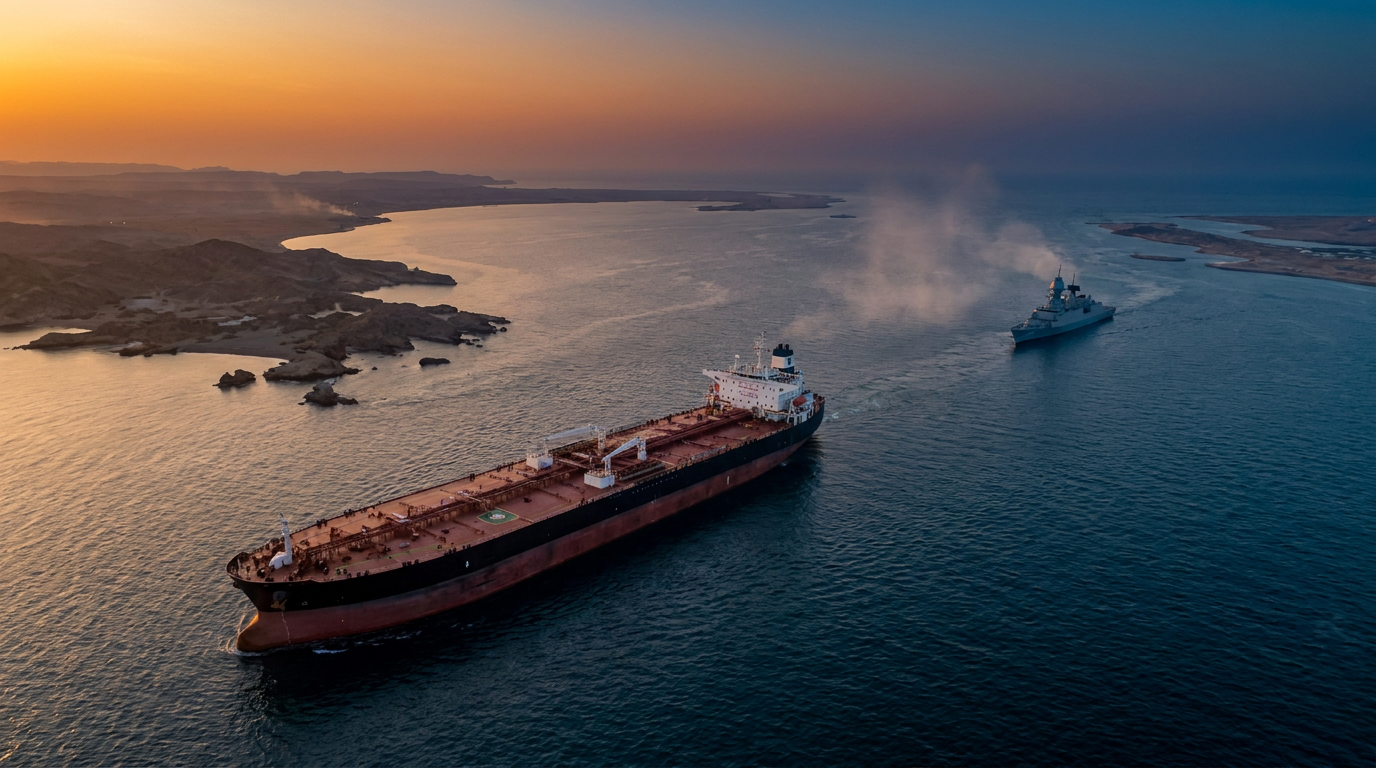
The immediate and most globally consequential mechanism of the deal is the reopening of the Strait of Hormuz. Trump stated that the vital shipping lane, which Iran has blockaded for weeks, will be "open to all" immediately after the ink dries, with no tolls imposed on commercial vessels. This narrow waterway is a critical artery for the global economy, and its closure has sent shockwaves through energy markets. By guaranteeing free passage, the agreement seeks to instantly relieve the economic pressure that has mounted on oil-importing nations since the blockade began.[3][5]
In exchange for unblocking the strait, the United States has agreed to lift its naval blockade on Iran. This reciprocal de-escalation forms the core of the first stage of the agreement, aiming to restore the flow of global oil supplies that have been severely disrupted by the conflict. The synchronized lifting of blockades is designed to build immediate confidence between the two adversaries, providing a tangible economic and security dividend before the more complex and intractable issues are tackled at the negotiating table. U.S. officials have emphasized that the lifting of the naval blockade is strictly contingent on Iran's verifiable reopening of the waterway.[5][6]
However, the timeline remains a point of contention, highlighting the fragility of the diplomatic process. While Washington projects a Sunday signing, Iranian Foreign Ministry spokesman Esmaeil Baqaei cautioned that the exact date is yet to be determined, explicitly stating it "will not be tomorrow," though acknowledging it could happen in the coming days. This public friction over scheduling reflects Tehran's desire to project strength and avoid the appearance of capitulating to an American timeline, even as its diplomats finalize the technical details of the memorandum. The conflicting narratives underscore the delicate domestic balancing act both governments must perform as they sell the ceasefire to their respective publics.[4][6]

The structure of the deal is a phased memorandum of understanding rather than a comprehensive final treaty. According to diplomatic sources, the MOU establishes a 60-day ceasefire window. During this period, the warring parties are expected to transition from military posturing to technical-level negotiations. This two-month pause is intended to freeze the conflict in place, preventing further escalation while giving negotiators the breathing room required to draft a permanent, binding resolution to the underlying disputes that triggered the war. By separating the immediate cessation of hostilities from the long-term geopolitical settlements, mediators hope to prevent the entire peace process from collapsing over a single sticking point.[3][5]
The ceasefire is also expected to extend to Lebanon, where Israeli forces have been engaged in intense fighting with the Iranian-allied militant group Hezbollah. While Israel is not a direct party to the US-Iran negotiations, the regional pause is designed to cool multiple interconnected flashpoints simultaneously. The inclusion of the Lebanese theater in the MOU highlights the sprawling nature of the 107-day war, which has activated proxy networks across the Middle East. A halt in fighting there would provide critical relief to civilian populations caught in the crossfire, though Israeli officials have maintained that they will not withdraw from their current positions in southern Lebanon until their specific security objectives are met.[3][4]
The ceasefire is also expected to extend to Lebanon, where Israeli forces have been engaged in intense fighting with the Iranian-allied militant group Hezbollah.
The most ambitious—and disputed—claims surround Iran's nuclear program. President Trump asserted that under the agreement, Iran will abandon all plans to obtain a nuclear weapon and that the US will eventually extract and destroy Iran's enriched uranium, which he referred to as "Nuclear Dust." He suggested that American bombers could be used to retrieve the material from deep underground facilities once the situation has calmed down, framing the deal as a definitive end to Tehran's nuclear ambitions. This rhetoric is designed to assure domestic critics that the ceasefire is not merely a pause, but a permanent dismantling of the strategic threat that precipitated the conflict.[1][3]
Evidence from the negotiating text suggests a more nuanced reality. The MOU includes a framework for addressing Iran's enriched uranium stockpile, but any concrete action to dismantle the nuclear program would depend on a second, more detailed accord negotiated during the 60-day ceasefire. Iranian officials have consistently maintained that their nuclear program is for peaceful purposes, and agreeing to surrender their entire stockpile of enriched uranium would represent a massive, unprecedented concession that is unlikely to be finalized in a preliminary memorandum. Instead, the current text merely sets the parameters for future discussions, leaving the most intractable nuclear questions unresolved for the time being.[5][6]
The prospect of the deal has ignited fierce domestic backlash within Iran, exposing deep rifts between pragmatists and hardliners. In the northeastern city of Mashhad, dozens of protesters gathered outside a Foreign Ministry office, chanting "death to dishonourable Araghchi, the infiltrator," in reference to Iran's top diplomat, Abbas Araghchi. The demonstrations featured women in black chadors waving red and black flags, signaling a potent ideological opposition to any compromise with Washington. This internal resistance complicates the negotiating team's mandate, as they must secure an agreement that satisfies international demands without triggering a political crisis at home.[3][4]

These hardline factions argue that the negotiating team has made too many concessions. Specifically, they view the immediate reopening of the Strait of Hormuz as a strategic blunder, arguing that it deprives Tehran of its most potent leverage before a final, comprehensive treaty is secured. By relinquishing control over the maritime chokepoint upfront, critics claim Iran is giving away its primary bargaining chip in exchange for temporary sanctions relief and a fragile ceasefire that could be revoked at any time. They fear that once the oil begins flowing freely again, the international community will lose its urgency to address Iran's broader economic and security demands.[4]
The role of regional mediators has been crucial in bridging the gap between Washington and Tehran. Pakistani Prime Minister Shehbaz Sharif, acting as a key intermediary, expressed high optimism, stating that the two sides had agreed on a framework and that Islamabad was preparing for an "electronic signing" on Sunday. Pakistan's involvement highlights the broader regional desperation to end a war that has threatened to engulf neighboring states and devastate the economies of nations entirely reliant on the safe passage of goods through the Persian Gulf. The use of an electronic signing mechanism also reflects the logistical realities of finalizing a peace deal between two nations that do not maintain formal diplomatic relations.[3][6]
Another critical, yet opaque, component of the negotiations involves frozen Iranian assets. While the immediate focus is on maritime security and nuclear frameworks, the release of billions in frozen funds remains a vital incentive for Tehran to comply with the phased de-escalation. Access to these funds is essential for an Iranian economy battered by years of sanctions and the immense financial toll of the 107-day war, making it a non-negotiable pillar of any lasting peace architecture. The exact mechanism for unfreezing these assets—and the conditions attached to their use—will likely dominate the technical-level talks scheduled to follow the initial memorandum.[6]

Despite the diplomatic breakthroughs, the reality on the ground remains volatile. Early Saturday, just hours before the anticipated signing, the US military shot down several Iranian attack drones in the Strait of Hormuz that were apparently targeting commercial ships, an incident Trump condemned as "totally unacceptable." This kinetic exchange serves as a stark reminder that until the memorandum is formally executed and orders are passed down the chain of command, the theater of war remains highly active and prone to sudden escalations. Such skirmishes threaten to derail the fragile trust being built by diplomats in foreign capitals.[3]
This ongoing friction underscores the profound uncertainty surrounding the MOU. The 60-day window will serve as a high-stakes test of compliance, requiring both sides to navigate deep-seated mistrust, domestic political pressures, and the complex logistics of unwinding a 107-day war. If the technical talks succeed, the Middle East could see a historic realignment; if they fail, the region risks plunging back into an even more destructive phase of open conflict, with the Strait of Hormuz once again caught in the crosshairs. The coming weeks will determine whether this memorandum is the foundation of a lasting peace or merely a brief intermission in a prolonged geopolitical struggle.[1][5]
How we got here
March 2026
The current phase of the US-Iran war begins, leading to the blockade of the Strait of Hormuz.
Early June 2026
Mediators from Pakistan facilitate indirect talks between Washington and Tehran to draft a ceasefire framework.
June 13, 2026
President Trump announces a deal is ready for a Sunday signing, while US forces shoot down Iranian drones in the strait.
June 14, 2026
Iranian officials downplay the Sunday timeline, though Pakistan prepares for an electronic signing.
Viewpoints in depth
US Administration's view
The deal represents a definitive victory that immediately secures global shipping and dismantles Iran's nuclear threat.
President Trump and US officials frame the memorandum as a total capitulation by Tehran. They emphasize the immediate, toll-free reopening of the Strait of Hormuz as a massive economic win for the global market. Furthermore, the administration asserts that the deal guarantees Iran will abandon its nuclear ambitions, promising that the US will eventually extract and destroy Iran's enriched uranium stockpile. This perspective views the 60-day window not as a period of equal negotiation, but as a timeline for Iran to comply with American security demands.
Iranian Pragmatists' view
The memorandum is a necessary, phased de-escalation that provides economic relief without surrendering long-term sovereignty.
Led by figures like Foreign Minister Abbas Araghchi, Iran's diplomatic corps views the agreement as a pragmatic pause to a devastating 107-day war. They emphasize that the current deal is merely a framework for future technical talks, not a final treaty. By agreeing to a 60-day ceasefire, they aim to secure the lifting of the US naval blockade and the release of frozen assets, providing critical relief to the Iranian economy. They push back against Washington's timeline and nuclear claims, insisting that their core infrastructure remains intact pending further negotiations.
Iranian Hardliners' view
Opening the Strait of Hormuz upfront is a strategic blunder that surrenders Iran's primary leverage.
Conservative factions and protesters within Iran view the preliminary agreement as a dangerous concession. They argue that the Strait of Hormuz is Tehran's most powerful bargaining chip against the United States and the international community. By agreeing to reopen the waterway immediately—before a comprehensive, binding treaty is signed and all sanctions are permanently lifted—hardliners believe the negotiating team is giving away their leverage for temporary, easily revocable relief. They view diplomats like Araghchi as having compromised national security.
What we don't know
- The exact date and time the memorandum will be officially signed, given conflicting statements from Washington and Tehran.
- How the technical-level talks will resolve the massive gap between US demands for nuclear dismantling and Iran's refusal to surrender its program.
- The specific mechanisms and timeline for releasing billions of dollars in frozen Iranian assets.
Key terms
- Strait of Hormuz
- A narrow, strategically vital waterway between the Persian Gulf and the Gulf of Oman through which a massive portion of the world's oil supply passes.
- Memorandum of Understanding (MOU)
- A formal agreement between two or more parties that establishes a framework for cooperation, though it is often less binding than a finalized treaty.
- Naval Blockade
- The use of naval forces to cut off a specific area, preventing ships from entering or leaving, used by the US to pressure Iran.
- Enriched Uranium
- Uranium that has been processed to increase the concentration of the U-235 isotope, which can be used for nuclear power or, at higher levels, nuclear weapons.
Frequently asked
Is the US-Iran war officially over?
Not yet. The proposed agreement is a 60-day ceasefire and a framework for further negotiations, rather than a permanent peace treaty.
Will oil prices drop because of this deal?
The immediate reopening of the Strait of Hormuz is designed to restore the flow of global oil supplies, which is expected to relieve pressure on energy markets.
Did Iran agree to give up its nuclear weapons program?
President Trump claims Iran will abandon its nuclear ambitions and surrender its enriched uranium, but Iranian officials maintain the deal is only a framework and nuclear details will be negotiated later.
Why are people protesting in Iran?
Hardline factions in Iran believe that reopening the Strait of Hormuz immediately gives away the country's best leverage before a final, comprehensive deal is secured.
Sources
Source coverage
6 outlets
4 viewpoints surfaced






[1]Al JazeeraIranian Hardliners
Iran war day 107: Washington, Tehran close to signing first stage of deal
Read on Al Jazeera →[2]The GuardianRegional Mediators
Middle East crisis live: Trump says Iran deal will be signed today but Tehran casts doubt on timing
Read on The Guardian →[3]CBS NewsUS Administration
Iran peace deal to be signed Sunday and strait reopened immediately, Trump says
Read on CBS News →[4]The HinduIranian Pragmatists
Trump says peace deal with Iran ready for signing
Read on The Hindu →[5]AxiosUS Administration
What's in the Iran deal Trump says he's ready to sign
Read on Axios →[6]The Straits TimesIranian Pragmatists
Trump says deal to end war will be signed on June 14, Iran questions timing
Read on The Straits Times →
More in news politics
See all 5 stories →Strait of Hormuz
U.S. and Iran Near Peace Deal to Reopen Strait of Hormuz, Though Timing Remains Disputed
0 sources
Strait of Hormuz
U.S. and Iran Near Peace Deal to Reopen Strait of Hormuz, Though Timelines Clash
0 sources
Maritime Security
UK Forces Intercept Russian Shadow Fleet Tanker in the English Channel
0 sources
Every angle. Every day.
Get news politics stories with full source coverage and perspective breakdowns delivered to your inbox.