
The Glymphatic System: How Deep Sleep Washes the Brain
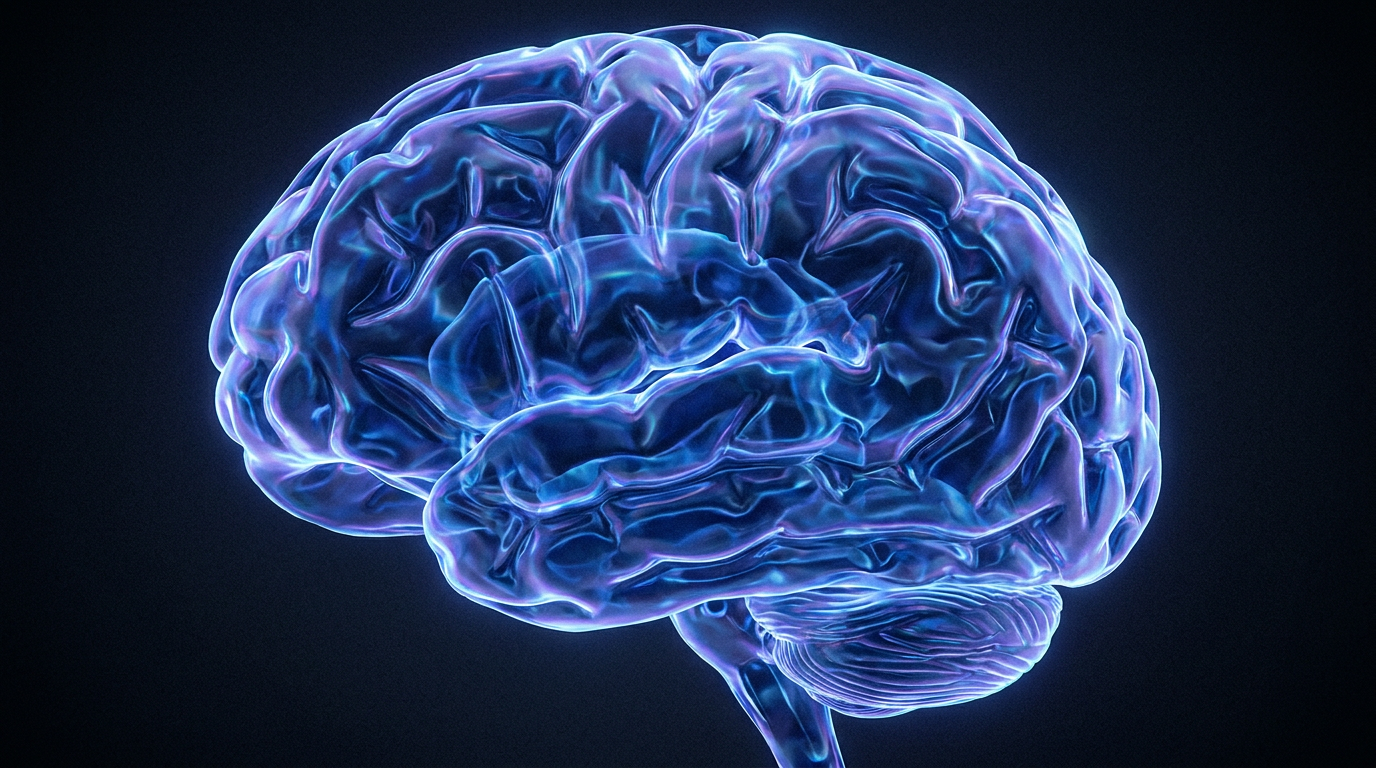
Discovered just over a decade ago, the glymphatic system acts as the brain's built-in plumbing network, flushing out toxic proteins and metabolic waste primarily during deep sleep.
By Factlen Editorial Team
- Neuroscience Researchers
- Scientists studying the precise mechanical and electrical triggers that allow the brain to cleanse itself.
- Clinical Neurologists
- Medical professionals focused on how glymphatic dysfunction drives cognitive decline and brain diseases.
- Preventative Health Advocates
- Experts emphasizing actionable lifestyle changes to maintain brain health and optimize waste clearance.
What's not represented
- · Shift Workers
- · Insomnia Patients
Why this matters
Understanding how the brain physically cleanses itself transforms sleep from a passive period of rest into an active, essential biological maintenance cycle. Optimizing this nightly 'wash' offers actionable ways to protect long-term cognitive health and potentially delay neurodegenerative diseases.
Key points
- The glymphatic system is a recently discovered brain network that uses cerebrospinal fluid to flush out toxic metabolic waste.
- This clearance process is highly active during deep, slow-wave sleep and largely disengaged during wakefulness.
- Electrical slow-waves in the sleeping brain trigger drops in blood volume, which mechanically pull cleaning fluid into the tissue.
- Chronic sleep deprivation impairs this system, leading to the buildup of amyloid-beta and tau proteins linked to Alzheimer's disease.
- Lifestyle factors, including cardiovascular exercise and sleeping in a lateral position, can actively support glymphatic efficiency.
For as long as humans have studied biology, sleep has presented an evolutionary paradox. Every night, we willingly surrender consciousness, mobility, and vigilance, leaving ourselves vulnerable to predators and the elements. Yet sleep is universal across the animal kingdom, suggesting it serves a purpose so vital that it outweighs the immense survival risks. For decades, scientists understood that sleep consolidated memories and restored energy, but the physical mechanics of why the brain required this daily offline period remained largely a mystery.[1][2]
That changed just over a decade ago with a landmark discovery at the University of Rochester. Neuroscientist Maiken Nedergaard and her colleagues identified a previously unknown, macroscopic waste clearance network in the brain. They dubbed it the "glymphatic system"—a portmanteau of "glia" (the brain cells that manage the network) and "lymphatic" (the body's peripheral waste-clearing system). This discovery fundamentally shifted the scientific understanding of sleep from a passive state of rest to a highly active, mechanical maintenance cycle.[2][4]
The brain is a high-performance engine, consuming a disproportionate amount of the body's energy. As brain cells metabolize fuel, they leave behind toxic byproducts, including lactic acid and proteins like amyloid-beta and tau. If allowed to accumulate, these proteins can clump together into plaques, which are the primary hallmarks of neurodegenerative conditions like Alzheimer's disease. The glymphatic system is the brain's dedicated plumbing network, designed to flush these dangerous metabolites out of the central nervous system before they can cause damage.[4][7]
The system relies on cerebrospinal fluid (CSF), the clear liquid that cushions the brain and spinal cord. During the day, the glymphatic system is largely disengaged, operating at a fraction of its capacity. But when the body enters non-rapid eye movement (NREM) slow-wave sleep—commonly known as deep sleep—the system springs into action. Levels of the neurotransmitter norepinephrine drop, causing the brain's glial cells to subtly shrink. This cellular contraction expands the interstitial space between brain cells, creating a low-resistance highway for fluid to flow.[2][4][5]

With the floodgates open, CSF is pumped along the outside of the brain's arteries, washes through the expanded brain tissue to collect waste, and drains out alongside the veins. This process increases the clearance of toxic proteins by 80 to 90 percent compared to waking hours. But scientists still needed to understand exactly what physical force was driving these massive fluid waves deep into the brain's dense tissue.[4][6][7]
Research from Laura Lewis and her team at Boston University and MIT provided the missing link. By placing sleeping volunteers inside advanced MRI scanners while monitoring their brain waves with EEG caps, the researchers observed a stunning, synchronized biological dance. They discovered that the slow, rhythmic electrical oscillations that define deep sleep are the actual pacemakers for the brain's fluid pump.[6]
Research from Laura Lewis and her team at Boston University and MIT provided the missing link.
The sequence is precise: First, a massive wave of electrical activity sweeps across the sleeping brain. Because the neurons momentarily fire and then fall silent together, their demand for oxygen plummets. This causes the blood vessels in the brain to constrict, reducing the total volume of blood in the skull. Because the skull is a rigid, closed container, that sudden drop in blood volume creates a vacuum, which pulls a massive, pulsing wave of cerebrospinal fluid into the brain to fill the space. The peak of this CSF wave occurs exactly 6.4 seconds after the electrical slow-wave.[6]

"It seems that the electrical neuronal rhythms your brain experiences during sleep are tightly coupled to these fluid dynamics," Lewis noted, highlighting that the brain's electrical, vascular, and fluid systems are intimately connected. This mechanical pumping action explains why deep, uninterrupted sleep is so critical: without the slow electrical waves, the brain cannot generate the physical force required to pull the cleaning fluid through its tissues.[1][6]
The consequences of disrupting this cycle are immediate and profound. In a recent study published in Nature Neuroscience, MIT researchers investigated what happens to the glymphatic system when a person is sleep-deprived. They found that the brain, desperate to clear its accumulating waste, attempts to force CSF waves into waking hours. However, this emergency cleaning comes at a severe cognitive cost.[3]
The researchers observed that these waking CSF waves perfectly coincided with momentary lapses in attention—the familiar "brain fog" or zoning out that accompanies exhaustion. About 12 seconds before the fluid wave hit, the subject's pupils would constrict, followed by a measurable failure to register external stimuli. "If you don't sleep, the CSF waves start to intrude into wakefulness where normally you wouldn't see them," Lewis explained, noting that the brain essentially forces a micro-sleep to wash itself, temporarily taking the person offline.[3]

Over the long term, chronic impairment of the glymphatic system is increasingly viewed as a major risk factor for neurological decline. When deep sleep is consistently disrupted—whether by sleep apnea, insomnia, or lifestyle choices—amyloid-beta and tau proteins are not fully cleared. Over decades, this microscopic buildup can trigger neuroinflammation and accelerate the onset of dementias. Furthermore, glymphatic dysfunction has been linked to chronic headache disorders, as the brain struggles to clear inflammatory mediators.[2][5]
Fortunately, emerging research suggests that lifestyle interventions can actively support and enhance glymphatic function. Sleep architecture is the most critical factor; interventions that increase the duration of NREM Stage 3 sleep directly boost waste clearance. Interestingly, the physical position of the body also matters. Animal and human studies indicate that sleeping in a lateral (side-sleeping) position aligns the brain's anatomy to optimize the efficiency of cerebrospinal fluid flow, making it superior to sleeping on the back or stomach.[5][7]

Cardiovascular health is equally vital. Because the glymphatic system relies on the pulsing of arteries to help drive fluid through the brain, conditions that stiffen blood vessels—such as hypertension and arteriosclerosis—can impair the brain's ability to wash itself. Regular aerobic exercise, which promotes vascular elasticity and deepens subsequent sleep, is considered one of the most effective ways to maintain a robust glymphatic system as we age.[5][7]
The discovery of the glymphatic system represents a paradigm shift in preventative neurology. It reframes sleep hygiene not merely as a tool for better energy or mood, but as a non-negotiable requirement for physical brain maintenance. By protecting our deep sleep, we are quite literally allowing our brains to wash away the toxic debris of the day, preserving our cognitive health for the decades to come.[1][2]
How we got here
2012
Maiken Nedergaard and her team at the University of Rochester first discover and name the 'glymphatic system' in mice.
2013
Researchers demonstrate that the brain's interstitial space expands by up to 60% during sleep, drastically increasing the clearance of amyloid-beta.
2019
Laura Lewis's lab at Boston University publishes fast-fMRI data showing that electrical slow-waves trigger massive pulses of cerebrospinal fluid in sleeping humans.
2025
MIT researchers reveal that sleep deprivation causes glymphatic fluid waves to intrude into wakefulness, directly causing attentional lapses.
Viewpoints in depth
Neuroscience Researchers
Scientists studying the precise mechanical and electrical triggers that allow the brain to cleanse itself.
For neuroscientists, the glymphatic system solves a decades-old mechanical mystery. By utilizing advanced fast-fMRI and EEG imaging, researchers have mapped the exact sequence of events: electrical slow-waves trigger a drop in blood volume, which creates a vacuum that pulls cerebrospinal fluid into the brain. This perspective emphasizes that the brain's electrical, vascular, and fluid systems are inextricably linked, and that sleep is an active, highly coordinated physiological event rather than a simple resting state.
Clinical Neurologists
Medical professionals focused on how glymphatic dysfunction drives cognitive decline and brain diseases.
Clinicians view the glymphatic system as a critical missing link in understanding neurodegenerative diseases. Because the system is responsible for clearing amyloid-beta and tau proteins, neurologists argue that chronic sleep disruption is not just a symptom of aging, but a direct driver of Alzheimer's disease and dementia. This camp is actively researching whether pharmacological or technological interventions can artificially boost glymphatic clearance in patients whose natural sleep architecture has degraded.
Preventative Health Advocates
Experts emphasizing actionable lifestyle changes to maintain brain health and optimize waste clearance.
This perspective translates complex fluid dynamics into everyday health protocols. Preventative health advocates stress that individuals have significant control over their brain's maintenance cycle. They champion interventions like prioritizing non-REM deep sleep, adopting a lateral sleep position to maximize fluid flow, and maintaining cardiovascular fitness to ensure the brain's arteries remain elastic enough to pump the clearing fluid. For this group, sleep hygiene is the ultimate preventative medicine.
What we don't know
- Whether artificially inducing slow-wave sleep through acoustic stimulation or medication can fully restore glymphatic function in aging brains.
- The exact mechanism by which the glymphatic system clears larger cellular debris beyond soluble proteins.
- How chronic use of common sleep medications, which alter natural sleep architecture, impacts long-term glymphatic clearance.
Key terms
- Glymphatic System
- The brain's waste clearance network, managed by glial cells, that flushes out toxins using cerebrospinal fluid.
- Cerebrospinal Fluid (CSF)
- The clear, watery fluid that surrounds and cushions the brain and spinal cord, acting as the cleaning agent for the glymphatic system.
- Amyloid-beta
- A metabolic waste protein that, if not properly cleared, can clump into plaques associated with Alzheimer's disease.
- Astrocytes
- A type of glial cell in the brain that helps regulate the flow of cerebrospinal fluid by shrinking during sleep to expand the interstitial space.
- Slow-Wave Sleep
- The deepest phase of non-rapid eye movement (NREM) sleep, characterized by synchronized electrical brain waves that trigger glymphatic clearance.
- Neurovascular Coupling
- The relationship between local neural activity and subsequent changes in cerebral blood flow.
Frequently asked
What is the glymphatic system?
It is the brain's macroscopic waste clearance network, using cerebrospinal fluid to flush out toxic proteins and metabolic byproducts.
When is the glymphatic system most active?
It is highly active during non-rapid eye movement (NREM) Stage 3 sleep, commonly known as deep or slow-wave sleep.
Can poor sleep lead to Alzheimer's disease?
Chronic sleep disruption impairs the brain's ability to clear amyloid-beta and tau proteins, which are key drivers of Alzheimer's and other dementias.
Does sleep position affect brain washing?
Yes. Studies suggest that sleeping in a lateral (side) position aligns the brain's anatomy to optimize the flow of cerebrospinal fluid.
What happens to the glymphatic system if I stay awake all night?
The brain attempts to force cerebrospinal fluid waves into waking hours to clear waste, which results in momentary lapses of attention and 'brain fog.'
Sources
Source coverage
7 outlets
3 viewpoints surfaced







[1]Factlen Editorial TeamPreventative Health Advocates
Synthesis by Factlen editorial team
Read on Factlen Editorial Team →[2]University of RochesterNeuroscience Researchers
Why is sleep so important? Your brain depends on it
Read on University of Rochester →[3]MIT NewsNeuroscience Researchers
This is your brain without sleep
Read on MIT News →[4]Cleveland ClinicClinical Neurologists
Glymphatic System: What It Is, Function & How It Works
Read on Cleveland Clinic →[5]Frontiers in NeurologyClinical Neurologists
Glymphatic system in neurological disorders and implications for brain health
Read on Frontiers in Neurology →[6]ALZFORUMNeuroscience Researchers
Deep Sleep Makes Waves for CSF
Read on ALZFORUM →[7]PMCPreventative Health Advocates
The Sleeping Brain: Harnessing the Power of the Glymphatic System through Lifestyle Choices
Read on PMC →

More in health
See all 6 stories →Vaccine Tech
How the First mRNA Flu Vaccine Won Unanimous FDA Committee Approval
8 sources

Regenerative Medicine
World's First Tooth Regrowth Drug Advances to Phase II Human Trials
5 sources
Longevity Science
The Science of Blue Zones: Separating Longevity Facts from Demographic Fiction
7 sources

Indoor Air Quality
The 'Building Immune System': How Next-Generation Indoor Air Technology is Transforming Preventive Health
7 sources

Every angle. Every day.
Get health stories with full source coverage and perspective breakdowns delivered to your inbox.