
How the First mRNA Flu Vaccine Won Unanimous FDA Committee Approval
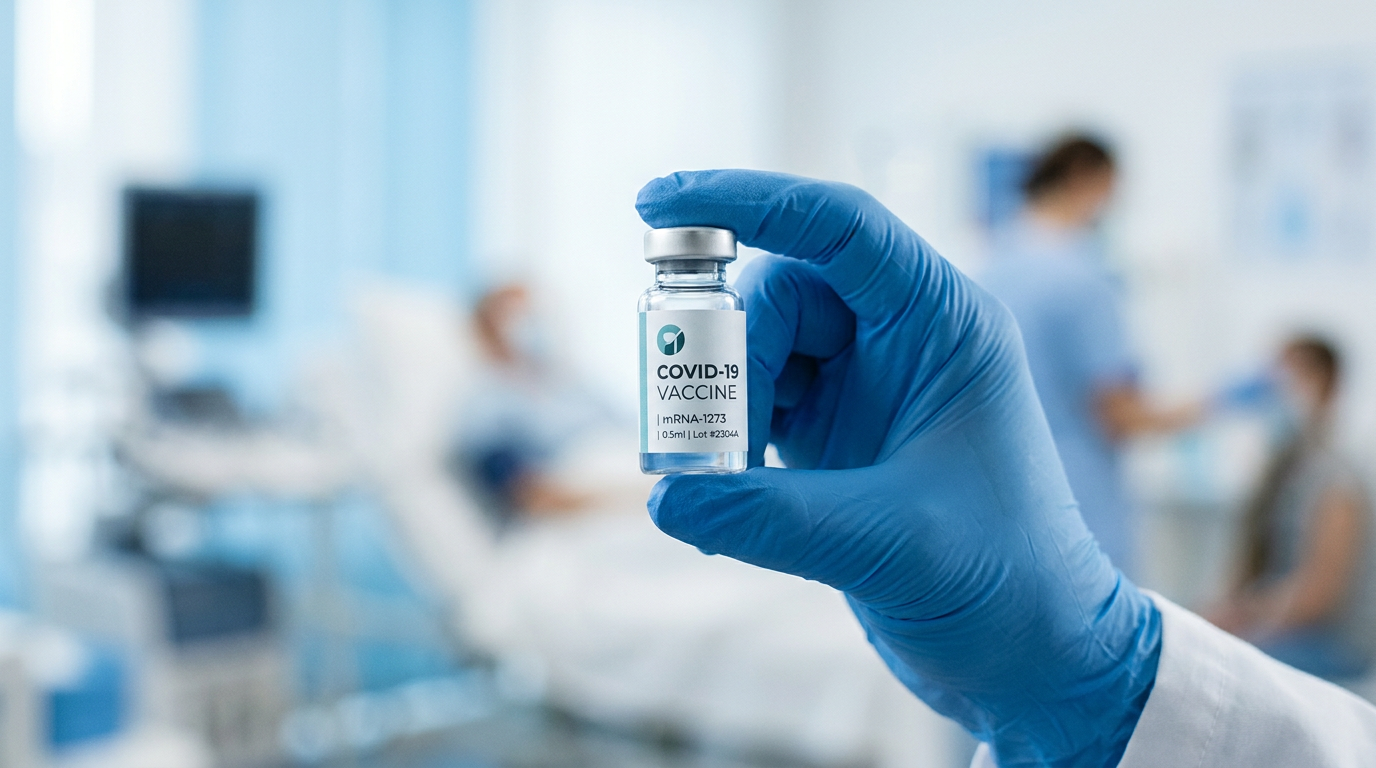
A federal advisory panel has unanimously recommended Moderna's mRNA-based influenza vaccine for adults 50 and older, paving the way for a faster, more adaptable approach to seasonal flu shots.
By Factlen Editorial Team
- Public Health Officials
- Emphasize the speed and adaptability of mRNA technology to prevent severe flu seasons.
- Regulatory Skeptics
- Focus on the need for rigorous comparative data against high-dose vaccines in older adults.
- Biotech Industry
- View the mRNA platform as a versatile, egg-free future for all respiratory immunizations.
What's not represented
- · Primary Care Physicians
- · Health Insurance Providers
Why this matters
Traditional flu vaccines take six months to manufacture, forcing health officials to guess which strains will circulate long before winter arrives. By shrinking production time to just two months, mRNA technology allows for a much more accurate match, potentially preventing thousands of hospitalizations during severe flu seasons.
Key points
- An FDA advisory committee voted 9-0 to recommend Moderna's mRNA flu vaccine for adults 50 and older.
- The mRNA platform shrinks vaccine manufacturing time from six months to two or three months.
- Phase 3 trials showed the vaccine had a 26.6% higher relative efficacy than standard-dose shots.
- The FDA is requiring a massive post-marketing study for adults 65 and older to confirm long-term benefits.
- A final approval decision from the FDA is expected by August 5, 2026.
On June 18, 2026, the landscape of seasonal immunizations shifted as the Food and Drug Administration's top vaccine advisory committee voted unanimously to recommend the first-ever mRNA-based influenza vaccine. The 9-0 vote by the Vaccines and Related Biological Products Advisory Committee (VRBPAC) endorsed Moderna's investigational shot, known as mFlusiva or mRNA-1010, for adults aged 50 and older. The landmark decision marks a significant milestone in the effort to apply the breakthrough technology that helped end the COVID-19 pandemic to one of the world's most persistent and unpredictable respiratory viruses. If the agency follows the committee's advice, the United States could see a fundamentally new approach to flu prevention deployed in clinics and pharmacies as early as this fall.[1][2]
To understand the significance of the committee's endorsement, it is necessary to examine the structural flaws in how traditional flu vaccines are manufactured. For decades, the global standard has relied on growing influenza viruses in millions of chicken eggs or, more recently, in giant bioreactors containing mammalian cells. This biological cultivation is a slow, labor-intensive process that typically takes up to six months to complete. Because of this massive lead time, global health authorities are forced to place their bets in February or March, guessing which specific flu strains will be circulating when winter arrives in the Northern Hemisphere.[5][6]
That six-month guessing game is the primary reason seasonal flu shots often suffer from variable effectiveness. Influenza is a shape-shifting virus, constantly mutating through a process known as antigenic drift. If the virus mutates significantly between the spring selection and the fall rollout, the vaccine becomes a mismatch, leading to a surge in severe illnesses, hospitalizations, and deaths. Messenger RNA technology completely bypasses the need to grow the live virus. Instead, the vaccine delivers a synthetic genetic instruction manual to the body's cells, teaching them to produce a harmless protein that mimics the flu virus and triggers a robust immune response.[3][5][7]

By eliminating the biological incubation period, the mRNA platform shrinks the manufacturing timeline from six months down to just two or three months. During the advisory committee hearing, Dr. Evan Anderson, Moderna's vice president of epidemiology, testified that this compressed window is the technology's greatest public health asset. It allows scientists to delay the strain-selection decision until much closer to the start of flu season, drastically improving the accuracy of the match. Furthermore, if a completely new pandemic strain were to suddenly emerge, manufacturers could pivot and produce targeted mRNA doses in a fraction of the time required by legacy egg-based systems.[4][5][8]
The committee's unanimous backing was anchored by robust clinical evidence from the Phase 3 FLUENT trial, which enrolled nearly 41,000 adults across 11 countries during the 2024-2025 flu season. In a double-blind study, half of the participants received the experimental mRNA-1010 shot, while the other half received a licensed, standard-dose traditional vaccine. The results demonstrated that the mRNA vaccine achieved a 26.6 percent higher relative efficacy against protocol-defined influenza-like illness compared to the standard shot. It also showed higher efficacy in preventing emergency room visits and urgent care utilization.[2][3][7]

In a double-blind study, half of the participants received the experimental mRNA-1010 shot, while the other half received a licensed, standard-dose traditional vaccine.
Beyond efficacy, the committee closely scrutinized the vaccine's safety profile, particularly in light of the intense public focus on mRNA technology. Reviewers found no major safety deficiencies, noting that the side effects mirrored those seen during the COVID-19 rollout—primarily temporary injection site pain, fatigue, headaches, and muscle aches. Committee members emphasized that messenger RNA does not interact with the cellular nucleus or alter human DNA, pointing to the administration of over six billion mRNA doses globally since 2020 as a testament to the platform's underlying safety.[6][8]
The regulatory scrutiny also unfolded against a backdrop of heightened political tension. Health and Human Services Secretary Robert F. Kennedy Jr., who oversees the FDA, has been a vocal critic of mRNA technology, even canceling $500 million in funding for other mRNA vaccine projects in late 2025. This environment made the FDA's initial handling of the flu vaccine application highly scrutinized. However, the unanimous, science-driven vote by the independent advisory committee provided a strong counterweight, with experts like Dr. Anna Durbin of Johns Hopkins University calling the immune reaction data highly compelling and urging the public to have confidence in the vote.[5][7][8]
Despite the strong clinical data, the vaccine's path to the advisory committee was marked by a highly unusual regulatory dispute. In February 2026, the FDA issued a rare "refusal-to-file" letter, initially declining to even review Moderna's application. Agency scientists argued that the clinical trial design was flawed because it tested the mRNA shot against a standard-dose flu vaccine. For older adults, the current standard of care typically involves high-dose or adjuvanted vaccines, which are specifically formulated to provoke a stronger immune response in aging immune systems. Reviewers felt the trial did not adequately prove the new shot was superior to the best available options for seniors.[4][6][7]

The refusal sparked immediate backlash from industry observers and public health advocates, who warned that shifting regulatory goalposts could stifle vaccine innovation. Following a rapid series of formal meetings between Moderna and the FDA—and amid high-level leadership departures at the agency—regulators reversed their stance just days later and agreed to review the data under a modified framework. During the June hearing, committee members acknowledged the evidence gaps in the older demographic but ultimately concluded that the overall safety and efficacy data were too compelling to ignore, leading to the unanimous 9-0 votes.[6][7]
To resolve the lingering concerns about the comparator vaccine, the FDA and Moderna agreed to a split-track regulatory pathway. The company is seeking full, traditional approval for adults aged 50 to 64. However, for adults aged 65 and older, the agency is utilizing its accelerated approval pathway. This mechanism allows the FDA to greenlight the vaccine based on the promising Phase 3 data, but it legally requires Moderna to conduct a massive post-marketing confirmatory trial. That upcoming study is expected to enroll up to 800,000 participants over two flu seasons to definitively prove the mRNA shot's real-world superiority in the most vulnerable age group.[2][7]
With the advisory committee's endorsement secured, the final hurdle rests with the FDA's executive leadership, which has set a target action date of August 5, 2026, to issue a final decision. While the agency is not legally bound to follow the advice of its independent committees, it rarely deviates from a unanimous recommendation. If approved, the vaccine will then move to the Centers for Disease Control and Prevention's advisory panel, which will draft the specific clinical guidelines for doctors and pharmacies. Barring any further regulatory logjams, the first egg-free, mRNA seasonal flu shots could be injected into patients' arms before the leaves begin to fall.[3][4][6]
How we got here
2024–2025
Moderna conducts the Phase 3 FLUENT trial with nearly 41,000 participants globally.
Feb 2026
The FDA initially refuses to review Moderna's application, citing concerns over the trial's comparator vaccine.
Late Feb 2026
Following meetings and public backlash, the FDA reverses its decision and accepts the application.
June 18, 2026
The FDA's advisory committee votes 9-0 to recommend the vaccine for adults 50 and older.
Aug 5, 2026
The FDA's target date to issue a final decision on the vaccine's approval.
Viewpoints in depth
Public Health Officials
Epidemiologists emphasize the critical advantage of manufacturing speed in preventing severe flu seasons.
For infectious disease experts, the perennial challenge of the flu is "antigenic drift"—the virus mutates between the time a vaccine is formulated in the spring and when it is administered in the fall. Experts argue that shrinking the production window from six months to two months allows health agencies to select the target strain much later, drastically reducing the risk of a mismatch. They view the mRNA platform as a vital tool for both seasonal readiness and rapid pandemic response.
Regulatory Reviewers
Agency scientists focused on ensuring the new technology was rigorously tested against the best available alternatives.
While the advisory committee ultimately voted unanimously, FDA staff initially expressed skepticism regarding the clinical trial design. Reviewers pointed out that older adults typically receive high-dose or adjuvanted flu vaccines, yet Moderna tested its mRNA shot against a standard-dose comparator. This cautious approach led to the requirement of a massive 800,000-person post-marketing study to definitively prove the vaccine's superiority in the 65-and-older demographic before granting full traditional approval.
Biotech Industry
Vaccine developers view the mRNA platform as a versatile, highly adaptable foundation for the future of immunizations.
For developers like Moderna, the unanimous committee vote validates the broader potential of messenger RNA beyond the COVID-19 pandemic. Industry leaders argue that synthetic, egg-free manufacturing is not only faster but more reliable, eliminating the risk of egg-adapted mutations that can sometimes reduce a traditional vaccine's effectiveness. They see this approval as a stepping stone toward combination vaccines that could protect against multiple respiratory viruses in a single annual shot.
What we don't know
- Whether the FDA's executive leadership will grant final approval by the August 5 deadline.
- How the mRNA vaccine will perform against high-dose comparators in the upcoming 800,000-person post-marketing trial.
- Whether insurance providers will fully cover the new vaccine if it is priced higher than traditional options.
Key terms
- Messenger RNA (mRNA)
- A technology that delivers genetic instructions to cells, teaching them how to make a protein that triggers an immune response.
- Antigenic Drift
- The natural process where flu viruses mutate over time, often rendering seasonal vaccines less effective if they don't match the new strain.
- VRBPAC
- The Vaccines and Related Biological Products Advisory Committee, an independent panel of experts that advises the FDA on vaccine approvals.
- Accelerated Approval
- An FDA pathway that allows early approval of drugs for serious conditions based on promising data, requiring further study to confirm the benefits.
Frequently asked
When will the mRNA flu vaccine be available?
If the FDA grants final approval by its August 5 deadline, the vaccine could be available for the 2026-2027 flu season.
Who is this vaccine recommended for?
The FDA advisory committee recommended the vaccine for adults aged 50 and older.
Does this use the same technology as COVID-19 shots?
Yes, it uses the same messenger RNA platform developed by Moderna during the pandemic.
Why is an mRNA flu vaccine faster to make?
It relies on synthetic genetic instructions rather than growing live viruses in chicken eggs, cutting production time in half.
Sources
Source coverage
8 outlets
3 viewpoints surfaced








[1]NPRPublic Health Officials
FDA committee unanimously recommends first mRNA flu vaccine
Read on NPR →[2]BioPharma DiveBiotech Industry
Moderna's mRNA flu vaccine wins unanimous support from FDA panel
Read on BioPharma Dive →[3]Pharmacy TimesBiotech Industry
FDA Panel Unanimously Backs Moderna's Breakthrough mRNA Flu Vaccine
Read on Pharmacy Times →[4]Drug TopicsRegulatory Skeptics
FDA Committee Votes Unanimously to Recommend mRNA Flu Vaccine
Read on Drug Topics →[5]PBS NewsHourPublic Health Officials
A new kind of flu vaccine moved a step closer to the U.S. market
Read on PBS NewsHour →[6]Fierce BiotechBiotech Industry
Moderna's flu candidate sails through FDA advisory committee in unanimous votes
Read on Fierce Biotech →[7]CIDRAPRegulatory Skeptics
Moderna's mRNA flu vaccine gets thumbs up from federal vaccine panel
Read on CIDRAP →[8]Boise State Public RadioPublic Health Officials
FDA committee unanimously recommends first mRNA flu vaccine
Read on Boise State Public Radio →



Every angle. Every day.
Get health stories with full source coverage and perspective breakdowns delivered to your inbox.