
System Over Stars: How Thomas Tuchel's Ruthless Tactics Transformed England at the 2026 World Cup
Thomas Tuchel has re-engineered England into a high-octane, vertical attacking machine, sacrificing star names for a cohesive system that overwhelmed Croatia 4-2 in their World Cup opener.
By Meera Iyer

Share this story
England's 4-2 victory over Croatia at AT&T Stadium in Arlington wasn't just a successful opening to their 2026 World Cup campaign; it was a violent departure from the past. For years, the Three Lions were defined by cautious possession and a reluctance to risk structure for penetration. Under Thomas Tuchel, that conservatism has been incinerated. In its place is a high-octane, vertical attacking machine that overwhelmed a veteran Croatian side with pace, power, and a ruthless pressing trigger.[1]
The foundation of this transformation was laid weeks before the tournament, when Tuchel made the polarizing decision to leave Premier League stars like Phil Foden, Cole Palmer, and Trent Alexander-Arnold at home. The rationale was simple but brutal: Tuchel is not interested in assembling an All-Star team; he is building a functional, interconnected club-style system. Players who demand the ball to feet in congested central areas were sacrificed for athletes who naturally attack space.[2]
The tactical centerpiece of this new England is the deployment of Harry Kane. Rather than operating as a traditional focal point, Kane is instructed to drop deep into the midfield, replicating the role he perfected at Bayern Munich. When Kane withdraws, he drags opposition center-backs with him, creating massive voids in the defensive line.
This is where Tuchel's controversial squad selection suddenly makes perfect sense. With Kane vacating the center, England relies on the explosive, direct running of Jude Bellingham, Marcus Rashford, and Anthony Gordon to penetrate the space left behind. England's third goal against Croatia perfectly illustrated this mechanism: Kane dropped, the defense stepped up, and Bellingham surged past the backline to latch onto a first-time pass from Elliot Anderson, burying it with a single touch.[3]
Behind the forward line, the midfield dynamic has been entirely re-engineered. The emergence of Elliot Anderson as a dedicated number six has been the skeleton key for England's buildup. By anchoring the base of the midfield, Anderson liberates Declan Rice to push higher into the left half-space, operating as a dynamic number eight. This mirrors the role Rice plays for Arsenal, allowing him to trigger high turnovers and crash the box late.[2]
In possession, England's nominal 4-2-3-1 formation fluidly morphs into a 3-2-5 or even a 2-3-5. Fullbacks like Reece James and Nico O'Reilly are tasked with either holding maximum width to stretch the opposition horizontally or inverting into the midfield to create central overloads. This push-and-pull structure forces opponents to constantly adjust, creating the 1-on-1 matchups that England's wingers thrive on.[2]
Tuchel has also weaponized set pieces, treating them with an almost obsessive level of detail. Aided by specialist coaches Anthony Barry and Paul Quilter, England has developed an 'NFL-like playbook' of routines. Against man-marking systems, they deploy basketball-style screens and blocks to free up aerial targets like Marc Guéhi and Dan Burn, ensuring that even when open play stalls, the team retains a lethal route to goal.
However, this relentless, front-footed approach carries significant physical risks. Former England international Nicky Butt has voiced concerns that attempting to play a high-tempo 'Premier League style' in the sweltering North American summer could prove unsustainable. Butt warned that against elite possession teams like Spain, England's aggressive pressing could leave them physically depleted by the 60th minute, resulting in players chasing shadows as the opposition dictates the pace.
Despite the physical demands, the psychological shift within the squad is palpable. The players appear entirely bought into a system that demands absolute tactical discipline and relentless energy. By prioritizing structural cohesion over individual brilliance, Tuchel has gambled his reputation on a specific vision of modern football. If the dismantling of Croatia is any indication, it is a gamble that might finally end decades of tournament heartbreak.[1][3]
Key points
- England defeated Croatia 4-2 in their opening 2026 World Cup match in Arlington, Texas.
- Thomas Tuchel has implemented a highly vertical, transition-heavy tactical system.
- Harry Kane drops deep into midfield to create space for fast, direct runners like Jude Bellingham.
- Star creators like Phil Foden and Cole Palmer were omitted to maintain system cohesion.
- Critics warn the high-tempo pressing style could cause physical burnout in the North American heat.
How we got here
Jan 2025
Thomas Tuchel is appointed manager of the England national team.
May 2026
Tuchel names his World Cup squad, controversially omitting star creators like Phil Foden and Cole Palmer.
Jun 17, 2026
England opens their World Cup campaign with a dominant 4-2 victory over Croatia in Arlington, Texas.
- System Purists
- Advocates for prioritizing tactical fit over individual star power.
- Pragmatic Skeptics
- Critics concerned about the physical toll of high-intensity tactics.
- Optimistic Supporters
- Thrilled by the aggressive, front-footed approach and the immediate results.
Perspectives this story doesn't cover
- Croatian tactical analysts evaluating how their midfield was overrun.
- The omitted players' camps on being sacrificed for the system.
Sources
Source coverage
3 outlets
3 viewpoints surfaced



- [1]Al JazeeraOptimistic Supporters
England vs Croatia: LIVE – World Cup 2026
Read on Al Jazeera → - [2]The AthleticSystem Purists
How Tuchel's England will actually play
- [3]The OverlapOptimistic Supporters
Why England's Tactics PROVED They Can Win The World Cup
More in Sports
See all →Tactics
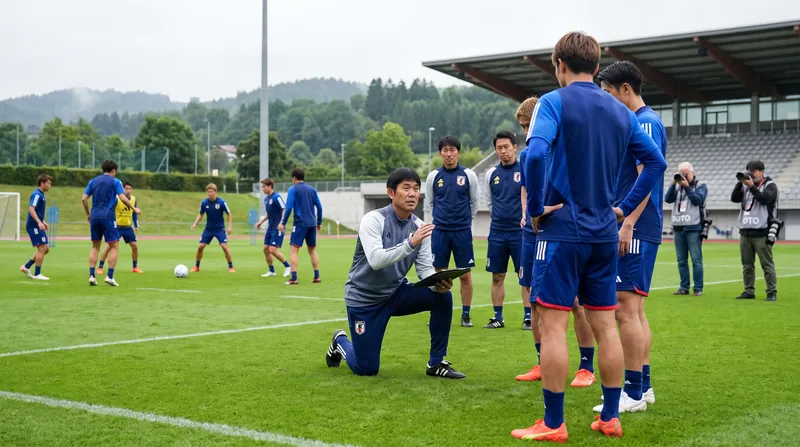
The Hybrid Engine: How Hajime Moriyasu Transformed Japan from Counter-Attackers to Possession Architects
4 sources
Tactics
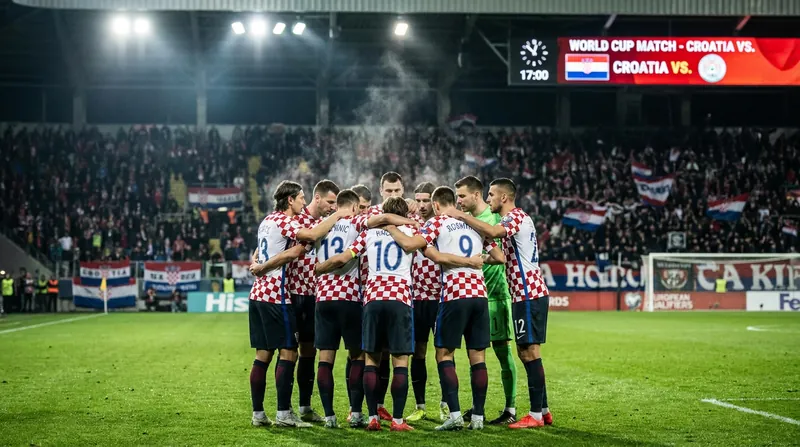
The Art of Suffering: How Zlatko Dalić Built Croatia’s Unbreakable World Cup Midfield
2 sources
Tactics
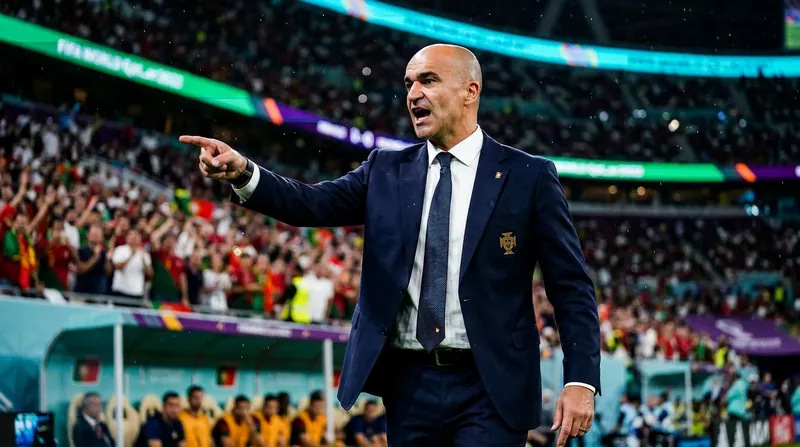
The Martínez Matrix: How Portugal Built the World Cup's Most Fluid Attacking Rotation
2 sources
Tactics
The Deschamps Doctrine: How France Perfected the Asymmetric World Cup Attack
3 sources

Comments
Every angle. Every day.
Get Sports stories with full source coverage and perspective breakdowns, free every day.