
US-Iran Pact on the Brink as Tehran Threatens Strait of Hormuz Over Israeli Strikes
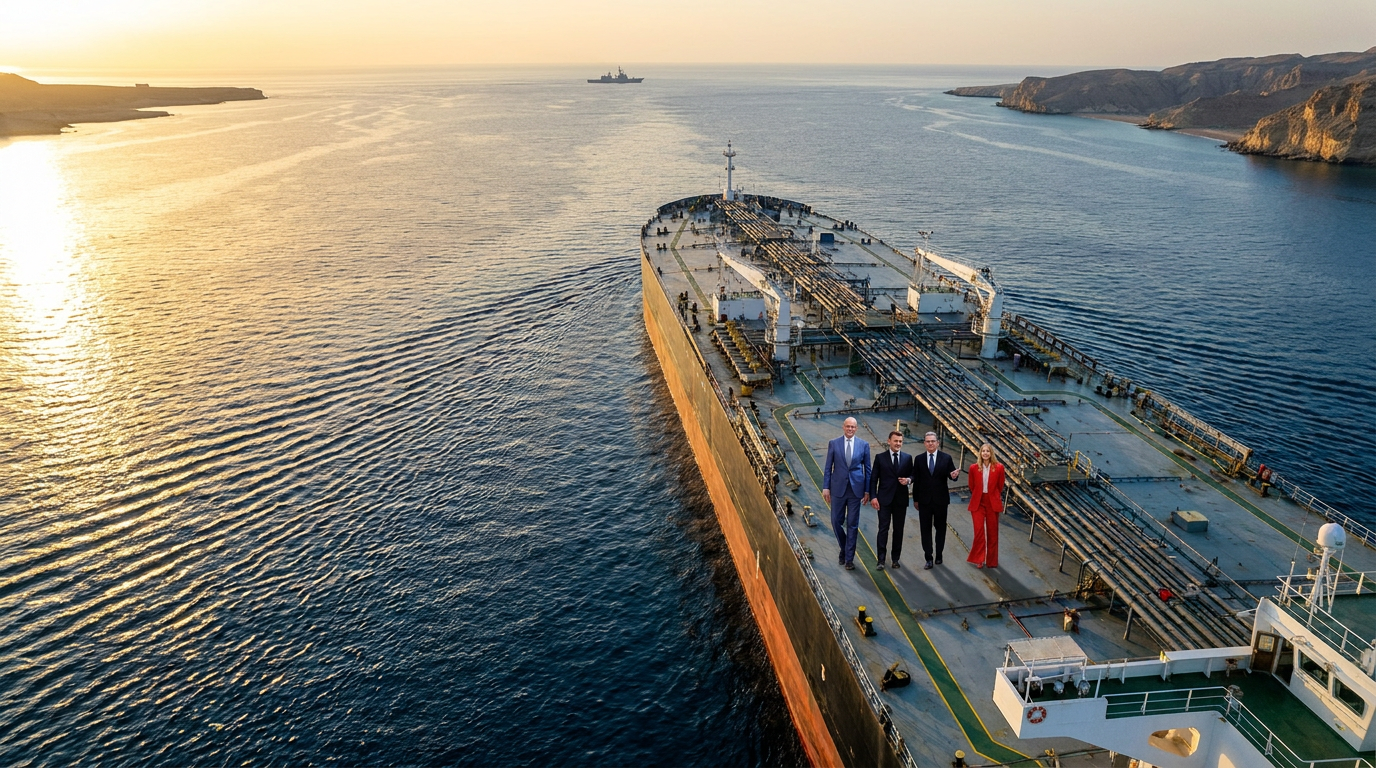
A newly signed Memorandum of Understanding between the US and Iran faces immediate collapse as Tehran threatens to choke off global oil supplies in response to Israeli military action in Lebanon.
By Factlen Editorial Team
- Israeli Security Establishment
- Views the deal as a dangerous appeasement that enriches Iran while ignoring its proxy warfare in Lebanon and Gaza.
- US Administration
- Argues the MoU is a necessary pragmatic step to avoid a broader war and contain Iran's nuclear ambitions.
- Iranian Hardliners
- Maintains that the US cannot be trusted and that Israel's actions in Lebanon invalidate any de-escalation agreements.
- Global Economic Analysts
- Focused purely on the catastrophic market implications of a Hormuz closure, urging immediate diplomatic off-ramps.
What's not represented
- · Lebanese Civilians
- · European Energy Importers
Why this matters
The closure of the Strait of Hormuz would instantly disrupt 20% of the world's oil supply, sending gas prices soaring and threatening a global recession, while the collapse of the US-Iran pact could pull American forces into a direct Middle Eastern conflict.
Key points
- Iran has threatened to close the Strait of Hormuz in retaliation for Israeli military strikes in Lebanon.
- Tehran claims the Israeli strikes violate the terms of a newly signed US-Iran Memorandum of Understanding.
- The threat caused global oil prices to spike 6%, pushing Brent crude above $114 a barrel.
- The Trump administration is scrambling to save the diplomatic pact while managing intense backlash from Israel.
- The US Navy has increased its patrol presence near the strait to protect commercial shipping lanes.
The ink is barely dry on a historic Memorandum of Understanding between the Trump administration and Tehran, but the diplomatic framework is already facing a severe stress test. On Saturday, Iran threatened to close the Strait of Hormuz—the world's most critical oil chokepoint—citing ongoing Israeli military strikes in Lebanon. Tehran claims these strikes violate the implicit regional de-escalation terms brokered by Washington, putting the entire agreement at risk of immediate collapse.[2][4]
President Trump has touted the MoU as a signature "peace through strength" achievement, arguing it prevents a nuclear-armed Iran without committing American troops to another Middle Eastern war. The White House is now scrambling to salvage the deal, dispatching envoys to both Jerusalem and regional Arab capitals. Administration officials insist the pact remains the best vehicle to stabilize the region, even as critics at home and abroad declare it dead on arrival.[3][6]
In Israel, the reaction to the US-Iran pact has been swift and furious. Public outrage is mounting, with many Israelis feeling betrayed by their closest ally. Prime Minister Benjamin Netanyahu has reportedly called the MoU a "historic betrayal," arguing it provides Tehran with sanctions relief while failing to curb its proxy networks, particularly Hezbollah in Lebanon. The sentiment on the ground reflects a deep anxiety that Washington has prioritized a diplomatic win over Israel's immediate security needs.[1][7]
The immediate trigger for the crisis is the escalating conflict across the Israel-Lebanon border. Despite claims of a ceasefire, Israeli forces have continued strikes against what they identify as entrenched Hezbollah positions. Iran, which heavily backs the militant group, views these strikes as a direct breach of the US-brokered understanding, arguing Washington promised to rein in Israeli operations as part of the broader diplomatic reset.[2][4]

The immediate trigger for the crisis is the escalating conflict across the Israel-Lebanon border.
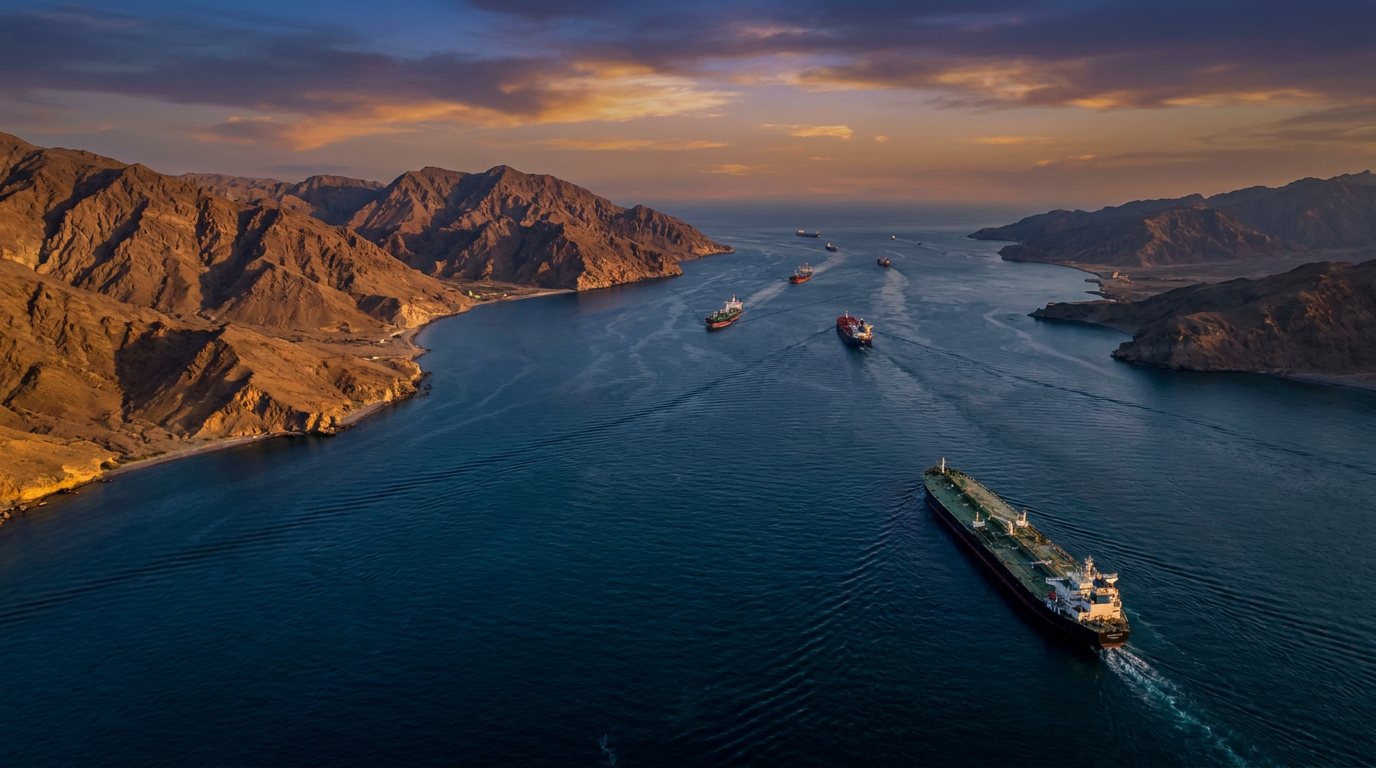
Tehran's retaliation threat targets the jugular of the global economy: the Strait of Hormuz. A narrow waterway between the Persian Gulf and the Gulf of Oman, the strait accommodates roughly 20% of the world's daily oil consumption. Iranian military commanders announced Saturday that if the US cannot halt Israeli operations in Lebanon, they will block all commercial shipping through the corridor, effectively weaponizing global energy markets.[2][8]
Global markets reacted instantly to the rhetoric. Brent crude spiked above $114 a barrel in weekend trading, a 6% jump that analysts warn is only a preview of the economic devastation a true blockade would cause. Energy analysts note that while the US is a net energy exporter, a prolonged closure would still send domestic gasoline prices soaring past $5 a gallon, creating a severe political liability for the administration ahead of the midterm cycle.[5][8]

The crisis has exposed deep fractures within US domestic politics. Progressive Democrats, who previously supported the Biden administration's attempts to revive the 2015 JCPOA, are cautiously backing the diplomatic effort but criticizing Trump's execution. Meanwhile, traditional Republican defense hawks are aligning with Israel, demanding the administration tear up the MoU and return to a "maximum pressure" campaign of crippling sanctions and military deterrence.[3][4]
The Pentagon is quietly adjusting its force posture in the region. The US Navy's Fifth Fleet, headquartered in Bahrain, has increased patrols near the Strait of Hormuz, while additional air defense assets are being readied. Military planners are acutely aware that any attempt by Iran to mine the strait or harass commercial tankers would require a rapid American military response to keep the sea lanes open, exactly the scenario the MoU was designed to prevent.[4][6]

The next 72 hours are critical. Diplomatic back-channels in Oman and Qatar are working overtime to clarify the precise boundaries of the MoU and walk both Israel and Iran back from the brink. For the Trump administration, the challenge is twofold: enforcing a fragile agreement with a historic adversary while managing an unprecedented rift with its most vital Middle Eastern ally.[4][6]
How we got here
2015
The US and world powers sign the JCPOA nuclear deal with Iran.
2018
The Trump administration withdraws from the JCPOA, initiating a 'maximum pressure' sanctions campaign.
Early 2026
The US and Iran sign a new Memorandum of Understanding aimed at regional de-escalation.
June 2026
Israel continues military strikes against Hezbollah targets in Lebanon.
June 20, 2026
Iran threatens to close the Strait of Hormuz, citing the Israeli strikes as a breach of the US agreement.
Viewpoints in depth
The Trump Administration's View
Defends the pact as a necessary mechanism to prevent a wider war and contain Iran's nuclear ambitions.
The White House views the Memorandum of Understanding as a pragmatic triumph of 'peace through strength.' Administration officials argue that without a diplomatic framework, the US would inevitably be dragged into a direct, costly military confrontation with Tehran. By securing commitments on nuclear enrichment limits in exchange for targeted sanctions relief, they believe they have stabilized a volatile region. They view the current crisis not as a failure of the deal, but as a predictable stress test that requires aggressive back-channel diplomacy to resolve, rather than abandoning the framework entirely.
The Israeli Perspective
Views the agreement as a dangerous concession that ignores the reality of Iran's proxy warfare.
For the Israeli security establishment and the broader public, the US-Iran MoU is seen as a profound betrayal. Israeli leaders argue that any agreement providing financial relief to Tehran directly funds proxy groups like Hezbollah and Hamas, which pose an existential threat to Israel's borders. They reject the premise that their military operations in Lebanon violate the spirit of the MoU, insisting that Israel retains the sovereign right to defend itself against entrenched militant networks, regardless of Washington's diplomatic timeline with Tehran.
Tehran's Calculation
Leverages its control over global energy chokepoints to force Washington to restrain Israeli military action.
Iranian hardliners have long viewed negotiations with the US with deep suspicion. By threatening the Strait of Hormuz, Tehran is applying maximum asymmetric pressure on the global economy to force Washington's hand. Iran's leadership argues that the US cannot claim to be brokering regional de-escalation while simultaneously allowing its primary ally, Israel, to conduct unfettered strikes against Iranian interests in Lebanon. The threat to choke off 20% of the world's oil is a calculated gamble to make the economic cost of Israeli operations too high for the West to tolerate.
What we don't know
- Whether Iran has the immediate military capability and intent to fully mine or block the Strait of Hormuz.
- How far the US Navy is willing to go to forcefully keep the shipping lanes open if Iran begins harassing tankers.
- If the Trump administration will formally suspend the MoU if Israeli strikes in Lebanon continue.
Key terms
- Memorandum of Understanding (MoU)
- A formal agreement between two or more parties that establishes a framework for cooperation, often used in diplomacy as a stepping stone to a binding treaty.
- Strait of Hormuz
- A strategically vital maritime transit route between Iran and the Arabian Peninsula, through which a fifth of global oil consumption flows.
- Brent Crude
- A major trading classification of sweet light crude oil that serves as a benchmark price for purchases of oil worldwide.
- Hezbollah
- A heavily armed, Iran-backed Shia militant group and political party based in Lebanon, currently engaged in cross-border conflict with Israel.
Frequently asked
What is the US-Iran MoU?
It is a newly brokered Memorandum of Understanding between the Trump administration and Iran aimed at regional de-escalation and curbing Tehran's nuclear program in exchange for certain sanctions relief.
Why is the Strait of Hormuz so important?
It is a narrow waterway connecting the Persian Gulf to the open ocean. Approximately 20% of the world's daily oil supply passes through it, making it the most critical energy chokepoint on Earth.
Why is Israel angry about the deal?
Israeli leadership and citizens feel the deal provides Iran with financial relief without stopping its support for proxy militant groups like Hezbollah, which are currently engaged in conflict with Israel.
Will this affect US gas prices?
Yes. Even the threat of closing the Strait of Hormuz caused global crude prices to spike 6%. A prolonged closure would likely drive US domestic gasoline prices significantly higher.
Sources
Source coverage
8 outlets
4 viewpoints surfaced








[1]Al JazeeraIsraeli Security Establishment
‘You could’ve been the greatest’: Trump faces Israeli anger over Iran deal
Read on Al Jazeera →[2]BBCIranian Hardliners
Iran says Strait of Hormuz will be closed over Israel attacks on Lebanon
Read on BBC →[3]Fox NewsUS Administration
Trump defends historic Iran MoU as 'peace through strength' despite Israeli pushback
Read on Fox News →[4]New York Times
Trump's Fragile Iran Pact Tested as Tehran Threatens Strait of Hormuz
Read on New York Times →[5]ReutersGlobal Economic Analysts
Oil spikes 6% as Iran threatens Hormuz closure, citing US-brokered deal violations
Read on Reuters →[6]AxiosUS Administration
Inside the White House scramble to save the Trump-Iran MoU
Read on Axios →[7]The Times of IsraelIsraeli Security Establishment
Netanyahu condemns US-Iran MoU as 'historic betrayal' following Lebanon strikes
Read on The Times of Israel →[8]Wall Street JournalGlobal Economic Analysts
The Economic Stakes of the Trump-Iran Agreement and Hormuz Threats
Read on Wall Street Journal →
More in news politics
See all 6 stories →4-Day Workweek
Fact-Checking the 4-Day Workweek: What the 2026 Evidence Actually Shows
7 sources

US-Iran Deal
Trump Administration Faces Bipartisan Blowback Over Concessions in U.S.-Iran Peace Deal
8 sources
Electoral Reform
The Evidence on Ranked-Choice Voting: Does It Actually Reduce Polarization?
6 sources
Gun Rights
Supreme Court Strikes Down Federal Gun Ban for Marijuana Users
7 sources
Every angle. Every day.
Get news politics stories with full source coverage and perspective breakdowns delivered to your inbox.