
The Emerging Science of Nutritional Psychiatry: How the Gut-Brain Axis is Reshaping Mental Health Treatment
A growing body of clinical evidence reveals that dietary interventions and gut microbiome health can significantly reduce symptoms of depression and anxiety, offering a powerful new adjunctive tool for psychiatric care.
By Factlen Editorial Team
- Clinical Psychiatrists
- View dietary interventions as a powerful, low-risk adjunctive treatment that should accompany, rather than replace, medication and psychotherapy.
- Nutritional Researchers
- Emphasize the biological mechanisms of the gut-brain axis and advocate for food-first interventions to address systemic inflammation.
- Methodological Skeptics
- Caution that dietary studies are difficult to blind and warn that the commercial hype around 'psychobiotics' currently outpaces clinical evidence.
What's not represented
- · Patients with severe food insecurity who cannot access whole foods
- · Eating disorder specialists concerned about restrictive dietary messaging
Why this matters
For decades, mental health treatment has relied almost entirely on medication and talk therapy. The validation of nutritional psychiatry empowers patients with an accessible, daily intervention—what they eat—that biologically supports their mental resilience and recovery.
Key points
- The gut-brain axis physically and chemically links digestive health to emotional regulation.
- Up to 90% of the body's serotonin is manufactured in the digestive tract.
- Clinical trials show dietary improvements can lead to significant remission rates in major depression.
- Ultra-processed foods contribute to systemic inflammation, a known biological trigger for psychiatric symptoms.
- Experts recommend dietary changes as a powerful addition to, not a replacement for, traditional psychiatric care.
For decades, the standard model of psychiatric care focused almost exclusively on chemistry above the neck. Treatments for depression and anxiety centered on altering neurotransmitters within the brain through medication, alongside cognitive and behavioral therapies. Now, a rapidly growing body of clinical evidence is pointing to a different origin point for mental well-being: the abdomen.[1][2]
The emerging field of "nutritional psychiatry" investigates how dietary patterns directly influence mood, cognitive resilience, and the severity of psychiatric disorders. Rather than viewing diet merely as a tool for cardiovascular health or weight management, researchers are mapping the biological pathways through which food acts as a structural component of mental health.[4][7]
The core mechanism driving this paradigm shift is the gut-brain axis, a bidirectional communication network linking the enteric nervous system—often dubbed the "second brain"—to the central nervous system. This continuous exchange of data dictates everything from immune responses to emotional regulation.[6]
The vagus nerve acts as the primary physical highway for this connection, transmitting signals from the digestive tract directly to the brain's mood centers. When the gut is inflamed, the vagus nerve signals the brain to initiate a sickness behavior response, which closely mimics the symptoms of clinical depression: lethargy, apathy, and social withdrawal.[3][6]

Biochemistry provides the second critical link. An estimated 90% of the body's serotonin—a neurotransmitter essential for regulating mood, sleep, and appetite—is manufactured in the digestive tract, not the brain. The production of serotonin and other key neurochemicals, such as GABA and dopamine, is heavily regulated by the gut microbiome.[4][7]
This microbiome consists of trillions of bacteria residing in the intestines. When fed a diet rich in diverse plant fibers, these bacteria produce short-chain fatty acids like butyrate, which reduce systemic inflammation and maintain the integrity of the blood-brain barrier. Conversely, diets high in ultra-processed foods starve these beneficial microbes, leading to dysbiosis and chronic inflammation.[1][6]
The strongest clinical evidence for nutritional psychiatry comes from the landmark SMILES trial, which provided the first randomized controlled data showing that dietary improvement can effectively treat major depressive episodes. The study sought to answer a specific question: if I improve my diet, will my mood improve?[3]
The study sought to answer a specific question: if I improve my diet, will my mood improve?
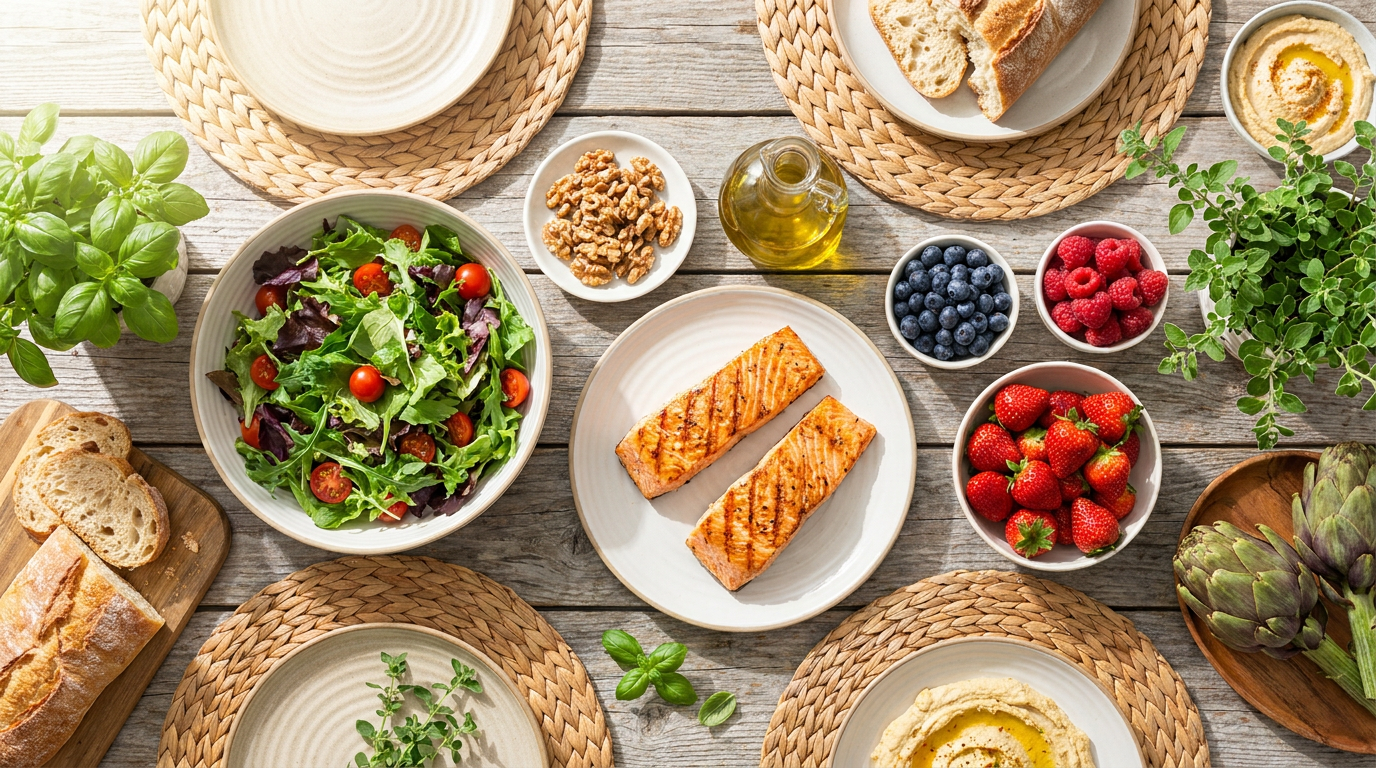
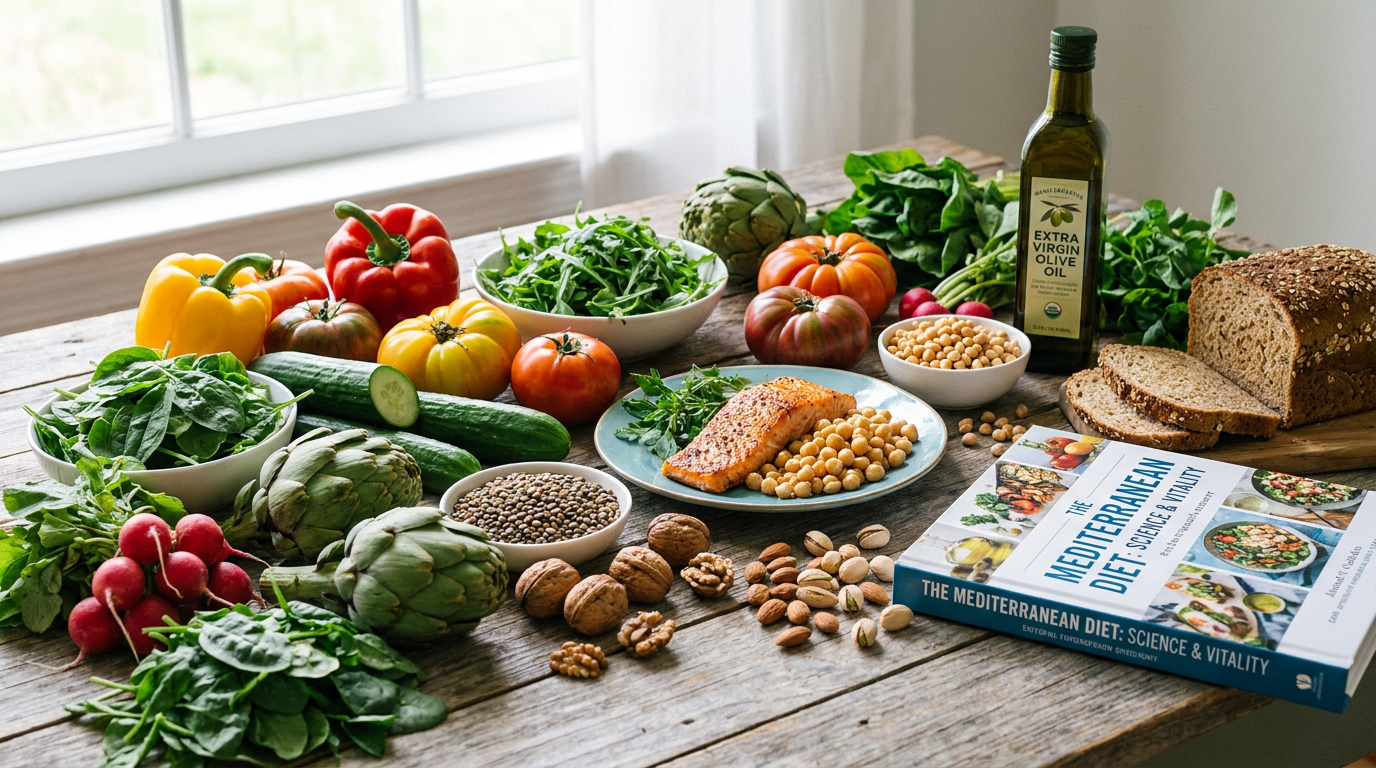
In the SMILES study, participants with moderate to severe clinical depression were divided into two groups. One received standard social support, while the other underwent clinical dietary counseling to adopt a modified Mediterranean diet—rich in vegetables, whole grains, legumes, and lean proteins. After 12 weeks, 32% of the dietary intervention group achieved full remission of their depression, compared to just 8% in the control group.[3]

Beyond treating existing conditions, evidence suggests diet plays a massive role in prevention. Observational studies consistently show that populations adhering to traditional diets—such as the Mediterranean or traditional Japanese diets—experience a 25% to 35% lower risk of developing depression compared to those eating a typical Western diet high in refined sugars and processed meats.[4][5]
This systemic inflammation triggered by ultra-processed foods is increasingly viewed as a biological trigger for psychiatric symptoms. Inflammatory cytokines can cross the blood-brain barrier, altering neural function and reducing neuroplasticity—the brain's ability to adapt and form new connections, which is often impaired in depressive states.[2][6]
Researchers are also exploring "psychobiotics"—specific strains of live bacteria that, when ingested, appear to confer mental health benefits. While animal models have shown dramatic behavioral changes, such as reduced anxiety in mice given specific Lactobacillus strains, human trials remain in their infancy.[1][6]

The evidence for over-the-counter probiotic supplements treating severe mental illness remains weak and highly individualized. Because every human's microbiome is as unique as a fingerprint, a probiotic strain that reduces anxiety in one patient may have zero effect on another. Nutritionists currently emphasize whole foods over supplements to cultivate a healthy gut.[5][7]
Methodological challenges also require transparent acknowledgment. Dietary trials are notoriously difficult to blind; participants know what they are eating. Skeptics point out that the placebo effect, combined with the psychological empowerment of taking active control of one's health, may account for a portion of the clinical improvements seen in dietary studies.[2][5]

Furthermore, the causal arrow is difficult to untangle in observational research. Does a poor diet cause depression, or does the fatigue, executive dysfunction, and apathy inherent to depression lead patients to rely on convenient, highly processed comfort foods?[4][7]
Despite these uncertainties, the risk-to-reward ratio is profoundly favorable. Clinical guidelines are shifting globally. The American Psychiatric Association and other medical bodies increasingly recommend dietary counseling as a low-risk, high-reward adjunctive therapy, empowering patients to use their daily meals as a foundational tool for mental resilience alongside traditional treatments.[1][5]
How we got here
Early 2000s
Researchers begin identifying the complex bidirectional communication of the gut-brain axis.
2015
The International Society for Nutritional Psychiatry Research is founded, formalizing the field.
2017
The SMILES trial publishes the first randomized controlled data proving diet can treat clinical depression.
2020s
Major psychiatric associations begin officially incorporating dietary counseling into clinical treatment guidelines.
Viewpoints in depth
Clinical Psychiatrists
Focus on integrating diet safely into existing treatment paradigms.
For clinical psychiatrists, the validation of nutritional interventions is a welcome addition to the therapeutic toolkit, but one that requires careful framing. They emphasize that diet is an adjunctive therapy—meaning it should be used alongside, not instead of, SSRIs, cognitive behavioral therapy, or other established treatments. Their primary concern is preventing patients with severe, acute psychiatric illnesses from abandoning life-saving medications under the false belief that a diet change alone will provide an immediate cure.
Nutritional Researchers
Focus on the biological mechanisms of inflammation and the microbiome.
Researchers in gastroenterology and neurobiology view mental health fundamentally as a systemic issue rather than a localized brain disorder. They point to the measurable reduction in inflammatory markers (like C-reactive protein) when patients switch from ultra-processed diets to whole-food diets. This camp argues that the medical establishment has historically ignored the foundational role of cellular nutrition in brain function, and they advocate for "food-first" prescriptions for mild to moderate depressive symptoms before escalating to pharmaceuticals.
Methodological Skeptics
Highlight the difficulty of proving direct causation in dietary science.
While not dismissing the gut-brain connection, methodological skeptics urge caution regarding the strength of current claims. They note that dietary trials are nearly impossible to double-blind; a patient knows if they are eating a salad or a fast-food burger. This introduces massive potential for the placebo effect, as well as the psychological boost that comes from taking proactive control of one's routine. Furthermore, they warn that the commercial supplement industry has hijacked the science of "psychobiotics," selling expensive, unproven probiotic pills that lack rigorous clinical backing.
What we don't know
- Whether specific strains of probiotic bacteria can be reliably isolated and dosed to treat specific psychiatric conditions like anxiety or OCD.
- The exact degree to which the placebo effect contributes to the success rates seen in unblinded dietary intervention trials.
- How individual genetic differences in metabolism affect the psychiatric benefits of a Mediterranean-style diet.
Key terms
- Gut-Brain Axis
- The bidirectional communication network that links the enteric nervous system in the gut with the central nervous system in the brain.
- Vagus Nerve
- The longest cranial nerve in the body, acting as the primary physical highway for signals traveling between the digestive tract and the brain.
- Psychobiotics
- Live bacteria (probiotics) that, when ingested in adequate amounts, might confer mental health benefits by interacting with the gut-brain axis.
- Dysbiosis
- An imbalance in the gut microbiome, often caused by poor diet or antibiotics, which can lead to systemic inflammation.
- Adjunctive Therapy
- A treatment used together with the primary treatment. Its purpose is to assist the primary treatment, not replace it.
Frequently asked
Can changing my diet replace my antidepressants?
No. Medical professionals emphasize that nutritional psychiatry is an adjunctive (add-on) therapy. Diet should be used alongside, not instead of, prescribed medications and therapy.
What is the best diet for mental health?
Current evidence strongly supports the Mediterranean diet, which is high in vegetables, whole grains, legumes, nuts, and lean proteins like fish, while minimizing ultra-processed foods and refined sugars.
Do probiotic supplements cure anxiety?
The evidence for over-the-counter probiotic supplements treating anxiety is currently weak and highly individualized. Researchers recommend getting probiotics and prebiotics from whole foods instead.
Sources
Source coverage
7 outlets
3 viewpoints surfaced







[1]The New York TimesMethodological Skeptics
How Food Affects Your Mood
Read on The New York Times →[2]NPRMethodological Skeptics
The emerging science of nutritional psychiatry
Read on NPR →[3]National Institutes of HealthNutritional Researchers
A randomised controlled trial of dietary improvement for adults with major depression (the 'SMILES' trial)
Read on National Institutes of Health →[4]Harvard Medical SchoolClinical Psychiatrists
Nutritional psychiatry: Your brain on food
Read on Harvard Medical School →[5]American Psychiatric AssociationClinical Psychiatrists
Food and Mood: A Psychiatric Perspective
Read on American Psychiatric Association →[6]The Lancet PsychiatryNutritional Researchers
The microbiome and mental health: hope or hype?
Read on The Lancet Psychiatry →[7]Factlen Editorial Team
Synthesis by Factlen editorial team
Read on Factlen Editorial Team →

More in health
See all 5 stories →
Every angle. Every day.
Get health stories with full source coverage and perspective breakdowns delivered to your inbox.