
How Nutritional Psychiatry and the Gut-Brain Axis Are Reshaping Mental Health Treatment
Emerging clinical research demonstrates that dietary interventions and gut microbiome health can significantly reduce symptoms of depression and anxiety, pioneering the new medical field of nutritional psychiatry.
By Factlen Editorial Team
- Nutritional Psychiatrists
- Argue that diet and gut health are foundational to mental health and must be integrated into standard psychiatric care.
- Clinical Researchers
- Emphasize promising trial data but caution that more rigorous research is needed before standardizing microbiome treatments.
- Gastroenterology Scientists
- Focus on the biological mechanisms, specifically how gut dysbiosis and systemic inflammation physically alter brain function.
What's not represented
- · Patients with severe treatment-resistant depression
- · Health insurance providers evaluating coverage for dietary interventions
Why this matters
Understanding the biological connection between your gut and your brain empowers you to use your daily diet as a tangible, low-risk tool to actively improve your mental health and emotional resilience.
Key points
- Nutritional psychiatry treats dietary patterns as a primary, modifiable regulator of mental health.
- Up to 95% of the body's serotonin is produced in the digestive tract, not the brain.
- The 2017 SMILES trial proved that a Mediterranean-style diet significantly reduces clinical depression symptoms.
- Gut bacteria ferment dietary fiber into short-chain fatty acids, which reduce neuroinflammation.
For decades, the psychiatric establishment has treated conditions like depression and anxiety primarily as chemical imbalances localized within the brain. Standard treatments have heavily relied on pharmaceuticals designed to target specific neurotransmitters, such as serotonin and dopamine. However, a profound paradigm shift is currently underway in how medical science understands mental health. Researchers and clinicians are increasingly looking away from the brain and directing their attention toward the digestive system, pioneering a rapidly growing interdisciplinary field known as "nutritional psychiatry." This new approach challenges the traditional separation of physical and mental health, proposing instead that the two are inextricably linked. By examining how dietary patterns influence mood, cognition, and resilience, nutritional psychiatry offers a hopeful, empowering framework for treatment. It suggests that the food on our plates is not merely caloric fuel for the body, but a primary, modifiable regulator of our psychological well-being.[6]
The foundational mechanism underlying nutritional psychiatry is a complex, bidirectional communication network known as the gut-brain axis. This physiological highway ensures that the gastrointestinal tract and the central nervous system are in constant, dynamic dialogue. The primary physical conduit for this communication is the vagus nerve, a massive nerve fiber that extends from the brainstem all the way down to the abdomen. Through the vagus nerve, the gut can send rapid signals directly to the brain's emotional and cognitive centers. Remarkably, the gut is also a massive endocrine organ. An estimated 90 to 95 percent of the body's serotonin—the exact neurotransmitter targeted by the most commonly prescribed class of antidepressant medications—is produced not within the brain, but by the specialized cells lining the digestive tract. This biological reality fundamentally reframes how scientists approach mood regulation, shifting the focus from brain chemistry to gut chemistry.[4][6]
Central to the function of the gut-brain axis is the microbiome, a vast and diverse ecosystem of trillions of bacteria, viruses, and fungi residing in the human digestive tract. These microscopic organisms are far from passive passengers; they are highly active participants in human biology. When we consume food, particularly complex carbohydrates and dietary fiber, we are effectively feeding these microbes. In return, beneficial gut bacteria ferment this fiber and produce essential byproducts known as short-chain fatty acids (SCFAs), such as butyrate, propionate, and acetate. SCFAs are critical molecules for human health. They serve as the primary energy source for the cells lining the colon, helping to maintain a strong, impermeable intestinal barrier. More importantly for mental health, SCFAs exert powerful, systemic anti-inflammatory effects that extend throughout the entire body, including crossing the blood-brain barrier to reduce neuroinflammation.[3][4]

The role of inflammation is increasingly recognized as a central driver in the pathophysiology of mood disorders. Modern Western dietary patterns—which are typically characterized by high intakes of ultra-processed foods, refined sugars, and saturated fats, alongside a severe lack of dietary fiber—actively disrupt the delicate balance of the microbiome. This disruption, known as dysbiosis, can lead to a degradation of the intestinal lining, a condition colloquially referred to as "leaky gut." When the intestinal barrier is compromised, endotoxins and inflammatory cytokines can escape into the bloodstream. Once in systemic circulation, these inflammatory markers can cross the blood-brain barrier and directly alter brain function, particularly impacting the hippocampus, a region critical for learning, memory, and emotional regulation. Consequently, a diet that promotes gut inflammation is now viewed as a direct biological vulnerability for developing anxiety and depression.[3][4]
The most compelling clinical evidence validating nutritional psychiatry comes from a landmark 2017 study known as the SMILES trial (Supporting the Modification of lifestyle in Lowered Emotional States). Conducted by researchers at Deakin University in Australia, it was the first randomized controlled trial explicitly designed to answer a profound clinical question: If a patient improves their diet, will their clinical depression improve? The researchers recruited 56 adults who had been formally diagnosed with moderate-to-severe depression and who also reported consuming a poor-quality, highly processed diet. The participants were randomly assigned to one of two groups for a 12-week period: a dietary intervention group that received clinical nutritional counseling, or a control group that received an equal amount of social support and befriending, but no dietary advice.[1][6]
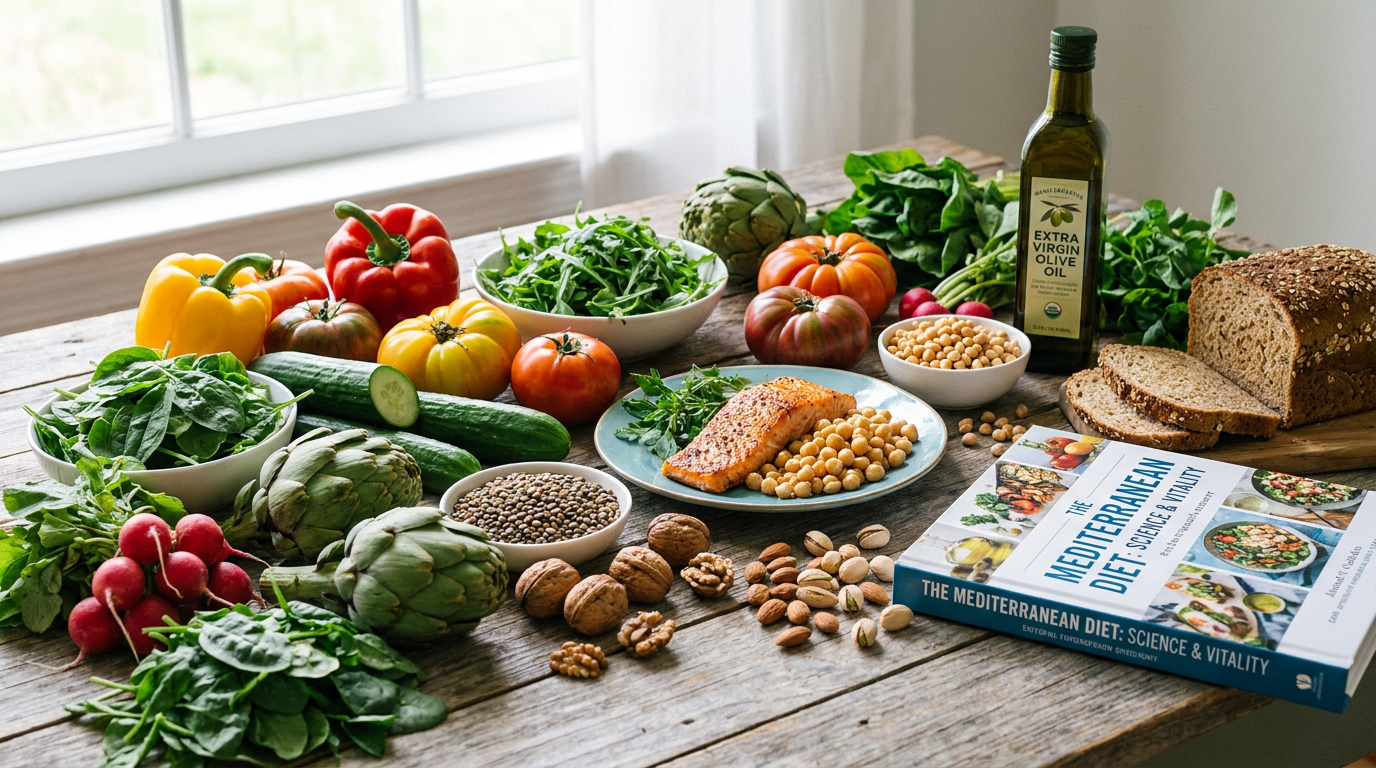
Participants in the dietary intervention group were guided to follow a "Modified Mediterranean Diet." This protocol emphasized the heavy consumption of whole, nutrient-dense foods, including whole grains, vegetables, fruits, legumes, raw nuts, fish, and extra virgin olive oil. Simultaneously, they were instructed to drastically reduce their intake of "extra" foods, specifically targeting sweets, refined cereals, fried foods, fast food, and sugary beverages. The results of the 12-week trial were striking and have since reverberated throughout the psychiatric community. Participants in the dietary intervention group demonstrated a significantly greater reduction in their depressive symptoms compared to those in the social support control group, proving that targeted nutritional changes could yield measurable, clinical improvements in mental health.[1]
The results of the 12-week trial were striking and have since reverberated throughout the psychiatric community.
The most remarkable finding from the SMILES trial was the rate of clinical remission. At the conclusion of the three-month study, 32.3 percent of the participants in the dietary intervention group achieved full clinical remission of their major depression. In stark contrast, only 8 percent of the participants in the social support control group achieved remission. Furthermore, the researchers noted a clear dose-response relationship: the more strictly a participant adhered to the Modified Mediterranean Diet, the greater the improvement in their depression scores. These results were not explained by changes in physical activity or body weight, strongly indicating that the nutritional quality of the diet itself—and its subsequent impact on gut health and inflammation—was the primary driver of the psychological recovery.[1]

Since the publication of the SMILES trial, the scientific evidence base supporting microbiome-targeted interventions has expanded exponentially. A comprehensive 2021 systematic review and meta-analysis published in CMAJ Open rigorously evaluated 62 different randomized controlled trials. The researchers sought to determine the aggregate effect of interventions that specifically target the gut microbiota—such as the administration of probiotics, prebiotics, and synbiotics—on depressive symptoms in adult populations. The meta-analysis concluded that these microbiome-targeting interventions yielded statistically significant benefits, effectively reducing the severity of depressive symptoms across the pooled study populations. This large-scale analysis provided robust, quantitative backing to the theory that modulating the gut environment can directly alleviate psychiatric distress.[2]
More recent investigations have begun the complex work of identifying the specific bacterial taxa responsible for these mental health benefits. A 2025 systematic review published in Frontiers in Psychiatry highlighted that individuals suffering from depression and anxiety consistently exhibit distinct microbial signatures compared to healthy controls. Specifically, psychiatric patients often show an enrichment of pro-inflammatory bacterial strains alongside a marked depletion of the beneficial, SCFA-producing bacteria that keep inflammation in check. By mapping these specific microbial imbalances, scientists hope to eventually develop highly targeted "psychobiotics"—customized probiotic strains engineered to produce specific neuroactive compounds or reduce specific inflammatory markers associated with different psychiatric diagnoses.[3]
The influence of the gut microbiome on mental health is not limited to adult populations; it appears to be a critical factor throughout human development. A 2024 systematic review and meta-analysis published by Cambridge University Press examined the relationship between the gut microbiome and internalizing symptoms in children and adolescents. While the researchers noted that pediatric studies are still in their preliminary stages compared to adult research, they identified clear associations. Increased abundances of certain bacterial genera, such as Escherichia, coupled with decreased abundances of beneficial genera like Faecalibacterium, were significantly associated with heightened symptoms of depression and anxiety in youth. This suggests that dietary interventions could be a crucial, low-risk strategy for early intervention in pediatric mental health.[5]

Despite the overwhelming optimism surrounding nutritional psychiatry, researchers emphasize the need for transparent uncertainty regarding the exact mechanisms at play. One of the most significant outstanding questions in the field is the "subtraction versus addition" debate. When patients adopt a Mediterranean-style diet and see their depression lift, is the benefit primarily derived from the addition of nutrient-dense, fiber-rich foods that feed the microbiome? Or is the improvement largely due to the subtraction of ultra-processed foods, refined sugars, and industrial seed oils that actively drive systemic inflammation? In trials like SMILES, participants did both simultaneously, making it difficult for researchers to isolate the exact variable responsible for the neurological benefits.[1][6]
Furthermore, while meta-analyses demonstrate the general efficacy of probiotics, clinical researchers caution against viewing over-the-counter supplements as a panacea. The 2021 CMAJ Open review explicitly noted that despite the promising findings, there is not yet strong enough evidence to formally include specific probiotic interventions in standard, first-line treatment guidelines for major depressive disorder. Critical, unanswered questions remain regarding which exact bacterial species are most effective, the optimal therapeutic dosages, and how these living supplements interact with traditional antidepressant medications. Until these variables are standardized through larger, more rigorous clinical trials, probiotics are best viewed as a supportive measure rather than a standalone cure.[2]
Nevertheless, the clinical implications of nutritional psychiatry are already reshaping patient care. Integrative psychiatrists and dietitians are increasingly collaborating to prescribe evidence-based dietary interventions alongside traditional therapies like SSRIs and cognitive behavioral therapy. This holistic approach recognizes that while medication can help manage the symptoms of a chemical imbalance, nutrition can help address the underlying cellular environment and systemic inflammation that may be causing the imbalance in the first place. By empowering patients to use their daily meals as a therapeutic tool, nutritional psychiatry offers a scalable, accessible, and deeply hopeful path forward in the global effort to improve mental health outcomes.[4][6]
Viewpoints in depth
Nutritional Psychiatrists
Argue that diet and gut health are foundational to mental health and must be integrated into standard psychiatric care.
This camp views the historical separation of physical and mental health as a medical error. They point to the gut-brain axis and the overwhelming production of neurotransmitters in the digestive tract as proof that mental health fundamentally begins in the gut. For these practitioners, prescribing a diet rich in fiber, omega-3s, and fermented foods is just as critical as prescribing traditional antidepressants, emphasizing that food actively modulates the neuroinflammation underlying mood disorders.
Clinical Researchers
Emphasize the promising trial data but caution that more rigorous research is needed before standardizing microbiome treatments.
While acknowledging the breakthrough results of clinical trials like SMILES, this camp focuses on the methodological challenges of nutritional science. They argue that it is incredibly difficult to isolate variables in dietary studies—questioning whether improvements stem from adding nutrients or simply removing inflammatory ultra-processed foods. They advocate for larger, double-blind trials to identify specific bacterial strains and optimal dosages before formally adding probiotics to clinical treatment guidelines.
Gastroenterology & Microbiome Scientists
Focus on the biological mechanisms, specifically how gut dysbiosis and systemic inflammation physically alter brain function.
This perspective is less concerned with clinical psychiatry and more focused on cellular biology. They study how Western diets deplete the microbiome of bacteria that produce short-chain fatty acids (SCFAs). Their research demonstrates how this depletion leads to a compromised intestinal barrier, allowing endotoxins to enter the bloodstream, cross the blood-brain barrier, and directly impair regions of the brain responsible for emotional regulation, such as the hippocampus.
What we don't know
- Whether the mental health benefits of a Mediterranean diet come primarily from adding nutrient-dense foods or from removing ultra-processed foods.
- Which specific strains of probiotic bacteria are most effective for treating different psychiatric diagnoses.
- The optimal therapeutic dosages for microbiome-targeting supplements when used alongside traditional antidepressant medications.
Key terms
- Gut-Brain Axis
- The bidirectional communication network linking the gastrointestinal tract and the central nervous system.
- Microbiome
- The community of trillions of bacteria, fungi, and other microorganisms living in the digestive tract.
- Short-Chain Fatty Acids (SCFAs)
- Beneficial compounds produced when gut bacteria ferment dietary fiber, known for their powerful anti-inflammatory properties.
- Vagus Nerve
- The longest cranial nerve in the body, serving as the primary physical connection transmitting signals between the gut and the brain.
- Dysbiosis
- An imbalance in the gut microbial community, often associated with Western diets and linked to increased systemic inflammation.
Frequently asked
What is nutritional psychiatry?
It is an emerging medical field that studies how dietary patterns, gut health, and nutrition directly impact mental health conditions like depression and anxiety.
How does the gut communicate with the brain?
The gut and brain communicate via the gut-brain axis, primarily through the vagus nerve, as well as through inflammatory signals and neurotransmitters produced by gut bacteria.
What was the SMILES trial?
A landmark 2017 study showing that a modified Mediterranean diet significantly reduced symptoms of moderate-to-severe depression compared to a social support control group.
Can probiotics cure depression?
While meta-analyses show probiotics can significantly reduce depressive symptoms, they are currently recommended as a complementary treatment rather than a standalone cure, as optimal strains are still being researched.
Sources
Source coverage
6 outlets
3 viewpoints surfaced






[1]BMC MedicineGastroenterology Scientists
A randomised controlled trial of dietary improvement for adults with major depression (the 'SMILES' trial)
Read on BMC Medicine →[2]CMAJ OpenClinical Researchers
The effect of interventions targeting gut microbiota on depressive symptoms: a systematic review and meta-analysis
Read on CMAJ Open →[3]Frontiers in PsychiatryGastroenterology Scientists
Gut microbiota and mental health: mechanisms and clinical applications
Read on Frontiers in Psychiatry →[4]NutrientsNutritional Psychiatrists
Diet-Microbiome-Brain Axis in Mental Health
Read on Nutrients →[5]Cambridge University PressClinical Researchers
Gut microbiome and depression in children and adolescents: a systematic review
Read on Cambridge University Press →[6]Factlen Editorial TeamNutritional Psychiatrists
Synthesis by Factlen editorial team
Read on Factlen Editorial Team →

More in health
See all 6 stories →mRNA Tech
FDA Advisory Panel Unanimously Recommends First mRNA Flu Vaccine
8 sources
Aging & Longevity
Why Neurologists Are Prescribing Tai Chi to Prevent Falls and Protect Aging Brains
6 sources

Nature Therapy
The Evidence Behind 'Nature Prescriptions': How Green Space Alters Brain Chemistry
7 sources

Vaccine Tech
FDA Advisory Committee Unanimously Recommends First mRNA Flu Vaccine
8 sources
Every angle. Every day.
Get health stories with full source coverage and perspective breakdowns delivered to your inbox.