
The Evidence Behind Nutritional Psychiatry: How the Gut-Brain Axis is Reshaping Mental Health Treatment
New clinical research confirms that specific gut microbes and dietary patterns directly regulate brain activity linked to anxiety and depression, paving the way for targeted 'psychobiotic' therapies.
By Factlen Editorial Team
- Nutritional Psychiatrists
- Advocate for holistic, whole-food dietary interventions as the primary method for cultivating a healthy gut-brain ecosystem.
- Clinical Microbiologists
- Focus on isolating specific microbial metabolites and developing targeted psychobiotic strains to treat psychiatric conditions.
- Evidence Methodologists
- Urge caution regarding the commercialization of probiotics, emphasizing the gap between animal models and complex human trials.
What's not represented
- · Gastroenterologists treating physical gut disorders
- · Patients with severe treatment-resistant depression
Why this matters
Understanding the biological link between diet and mood transforms mental health from a purely neurological issue into an ecosystem you can actively manage. It empowers patients with evidence-based, accessible tools—like dietary shifts and targeted probiotics—to build psychological resilience from the gut up.
Key points
- The gut-brain axis is a bidirectional communication network linking digestive health directly to emotional and psychological well-being.
- Specific microbial metabolites, such as indoles, have been proven to regulate the brain's fear and anxiety centers.
- Psychobiotics are emerging as targeted bacterial strains engineered to synthesize neurotransmitters like GABA directly in the gut.
- Diets high in ultra-processed foods are strongly correlated with chronic inflammation and elevated rates of clinical depression.
- Holistic dietary changes, such as the Mediterranean diet, currently offer the most proven method for optimizing the gut-brain ecosystem.
Mental health treatment is undergoing a profound paradigm shift, expanding its focus far beyond the chemistry of the brain to look deep into the human digestive tract. For decades, the relationship between what we eat and how we feel was relegated to the fringes of alternative medicine, often dismissed by mainstream psychiatry as anecdotal. Today, however, the emerging field of "nutritional psychiatry" is gaining unprecedented clinical validation. Armed with advanced microbiome sequencing and rigorous metabolic tracking, researchers in 2026 are proving that the ecosystem of bacteria residing in our intestines plays a fundamental, mechanistic role in regulating our emotional and psychological well-being.[2][6]
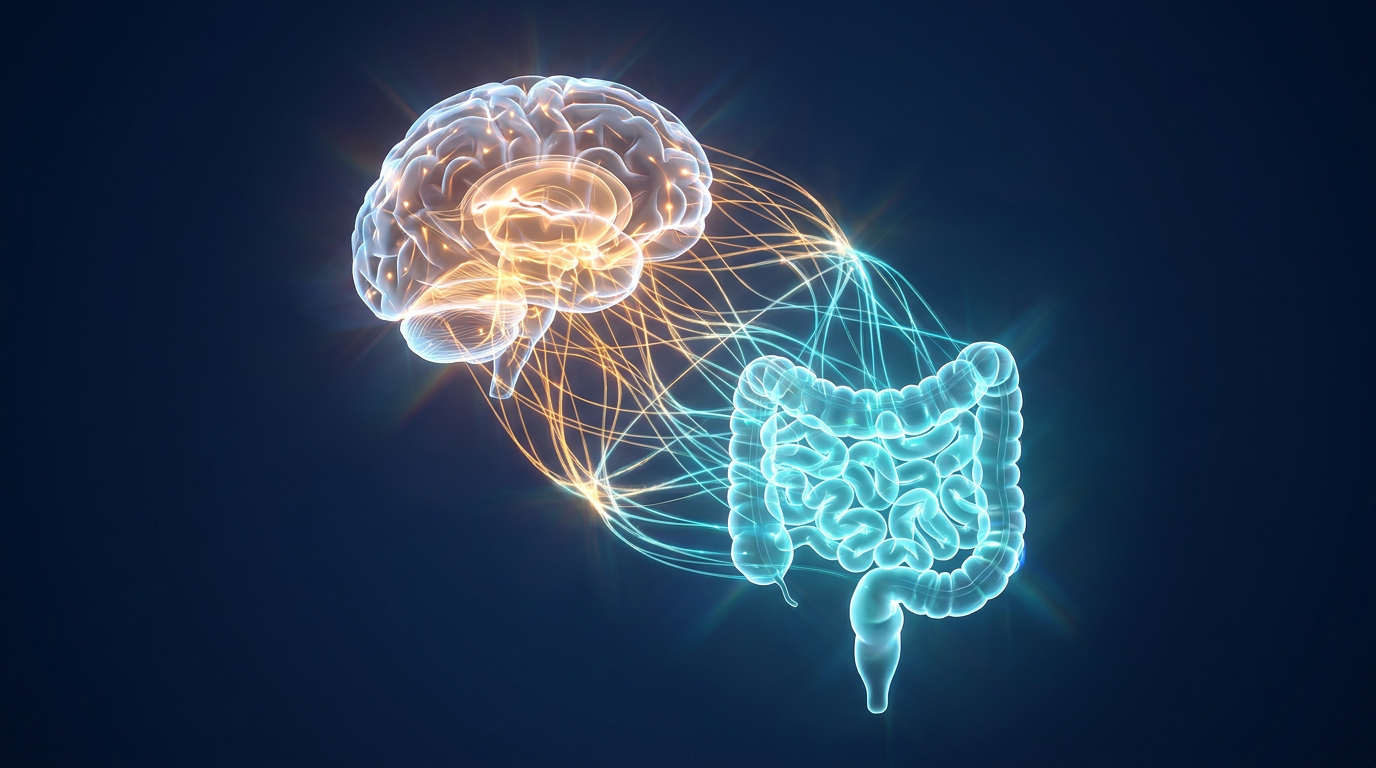
The foundation of this new medical frontier is the "gut-brain axis," a concept that has transitioned from a theoretical framework to a hard, observable science. This bidirectional communication highway connects the enteric nervous system of the digestive tract directly to the central nervous system. The communication does not rely on a single channel; rather, it utilizes a complex network of neural pathways—most notably the vagus nerve—alongside hormonal signals and immunological responses. When this intricate system functions optimally, it fosters mental clarity and emotional resilience. When it is disrupted by poor diet or environmental stressors, the psychological consequences can be severe and chronic.[2][7]
In early 2026, a landmark study published in the journal EMBO Molecular Medicine provided the most detailed map yet of this biological connection. Scientists at the Duke-NUS Medical School and the National Neuroscience Institute of Singapore discovered that specific microbial metabolites directly regulate the brain activity linked to anxiety. The researchers isolated molecules called indoles, which are produced by certain gut bacteria as they break down dietary proteins. They found that these indoles travel from the gut and actively influence the neural circuits responsible for processing fear and stress, offering a concrete chemical explanation for how a gut imbalance translates into a panic attack.[3][7]

The mechanism of action uncovered by the Singapore team is remarkably specific. The researchers demonstrated that a lack of indole-producing microbes disrupts normal function in the basolateral amygdala, a deep-brain structure that acts as the body's primary fear and anxiety center. In their models, subjects devoid of these specific live microbes exhibited significantly higher levels of anxious behavior and elevated, erratic neuronal firing in the amygdala. When live, indole-producing microbes were reintroduced into the gut ecosystem, the elevated neuronal activity in the amygdala stabilized, effectively neutralizing the anxious behavior at its neurological source.[1][3]
This precise understanding of microbial metabolites has accelerated the development of a new class of interventions known as "psychobiotics." Unlike generic, off-the-shelf probiotics designed merely to aid digestion or reduce bloating, psychobiotics are targeted bacterial strains specifically engineered or selected to yield mental health benefits. Strains currently under intense clinical investigation, such as specific variants of Lactobacillus helveticus and Bifidobacterium longum, are being studied for their ability to synthesize neurotransmitter precursors directly in the gut. By producing compounds like GABA and serotonin locally, these microbes provide a natural anxiolytic effect without the systemic side effects often associated with traditional pharmaceutical antidepressants.[1][6]
The broader relationship between gut diversity and mood regulation is no longer a matter of scientific debate. A recent, comprehensive meta-analysis published in the journal Nature reviewed data across 53 distinct human studies, confirming a definitive, positive association between gut microbiome diversity and psychological well-being. The data revealed that individuals with a rich, varied population of gut flora consistently scored higher on measures of emotional resilience and lower on clinical scales for depression and anxiety. This robust consensus is forcing the psychiatric establishment to reconsider the gut not just as a digestive organ, but as a secondary brain that requires active cultivation.[5][6]
While the promise of targeted psychobiotic pills is tantalizing, leading institutions emphasize that dietary intervention remains the most proven therapy. The American Psychological Association recently highlighted nutritional psychiatry as a primary, frontline tool for behavioral health. Clinical evidence strongly supports the adoption of whole-food dietary patterns, particularly the Mediterranean diet, which is rich in fiber, legumes, healthy fats, and fermented foods. These foods act as "prebiotics," providing the essential fuel that beneficial, mood-regulating microbes need to thrive and multiply, thereby naturally optimizing the gut-brain axis without the need for isolated supplementation.[2][6]
While the promise of targeted psychobiotic pills is tantalizing, leading institutions emphasize that dietary intervention remains the most proven therapy.
Conversely, the modern Western diet is increasingly recognized as an active driver of the global mental health crisis. A stark 2025 report published in The Lancet detailed the devastating psychological impact of ultra-processed foods (UPFs). The data is alarming: UPFs now account for more than 60 percent of the calories consumed by American youth. The researchers found a powerful, dose-dependent correlation between the consumption of these highly engineered, additive-laden foods and poor mental health outcomes. Populations with the highest intake of ultra-processed foods exhibited significantly elevated rates of clinical depression, anxiety disorders, and generalized psychological distress.[4][6]

The biological bridge linking ultra-processed foods to depression is chronic, systemic inflammation. Diets high in refined sugars, artificial emulsifiers, and inflammatory oils actively degrade the mucosal lining of the intestines, leading to a condition commonly known as "leaky gut." This degradation allows toxins and undigested food particles to enter the bloodstream, triggering a relentless immune response. The resulting inflammatory cytokines travel throughout the body and can cross the blood-brain barrier. Once in the brain, this inflammation disrupts the synthesis of essential neurotransmitters like serotonin and dopamine, while simultaneously impairing neuroplasticity—the brain's ability to adapt and heal.[2][4]
Progressive psychiatric clinics and holistic nurse practitioners are already integrating these evidence-based findings into their standard of care. For patients presenting with treatment-resistant anxiety or depression, the first step is increasingly a comprehensive microbiome assessment rather than an immediate prescription pad. Advanced clinical testing now looks far beyond simple bacterial counts; it evaluates the gut's functional capacity by measuring metabolic markers, short-chain fatty acid production, and localized inflammation indicators. By identifying specific deficiencies in psychobiotic species, clinicians can design highly personalized, root-cause interventions that address the biological origins of the patient's distress.[6][7]
Despite the immense enthusiasm surrounding nutritional psychiatry, evidence methodologists and rigorous clinical researchers urge a degree of caution. While animal models—such as the groundbreaking Duke-NUS mice studies—demonstrate clear, undeniable causal mechanisms, the human microbiome is exponentially more complex. Translating these controlled laboratory findings into standardized, universally effective human therapies remains a profound challenge. Individual variations in genetics, environment, baseline diet, and lifetime antibiotic exposure mean that a psychobiotic strain that cures anxiety in one patient might have absolutely no measurable effect on another.[1][6]
Furthermore, the history of nutritional science is littered with the failures of reductionism, and nutritional psychiatry is not immune. Clinical trials attempting to isolate single nutrients or single bacterial strains for the prevention of depression have largely yielded null or contradictory results. The current weight of the evidence strongly suggests that the gut ecosystem operates synergistically. Holistic, broad-spectrum dietary changes that fundamentally alter the gut environment are vastly superior to the "magic pill" approach of isolated supplementation, underscoring the reality that mental health cannot be hacked with a single daily capsule.[2][6]

The commercialization of the gut-brain axis also faces significant regulatory hurdles. Currently, global health authorities like the FDA have yet to establish a formal framework for prescribing psychobiotics as medical treatments for psychiatric conditions. As a result, these products are regulated merely as dietary supplements. This classification means that quality control, strain survivability, and clinical efficacy can vary wildly on the consumer market. Patients seeking relief may spend hundreds of dollars on commercial probiotics that lack the specific, clinically researched strains necessary to actually cross the gut-brain threshold.[6]
Looking forward, the ultimate goal of this research is the realization of true precision medicine for mental health. In the near future, the standard of care for a patient presenting with acute anxiety might look radically different than it does today. Rather than relying solely on trial-and-error with selective serotonin reuptake inhibitors (SSRIs), a psychiatrist might prescribe a tailored, anti-inflammatory dietary protocol alongside a specific, FDA-approved psychobiotic strain designed to correct that patient's unique microbial deficit, treating the ecosystem to heal the mind.[6][7]

The rigorous clinical validation of the gut-brain axis represents one of the most profound shifts in how we understand human biology and consciousness. It dismantles the long-held Cartesian dualism that separated the mind from the physical body. Mental health is no longer viewed solely as a product of isolated brain chemistry or abstract psychological trauma; it is recognized as an ecosystem-level phenomenon. By empowering patients to actively cultivate their internal microbial landscapes through what they eat, nutritional psychiatry is offering millions a new, accessible, and deeply hopeful pathway to lasting psychological resilience.[2][6]
How we got here
Early 2000s
The concept of the gut-brain axis begins to gain traction in alternative medicine, though mainstream psychiatry remains skeptical.
2013
The term 'psychobiotics' is officially coined by researchers to describe live organisms that produce mental health benefits.
2025
The Lancet publishes a major report linking the high consumption of ultra-processed foods directly to rising rates of depression.
Early 2026
Duke-NUS Medical School publishes a breakthrough study proving that microbial indoles directly regulate anxiety in the basolateral amygdala.
Mid 2026
A comprehensive meta-analysis in Nature confirms a definitive positive association between gut microbiome diversity and psychological well-being across 53 human studies.
Viewpoints in depth
Clinical Microbiologists
Focus on isolating specific microbial metabolites and developing targeted psychobiotic strains.
This camp views the gut microbiome as an untapped pharmacy. Researchers in this field argue that by identifying the exact metabolic pathways—such as how indoles interact with the basolateral amygdala—science can engineer highly specific psychobiotic strains. Their ultimate goal is to replace or supplement broad-spectrum psychiatric drugs with precision probiotics that synthesize neurotransmitters like GABA and serotonin directly in the gut, offering targeted relief with fewer systemic side effects.
Nutritional Psychiatrists
Advocate for holistic, whole-food dietary interventions as the primary method for cultivating a healthy gut.
Nutritional psychiatrists caution against the reductionist approach of simply swapping an SSRI for a probiotic pill. They argue that the gut is a complex, synergistic ecosystem that cannot be 'hacked' with a single bacterial strain. Instead, this camp emphasizes that the most robust clinical evidence supports broad dietary shifts—specifically reducing ultra-processed foods and increasing fiber-rich, prebiotic whole foods—as the only sustainable way to permanently lower systemic inflammation and support long-term mental health.
Evidence Methodologists
Urge caution regarding the commercialization of probiotics, emphasizing the gap between animal models and human trials.
While acknowledging the biological reality of the gut-brain axis, methodologists warn that the supplement industry is moving faster than the science. They point out that while animal models show clear causal links between specific microbes and anxiety reduction, human microbiomes are vastly more complex and individualized. This camp advocates for rigorous, large-scale, FDA-regulated human clinical trials before psychobiotics are broadly prescribed or marketed as definitive treatments for clinical psychiatric disorders.
What we don't know
- Whether a specific psychobiotic strain that works for one individual will have the same effect on another person with a different baseline microbiome.
- The exact long-term psychological effects of childhood exposure to ultra-processed foods on adult brain architecture.
- How quickly the gut-brain axis can fully recover and reverse clinical depression once a patient transitions to a whole-food, anti-inflammatory diet.
Key terms
- Gut-Brain Axis
- The bidirectional communication network linking the enteric nervous system of the digestive tract with the central nervous system of the brain.
- Psychobiotics
- Probiotic bacterial strains specifically researched and utilized for their ability to improve mental health and cognitive function.
- Indoles
- Chemical compounds produced by certain gut bacteria during the breakdown of amino acids, recently found to regulate anxiety in the brain.
- Basolateral Amygdala
- A region deep within the brain that plays a primary role in processing fear, stress, and emotional responses.
- Ultra-Processed Foods (UPFs)
- Highly engineered food products containing artificial additives, preservatives, and refined ingredients, linked to systemic inflammation and poor mental health.
Frequently asked
What exactly is a psychobiotic?
A psychobiotic is a specific strain of live bacteria that, when ingested, confers mental health benefits by interacting with the gut-brain axis and producing neurotransmitter precursors like GABA.
Can changing my diet actually treat anxiety?
While not a replacement for acute psychiatric care, clinical evidence shows that diets high in fiber and fermented foods, and low in ultra-processed foods, significantly reduce symptoms of anxiety and depression.
How do gut microbes communicate with the brain?
They communicate through the vagus nerve, the immune system, and by producing metabolites like indoles and short-chain fatty acids that can cross the blood-brain barrier.
Are psychobiotics available now?
Some strains are available as dietary supplements, but they are not yet FDA-approved as medical treatments for psychiatric conditions, meaning quality and efficacy can vary widely.
Sources
Source coverage
7 outlets
3 viewpoints surfaced







[1]SciTechDailyClinical Microbiologists
A surprising gut-brain discovery suggests that anxiety could one day be treated with specially designed probiotics
Read on SciTechDaily →[2]American Psychological AssociationNutritional Psychiatrists
The Rise of Nutritional Psychiatry
Read on American Psychological Association →[3]EMBO Molecular MedicineClinical Microbiologists
Microbial metabolites regulate brain activity linked to anxiety
Read on EMBO Molecular Medicine →[4]The LancetNutritional Psychiatrists
Ultra-Processed Foods and Human Health: Mental Health Outcomes
Read on The Lancet →[5]NatureEvidence Methodologists
Meta-analysis of gut microbiome diversity and psychological well-being
Read on Nature →[6]Factlen Editorial TeamNutritional Psychiatrists
Synthesis by Factlen editorial team
Read on Factlen Editorial Team →[7]Duke-NUS Medical SchoolClinical Microbiologists
Singapore scientists reveal gut microbes' hidden role in anxiety
Read on Duke-NUS Medical School →

More in health
See all 6 stories →Huntington's Disease
FDA Reverses Course, Clearing Path for First Huntington's Disease Gene Therapy
8 sources
Clinical Evidence
The Evidence for Exercise as a Primary Treatment for Depression and Anxiety
7 sources

Fitness Science
The Science of 'Exercise Snacks': How One-Minute Workouts Are Redefining Fitness
6 sources

Exercise Science
The Science of Zone 2 Cardio: Why Low-Intensity Exercise is a Pillar of Longevity
6 sources

Every angle. Every day.
Get health stories with full source coverage and perspective breakdowns delivered to your inbox.