
Personalized mRNA Cancer Vaccines Show Unprecedented Long-Term Survival in 2026 Clinical Trials
Five-year follow-up data reveals that custom-built mRNA vaccines dramatically reduce recurrence in high-risk melanoma and induce multi-year survival in pancreatic cancer.
By Factlen Editorial Team
- Clinical Trial Investigators
- Oncologists leading the trials emphasize the unprecedented nature of the long-term survival data.
- Translational Immunologists
- Researchers focused on biological mechanisms highlight the proof of durable T-cell persistence.
- Healthcare Systems Analysts
- Health economists and policy experts focus on the logistical and financial bottlenecks of personalized medicine.
What's not represented
- · Community hospital administrators
- · Patient advocacy groups focused on drug pricing
Why this matters
For decades, advanced cancers like melanoma and pancreatic adenocarcinoma have carried dismal prognoses due to high recurrence rates. The maturation of mRNA vaccine technology represents a fundamental shift toward curative, individualized medicine that trains the patient's own body to eradicate microscopic disease permanently.
Key points
- Five-year data from the KEYNOTE-942 trial shows the mRNA-4157 vaccine reduces melanoma recurrence or death by 49% compared to immunotherapy alone.
- In a Phase 1 pancreatic cancer trial, nearly 90% of patients who mounted an immune response to the autogene cevumeran vaccine survived up to six years.
- The vaccines work by encoding up to 34 patient-specific neoantigens, training the immune system's T-cells to recognize and destroy residual cancer cells.
- While clinical efficacy is profound, the bespoke manufacturing process presents significant logistical and financial challenges for widespread healthcare adoption.
The long-held promise of using messenger RNA to treat cancer is finally materializing into sustained, long-term survival data. For decades, the concept of a cancer vaccine was a theoretical ideal—a way to teach the body's immune system to recognize and destroy malignant cells without the devastating collateral damage of traditional chemotherapy. Following the global validation of mRNA technology during the COVID-19 pandemic, oncology researchers pivoted the platform toward personalized medicine. Now, in 2026, mature clinical trial data is demonstrating that bespoke mRNA vaccines can drastically alter the trajectory of some of the most lethal and recurrence-prone cancers.[7]
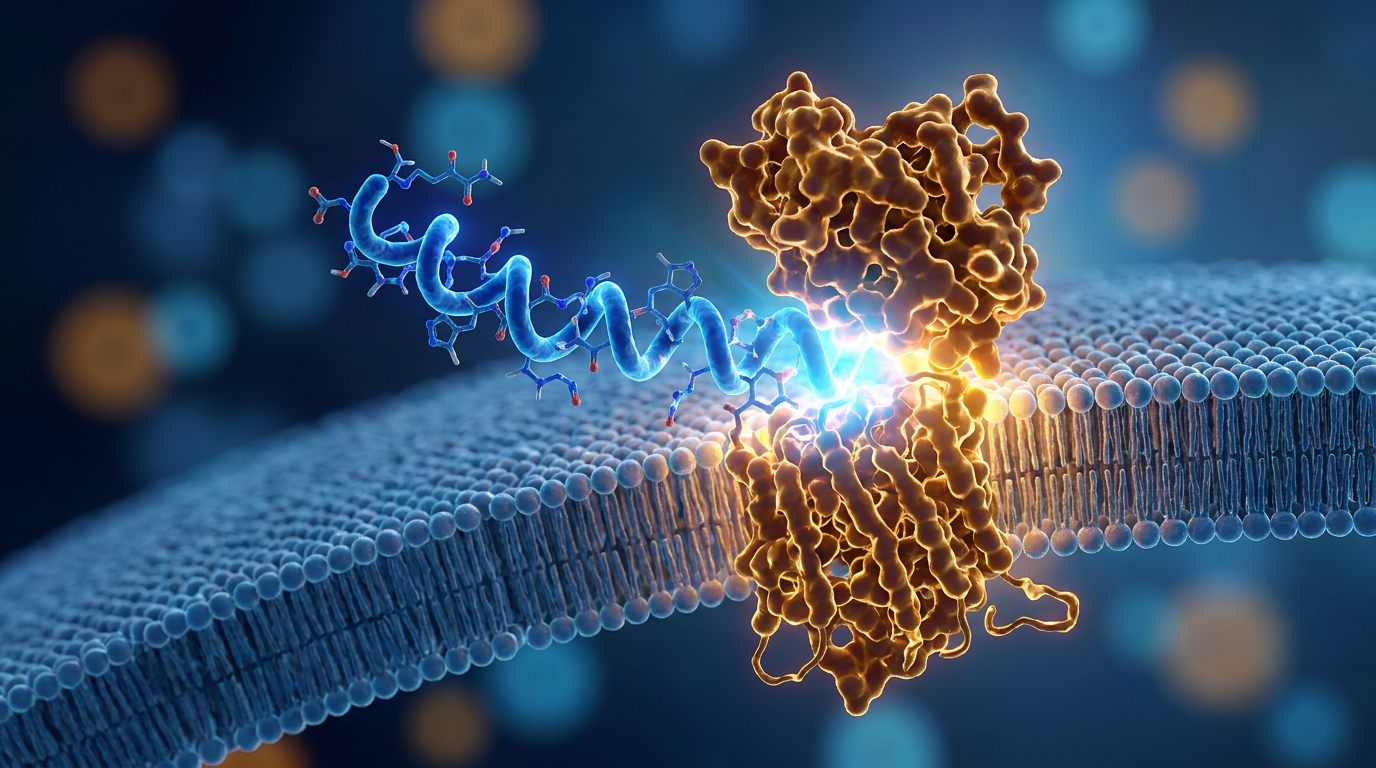
Unlike preventative vaccines that protect against infectious diseases, these mRNA cancer vaccines are therapeutic—administered after a patient has already been diagnosed and undergone surgery. The mechanism relies on the unique genetic signature of an individual's tumor. Because cancer cells mutate rapidly, they display abnormal proteins on their surface known as neoantigens. By sequencing the DNA of a surgically removed tumor, scientists can identify the specific neoantigens that are most likely to trigger an immune response.[4][7]
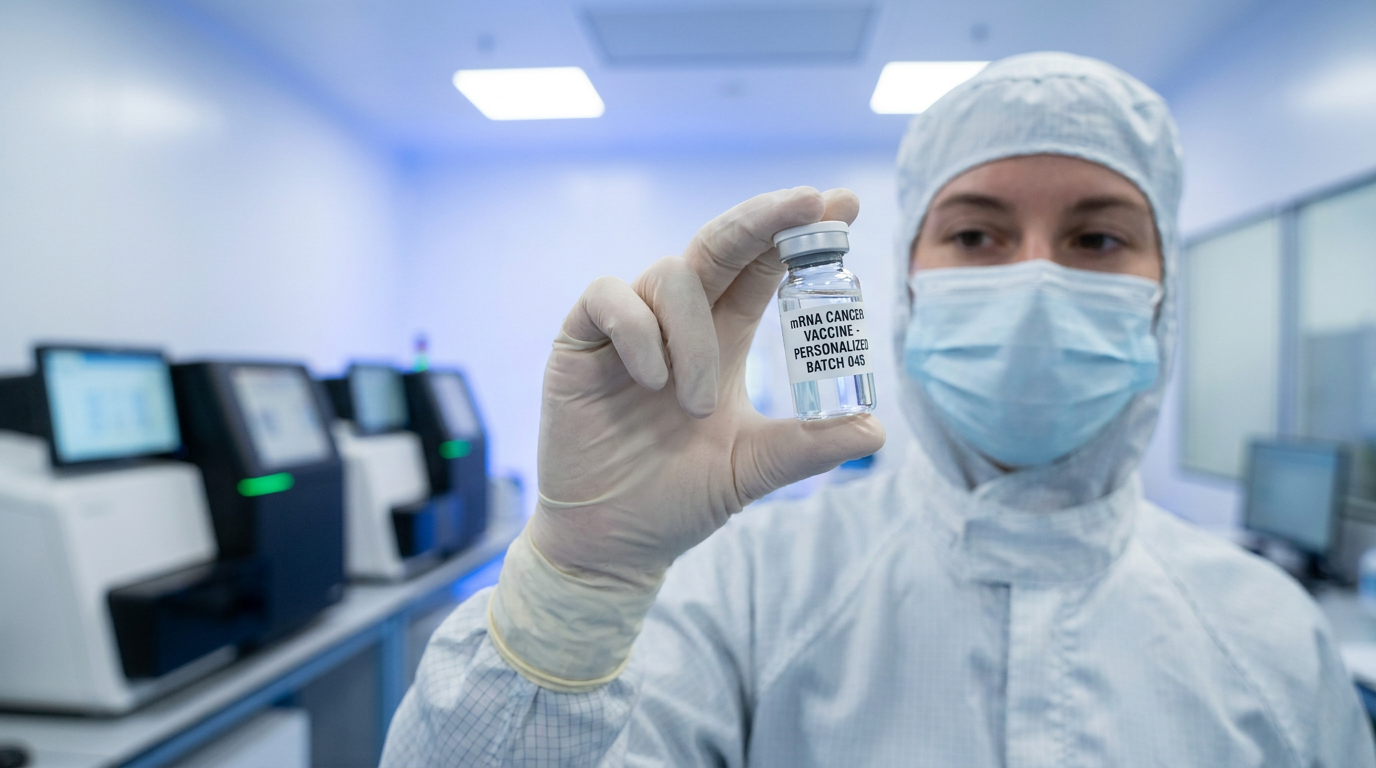
This genetic blueprint is then translated into a custom-built strand of mRNA. The mRNA is packaged inside a lipid nanoparticle—a microscopic fat bubble that protects the fragile genetic material—and injected into the patient. Once inside the body, the mRNA acts as a set of instructions, directing the patient's own cells to manufacture harmless copies of the tumor's neoantigens. This process trains the immune system's CD8+ cytotoxic T-cells to recognize these specific proteins, effectively turning them into targeted assassins that patrol the body for any remaining microscopic cancer cells.[4][7]
The strongest evidence for this approach currently comes from the treatment of high-risk melanoma. In the landmark KEYNOTE-942 Phase 2b trial, researchers evaluated a personalized mRNA vaccine known as mRNA-4157 (or intismeran autogene), developed jointly by Moderna and Merck. The vaccine, which can encode up to 34 distinct neoantigens, was administered alongside the standard immunotherapy drug pembrolizumab to patients who had their Stage III or IV melanomas surgically removed.[1][3][5]
Five-year follow-up data presented in 2026 revealed unprecedented durability. Patients receiving the custom mRNA vaccine combined with pembrolizumab experienced a 49 percent reduction in the risk of recurrence or death compared to those receiving the immunotherapy alone. For patients with high-risk melanoma, the period immediately following surgery is fraught with anxiety, as microscopic residual disease frequently leads to aggressive relapses. The vaccine effectively halved that risk, maintaining its protective effect long after the initial treatment course concluded.[1][3]

Equally critical is the vaccine's impact on distant metastasis—the spread of cancer to vital organs like the brain, lungs, or liver, which is the primary cause of melanoma mortality. The combination therapy reduced the risk of distant metastasis or death by 59 to 62 percent. Clinical oncologists note that this sustained tumor control at the five-year mark strongly suggests the vaccine successfully generated long-lasting immune memory, fundamentally altering the patient's adaptive immune response.[1][5]
While the melanoma data provides the most robust statistical proof, early-stage evidence suggests mRNA vaccines could also revolutionize the treatment of notoriously recalcitrant tumors, such as pancreatic ductal adenocarcinoma. Pancreatic cancer is characterized by a dense, immunosuppressive microenvironment that typically blocks traditional therapies, resulting in a bleak five-year survival rate of approximately 13 percent.[2][4]
A Phase 1 trial conducted at Memorial Sloan Kettering Cancer Center tested a different personalized mRNA vaccine, autogene cevumeran (BNT122), developed by BioNTech and Genentech. The trial enrolled 16 patients who had undergone surgery for pancreatic cancer. The bespoke vaccines, encoding up to 20 patient-specific neoantigens, were manufactured and administered within weeks of the operations, alongside standard chemotherapy and a checkpoint inhibitor.[4]
The trial enrolled 16 patients who had undergone surgery for pancreatic cancer.
The long-term follow-up data presented at 2026 oncology conferences stunned the medical community. Of the patients whose immune systems successfully responded to the vaccine, nearly 90 percent—seven out of eight individuals—were still alive up to six years after their treatment. In the context of pancreatic cancer, where the disease typically returns within seven to nine months even after successful surgery, multi-year recurrence-free survival is an extraordinary anomaly.[4]

Translational data from the trial illuminated why these patients survived. Blood analyses revealed that the vaccine-induced T-cells were not a transient phenomenon; they persisted in the patients' bloodstreams for years. These memory T-cells continued to actively patrol the body, providing durable immune surveillance that eradicated microscopic cancer cells before they could seed new tumors.[4]
Crucially, the evidence indicates that the safety profile of these personalized mRNA vaccines is highly manageable. A major concern in oncology is that combining multiple immunotherapies can trigger severe, compounding autoimmune reactions, where the hyperactive immune system attacks healthy organs. However, the addition of the mRNA vaccine did not significantly increase the rate of severe immune-mediated toxicities compared to checkpoint inhibitors alone.[6]
The most common adverse events associated with the mRNA vaccines were grade 1 or 2 reactions, mirroring the side effects of standard viral vaccines. Patients frequently reported transient fatigue, injection site pain, chills, and low-grade fevers. These symptoms are generally viewed by clinicians as signs of an active, functioning immune response rather than dangerous toxicities, allowing patients to maintain a high quality of life during the treatment phase.[1][6]
Despite the profound successes, the evidence also highlights significant uncertainties and limitations. The therapies are not universally effective. In the pancreatic cancer trial, half of the patients (eight out of 16) failed to mount a measurable T-cell response to the vaccine. For these non-responders, the cancer returned at the same rapid pace as it would with standard chemotherapy, underscoring a critical gap in the current technology.[4]

Researchers are urgently investigating the biological variables that separate responders from non-responders. The tumor microenvironment in some patients may be so profoundly immunosuppressive that even a perfectly engineered mRNA vaccine cannot overcome the local barriers to T-cell infiltration. Identifying predictive biomarkers—genetic or immunological signatures that indicate whether a patient will benefit from the vaccine—remains a primary focus of ongoing research.[4][7]
Beyond biology, the logistical and economic hurdles of personalized mRNA vaccines are immense. Unlike off-the-shelf drugs, these therapies require a complex, individualized supply chain. A patient's tumor must be surgically excised, securely transported to a specialized sequencing facility, computationally analyzed to identify the optimal neoantigens, and then physically manufactured into a sterile, clinical-grade vaccine—all within a narrow window of a few weeks before the cancer has a chance to return.[4][7]
This bespoke manufacturing process carries profound cost implications. While commercial pricing will not be finalized until regulatory approval is granted, healthcare economists project that individualized mRNA cancer vaccines could cost between $100,000 and $300,000 per patient. When combined with the high cost of the requisite checkpoint inhibitors, the total treatment regimen presents a formidable challenge for healthcare systems and insurers, raising urgent questions about equitable access.[7]
The oncology field is now awaiting the definitive verdicts from massive, randomized Phase 3 clinical trials. Studies like the INTerpath-001 trial for melanoma and expanded Phase 2 trials for pancreatic and lung cancers are currently fully enrolled. These large-scale studies are designed to confirm the Phase 2 efficacy signals across diverse patient populations and are expected to yield pivotal readouts between late 2026 and 2027.[7]

If the Phase 3 data corroborates the dramatic reductions in recurrence and the durable survival benefits seen thus far, regulatory approvals will likely follow swiftly. Such an outcome would mark a historic paradigm shift in oncology—transitioning the standard of care from generic cellular poisons to highly targeted, individualized immune software, and offering a genuine chance at long-term cures for patients facing the most daunting diagnoses.[7]
How we got here
2020–2021
The rapid development and global deployment of mRNA COVID-19 vaccines validates the safety and scalability of the underlying lipid-nanoparticle technology.
June 2022
Early Phase 1 data for the autogene cevumeran pancreatic cancer vaccine shows it successfully induces T-cell responses in half of the treated patients.
February 2023
The FDA grants Breakthrough Therapy Designation to the mRNA-4157 melanoma vaccine based on promising Phase 2b recurrence data.
June 2026
Five-year follow-up data confirms that the melanoma vaccine halves recurrence risk, while pancreatic cancer data shows multi-year survival for immune responders.
Viewpoints in depth
Clinical Trial Investigators
Oncologists leading the trials emphasize the unprecedented nature of the survival data.
Investigators point out that halving the recurrence risk in high-risk melanoma and achieving multi-year survival in pancreatic cancer are milestones rarely seen in solid tumor oncology. They argue that the data is mature enough to fundamentally alter how the field views adjuvant therapy, moving the goalpost from merely delaying recurrence to potentially achieving definitive, long-term cures through immune memory.
Translational Immunologists
Researchers focused on the biological mechanisms highlight the proof of T-cell persistence.
For immunologists, the most significant finding is not just the clinical survival, but the blood biomarker data proving that mRNA vaccines successfully generate durable, neoantigen-specific CD8+ T-cells. They emphasize that the ability to detect these targeted immune cells years after the final injection validates the core hypothesis of the technology: that the immune system can be permanently reprogrammed to treat cancer as a chronic, manageable threat rather than an acute, fatal disease.
Healthcare Systems Analysts
Health economists and policy experts focus on the logistical and financial bottlenecks of personalized medicine.
While celebrating the clinical efficacy, analysts warn that the bespoke nature of these vaccines presents a massive scalability challenge. Manufacturing a unique drug for every single patient requires a decentralized, rapid-turnaround supply chain that current hospital systems are not equipped to handle. Furthermore, with projected costs reaching hundreds of thousands of dollars per patient, they caution that without significant manufacturing innovations, these life-saving therapies could exacerbate existing disparities in cancer care access.
What we don't know
- Why the tumor microenvironment in some patients completely suppresses the vaccine-induced T-cell response.
- Whether the manufacturing process can be streamlined to reduce the turnaround time below the current 3-to-8 week window.
- The final commercial price point and how public and private insurers will handle coverage for bespoke, individualized therapies.
Key terms
- Messenger RNA (mRNA)
- A molecule that carries genetic instructions from DNA to the cell's protein-making machinery, used in these vaccines to teach the body how to identify cancer.
- Neoantigen
- Abnormal proteins found only on the surface of cancer cells, caused by tumor mutations, which the immune system can be trained to attack.
- Adjuvant Therapy
- Additional cancer treatment given after the primary treatment (like surgery) to lower the risk that the cancer will come back.
- Checkpoint Inhibitor
- A type of immunotherapy drug that takes the 'brakes' off the immune system, often used in combination with cancer vaccines to help T-cells attack tumors more effectively.
Frequently asked
What is the difference between this and the COVID-19 mRNA vaccines?
While both use mRNA technology, COVID-19 vaccines are preventative and target a single viral protein shared by everyone. Cancer vaccines are therapeutic (given after diagnosis) and are custom-built for each patient based on the unique genetic mutations of their specific tumor.
Are these vaccines available to the general public yet?
Not yet. They are currently only available through clinical trials. If the ongoing Phase 3 trials are successful, the first regulatory approvals are anticipated between late 2026 and 2027.
What types of cancer are being targeted?
The most advanced trials are in high-risk melanoma, non-small cell lung cancer, and pancreatic cancer. Researchers are also testing the technology in colorectal, bladder, and head and neck cancers.
Do these vaccines replace chemotherapy or surgery?
No. They are designed to be used as an 'adjuvant' therapy—meaning they are given after a tumor has been surgically removed, often alongside standard chemotherapy or immunotherapy, to prevent the cancer from returning.
Sources
Source coverage
7 outlets
3 viewpoints surfaced






[1]Cancer NetworkClinical Trial Investigators
Five-year follow-up data of intismeran autogene (mRNA-4157) plus pembrolizumab
Read on Cancer Network →[2]Science NewsHealthcare Systems Analysts
An experimental pancreatic cancer drug has ignited hope in a field desperate for new treatments
Read on Science News →[3]Clinical Trials ArenaClinical Trial Investigators
A combination of intismeran autogene and Keytruda significantly prolonged recurrence-free survival in melanoma
Read on Clinical Trials Arena →[4]Memorial Sloan Kettering Cancer CenterTranslational Immunologists
Clinical trial results for therapeutic mRNA vaccine for pancreatic cancer
Read on Memorial Sloan Kettering Cancer Center →[5]Journal of Clinical OncologyClinical Trial Investigators
mRNA-4157 in combination with pembrolizumab as adjuvant therapy for resected high-risk melanoma
Read on Journal of Clinical Oncology →[6]The LancetTranslational Immunologists
Adjuvant mRNA-4157 plus pembrolizumab prolonged recurrence-free survival versus pembrolizumab monotherapy in patients with resected high-risk melanoma
Read on The Lancet →[7]Factlen Editorial TeamHealthcare Systems Analysts
Synthesis by Factlen editorial team
Read on Factlen Editorial Team →


Every angle. Every day.
Get science stories with full source coverage and perspective breakdowns delivered to your inbox.