
How Microbes Are Brewing Real Dairy Without Cows
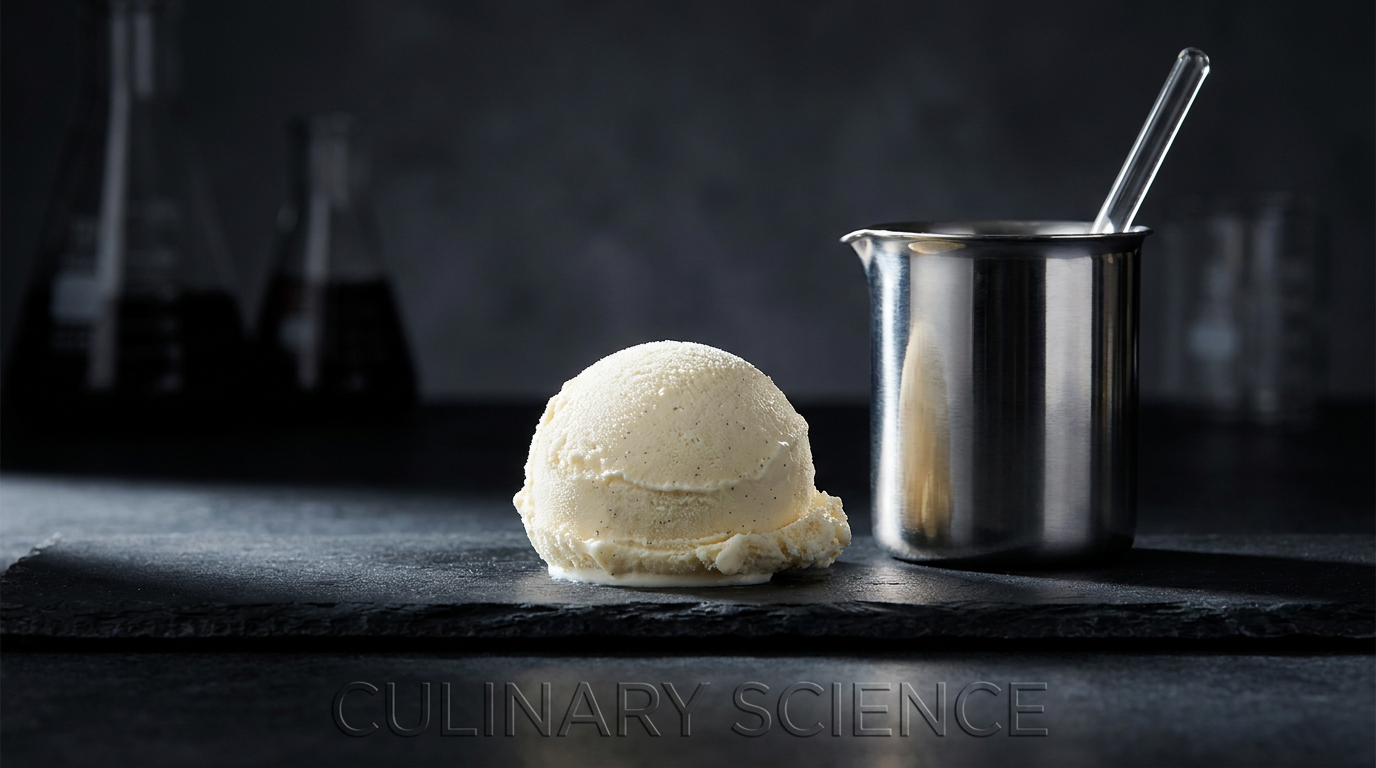
Precision fermentation is allowing food scientists to brew molecularly identical whey and casein proteins using microflora instead of cattle. The technology promises to deliver the exact taste and texture of traditional ice cream and cheese, but with a fraction of the environmental footprint.
By Factlen Editorial Team
- Food Tech Innovators
- Advocates who view precision fermentation as a critical tool for decarbonizing the global food system.
- Environmental Advocates
- Groups focused on the massive resource savings and climate benefits of removing cattle from the supply chain.
- Consumer Safety Advocates
- Organizations focused on transparent labeling and the risks of molecularly identical allergens.
What's not represented
- · Traditional Dairy Farmers
- · Rural Agricultural Economists
Why this matters
By decoupling dairy proteins from animal agriculture, precision fermentation could drastically reduce the massive greenhouse gas emissions and water usage associated with dairy farming. For consumers, it means lactose-free, cholesterol-free desserts that finally melt, whip, and taste exactly like the real thing.
Key points
- Precision fermentation uses genetically engineered microflora to brew molecularly identical dairy proteins without cows.
- The process requires up to 99% less water and generates 97% fewer greenhouse gas emissions than conventional dairy farming.
- Because the resulting whey is identical to cow's whey, it delivers the exact same creamy texture and melting properties in desserts.
- While lactose-free and vegan, the proteins will still trigger allergic reactions in individuals with dairy allergies.
- The industry faces significant scaling challenges, requiring massive capital investment in bioreactor infrastructure to meet future demand.
For decades, the holy grail of dairy-free desserts has been texture. While plant-based alternatives made from oats, almonds, and soy have captured a massive share of the beverage market, they consistently fall short in the freezer aisle. Plant proteins simply do not behave like dairy proteins; they lack the unique molecular structures required to trap air, emulsify fats, and create the rich, creamy mouthfeel that defines premium ice cream. To compensate, manufacturers often rely on heavy stabilizers, gums, and coconut oils, resulting in products that can feel icy or leave a lingering aftertaste. The fundamental problem is that plant milks are missing whey and casein—the two magical proteins that give cow's milk its unparalleled culinary versatility. But a rapidly maturing food technology is rewriting the rules of dessert chemistry, proving that you no longer need a cow to produce authentic dairy.[7]
The breakthrough lies in a process known as precision fermentation. While humanity has used traditional fermentation for millennia to brew beer and leaven bread, precision fermentation takes the concept to a microscopic, highly targeted level. Instead of relying on yeast to simply convert sugars into alcohol or carbon dioxide, food scientists are now programming microorganisms to act as microscopic factories. By inserting the specific genetic sequence—the DNA blueprint—that codes for bovine whey or casein into fungi or yeast, researchers can instruct these microbes to synthesize the exact same proteins produced by a nursing cow. The resulting proteins are not approximations or plant-based mimics; they are molecularly identical to traditional dairy, capable of whipping, melting, and binding in exactly the same way.[1][2]
While the application of precision fermentation to bulk dairy proteins is novel, the underlying technology has quietly underpinned the food industry for decades. In fact, the vast majority of the cheese consumed globally today is already produced using a product of precision fermentation. Historically, cheesemakers relied on rennet—an enzyme extracted from the stomach lining of slaughtered calves—to coagulate milk. In the 1990s, scientists successfully engineered microbes to produce chymosin, the active enzyme in rennet, creating a cheaper, more consistent, and vegetarian-friendly alternative. Today, this fermentation-derived enzyme, known as Fermentation-Produced Chymosin (FPC), is used in roughly 90 percent of all commercial cheese production. The current wave of animal-free dairy is simply scaling this proven concept from micro-ingredients to macro-nutrients.[3][7]
The mechanics of this microbial foundry are surprisingly straightforward, resembling a modern craft brewery more than a traditional farm. The programmed microflora—often a multicellular filamentous fungus like Trichoderma reesei—are introduced into massive stainless steel bioreactors. These tanks are filled with a nutrient-rich broth consisting of water, plant-derived sugars, vitamins, and minerals. As the microbes consume the sugars, they multiply and naturally excrete the target dairy proteins into the surrounding liquid. Once the fermentation cycle is complete, the broth is drained, and the proteins are meticulously separated from the microflora. The liquid is then filtered, purified, and dried into a fine, highly functional protein powder that can be shipped to food manufacturers worldwide.[1][6]

The environmental implications of decoupling dairy proteins from animal agriculture are staggering. Traditional dairy farming is inherently resource-intensive; it requires breeding, feeding, and hydrating a 1,500-pound animal over several years to harvest the proteins suspended in its milk. Dairy cattle are responsible for roughly 12 percent of all human-caused greenhouse gas emissions, primarily due to the potent methane released during their digestive process. Furthermore, conventional dairy requires vast tracts of irrigated land to grow forage and grain. Precision fermentation bypasses this entire biological middleman. Microbes can perform the same protein-synthesis job in a matter of days, requiring a fraction of the caloric input and generating virtually zero methane.[2][4]
The environmental implications of decoupling dairy proteins from animal agriculture are staggering.
Recent life-cycle assessments highlight the dramatic efficiency gains of this new approach. Independent analyses of commercial precision-fermented whey indicate that the process generates up to 97 percent fewer greenhouse gas emissions compared to conventional dairy production. The water savings are equally profound, with microbial fermentation requiring up to 99 percent less water, largely because it eliminates the need to irrigate feed crops and hydrate massive herds. Land use is also slashed by over 90 percent. For a food system grappling with climate-induced droughts and shrinking arable land, the ability to brew high-quality protein in a vertical, climate-controlled tank offers a highly resilient alternative to traditional agriculture.[4]

However, the climate benefits of precision fermentation come with a significant caveat: energy consumption. Industrial bioreactors require substantial electricity to maintain precise temperatures, oxygenate the broth, and power the continuous agitation necessary for optimal microbial growth. Currently, energy accounts for roughly 30 percent of a fermentation facility's operating costs. If a commercial plant is powered by a coal-heavy electrical grid, the carbon savings of eliminating the cow are largely negated by the emissions of the power plant. To truly deliver on its environmental promises, the precision fermentation industry must scale in tandem with renewable energy infrastructure, ensuring that these microbial foundries are powered by wind, solar, or hydroelectric sources.[2]
Beyond sustainability, precision-fermented dairy offers distinct nutritional advantages that appeal to a broad spectrum of consumers. Because the process isolates only the specific target proteins, the resulting ingredients are entirely free of lactose, the milk sugar that causes digestive distress for approximately 65 percent of the global population. The proteins are also inherently free of cholesterol, and because they are produced in a sterile, controlled environment, they require no antibiotics or synthetic growth hormones. This allows food manufacturers to create indulgent, real-dairy ice creams and cream cheeses that cater to lactose-intolerant consumers without sacrificing the authentic taste and texture they crave.[1][7]
Yet, the molecular identicality of these proteins introduces a critical safety consideration: they are not hypoallergenic. Because precision-fermented whey is exactly the same as bovine whey, it will trigger the exact same immune response in individuals with a dairy allergy. This has prompted strict guidance from organizations like Food Allergy Research & Education, warning that 'animal-free dairy' is not safe for those with milk allergies. The terminology itself has proven somewhat confusing for shoppers, who often conflate 'animal-free' with 'dairy-free' or 'vegan.' Regulators and companies are now working to establish clear, standardized labeling—such as 'non-animal whey protein'—to ensure that allergic consumers are not inadvertently exposed to real dairy proteins hidden in seemingly vegan products.[5]
Consumer acceptance remains another significant hurdle for the burgeoning industry. While early adopters and climate-conscious shoppers have embraced the technology, broader public perception is mixed. Studies conducted by the UK's Food Standards Agency reveal that while consumers generally acknowledge the environmental and animal-welfare benefits of precision fermentation, many express hesitation over the perceived 'unnaturalness' of the process. The idea of food produced via genetically engineered microbes in a laboratory setting triggers skepticism for some, highlighting the need for transparent communication. Companies must bridge the gap between the complex biotechnology involved and the simple, familiar foods it produces, emphasizing that fermentation itself is an ancient, natural process.[3]

Despite these challenges, the commercialization of precision-fermented desserts is accelerating rapidly. Pioneering companies like Perfect Day have already successfully scaled their ProFerm whey protein, transitioning from a novel proof-of-concept to a viable business-to-business ingredient. This animal-free whey is now integrated into products ranging from boutique brands like Smitten Ice Cream to massive multinational offerings, including a lactose-free chocolate frozen dessert launched by Unilever's Breyers brand. Food giants like Nestlé and Mars are actively piloting the technology in their research accelerators, signaling a broader industry shift toward hybrid and animal-free dairy formulations.[1][6]
The ultimate test for precision fermentation will be its ability to scale production and achieve price parity with conventional dairy. Currently, the industry faces a severe bottleneck in global fermentation capacity; experts estimate that infrastructure must expand a thousandfold by 2030 to meet projected demand. Building commercial-scale bioreactors requires hundreds of millions of dollars in capital investment, and optimizing the microbial strains to produce higher yields at lower costs remains an ongoing scientific challenge. Yet, as the technology matures and economies of scale take hold, precision fermentation stands poised to fundamentally transform the dessert aisle, proving that the future of dairy might just be brewed, not milked.[2][6][7]
How we got here
1990s
Precision fermentation is first used at scale to produce chymosin, replacing animal rennet in commercial cheese production.
2014
Perfect Day is founded to apply precision fermentation to bulk dairy proteins like whey and casein.
2019
The first limited-edition commercial ice cream made with animal-free dairy protein is launched.
2021
Independent life-cycle assessments confirm massive environmental savings for precision-fermented whey.
2024
Multinational food giants, including Unilever, begin incorporating animal-free whey into mainstream consumer dessert brands.
Viewpoints in depth
Food Technologists & Climate Scientists
Advocates who view precision fermentation as a critical tool for decarbonizing the global food system.
This camp argues that traditional animal agriculture is fundamentally incompatible with global climate goals. By transitioning protein production to microbial foundries, they believe we can drastically reduce methane emissions, free up vast tracts of agricultural land for rewilding, and create a more resilient food supply chain that is immune to droughts and extreme weather.
Traditional Dairy Farmers
Agricultural stakeholders concerned about the economic and cultural impact of lab-grown alternatives.
Traditional producers emphasize the economic importance of dairy farming to rural communities and argue that livestock play a vital role in regenerative agriculture when managed correctly. They often express concern over the consolidation of food production into the hands of a few biotechnology companies and advocate for strict labeling laws to differentiate 'natural' milk from fermentation-derived proteins.
Consumer Safety & Allergy Advocates
Groups focused on transparent labeling and the risks of molecularly identical allergens.
While supportive of sustainable innovations, these advocates stress that 'animal-free' does not mean 'allergy-free.' Because precision-fermented whey is molecularly identical to cow's whey, it poses a severe risk to individuals with dairy allergies. They lobby for prominent, standardized packaging warnings to ensure consumers do not mistake these new products for naturally hypoallergenic plant-based milks.
What we don't know
- Whether the industry can scale bioreactor capacity quickly enough to achieve true price parity with subsidized conventional dairy.
- How mainstream consumers will ultimately react to 'animal-free' dairy once it moves beyond early adopters and into everyday grocery staples.
- The long-term impact on rural agricultural economies if precision fermentation captures a significant share of the global dairy market.
Key terms
- Precision Fermentation
- A biotechnology process that programs microorganisms to produce specific complex molecules, such as dairy proteins, without the use of animals.
- Microflora
- Microscopic organisms, such as specific strains of yeast or fungi, used as the 'factories' to brew the proteins.
- Whey Protein
- One of the primary proteins in cow's milk, responsible for the creamy texture, whipping ability, and structure of dairy desserts.
- Bioreactor
- A large, climate-controlled stainless steel tank where microorganisms are fed nutrients and sugars to facilitate fermentation.
- Life-Cycle Assessment (LCA)
- A comprehensive analysis used to evaluate the total environmental impact of a product from raw material extraction to final production.
Frequently asked
Is precision-fermented ice cream vegan?
Yes. Because no animals are used in the production process, the resulting dairy proteins are considered vegan and animal-free.
Is it safe for people with dairy allergies?
No. The whey and casein produced via precision fermentation are molecularly identical to those found in cow's milk, meaning they will trigger the exact same allergic reactions.
Does it contain lactose?
No. The fermentation process only produces the specific target proteins (like whey), leaving out lactose, cholesterol, and hormones entirely.
Is this technology genetically modified (GMO)?
The microflora used to produce the protein are genetically engineered, but the final protein powder is purified and contains no trace of the genetically modified organisms.
Sources
Source coverage
7 outlets
3 viewpoints surfaced






[1]Perfect DayFood Tech Innovators
Fermentation: The New Alchemy
Read on Perfect Day →[2]Earth911Environmental Advocates
Precision Fermentation: From Cow to Microbial Foundry
Read on Earth911 →[3]Food Standards AgencyConsumer Safety Advocates
Consumer responses to precision-fermented foods
Read on Food Standards Agency →[4]Green QueenEnvironmental Advocates
The Environmental Impact of Precision-Fermented Dairy
Read on Green Queen →[5]Food Allergy Research & EducationConsumer Safety Advocates
What You Need to Know About Animal-Free Dairy
Read on Food Allergy Research & Education →[6]National Institutes of HealthFood Tech Innovators
Technological advances in artificial milk production
Read on National Institutes of Health →[7]Factlen Editorial TeamFood Tech Innovators
Synthesis by Factlen editorial team
Read on Factlen Editorial Team →
More in food drink
See all 33 stories →Culinary Science
The Science of Emulsification: How to Build Stable Sauces, Dressings, and Dips
6 sources

Food Tech
The Science of Animal-Free Dairy: How Microbes Are Brewing Real Ice Cream and Cheese
8 sources
Longevity Science
The Science of Coffee and Longevity: How the Daily Brew Protects the Brain and Heart
7 sources

Gut-Brain Axis
How 'Psychobiotics' and the Gut-Brain Axis Are Reshaping Mental Health Treatment
7 sources

Every angle. Every day.
Get food drink stories with full source coverage and perspective breakdowns delivered to your inbox.