
How Deep Sleep Cleans the Brain: Inside the Glymphatic System's Nightly Wash Cycle
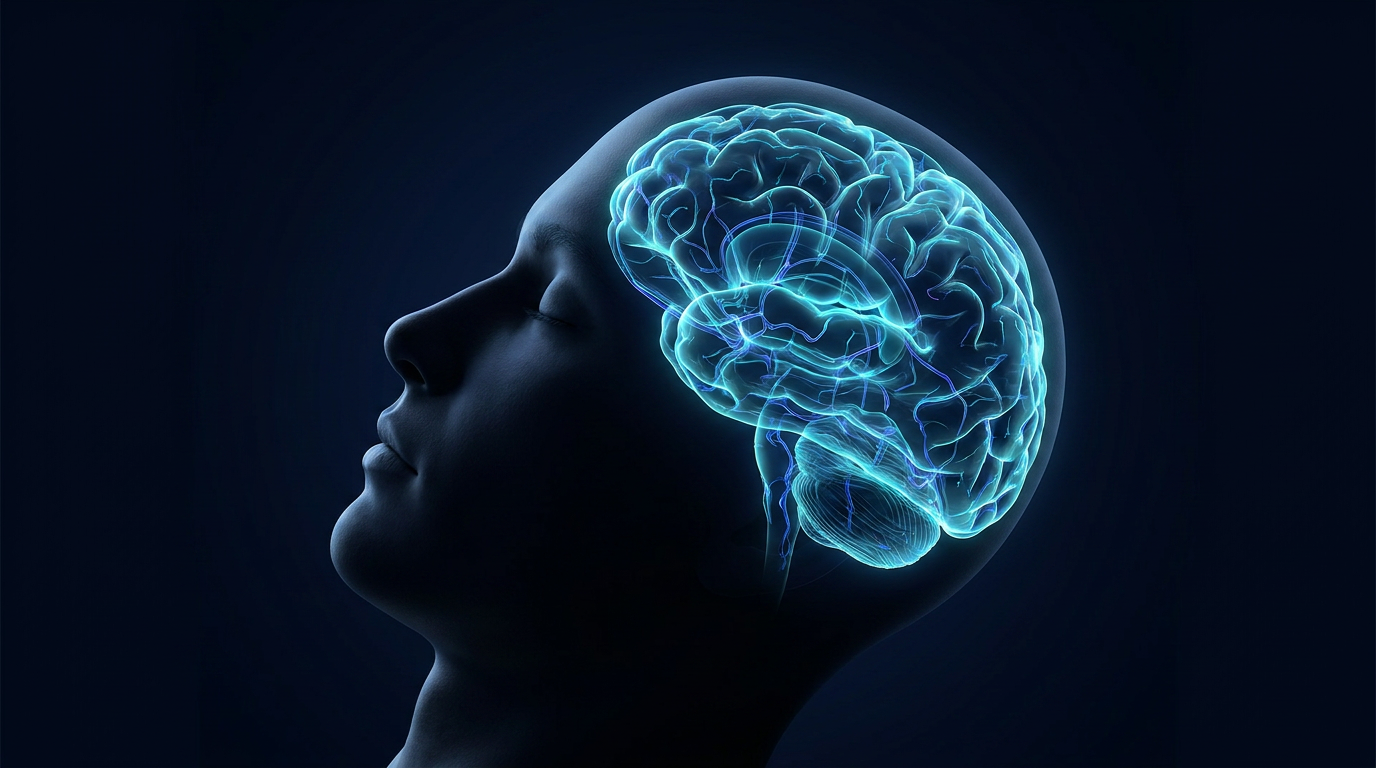
Neuroscientists have mapped a brain-wide plumbing network that flushes out toxic metabolic waste, including the proteins linked to Alzheimer's disease. This 'glymphatic system' is highly active only during deep sleep, fundamentally reframing how we understand the biological necessity of rest.
By Factlen Editorial Team
- Neurobiologists & Sleep Researchers
- Focus on the mechanical discovery of the system and view deep sleep as an active biological maintenance cycle.
- Translational Pharmacologists
- Focus on developing targeted drugs and therapies to artificially boost glymphatic flow in aging or injured brains.
- Public Health Advocates
- Advocate for treating sleep hygiene and sleep disorder management as frontline preventative medicine against dementia.
What's not represented
- · Patients with chronic sleep disorders
- · Caregivers for dementia patients
Why this matters
For decades, science viewed sleep primarily as a time for rest and memory consolidation. The discovery of the glymphatic system reveals that sleep is actually a critical biological maintenance cycle—a literal washing machine for the brain that clears out the toxic proteins responsible for Alzheimer's and dementia, making sleep quality one of the most powerful, modifiable risk factors for long-term cognitive health.
Key points
- The human brain lacks a traditional lymphatic system, relying instead on the recently discovered 'glymphatic system' to clear metabolic waste.
- Cerebrospinal fluid washes through the brain tissue, flushing out neurotoxic proteins like amyloid-beta and tau.
- This clearance process is highly state-dependent, increasing dramatically during non-rapid eye movement (NREM) slow-wave sleep.
- During deep sleep, the brain's interstitial space expands by up to 60%, allowing for a massive influx of cleaning fluid.
- Impairment of this system is increasingly viewed as a shared underlying mechanism in Alzheimer's, Parkinson's, and vascular dementia.
- Researchers are actively developing non-invasive therapies and pharmacological modulators to artificially boost this clearance process.
The human brain is an incredibly energy-intensive organ, consuming approximately 20% of the body's total metabolic budget despite accounting for only a tiny fraction of its mass. For decades, a fundamental anatomical mystery persisted in neuroscience: how does the central nervous system clear the massive amount of metabolic waste generated by this relentless activity without a traditional lymphatic system? In the rest of the body, a complex network of lymph nodes and vessels filters out cellular debris, but the brain is sealed off behind the blood-brain barrier.[1][8]
The answer emerged with the discovery of the "glymphatic system," a brain-wide perivascular network that acts as the organ's dedicated waste clearance pathway. This system fundamentally redefines our understanding of brain homeostasis, revealing a highly coordinated internal plumbing network that washes away toxic byproducts before they can accumulate and cause cellular damage. It represents a paradigm shift in how researchers view the physical maintenance of our most complex organ.[7]
The mechanism relies on the continuous, pressurized exchange of two vital fluids. Cerebrospinal fluid (CSF), the clear liquid surrounding the brain and spinal cord, is pumped deep into the brain parenchyma along the outside channels of penetrating arteries. Once inside, it mixes with interstitial fluid (ISF)—the liquid bathing the actual brain cells—flushing metabolic waste toward venous drainage pathways to eventually be cleared from the body entirely.[2][7]

This microscopic fluid exchange is tightly regulated by specialized water channels known as aquaporin-4 (AQP4). These channels are densely concentrated on the "endfeet" of astrocytes, a type of star-shaped glial cell that wraps around the brain's blood vessels. The AQP4 channels act as microscopic valves, facilitating the high-speed movement of water and solutes through the dense, tightly packed brain tissue, ensuring the cleaning fluid reaches every corner of the neural network.[1][4]
The most critical and fascinating feature of the glymphatic system is its profound state-dependence: it is primarily active while we sleep. Researchers have demonstrated that the system's clearance rate drops significantly during wakefulness, suggesting that the brain must choose between processing incoming sensory information and performing essential biological maintenance. It simply cannot do both at full capacity simultaneously.[3][4]
During non-rapid eye movement (NREM) slow-wave sleep—often referred to as deep sleep—the brain undergoes a remarkable physical transformation. The interstitial space between brain cells actually expands by up to 60%, drastically reducing tissue resistance and allowing a massive influx of cerebrospinal fluid to wash through the neural networks. This physical expansion is triggered by a sharp drop in norepinephrine, a neurotransmitter associated with arousal and alertness.[3][8]

The waste products cleared by this nocturnal washing cycle include highly neurotoxic proteins. Chief among these are amyloid-beta and tau proteins, which are the primary pathological hallmarks of Alzheimer's disease. The glymphatic system also removes excess neurotransmitters, cellular debris, and other metabolic byproducts that naturally accumulate during daytime cognitive exertion, effectively resetting the brain for the next day.[2][5]
The waste products cleared by this nocturnal washing cycle include highly neurotoxic proteins.
The clinical implications of this mechanism are profound, positioning glymphatic dysfunction as a shared pathophysiological axis across multiple neurodegenerative diseases. When the clearance system falters—whether due to aging, injury, or chronic sleep deprivation—toxic proteins are left behind to aggregate into the plaques and tangles that suffocate healthy neurons and drive cognitive decline.[2][8]
Pathological evidence from human patients strongly supports this link. In individuals with Alzheimer's disease, researchers have observed a widespread loss of AQP4 polarization. This means the crucial water channels detach from the perivascular endfeet and scatter randomly across the astrocyte, severely crippling the brain's ability to pump fluid efficiently. Similar glymphatic impairments have been documented in Parkinson's disease, vascular dementia, and traumatic brain injury.[2]
This dynamic creates a dangerous bidirectional relationship between sleep disruption and cognitive decline. Poor sleep quality directly reduces glymphatic clearance, leading to the rapid accumulation of amyloid-beta. Because amyloid-beta can damage the very brain regions responsible for generating deep sleep, its buildup further degrades sleep architecture, accelerating a vicious cycle of neurodegeneration that becomes increasingly difficult to break.[3]

Recognizing this mechanism has sparked a race in translational medicine to develop therapies capable of artificially boosting glymphatic flow. Pharmacological researchers are currently investigating compounds that can modulate AQP4 activity or manipulate noradrenergic tone to mimic the high clearance rates achieved during deep sleep, offering a potential lifeline for patients whose natural sleep architecture is already compromised.[5]
Parallel efforts are exploring non-invasive interventions. Recent collaborative research between institutions in Australia, Singapore, and the United States has focused on using advanced imaging to track how targeted therapies might enhance the brain's lymphatic clean-up system. These approaches aim to improve recovery after ischemic strokes and other acute neurological injuries by rapidly flushing out the toxic byproducts of cell death.[6]
Despite these breakthroughs, significant uncertainties remain in translating this science from animal models to human clinical practice. Much of the foundational evidence regarding interstitial expansion was gathered using two-photon microscopy in rodents. Measuring real-time glymphatic flow in living humans is technically challenging, though novel techniques like diffusion tensor imaging (DTI-ALPS) and intrathecal contrast MRI are beginning to bridge this gap.[2][7]

For the general public, the discovery of the glymphatic system elevates sleep from a passive period of rest to an active, non-negotiable biological necessity. It provides a concrete, mechanical explanation for why chronic sleep deprivation leaves us feeling cognitively "foggy" and underscores why treating common sleep disorders, such as obstructive sleep apnea, is critical for long-term brain health.[4][6]
Ultimately, mapping the brain's hidden plumbing system offers a deeply hopeful perspective on aging. By framing sleep quality as a modifiable risk factor rather than an inevitable casualty of getting older, neuroscience is providing actionable pathways to protect brain health. Prioritizing deep sleep may be one of the most effective, accessible tools we have to delay or prevent the onset of devastating neurological diseases.[7][8]
How we got here
2012
Researchers first identify and name the 'glymphatic system' in rodent models, demonstrating how CSF washes through brain tissue.
2013
Landmark studies reveal that glymphatic clearance increases dramatically during sleep, linking sleep deprivation to waste buildup.
2019
Advanced MRI techniques provide the first direct, non-invasive imaging of glymphatic fluid dynamics in living human brains.
2021
Pathological studies confirm that the mislocalization of AQP4 water channels is strongly correlated with Alzheimer's disease progression.
2025
Researchers begin testing targeted non-invasive therapies and pharmacological modulators designed to artificially boost glymphatic flow.
Viewpoints in depth
Neurobiologists & Sleep Researchers
This camp views the discovery as a fundamental paradigm shift in understanding why we sleep.
For decades, neuroscience viewed sleep primarily through the lens of memory consolidation and synaptic pruning. The glymphatic discovery reframes sleep as a mechanical necessity—a literal washing machine for the brain. Researchers in this camp argue that understanding the precise physiological triggers of this system, such as the drop in noradrenergic tone during NREM sleep, is the key to unlocking its full potential. They emphasize that sleep is not merely a period of rest, but an active, energy-intensive maintenance cycle that is non-negotiable for long-term cognitive survival.
Translational Pharmacologists
This camp is focused on developing medical interventions to artificially replicate the benefits of deep sleep.
While improving sleep hygiene is the ideal preventative measure, it is often impossible for aging populations or those with established neurological damage whose sleep architecture is already broken. This camp is aggressively pursuing pharmacological interventions—such as drugs that can modulate AQP4 water channels or manipulate vascular pulsatility. Their goal is to artificially induce high rates of glymphatic clearance even in awake or sleep-deprived patients, offering a potential therapeutic lifeline for those suffering from Alzheimer's, Parkinson's, or acute stroke.
Public Health Advocates
This camp advocates for treating chronic sleep deprivation as a major, modifiable public health crisis.
Public health experts argue for a massive cultural shift in how society views sleep. Rather than treating sleep as a luxury or a flexible pillar of productivity, they view it as a frontline defense against the looming global crisis of Alzheimer's and dementia. They advocate for policy changes, workplace protections, and public education campaigns that treat chronic sleep deprivation as a neurotoxic exposure equivalent to environmental pollutants, emphasizing that treating sleep apnea and insomnia is critical preventative medicine.
What we don't know
- How effectively pharmacological interventions can artificially replicate the complex fluid dynamics of natural slow-wave sleep.
- Whether specific sleeping positions, such as lateral sleep, definitively improve glymphatic clearance in humans as they appear to in animal models.
- The exact mechanisms by which the glymphatic system interacts with the brain's peripheral immune defenses in the meninges.
Key terms
- Glymphatic System
- The brain's dedicated waste clearance network, which uses cerebrospinal fluid to wash away toxic metabolic byproducts.
- Cerebrospinal Fluid (CSF)
- The clear, colorless liquid that surrounds and protects the brain and spinal cord, acting as the primary cleaning fluid in the glymphatic process.
- Aquaporin-4 (AQP4)
- Specialized water channel proteins located on the cells surrounding brain blood vessels, acting as microscopic valves that control fluid exchange.
- Slow-Wave Sleep
- The deepest phase of non-rapid eye movement (NREM) sleep, characterized by synchronized brain waves and the highest rates of glymphatic clearance.
- Amyloid-Beta
- A metabolic waste protein that, if not properly cleared, can clump together to form the toxic plaques associated with Alzheimer's disease.
Frequently asked
Can I improve my glymphatic clearance with short naps?
While any rest is beneficial, the glymphatic system is most active during deep, slow-wave sleep. This stage typically requires longer, uninterrupted sleep cycles to achieve, meaning short power naps may not trigger a full clearance cycle.
Does sleeping position affect brain clearance?
Some animal studies suggest that sleeping on your side (the lateral position) may optimize glymphatic flow compared to sleeping on your back or stomach, though more human research is needed to confirm this effect.
What happens to the waste once it leaves the brain?
The waste-filled fluid drains into the lymphatic vessels in the meninges (the membranes surrounding the brain) and is eventually routed to the cervical lymph nodes in the neck, where the body's immune system processes it.
Do sleep medications help this process?
It depends on the medication. Some sedatives induce a state of unconsciousness that does not replicate the exact brainwave architecture of natural slow-wave sleep, potentially limiting the efficiency of the glymphatic wash.
Sources
Source coverage
8 outlets
3 viewpoints surfaced








[1]Frontiers in NeuroscienceNeurobiologists & Sleep Researchers
Glymphatic system: a self-purification circulation in brain
Read on Frontiers in Neuroscience →[2]National Institutes of HealthNeurobiologists & Sleep Researchers
Glymphatic System Dysfunction in Central Nervous System Diseases
Read on National Institutes of Health →[3]Oxford University PressNeurobiologists & Sleep Researchers
Is glymphatic clearance the secret to restorative sleep?
Read on Oxford University Press →[4]Cleveland ClinicPublic Health Advocates
Glymphatic System: What It Is, Function & How It Works
Read on Cleveland Clinic →[5]MDPITranslational Pharmacologists
Research Evidence of the Role of the Glymphatic System and Its Potential Pharmacological Modulation in Neurodegenerative Diseases
Read on MDPI →[6]National Neuroscience InstituteTranslational Pharmacologists
Clean your brain as you sleep
Read on National Neuroscience Institute →[7]Preprints.orgNeurobiologists & Sleep Researchers
Mapping the Brain's Glymphatic System
Read on Preprints.org →[8]Factlen Editorial TeamNeurobiologists & Sleep Researchers
Synthesis by Factlen editorial team
Read on Factlen Editorial Team →

More in science
See all 5 stories →GLP-1 Therapeutics
Beyond Weight Loss: The Clinical Evidence for GLP-1 Drugs in Heart Disease, Addiction, and Parkinson's
0 sources
Turf Science
The Agronomy and Biomechanics Behind the 2026 World Cup's Unprecedented Grass Experiment
0 sources

Sports Agronomy
The Multimillion-Dollar Science Behind the 2026 World Cup's Perfect Pitch
0 sources
Every angle. Every day.
Get science stories with full source coverage and perspective breakdowns delivered to your inbox.