
Trump's US-Iran Peace Deal Nears Signing as Israel Strikes Beirut
The U.S. and Iran are expected to sign a landmark agreement to reopen the Strait of Hormuz, even as Israeli airstrikes against Hezbollah in Lebanon threaten to ignite a wider regional conflict.
By Factlen Editorial Team
- US and Mediating Nations
- Views the deal as a necessary diplomatic breakthrough to end a devastating war and stabilize global energy markets.
- Israeli Security Establishment
- Deeply skeptical of the framework, arguing it enriches Tehran without dismantling the immediate threat of Iranian proxy militias like Hezbollah.
- Iranian Hardliners
- Opposes the perceived concessions, arguing that relinquishing control of the Strait of Hormuz surrenders Iran's primary geopolitical leverage.
What's not represented
- · Lebanese civilians displaced by the escalating Israel-Hezbollah conflict
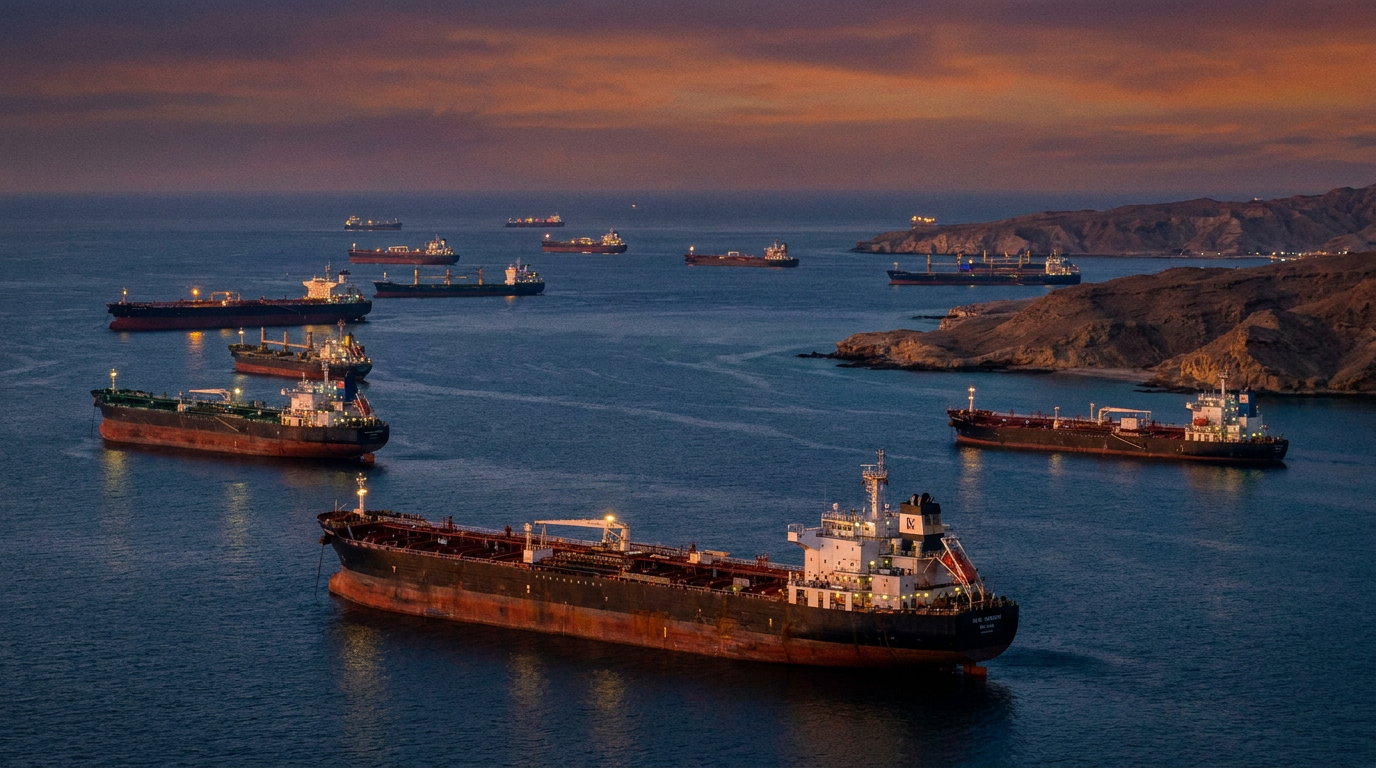
- · Global shipping companies navigating the volatile Strait of Hormuz
Why this matters
This agreement aims to end a four-month war that has choked global oil supplies and driven up energy costs worldwide. However, the simultaneous escalation between Israel and Hezbollah threatens to drag the Middle East into a wider conflict, directly impacting global security and economic stability.
Key points
- The U.S. and Iran are scheduled to sign a peace framework to end their four-month conflict.
- The deal requires Iran to reopen the Strait of Hormuz and dilute its highly enriched uranium.
- Pakistan is mediating the agreement and facilitating a virtual signing ceremony.
- Israel launched airstrikes on Hezbollah infrastructure in Beirut just hours before the expected signing.
- Israeli officials warn the deal fails to address the immediate threat of Iran's proxy network.
After a devastating four-month war that choked global energy supplies and reshaped Middle Eastern geopolitics, U.S. President Donald Trump announced that a landmark peace agreement with Iran is scheduled to be signed on Sunday. The proposed deal aims to immediately reopen the strategic Strait of Hormuz and lift the U.S. naval blockade, marking a potential end to one of the most volatile crises of the decade. The conflict has severely disrupted international shipping, driving a global spike in oil and gas prices that both Washington and Tehran are now eager to alleviate. If finalized, the agreement would transition the current fragile truce into a permanent ceasefire, though the path to the signing table remains fraught with last-minute diplomatic hurdles and sudden military escalations across the region.[3][4]
The mechanism of the signing itself reflects the deeply strained relations between the two nations. Mediated heavily by Pakistan and Qatar, the agreement is expected to be formalized via a virtual signing ceremony rather than a traditional diplomatic summit. Pakistani officials confirmed they are setting up a secure video link to facilitate the exchange, allowing both sides to endorse the framework without requiring direct, in-person meetings between U.S. and Iranian diplomats. Qatari negotiators also flew to Tehran over the weekend to help iron out the final details of the memorandum of understanding, underscoring the heavy reliance on regional intermediaries to bridge the trust deficit.[3][5]
At the core of the proposed framework is a significant rollback of Iran's nuclear ambitions. According to draft memorandums cited by regional officials, Iran has agreed not to produce or acquire nuclear weapons. In exchange for sweeping sanctions relief and eventual access to billions of dollars in frozen assets, Tehran will dilute its stockpile of highly enriched uranium inside the country. This process is slated to occur over a 60-day implementation period following the signing, during which technical teams will negotiate the exact oversight mechanisms required to verify compliance.[2][3]

However, the exact method for this nuclear dismantling remains a point of public contradiction and uncertainty. While Iranian officials insist the dilution of enriched uranium will happen entirely domestically under their own supervision, President Trump offered a starkly different narrative. He claimed that once the region stabilizes, the U.S. would deploy B-2 bombers to extract and destroy the "Nuclear Dust" buried deep within Iranian mountains. This rhetorical divergence highlights the fragility of the framework, as both administrations attempt to sell the deal to their respective domestic audiences as a definitive victory.[2][6]
Despite the optimism radiating from Washington and Islamabad, Tehran has publicly cast doubt on the strict Sunday timeline. Iranian Foreign Ministry spokesperson Esmaeil Baqaei cautioned against premature speculation, stating that a final decision has not yet been reached and citing "hesitation" from the opposing side. State-affiliated media in Iran criticized what they described as Trump’s "unusual insistence" on a Sunday signing, noting that the date coincides with the U.S. president's 80th birthday and suggesting the timeline is driven more by American political optics than diplomatic readiness.[1][3]
This hesitation is also driven by fierce internal politics and domestic pressure within Iran. Hardline factions have staged protests, including demonstrations outside a foreign ministry office in the northeastern city of Mashhad, accusing Iranian negotiators of surrendering their primary geopolitical leverage. These critics argue that relinquishing control over the Strait of Hormuz without ironclad, upfront guarantees from the U.S. leaves Tehran vulnerable. The internal resistance underscores the delicate balancing act Iranian leadership faces in securing economic relief without appearing to capitulate to American demands.[4][6]

This hesitation is also driven by fierce internal politics and domestic pressure within Iran.
The economic stakes of the agreement are monumental, extending far beyond the borders of the warring nations. The four-month conflict effectively strangled commercial shipping through the Strait of Hormuz, a vital maritime chokepoint that handles a massive portion of the world's daily oil supply. The immediate reopening of the waterway is the centerpiece of the U.S. demands, intended to stabilize global energy markets and ease inflationary pressures. In a sign of the ongoing volatility, U.S. forces had to shoot down multiple Iranian attack drones targeting commercial ships in the strait just hours before the anticipated signing.[3][6]
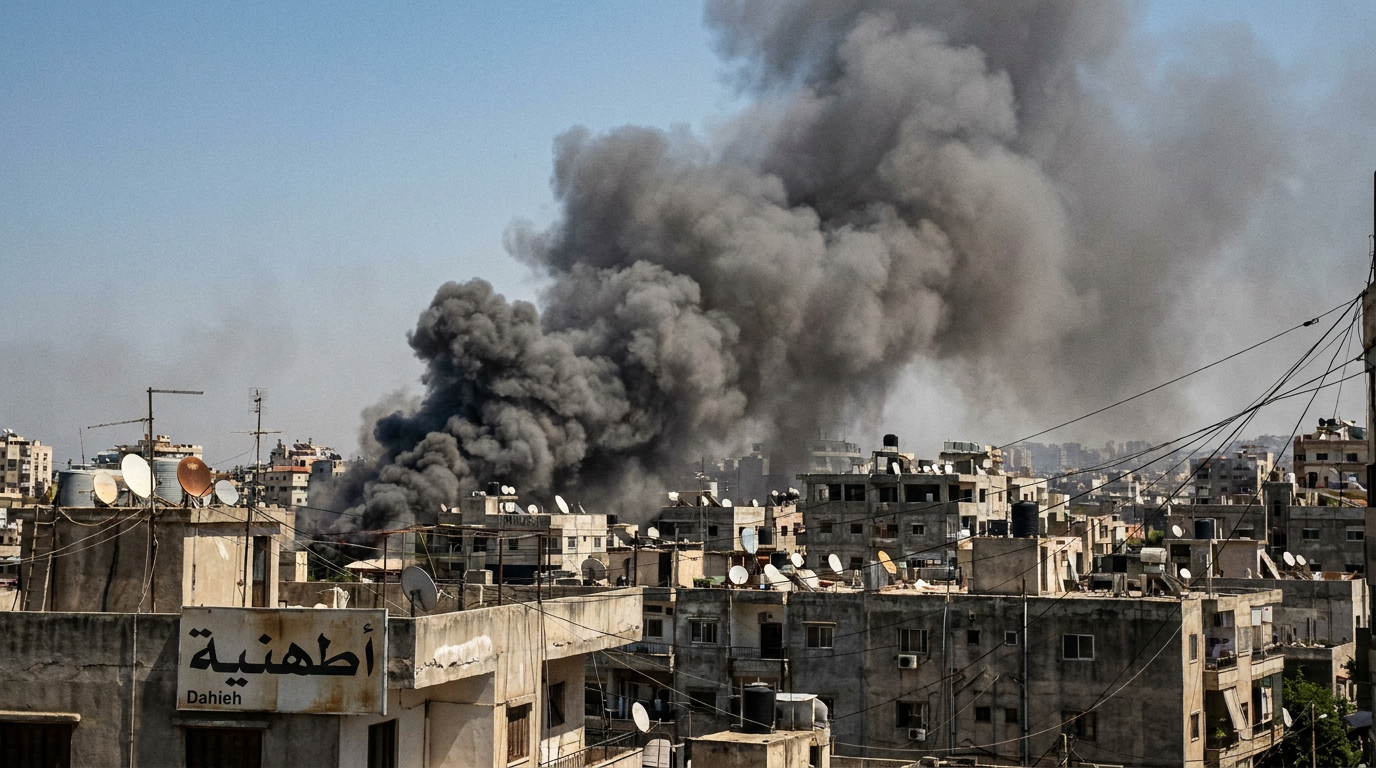
Yet, just as the U.S. and Iran inched closer to a historic accord, the region's parallel conflicts threatened to derail the fragile diplomatic progress. Explosions rocked the southern suburbs of Beirut on Sunday as the Israeli military launched targeted airstrikes against Hezbollah infrastructure in the Dahiyeh district. The heavy bombardment sent plumes of smoke over the Lebanese capital, serving as a stark reminder that the broader regional war triggered by the U.S.-Iran conflict remains highly active and deeply interconnected.[1][2]
Israeli Prime Minister Benjamin Netanyahu and Defense Minister Israel Katz issued a joint statement confirming the Beirut strikes, framing them as a direct and necessary response to Hezbollah firing projectiles into northern Israeli communities. The Israeli military simultaneously issued urgent evacuation orders for 29 villages in southern Lebanon, signaling a potential widening of the ground campaign. Israeli officials maintain that they will not tolerate cross-border fire, regardless of the diplomatic timelines being pursued by Washington and Tehran.[1][7]

The sudden escalation in Lebanon underscores a critical vulnerability in the U.S.-Iran framework: it largely sidelines Iran's extensive proxy network. Israeli officials have expressed deep skepticism about the impending deal, arguing that an agreement focused solely on nuclear material and the Strait of Hormuz fails to address the immediate threat posed by Hezbollah, the Houthis, and other Iranian-backed militias. For Israel, a deal that enriches Tehran while leaving its proxy armies fully armed and operational is viewed as a severe strategic oversight.[2][4]
The situation in Lebanon is further complicated by the recent collapse of a separate, U.S.-brokered ceasefire between Israel and Hezbollah. Hezbollah leadership recently rejected terms that would require their fighters to withdraw south of the Litani River, demanding instead a complete halt to Israeli military operations before any enduring truce can be established. This localized diplomatic failure means that even if Washington and Tehran lay down their arms, the northern Israeli border remains a highly volatile flashpoint capable of dragging the region back into a broader conflict.[1][7]
For the Israeli security establishment, the prospect of the U.S. lifting its naval blockade and releasing frozen Iranian assets while Hezbollah remains entrenched is deeply alarming. Defense Minister Katz reiterated that Israel expects the U.S. to enforce strict limits on Iran's regional influence, but maintained that Israeli forces will not withdraw from their designated "security zones" in Lebanon. This independent Israeli military posture ensures that Jerusalem retains the ability to strike Iranian interests, potentially complicating the U.S. effort to guarantee Tehran a complete cessation of hostilities.[2][4]

If the memorandum of understanding is successfully signed, it will immediately trigger a 60-day implementation window that promises to be just as fraught as the negotiations themselves. This two-month period will involve intense technical talks to finalize the nuclear dilution process, coordinate the phased release of Iranian funds, and establish protocols for maritime security in the Strait of Hormuz. Any misstep, miscommunication, or rogue attack during this window could easily shatter the agreement before its core provisions are fully enacted.[2][3]
Ultimately, the success of the U.S.-Iran peace deal hinges on whether the diplomatic firewall can hold back the kinetic realities on the ground. With Israeli jets striking Beirut, Iranian hardliners protesting in the streets, and drones still buzzing over commercial shipping lanes, the path to reopening the Strait of Hormuz remains perilous. The coming days will determine whether this framework serves as the foundation for lasting regional stability or merely a brief pause in a much larger, ongoing conflict.[1][4][6]
How we got here
April 2026
A fragile truce temporarily pauses the worst of the direct military confrontation between the U.S. and Iran.
Early June 2026
A separate U.S.-brokered ceasefire between Israel and Hezbollah unravels as Hezbollah rejects demands to withdraw south of the Litani River.
June 12, 2026
Iranian officials state that a preliminary agreement with the United States has 'never been closer.'
June 13, 2026
President Trump announces the deal will be signed on Sunday; U.S. forces down multiple Iranian drones targeting commercial ships.
June 14, 2026
Israel launches airstrikes on Hezbollah infrastructure in Beirut just hours before the expected virtual signing ceremony.
Viewpoints in depth
US and Mediating Nations
Focused on stabilizing global markets and ending the four-month war.
For Washington and mediating partners like Pakistan and Qatar, the immediate priority is halting the economic bleeding caused by the closure of the Strait of Hormuz. The four-month conflict has sent global energy prices soaring, creating immense domestic political pressure in the U.S. Proponents of the deal argue that securing a commitment from Iran to halt its nuclear weapons program while reopening vital shipping lanes is a massive diplomatic victory. They view the 60-day implementation window as a pragmatic way to lock in a ceasefire while leaving complex technical details for later negotiation, prioritizing immediate de-escalation over a perfect, all-encompassing treaty.
Israeli Security Establishment
Alarmed by the failure to address Iran's proxy network and ballistic missiles.
Israeli officials view the impending agreement with profound concern. From Jerusalem's perspective, a deal that lifts the U.S. naval blockade and releases billions in frozen assets without forcing the disarmament of Hezbollah or the Houthis is a strategic disaster. The Israeli defense establishment argues that Iran's true threat lies not just in its nuclear ambitions, but in its heavily armed proxy militias that surround Israel's borders. By striking Beirut just hours before the expected signing, Israel is signaling that it will not be bound by a U.S.-brokered truce that leaves its northern communities exposed to Hezbollah rocket fire.
Iranian Hardliners
Resisting the deal as a capitulation to American pressure.
Within Iran, the proposed framework has exposed deep political rifts. Hardline factions and elements of the Islamic Revolutionary Guard Corps (IRGC) view the Strait of Hormuz as their ultimate deterrent against Western aggression. They argue that reopening the waterway and agreeing to dilute enriched uranium without receiving all sanctions relief upfront is a dangerous concession. These groups fear that once the U.S. achieves its primary goal of stabilizing oil markets, Washington will renege on its financial promises, leaving Tehran without its most potent geopolitical weapon.
What we don't know
- Whether Iranian hardliners will successfully pressure Tehran to delay or alter the signing of the agreement.
- The exact technical mechanisms that will be used to verify the dilution of Iran's nuclear material.
- How Hezbollah will respond to the latest Israeli airstrikes in Beirut, and if it will trigger a full-scale ground war.
Key terms
- Strait of Hormuz
- A narrow, strategically vital waterway between the Persian Gulf and the Gulf of Oman, through which a massive portion of the world's oil supply passes.
- Highly Enriched Uranium (HEU)
- Uranium that has been processed to contain a high concentration of the U-235 isotope, making it capable of being used in nuclear weapons.
- Dahiyeh District
- A predominantly Shia suburb south of Beirut, Lebanon, known as a stronghold and operational hub for Hezbollah.
- Proxy Network
- Armed groups and militias across the Middle East, such as Hezbollah and the Houthis, that receive funding, training, and direction from Iran.
Frequently asked
What is the core of the U.S.-Iran peace deal?
The agreement requires Iran to reopen the Strait of Hormuz and dilute its highly enriched uranium in exchange for the U.S. lifting its naval blockade and releasing frozen Iranian assets.
Why is Israel bombing Beirut?
Israel claims it is targeting Hezbollah infrastructure in response to the group firing projectiles into northern Israel, viewing Hezbollah as a separate threat not neutralized by the U.S.-Iran deal.
How will the peace deal be signed?
Due to the lack of direct diplomatic relations, the agreement is expected to be signed virtually via a secure video link facilitated by Pakistan.
Will Iran give up its nuclear program?
Under the draft framework, Iran agrees not to acquire nuclear weapons and will dilute its highly enriched uranium domestically over a 60-day period, though the exact verification methods are still being negotiated.
Sources
Source coverage
7 outlets
3 viewpoints surfaced







[1]The GuardianIranian Hardliners
Explosions heard in Beirut as Israel targets southern suburbs; Trump says Iran deal to be signed
Read on The Guardian →[2]The Jerusalem PostIsraeli Security Establishment
IDF conducts strikes against Hezbollah infrastructure in Beirut hours before US-Iran deal signing
Read on The Jerusalem Post →[3]The Washington PostUS and Mediating Nations
U.S., Iran expected to finalize deal to extend ceasefire, reopen Strait of Hormuz
Read on The Washington Post →[4]CBS NewsUS and Mediating Nations
Iran peace deal to be signed Sunday and strait reopened immediately, Trump says
Read on CBS News →[5]XinhuaUS and Mediating Nations
Pakistan to facilitate virtual signing ceremony for US-Iran peace deal
Read on Xinhua →[6]The HinduIranian Hardliners
U.S. downs multiple Iranian drones as Trump announces Sunday signing for Iran deal
Read on The Hindu →[7]Al JazeeraIsraeli Security Establishment
Israel accuses Hezbollah of ceasefire violation, issues displacement orders
Read on Al Jazeera →
More in news politics
See all 6 stories →Supreme Court
Supreme Court Enters Final Stretch With 23 Cases That Could Reshape Executive Power
0 sources
US-Iran Deal
Israel Strikes Beirut as U.S. and Iran Near Potential Peace Deal
0 sources
Iran Diplomacy
US and Iran Near Mediated Security Framework Amid Regional Pushback
0 sources
EV Transition
UK to Water Down 2030 Electric Vehicle Sales Targets Amid Industry Pressure
0 sources

Every angle. Every day.
Get news politics stories with full source coverage and perspective breakdowns delivered to your inbox.