
Beyond the Gym: The Emerging Science of Creatine for Brain Health and Cognitive Function
Long known as a staple for muscle growth, creatine is increasingly recognized by neuroscientists for its ability to reduce mental fatigue, improve memory, and protect long-term brain health.
By Factlen Editorial Team
- Cognitive Researchers
- Focus on creatine's ability to buffer ATP depletion during periods of metabolic stress, such as sleep deprivation and aging.
- Sports Medicine Professionals
- Advocate for creatine's dual role in physical performance and neuroprotection, particularly regarding concussion recovery.
- Plant-Based Nutritionists
- Highlight creatine as a conditionally essential supplement for vegans and vegetarians who lack dietary sources.
- Medical Skeptics
- Caution that well-rested, healthy individuals consuming meat may not notice significant day-to-day cognitive changes.
What's not represented
- · Pediatric neurologists studying developmental impacts
Why this matters
Cognitive decline and mental fatigue affect millions daily. A cheap, widely available, and heavily researched supplement offering tangible brain benefits provides an accessible tool for improving daily mental performance and long-term neurological health.
Key points
- Creatine is no longer just for athletes; it is increasingly recognized for its cognitive and neuroprotective benefits.
- It works by rapidly regenerating ATP, the cellular energy currency required for focus, memory, and brain function.
- Vegetarians and vegans see the most dramatic cognitive improvements, as their diets naturally lack creatine.
- Creatine helps buffer the brain against metabolic stress, significantly reducing cognitive decline during sleep deprivation.
- Emerging research suggests it may help protect aging brains and assist in recovery from traumatic brain injuries.
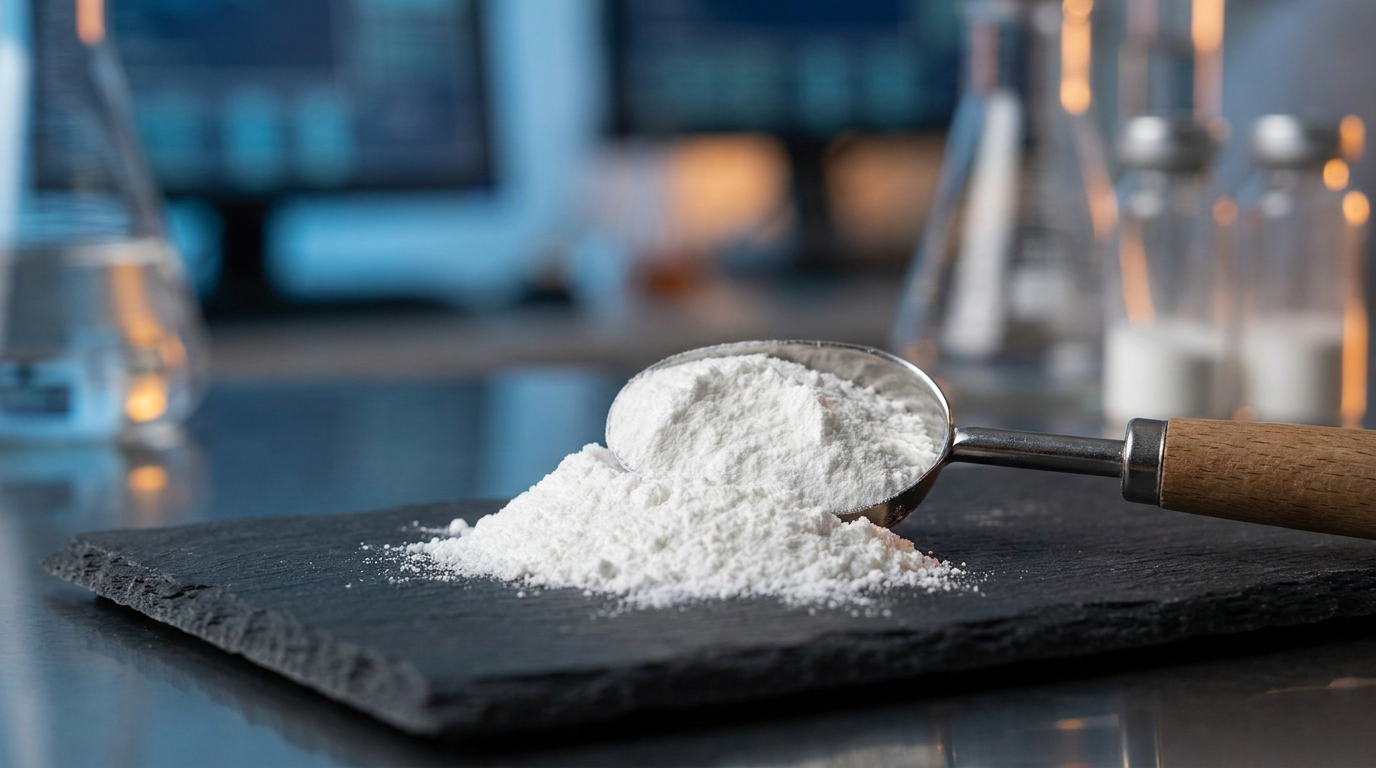
For decades, creatine monohydrate has been pigeonholed as a supplement exclusively for bodybuilders, sprinters, and athletes looking to add an extra plate to their bench press. Walk into any supplement store, and the marketing is clear: massive tubs adorned with lightning bolts and promises of explosive physical power. But behind the scenes, a quiet paradigm shift has been taking place in neurology departments and cognitive research labs around the world.[6]
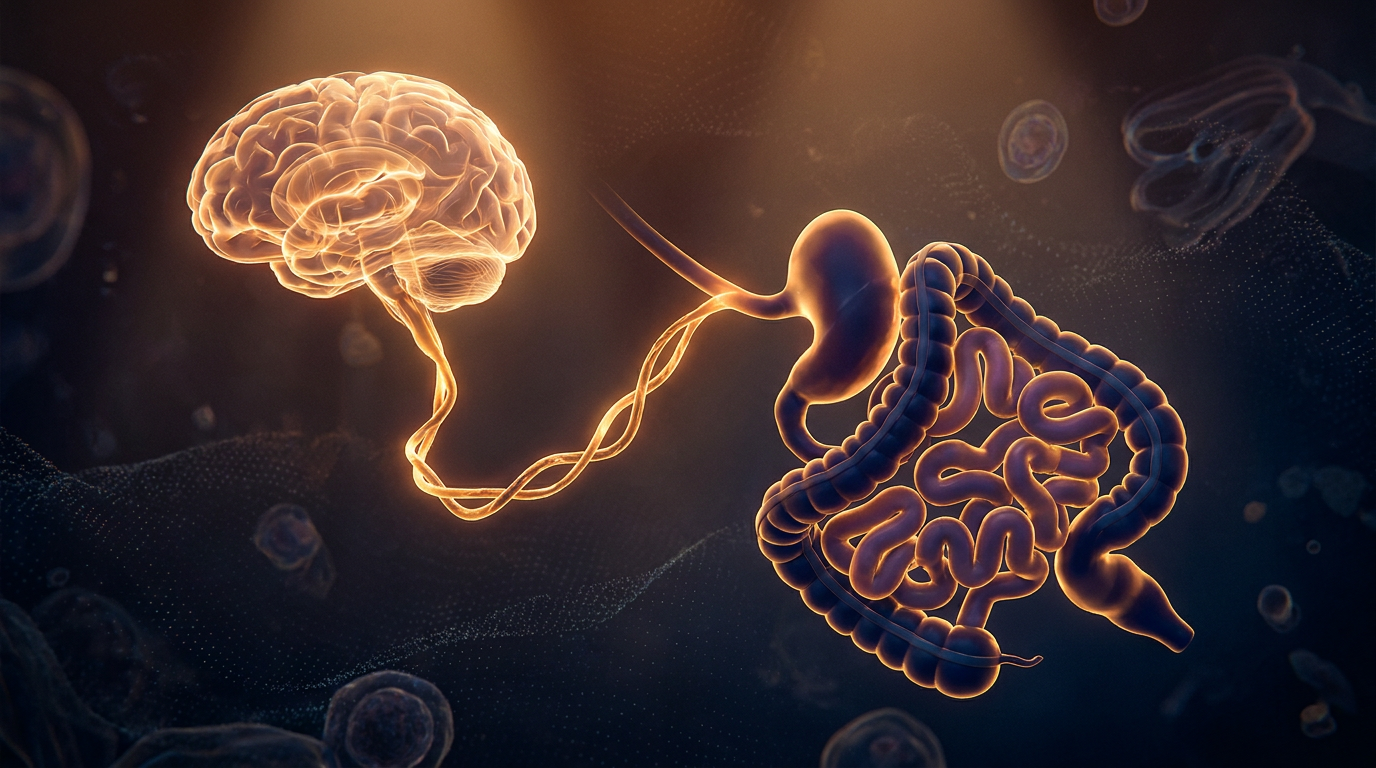
Neuroscientists are increasingly viewing creatine not just as a sports supplement, but as a vital nutrient for the human brain. The same biological mechanisms that allow a weightlifter to grind out one more repetition are now being shown to help exhausted parents remember a grocery list, assist shift workers in maintaining focus at 3:00 AM, and potentially protect aging brains from cognitive decline.[4][6]
To understand why a muscle supplement affects the mind, one must look at the brain's sheer metabolic greed. Despite accounting for only about 2% of total body weight, the human brain consumes roughly 20% of the body's resting energy. Every thought, memory retrieval, and moment of focus requires a massive, continuous supply of cellular fuel.[1][2]
The currency of this cellular energy is a molecule called adenosine triphosphate, or ATP. When brain cells fire, they break off a phosphate molecule from ATP to release energy, leaving behind a depleted molecule called ADP (adenosine diphosphate). To keep functioning, the cell must rapidly recycle ADP back into ATP. This is where creatine enters the equation.[2][4]

When you consume creatine, it is stored in your cells as phosphocreatine. Think of phosphocreatine as a cellular battery pack. When ATP is depleted, phosphocreatine rapidly donates its phosphate group to the exhausted ADP, instantly regenerating it back into usable ATP energy. In muscles, this prevents failure during a heavy lift. In the brain, it prevents mental fatigue during complex cognitive tasks.[1][3]
While 95% of the body's creatine is stored in skeletal muscle, the brain maintains its own localized supply. The brain is so dependent on this energy buffer that it actually synthesizes its own creatine, while also pulling it from the bloodstream across the blood-brain barrier. However, research indicates that the brain's natural creatine stores are often not fully saturated, leaving room for supplementation to make a tangible difference.[1][4]
The cognitive benefits of creatine supplementation are not uniform; they are highly dependent on the baseline state of the individual. In a perfectly rested, healthy young adult eating a meat-heavy diet, creatine might not produce a noticeable boost in daily intelligence. However, the brain's reliance on phosphocreatine spikes dramatically during periods of metabolic stress.[3][5]
Sleep deprivation is one of the most common forms of metabolic stress. Studies have consistently shown that when individuals are deprived of sleep, those who have supplemented with creatine experience significantly less cognitive degradation. Their working memory, reaction times, and executive function remain remarkably intact compared to placebo groups, effectively buffering the brain against the exhaustion.[1][5]
Diet also plays a massive role in who benefits most. Creatine is naturally found almost exclusively in animal products—specifically red meat and fish. As a result, vegetarians and vegans consistently show lower baseline levels of creatine in their blood and brain tissue. When plant-based eaters begin supplementing with creatine, the cognitive improvements are often stark.[3][4]

Creatine is naturally found almost exclusively in animal products—specifically red meat and fish.
In randomized controlled trials, vegetarians given creatine supplements demonstrate significant improvements in memory tests and fluid intelligence compared to meat-eaters given the same dose. For those on plant-based diets, creatine is increasingly viewed not as an optional performance enhancer, but as a conditionally essential nutrient for optimal brain function.[1][3]
Beyond daily fatigue and diet, researchers are intensely focused on creatine's role in the aging brain. As humans age, cellular energy production naturally becomes less efficient. Mitochondrial function declines, and the brain's ability to maintain high levels of ATP diminishes, contributing to age-related cognitive decline and memory lapses.[2][6]
Supplementing with creatine has been shown to improve short-term memory and reasoning skills in older adults. By artificially elevating the brain's phosphocreatine stores, older individuals can provide their neurons with the energy buffer needed to maintain synaptic function, essentially giving aging brain cells a much-needed metabolic safety net.[1][4]
The neuroprotective properties of creatine are also being explored in the context of traumatic brain injury (TBI) and concussions. When a brain suffers trauma, it experiences a massive, immediate energy crisis. The demand for ATP skyrockets as the brain attempts to repair cellular damage, often leading to a secondary wave of cell death due to energy failure.[2][5]
Preliminary research suggests that having saturated creatine stores prior to a concussion can mitigate this energy crisis, potentially reducing the severity of the injury and accelerating recovery times. This has led some sports medicine professionals to advocate for widespread creatine use in contact sports, not just for physical performance, but as a prophylactic measure for brain health.[1][2]
Despite its benefits, creatine has historically been dogged by safety myths, most notably concerns about kidney damage. These fears stem from a misunderstanding of creatinine, a harmless byproduct of creatine metabolism that is also used as a marker for kidney function in blood tests. Decades of long-term safety data have conclusively shown that creatine supplementation is perfectly safe for healthy kidneys.[2][3]
Another persistent myth is that creatine causes hair loss. This originated from a single 2009 study showing a slight increase in DHT (a hormone linked to hair loss) in rugby players, but the findings have never been replicated in subsequent, larger trials. Today, the scientific consensus is that creatine does not cause baldness.[3][5]
For those looking to reap the cognitive benefits, the protocol is remarkably simple and inexpensive. Experts universally recommend creatine monohydrate, the most studied, effective, and affordable form of the supplement. Fancier, more expensive variations like creatine HCL or ethyl ester have consistently failed to show superiority in clinical trials.[2][3]

The standard dosage is 3 to 5 grams per day, taken consistently. While some athletes use a "loading phase" of 20 grams a day for the first week to saturate muscles quickly, this is entirely optional. Taking 5 grams daily will fully saturate both muscle and brain stores within three to four weeks, without the mild gastrointestinal discomfort that loading can sometimes cause.[3][4]
It is important to view creatine through the correct lens: it is not a limitless pill that will instantly elevate your IQ. Rather, it is a foundational metabolic support molecule. It ensures that when your brain is pushed to its limits—whether by a complex work project, a poor night's sleep, or the natural aging process—it has the raw energy required to meet the demand.[5][6]

As the scientific community continues to unravel the deep connections between cellular energy and cognitive longevity, creatine is shedding its "meathead" reputation. It is rapidly taking its place alongside omega-3s and vitamin D as a staple daily supplement, offering a simple, evidence-based way to protect and enhance the human mind.[4][6]
How we got here
1832
French scientist Michel Eugène Chevreul first discovers and extracts creatine from skeletal muscle.
1992
Creatine gains global attention after British track and field athletes use it to win gold at the Barcelona Olympics.
Early 2000s
Researchers begin observing that creatine supplementation improves memory and intelligence test scores in vegetarians.
2010s
Studies confirm creatine's ability to mitigate cognitive decline during severe sleep deprivation.
2020s
Mainstream neuroscience begins advocating for creatine as a neuroprotective agent against aging and traumatic brain injury.
Viewpoints in depth
Cognitive Researchers
Focus on the metabolic buffering capacity of creatine during periods of high mental demand.
Neurologists and cognitive researchers view creatine primarily as an energy management tool. They point to data showing that the brain's natural creatine synthesis is often insufficient during periods of acute metabolic stress, such as sleep deprivation, complex task learning, or hypoxia. By artificially saturating the brain's phosphocreatine stores, researchers argue we can provide a crucial safety net that prevents the rapid depletion of ATP, thereby preserving executive function and working memory when the brain is under duress.
Plant-Based Nutritionists
Emphasize creatine as a conditionally essential nutrient for those avoiding animal products.
For dietitians specializing in vegan and vegetarian diets, creatine is treated similarly to Vitamin B12—a vital compound missing from plant sources. Because the body can only synthesize about half of its daily creatine requirement, plant-based eaters consistently show lower tissue saturation. This camp highlights clinical trials where vegetarians experience significant, measurable leaps in fluid intelligence and memory after supplementation, arguing that creatine should be a standard recommendation for anyone abstaining from meat.
Sports Medicine Professionals
Advocate for creatine's dual role in physical performance and traumatic brain injury mitigation.
While still valuing creatine for muscle recovery and explosive power, modern sports medicine has pivoted heavily toward its neuroprotective properties. Following growing concerns over CTE and concussions in contact sports, this camp points to evidence that pre-loading the brain with creatine can lessen the severity of the cellular energy crisis that occurs immediately following a traumatic brain injury. Many now recommend it to athletes not just to run faster, but to protect their long-term neurological health.
What we don't know
- Whether creatine supplementation can meaningfully alter the long-term trajectory of neurodegenerative diseases like Alzheimer's or Parkinson's.
- The exact dosage required to optimally saturate brain tissue, as most current dosing guidelines are based on skeletal muscle saturation.
- How variations in individual blood-brain barrier permeability affect a person's cognitive response to supplementation.
Key terms
- ATP (Adenosine Triphosphate)
- The primary molecule that stores and transfers energy within cells, essential for all brain and muscle function.
- Phosphocreatine
- The stored form of creatine in the body, which acts as a rapid reserve of energy to regenerate depleted ATP.
- Blood-Brain Barrier
- A highly selective membrane that separates circulating blood from the brain, controlling which substances can enter the neural tissue.
- Creatine Monohydrate
- The standard, most heavily researched chemical form of creatine used in dietary supplements.
Frequently asked
Does creatine cause hair loss?
No. The myth stems from a single 2009 study showing a slight increase in DHT, but decades of subsequent research have found no link between creatine and baldness.
Is creatine safe for my kidneys?
Yes. While creatine supplementation raises creatinine levels (a marker used in blood tests), long-term studies confirm it does not cause kidney damage in healthy individuals.
Do I need to do a loading phase?
No. Taking 20 grams a day for a week will saturate your cells faster, but taking a standard 3 to 5 grams daily will achieve the exact same saturation within a few weeks.
Which type of creatine is best for the brain?
Creatine monohydrate is universally recommended by researchers. It is the most studied, most effective, and most affordable form available.
Sources
Source coverage
6 outlets
4 viewpoints surfaced






[1]National Institutes of HealthCognitive Researchers
Effects of creatine supplementation on cognitive function of healthy individuals: A systematic review
Read on National Institutes of Health →[2]Cleveland ClinicSports Medicine Professionals
Creatine: What It Is, What It Does, and Its Side Effects
Read on Cleveland Clinic →[3]ExaminePlant-Based Nutritionists
Creatine - Health Benefits, Dosage, Side Effects
Read on Examine →[4]Harvard Health PublishingCognitive Researchers
Creatine for muscle and brain
Read on Harvard Health Publishing →[5]Forbes HealthMedical Skeptics
Creatine For Brain Health: Benefits And Side Effects
Read on Forbes Health →[6]Factlen Editorial TeamCognitive Researchers
Synthesis by Factlen editorial team
Read on Factlen Editorial Team →

Every angle. Every day.
Get health stories with full source coverage and perspective breakdowns delivered to your inbox.