
US and Iran Reach Tentative Peace Deal to End 108-Day War and Reopen Strait of Hormuz
The United States and Iran have agreed to a 14-point ceasefire that lifts the U.S. naval blockade and reopens the Strait of Hormuz, setting the stage for 60 days of nuclear negotiations.
By Factlen Editorial Team
- U.S. Administration
- Views the deal as a total victory that successfully degraded Iran's military and forced the reopening of global shipping lanes.
- Iranian Leadership
- Frames the agreement as a successful defense of sovereignty that secured sanctions relief while maintaining leverage over the Strait.
- Israeli Security Establishment
- Warns that the ceasefire prematurely erodes military gains and leaves Iran's nuclear infrastructure dangerously intact.
- Global Energy Markets
- Focused purely on the resumption of maritime trade, the lifting of blockades, and the stabilization of crude oil prices.
What's not represented
- · Lebanese civilians affected by the ceasefire
- · Oman maritime authorities co-managing the Strait
Why this matters
The reopening of the Strait of Hormuz—which handles 20% of global oil—promises immediate relief to global energy markets and consumers. Meanwhile, the ceasefire halts a 100-day conflict that threatened to engulf the broader Middle East, though the looming 60-day deadline for a nuclear accord keeps regional stakes incredibly high.
Key points
- The U.S. and Iran have agreed to a 14-point Memorandum of Understanding to end their 108-day war.
- The deal mandates an immediate ceasefire on all fronts, including the conflict in Lebanon.
- The U.S. will lift its naval blockade, and the Strait of Hormuz is set to reopen to global shipping.
- A 60-day negotiation period will follow the June 19 signing to address Iran's nuclear program and sanctions relief.
- Global markets reacted positively, with crude oil prices plunging on the prospect of restored energy trade.
After 108 days of a devastating conflict that paralyzed global energy markets and threatened to engulf the broader Middle East, the United States and Iran have reached a tentative agreement to end their war. The diplomatic breakthrough, heavily mediated by Pakistan, takes the form of a 14-point Memorandum of Understanding (MoU) that establishes an immediate ceasefire across all military fronts, including the volatile proxy battles in Lebanon. The sudden de-escalation marks a dramatic turning point in a crisis that began with joint U.S.-Israeli strikes in late February.[2][3][5]
The announcement came late Sunday, coinciding with U.S. President Donald Trump's 80th birthday. In a celebratory social media post, Trump declared the peace deal 'complete' and announced the immediate lifting of the U.S. naval blockade on Iranian ports that had choked the nation's economy. 'Ships of the World, start your engines. Let the oil flow!' the president wrote, claiming he had fully authorized the toll-free reopening of the Strait of Hormuz. The administration is framing the agreement as a total vindication of its maximum-pressure military campaign.[1][4][6]
Iranian officials swiftly corroborated the cessation of hostilities, though with notably different rhetoric. Deputy Foreign Minister Kazem Gharibabadi confirmed the 'immediate and permanent end of the war and all military operations,' signaling a rare moment of diplomatic alignment between Washington and Tehran. Iranian state media portrayed the ceasefire not as a surrender, but as a successful defense of national sovereignty that forced the United States to abandon its crippling blockade. The formal signing ceremony to cement these terms is scheduled for Friday, June 19, in Geneva, Switzerland.[2][4][8]

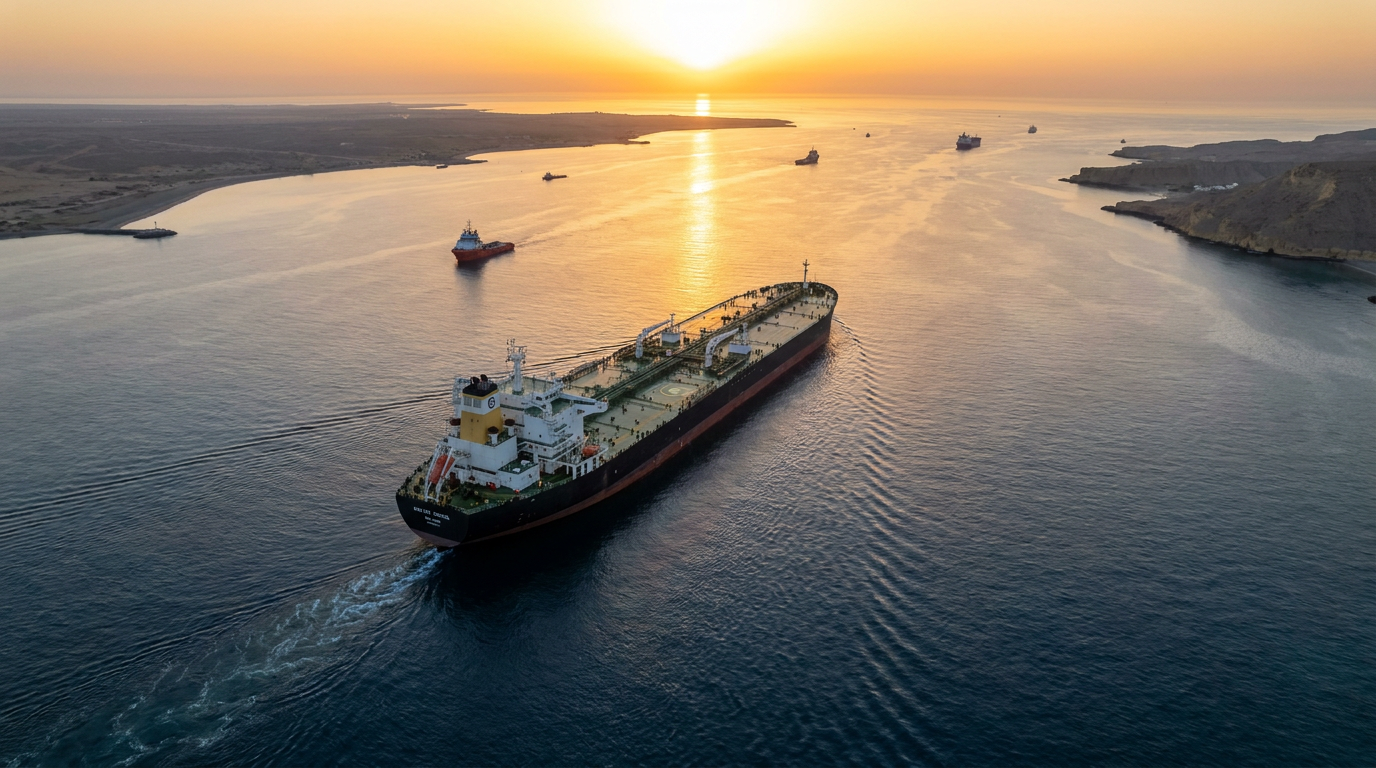
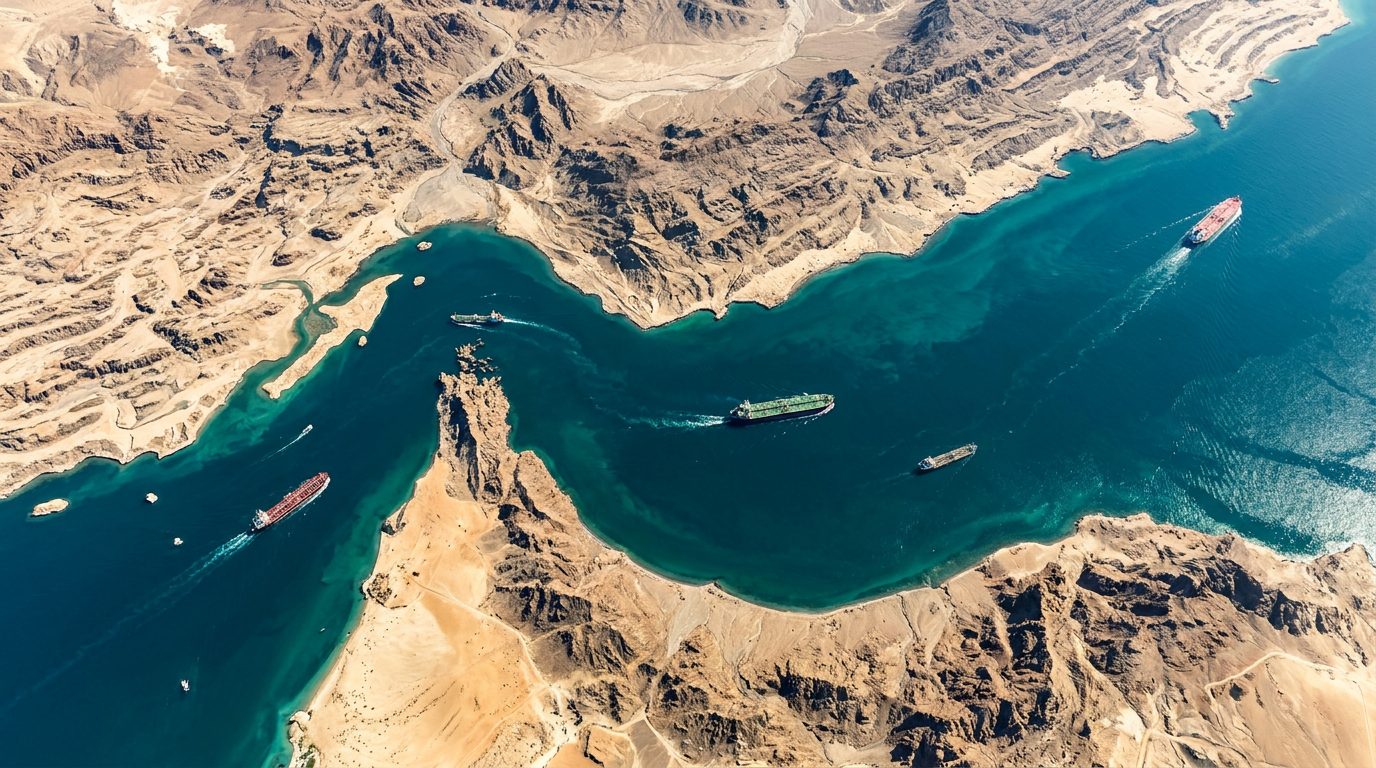
The most immediate global consequence of the pact is the unblocking of the Strait of Hormuz. The vital maritime chokepoint, which handles roughly 20 percent of the world's crude oil supply, was effectively closed by Tehran's military forces shortly after the war began on February 28. Global financial markets reacted with instant, palpable relief; crude oil prices plunged significantly and international equities surged as the prospect of normalized maritime trade materialized for the first time in over three months.[3][6]
However, conflicting narratives have already emerged regarding exactly how and when the strait will reopen to international shipping. While the U.S. administration promised an immediate, toll-free resumption of commercial traffic, Iranian state media reported that the reopening would take place gradually within 30 days under 'Iranian arrangements.' Maritime analysts note that extensive mine-clearing operations alone will delay full commercial transit. Furthermore, Tehran has historically viewed its sovereign control over the strait as a core pillar of its regional deterrence strategy, making a complete relinquishment of authority unlikely.[6][7][8]
However, conflicting narratives have already emerged regarding exactly how and when the strait will reopen to international shipping.
The economic concessions embedded in the MoU remain another significant point of friction. Iranian government-aligned outlets, such as the Mehr News Agency, claim the deal requires the immediate unfreezing of up to $24 billion in Iranian assets and the suspension of international sanctions on the country's oil and petrochemical sectors. Other diplomatic sources suggest an initial release of $12 billion. U.S. officials have reportedly disputed the immediacy of these financial transfers, insisting behind closed doors that any release of funds is strictly contingent upon Iran meeting verifiable compliance benchmarks.[4][5]

The current ceasefire serves primarily as a prelude to a high-stakes 60-day negotiation window focused entirely on Iran's nuclear program. The United States aims to use this brief diplomatic period to permanently dismantle Tehran's nuclear infrastructure and remove its growing stockpile of highly enriched uranium. The threat of renewed violence hangs heavily over these upcoming talks; Trump has publicly warned that military strikes will resume with devastating force if a comprehensive, verifiable nuclear accord is not reached by the end of the 60-day negotiating period.[3][4][6]
The geopolitical ripples of the agreement are particularly acute in Israel, which partnered with the U.S. in the initial February strikes but was notably absent as a direct party to the weekend's final negotiations. The MoU explicitly calls for a halt to fighting between Israel and the Iranian-backed militant group Hezbollah in Lebanon. Yet, reports of continued Israeli airstrikes in southern Lebanon hours after the peace deal was announced in Washington underscore the extreme fragility of the broader regional truce.[3][4][5]
Within Israel, the U.S.-brokered deal has provoked fierce domestic criticism and political anxiety. Opposition figures, including Yair Golan, argued publicly that the agreement prematurely erodes the hard-won military achievements secured over the past three months, leaving Prime Minister Benjamin Netanyahu sidelined and diplomatically isolated. The Israeli security establishment remains deeply skeptical of any framework that leaves Iran's nuclear capabilities largely intact while simultaneously providing the regime with a massive financial lifeline through unfrozen assets. Many fear that Tehran will use the influx of capital to rebuild its proxy networks rather than integrate into the global economy.[3][4]
Strategic analysts offer a decidedly mixed assessment of the 108-day war's ultimate outcome. While the United States successfully degraded key elements of Iran's conventional military apparatus and eliminated several senior leaders, the intensive bombing campaign failed to topple the regime or fundamentally alter its power structure. Experts at the Atlantic Council suggest that the conflict may have paradoxically emboldened Tehran, convincing its hardline leadership that acquiring a functional nuclear deterrent is the only guaranteed method to safeguard its long-term survival against Western intervention.[7]

For now, the international community is intensely focused on the practical logistics of peace and economic recovery. European Union leaders, including Commission President Ursula von der Leyen, strongly welcomed the agreement, emphasizing that the swift restoration of freedom of navigation is absolutely essential for stabilizing the global economy. Diplomats are rushing to establish the verification mechanisms required to ensure both sides honor the initial terms of the military stand-down. The European bloc, which has suffered heavily from the resulting energy crisis, views the Geneva signing as a critical first step toward broader Middle Eastern stability.[3]
As international delegations prepare for Friday's formal signing ceremony in Geneva, the durability of the Memorandum of Understanding faces immediate, severe tests. Mediators from Pakistan and Oman must bridge the widening gap between Washington's sweeping public declarations of total victory and Tehran's insistence on phased, conditional compliance. All the while, the world watches the volatile Israel-Lebanon border, knowing that a single miscalculation could shatter the fragile truce and plunge the region back into a devastating war. The next 60 days will determine whether this agreement is a genuine pivot toward lasting peace or merely a tactical pause in a much longer, more destructive geopolitical struggle.[3][5][8]
How we got here
Feb 28, 2026
The United States and Israel launch initial military strikes on Iran, triggering the 108-day war.
Early March 2026
Iran effectively closes the Strait of Hormuz and the U.S. imposes a naval blockade, paralyzing regional maritime trade.
June 14, 2026
Pakistan's Prime Minister announces that a tentative 14-point peace framework has been reached.
June 15, 2026
U.S. and Iranian officials publicly confirm the ceasefire, sending global crude oil prices plunging.
June 19, 2026
The formal signing of the Memorandum of Understanding is scheduled to take place in Geneva, Switzerland.
Viewpoints in depth
The U.S. Administration's view
A declaration of strategic and economic victory.
Washington is framing the 14-point MoU as a total vindication of its military campaign. By forcing Tehran to the table and securing the reopening of the Strait of Hormuz, the administration argues it has restored global economic stability while severely degrading Iran's conventional military capabilities. U.S. officials emphasize that the naval blockade will only be lifted in tandem with Iranian compliance, and they view the upcoming 60-day negotiation window as an ultimatum: dismantle the nuclear program, or face a resumption of hostilities.
The Iranian Leadership's view
A successful defense of sovereignty that forces economic concessions.
Tehran is projecting the ceasefire as a triumph of its 'Axis of Resistance.' Iranian state media highlights the impending release of billions in frozen assets and the lifting of sanctions on its petrochemical sector as proof that the U.S. blockade failed. Furthermore, Iranian officials insist that the Strait of Hormuz will reopen under their own sovereign arrangements, signaling to domestic audiences that they have not surrendered control over their most potent geopolitical leverage.
The Israeli Security Establishment's view
Deep skepticism over a premature halt to military operations.
In Israel, the peace deal is viewed with profound alarm. Security analysts and opposition politicians argue that halting the war now squanders the tactical achievements of the past 108 days. Their primary concern is that the MoU provides Iran with a vital financial lifeline without immediately dismantling its nuclear enrichment facilities. There is also frustration that Israel, which initiated the conflict alongside the U.S., was sidelined during the final Pakistani-mediated negotiations.
What we don't know
- Whether Iran will actually allow toll-free, unhindered international shipping through the Strait of Hormuz, or if it will insist on maintaining sovereign control and fees.
- The exact timeline and conditions for the release of billions of dollars in frozen Iranian assets.
- Whether the upcoming 60-day negotiation window will successfully dismantle Iran's nuclear program, or if talks will collapse and reignite the conflict.
Key terms
- Strait of Hormuz
- A narrow, strategically vital waterway between the Persian Gulf and the Gulf of Oman through which roughly 20 percent of the world's oil supply passes.
- Memorandum of Understanding (MoU)
- A formal, written agreement between two or more parties that establishes a framework for peace and future negotiations, though it may lack the binding permanence of a formal treaty.
- Naval Blockade
- A military operation in which ships are used to cut off a country's ports from global maritime trade, a tactic employed by the U.S. against Iran during the 108-day war.
Frequently asked
When does the war officially end?
A tentative ceasefire is already in place, with the formal 14-point Memorandum of Understanding scheduled to be signed on June 19 in Geneva.
Will the Strait of Hormuz open immediately?
The timeline is contested. The U.S. claims an immediate reopening, while Iranian sources indicate a 30-day phased reopening to allow for mine clearance and administrative arrangements.
What happens to Iran's nuclear program?
The peace deal triggers a 60-day negotiation period specifically dedicated to addressing Iran's nuclear enrichment and infrastructure.
Did Israel agree to the ceasefire?
Israel was not a direct party to the U.S.-Iran negotiations. While the deal calls for an end to hostilities in Lebanon, reports of ongoing Israeli strikes highlight the fragility of the broader regional truce.
Sources
Source coverage
8 outlets
4 viewpoints surfaced








[1]NPRU.S. Administration
Trump celebrates 80th birthday with Iran deal and UFC fights at the White House
Read on NPR →[2]Al JazeeraIranian Leadership
Iran war day 108: Iran, US reach a tentative deal to end conflict
Read on Al Jazeera →[3]The GuardianGlobal Energy Markets
Crude prices plunge, stocks surge on US-Iran peace deal
Read on The Guardian →[4]Times of IsraelIsraeli Security Establishment
US, Iranian officials said to agree on peace framework to end war
Read on Times of Israel →[5]CBCU.S. Administration
What we know about the US-Iran memorandum of understanding
Read on CBC →[6]Seatrade Maritime NewsGlobal Energy Markets
Strait of Hormuz set to reopen under US – Iran peace deal
Read on Seatrade Maritime News →[7]Atlantic CouncilGlobal Energy Markets
Experts react: What to know about the US-Iran MOU
Read on Atlantic Council →[8]Institute for the Study of WarIsraeli Security Establishment
Iran Update, June 14, 2026
Read on Institute for the Study of War →
Every angle. Every day.
Get news politics stories with full source coverage and perspective breakdowns delivered to your inbox.