
US and Iran Reach Tentative Agreement to End War and Reopen Strait of Hormuz
The United States and Iran have agreed to a framework memorandum of understanding to end months of conflict, lift the US naval blockade, and reopen the Strait of Hormuz. The fragile deal initiates a 60-day window to negotiate a permanent resolution to Iran's nuclear program, though significant disagreements remain over the waterway's administration.
By Factlen Editorial Team
- US Administration
- Focuses on securing free navigation, dismantling Iran's nuclear program, and ending the war on American terms.
- Iranian Government
- Prioritizes immediate economic relief, sanctions removal, and asserting sovereignty over regional waterways.
- Israeli & Regional Security Advocates
- Emphasizes the need to permanently neutralize Iran's nuclear capabilities and dismantle its proxy networks.
- Global Energy Markets
- Focuses on the immediate resumption of oil flows and the stabilization of global energy prices.
What's not represented
- · Lebanese Civilians
- · Commercial Shipping Companies
Why this matters
This agreement pauses a devastating regional war that has severely disrupted global shipping and energy markets. However, the fragile 60-day window to resolve Iran's nuclear status means the threat of renewed, potentially catastrophic military escalation remains high if negotiations fail.
Key points
- The US and Iran have reached a tentative agreement to end their four-month war and lift the US naval blockade.
- The deal authorizes the reopening of the Strait of Hormuz, though the two sides dispute whether Iran can collect maritime fees.
- A 60-day negotiation window has been established to determine the fate of Iran's highly enriched uranium stockpile.
- The ceasefire extends to all regional fronts, including the ongoing conflict between Israel and Hezbollah in Lebanon.
- Global oil prices dropped by 5 percent following the announcement of the de-escalation framework.
The United States and Iran have reached a tentative agreement to end a devastating four-month war that has reshaped the Middle East and disrupted global energy markets. Mediated by Pakistan and Qatar, the framework memorandum of understanding (MoU) establishes an immediate ceasefire across all fronts and outlines a phased roadmap for de-escalation.[1][5]
The conflict, which erupted in late February following US and Israeli strikes on Iranian military and nuclear infrastructure, has killed thousands and drawn in regional proxy groups. The new agreement seeks to return the region to a fragile peace, though officials caution that the hardest negotiations still lie ahead.[1][4]
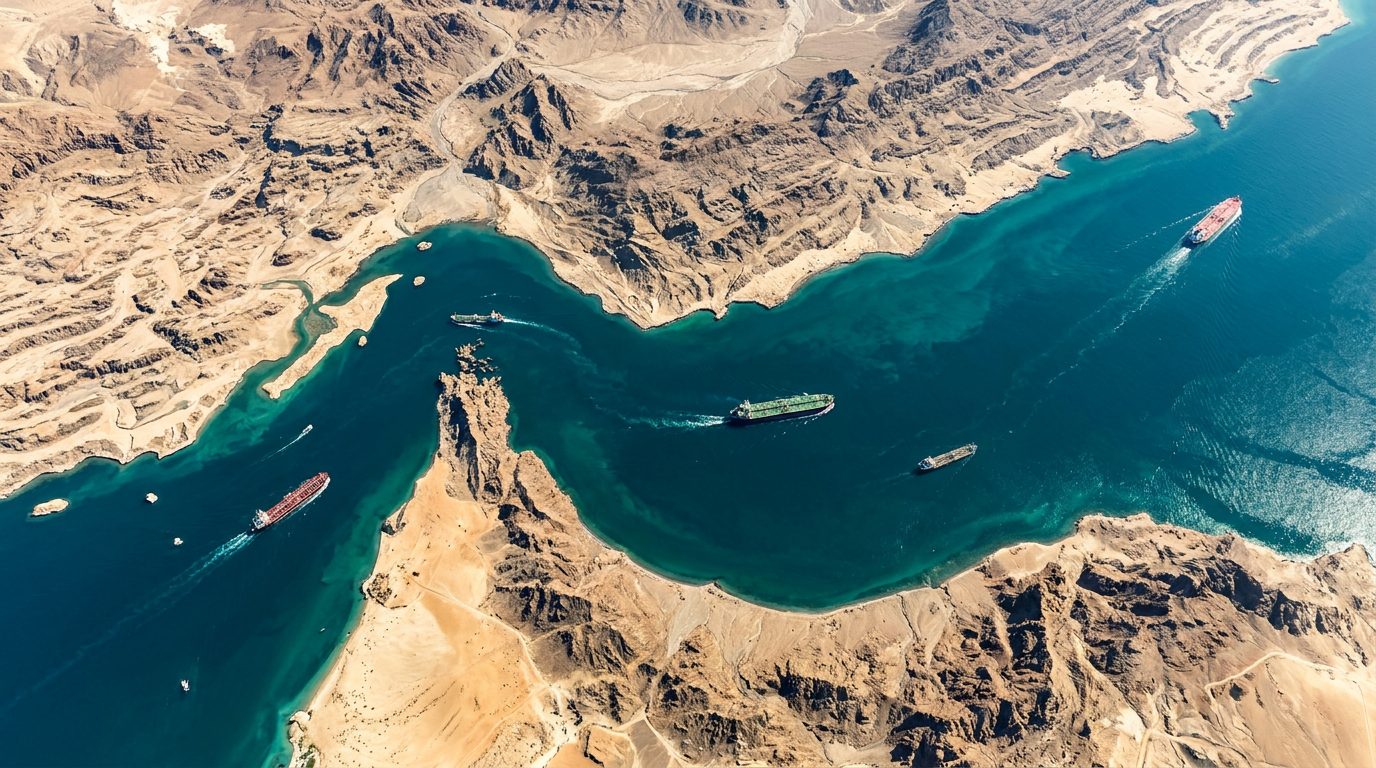
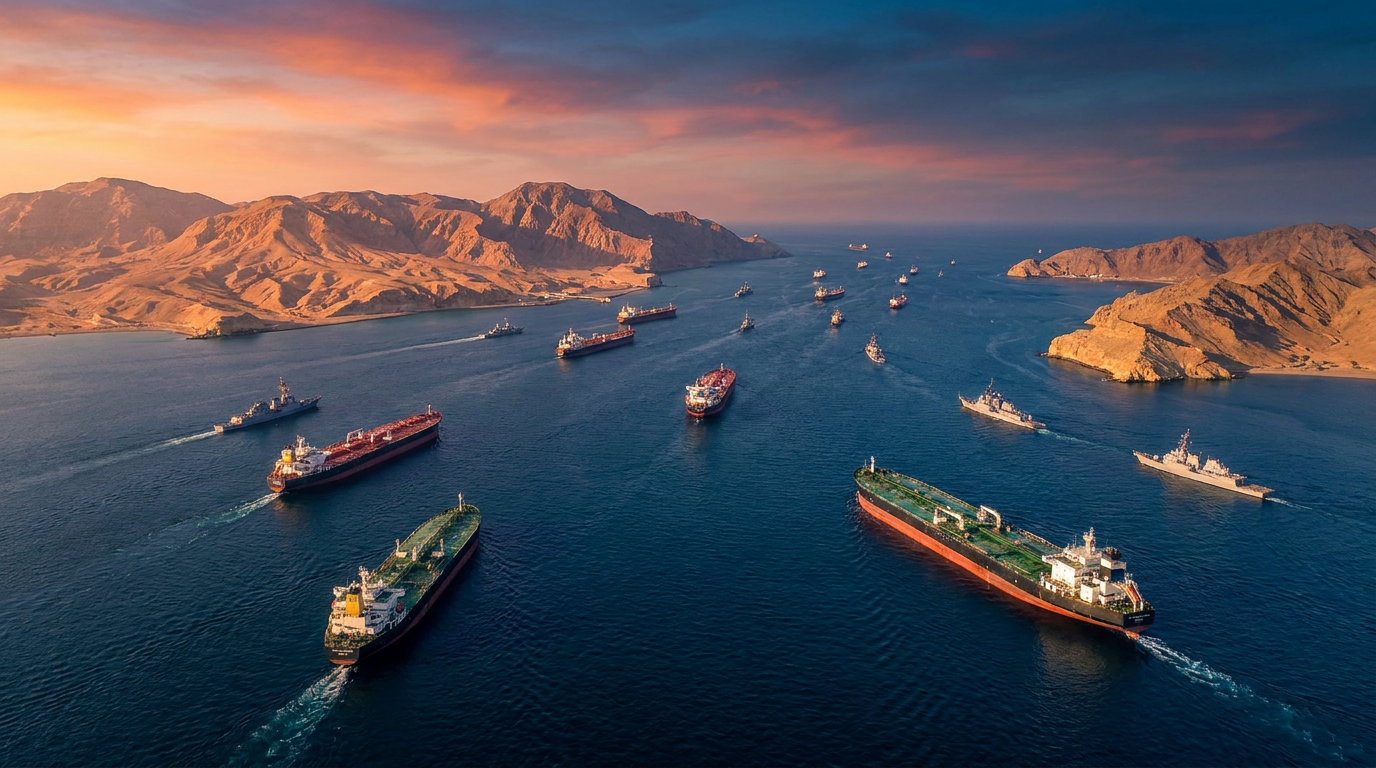
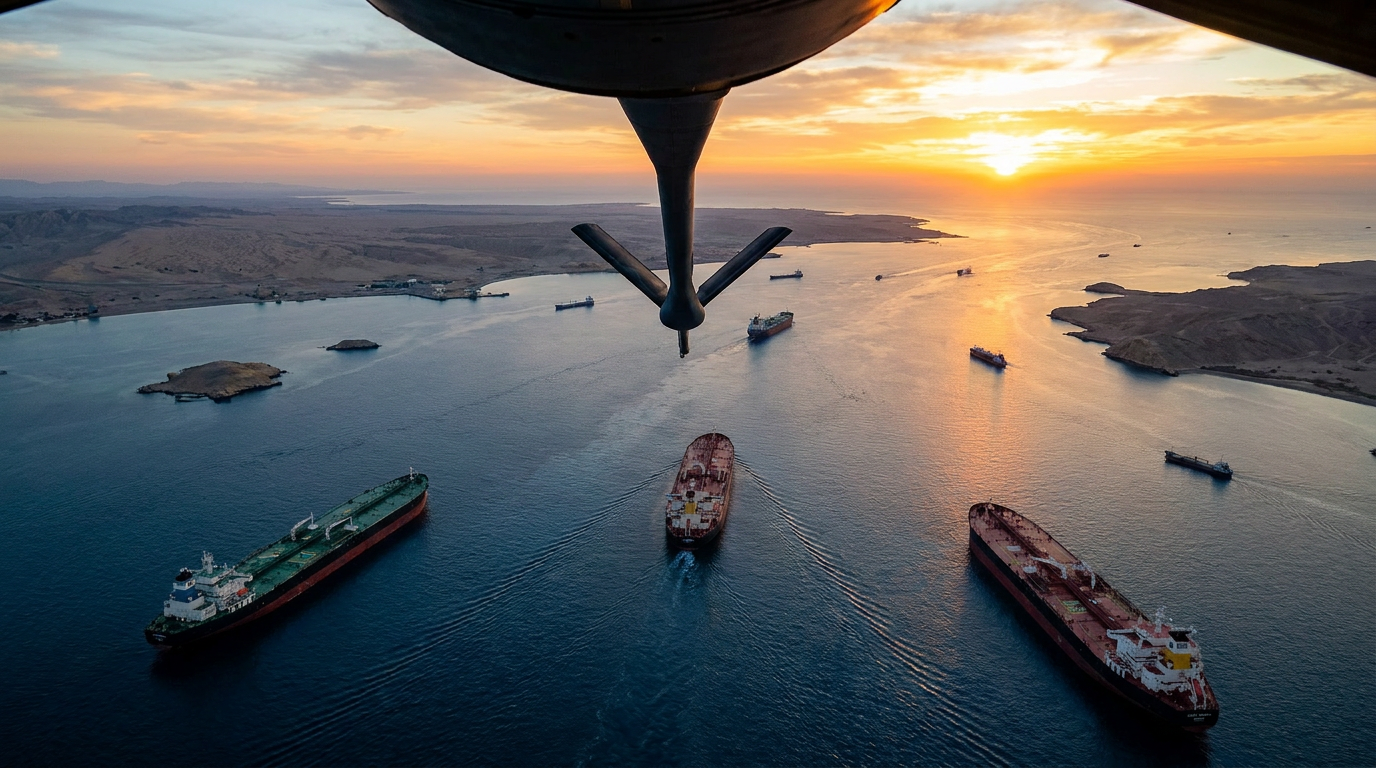
A central pillar of the MoU is the reopening of the Strait of Hormuz, a critical maritime chokepoint that handles roughly one-fifth of the world's oil and liquefied natural gas. In exchange, the United States has agreed to lift its naval blockade on Iranian ports, which was imposed in mid-April.[2][5]
US President Donald Trump announced the breakthrough on Sunday, declaring that he had authorized the "toll-free opening" of the strait and the immediate removal of the blockade. "Ships of the world, start your engines. Let the oil flow," Trump stated, adding that the formal signing is expected to take place in Switzerland on Friday.[4][5][7]

However, the exact mechanism for managing the Strait of Hormuz remains a point of intense dispute, highlighting the fragility of the framework. While Washington insists the waterway must remain entirely free and unrestricted, Iranian officials have presented a starkly different interpretation of the agreement.[2][9]
Iranian state media and Deputy Foreign Minister Kazem Gharibabadi have asserted that the strait will reopen under "Iranian arrangements." Tehran claims the MoU acknowledges Iranian and Omani sovereignty over the waterway, allowing Iran to collect "maritime service fees" from passing vessels.[2][9]
This discrepancy strikes at the heart of the conflict's origins. For the United States, an open strait under Iranian management—complete with tolls or fees—would represent a significant strategic concession and a failure to restore the pre-war status quo of unimpeded international navigation.[9]
The economic implications of the deal are already rippling through global markets. Following the announcement, international oil prices plunged by approximately 5 percent as traders priced in the easing of supply constraints and the anticipated return of unimpeded Gulf shipping.[1]
Beyond the maritime standoff, the agreement reportedly includes substantial economic relief for Tehran. Up to $24 billion in frozen Iranian assets could be released in phases, alongside the suspension of US sanctions on Iran's oil and petrochemical industries.[1][4]

Beyond the maritime standoff, the agreement reportedly includes substantial economic relief for Tehran.
US officials have emphasized that the economic package is strictly conditional. The release of funds is structured as a "pay-for-performance" arrangement, designed to ensure Iranian compliance during the delicate early stages of the ceasefire and subsequent negotiations.[1][4]
The most daunting challenge deferred by the MoU is the future of Iran's nuclear program. The framework establishes a 60-day window for comprehensive negotiations aimed at permanently resolving the nuclear standoff, a core objective of the initial US and Israeli military campaign.[4][5][6]
Iran currently possesses a stockpile of uranium enriched to 60 percent purity—a short technical step away from the 90 percent threshold required for weapons-grade material. The US is demanding the complete dismantlement of this program and the removal or destruction of the highly enriched uranium.[4][8]
Tehran, which has consistently maintained that its nuclear ambitions are strictly peaceful, is reportedly seeking to retain its enriched uranium and dilute it domestically. Iranian officials have indicated that they will not engage in nuclear talks until the US fulfills its initial commitments regarding sanctions relief and asset unfreezing.[4][6]
The stakes for the upcoming 60-day negotiation period are extraordinarily high. President Trump has publicly warned that if a final, comprehensive nuclear accord is not reached, the United States is prepared to resume military strikes against Iranian infrastructure.[2][4][7]

The ceasefire also extends to the broader regional conflict, explicitly calling for the "immediate and permanent termination of military operations on all fronts." This includes the volatile border between Israel and Lebanon, where Israeli forces have been engaged in heavy fighting with the Iranian-backed militant group Hezbollah.[1][4][7]
The inclusion of Lebanon in the ceasefire framework addresses a major flashpoint that had threatened to derail the talks entirely. In the days leading up to the announcement, escalating exchanges of fire between Israel and Hezbollah had raised fears of a broader, uncontrollable regional conflagration.[4][6]
Despite the diplomatic breakthrough, skepticism abounds among regional security analysts and allied nations. In Israel, officials have expressed deep concern that the interim deal leaves Iran's nuclear infrastructure largely intact and provides Tehran with a massive influx of capital that could be used to rebuild its proxy networks.[4][8]
European allies, including the United Kingdom, France, and Germany, have cautiously welcomed the de-escalation. In a joint statement, they pledged to work alongside the US and the International Atomic Energy Agency to ensure that Iran never acquires a nuclear weapon, though they remain wary of the tight 60-day timeline.[2]

How we got here
Feb 2026
The conflict begins with US and Israeli military strikes on Iranian nuclear and military infrastructure.
Apr 2026
The United States imposes a naval blockade on Iranian ports in response to the closure of the Strait of Hormuz.
Jun 14, 2026
The US and Iran announce a Memorandum of Understanding to end the war and reopen the strait.
Jun 19, 2026
The formal signing of the peace agreement is scheduled to take place in Switzerland.
Viewpoints in depth
US Administration
Focuses on securing free navigation, dismantling Iran's nuclear program, and ending the war on American terms.
For Washington, the primary objective of the memorandum is to immediately restore the unimpeded flow of global energy supplies through the Strait of Hormuz without conceding maritime sovereignty to Tehran. US officials view the 60-day negotiation window as a strict deadline to permanently dismantle Iran's highly enriched uranium stockpile, warning that military strikes remain a viable option if a comprehensive nuclear accord is not reached.
Iranian Government
Prioritizes immediate economic relief, sanctions removal, and asserting sovereignty over regional waterways.
Tehran approaches the agreement as a means to secure the release of up to $24 billion in frozen assets and end the crippling US naval blockade. Iranian officials have framed the reopening of the Strait of Hormuz as a victory that forces international recognition of their "maritime service fees." Furthermore, Iran seeks to preserve its nuclear infrastructure as leverage, insisting that economic concessions must precede any discussions regarding its enriched uranium.
Israeli & Regional Security Advocates
Emphasizes the need to permanently neutralize Iran's nuclear capabilities and dismantle its proxy networks.
Regional allies, particularly Israel, view the interim agreement with deep skepticism. Security advocates argue that a temporary ceasefire and the unfreezing of billions of dollars will simply allow Iran to rebuild its military infrastructure and rearm proxy groups like Hezbollah. From this perspective, any deal that leaves Iran's 60-percent enriched uranium intact—even temporarily—poses an existential threat to regional stability.
What we don't know
- Whether Iran will ultimately agree to dismantle its 60-percent enriched uranium stockpile during the 60-day negotiation window.
- How the United States and Iran will resolve their conflicting interpretations regarding the administration and tolling of the Strait of Hormuz.
- The exact timeline and conditions required for the phased release of Iran's frozen financial assets.
Key terms
- Memorandum of Understanding (MoU)
- A formal agreement between two or more parties that establishes a framework for future negotiations, though often lacking the binding power of a finalized treaty.
- Strait of Hormuz
- A narrow, strategically vital waterway between the Persian Gulf and the Gulf of Oman, serving as the primary transit route for Middle Eastern oil exports.
- Highly Enriched Uranium (HEU)
- Uranium that has been processed to a high concentration of the U-235 isotope, bringing it closer to the threshold required for a nuclear weapon.
- Naval Blockade
- A military operation in which ships are used to cut off a country's ports, preventing the entry or exit of maritime trade.
Frequently asked
When will the Strait of Hormuz reopen?
The waterway is expected to gradually reopen for civilian shipping following the formal signing of the agreement on Friday, beginning with a 30-day mine-clearing operation.
Has Iran agreed to give up its nuclear program?
Not yet. The current agreement pauses hostilities and opens a 60-day window to negotiate the future of Iran's nuclear facilities and enriched uranium stockpile.
Does this agreement end the fighting in Lebanon?
Yes, the framework includes an immediate and permanent termination of military operations on all fronts, which encompasses the conflict between Israel and Hezbollah in Lebanon.
How much money will Iran receive?
Reports indicate that up to $24 billion in frozen Iranian assets could be released in phases, though US officials stress this is a 'pay-for-performance' arrangement dependent on Iranian compliance.
Sources
Source coverage
9 outlets
4 viewpoints surfaced









[1]The NationalIranian Government
US and Iran agree framework for peace deal and reopening Strait of Hormuz
Read on The National →[2]The GuardianGlobal Energy Markets
Middle East crisis live: US and Iran say peace deal reached
Read on The Guardian →[3]Atlantic CouncilGlobal Energy Markets
Experts react: The US and Iran just announced an interim peace deal. Here's what we know so far.
Read on Atlantic Council →[4]The Times of IsraelIsraeli & Regional Security Advocates
US, Iran reach deal to end war, reportedly including Lebanon conflict; Trump: Hormuz to open
Read on The Times of Israel →[5]PBS NewsHourUS Administration
Deal is reached to end Iran war and Trump orders stop to U.S. naval blockade
Read on PBS NewsHour →[6]The Washington PostUS Administration
A tentative deal is reached to end the Iran war and Trump orders a stop to the US naval blockade
Read on The Washington Post →[7]TIMEUS Administration
Trump Says U.S. and Iran Reach Deal to End War
Read on TIME →[8]The Jerusalem PostIsraeli & Regional Security Advocates
Trump's nuclear deal could be critical for Israel on Iran, Hezbollah
Read on The Jerusalem Post →[9]Institute for the Study of WarIranian Government
Iran Update Special Report, June 13, 2026
Read on Institute for the Study of War →
More in news politics
See all 6 stories →Border Security
Trump Signs $70 Billion 'Secure America Act' to Fund ICE and CBP Through 2029
0 sources
Student Debt
Sweeping Federal Student Loan Changes Take Effect July 1, Capping Borrowing and Ending SAVE Plan
0 sources
Middle East Conflict
US and Iran Reach Tentative Deal to End 15-Week War, Reopen Strait of Hormuz
0 sources
Healthcare Policy
Evidence Pack: Would the Bipartisan INSULIN Act of 2026 Actually Cap Costs for Everyone?
0 sources

Every angle. Every day.
Get news politics stories with full source coverage and perspective breakdowns delivered to your inbox.