
US and Iran Reach Tentative Agreement to End 108-Day War and Reopen Strait of Hormuz
President Donald Trump and Iranian leaders have announced a memorandum of understanding aimed at halting hostilities and restoring global shipping routes. While both sides claim victory, key details remain under negotiation amid mixed reactions from US lawmakers.
By Factlen Editorial Team
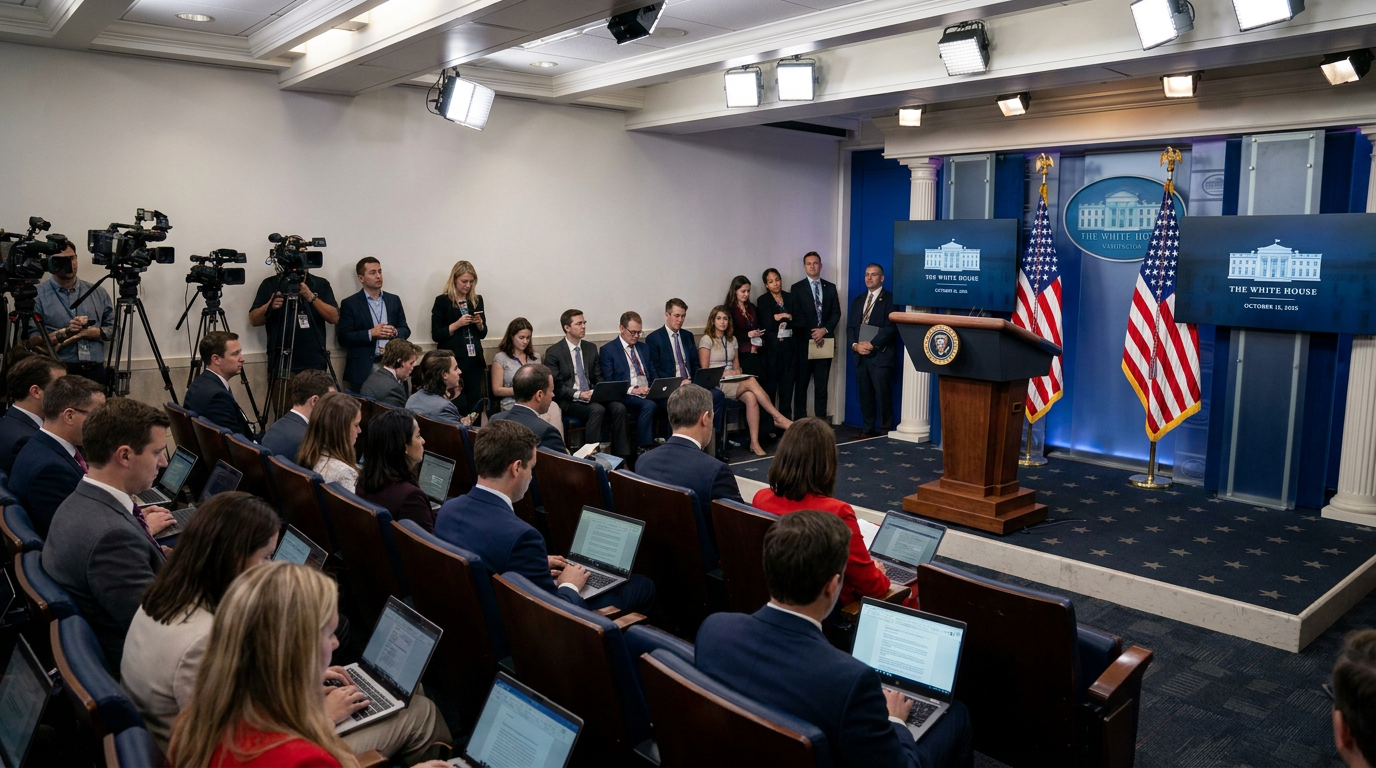
- US Administration & Allies
- Frames the agreement as a decisive victory that secures American interests and reopens vital trade routes without a protracted occupation.
- Global Economic Stakeholders
- Views the deal pragmatically as a necessary step to halt inflation, stabilize energy markets, and restore global supply chains.
- Iranian State & Regional Voices
- Portrays the deal as a successful defense of sovereignty, emphasizing that the US was forced to negotiate to relieve global economic pressure.
What's not represented
- · Civilian populations in conflict zones
- · Independent maritime security contractors
Why this matters
The 108-day conflict has severely disrupted global energy markets and international shipping through the Strait of Hormuz. A finalized peace deal would stabilize oil prices, reduce inflation pressures, and shift the geopolitical balance in the Middle East.
Key points
- The US and Iran have reached a tentative memorandum of understanding to end their 108-day conflict.
- The agreement includes a framework to reopen the Strait of Hormuz to international shipping.
- Both Washington and Tehran are claiming political victories for their domestic audiences.
- Key enforcement mechanisms and military drawdown protocols remain under negotiation.
After 108 days of armed conflict that disrupted global energy markets, the United States and Iran have reached a tentative memorandum of understanding to halt hostilities. The agreement, announced concurrently by Washington and Tehran, establishes a framework for a formal ceasefire and the immediate reopening of the Strait of Hormuz to international shipping. The breakthrough marks a critical de-escalation in a war that has kept the Middle East on edge for over three months.[2][6]
President Donald Trump celebrated the diplomatic progress over the weekend, timing the announcement alongside his 80th birthday festivities at the White House. Trump framed the memorandum as a historic victory that achieved American security objectives without prolonged military entanglement. While celebrating the milestone, the administration acknowledged that several technical aspects of the treaty still require finalization before a permanent peace is codified.[1][7]
In Tehran, Iranian leadership similarly projected confidence, portraying the agreement as a successful defense of national sovereignty. State media emphasized that the memorandum recognizes Iran's regional security concerns, allowing both governments to claim a political win for their respective domestic audiences. The dual declarations of victory reflect the delicate political maneuvering required to sell the compromise to hardliners in both capitals.[2][3]
The most immediate global consequence of the de-escalation is the reopening of the Strait of Hormuz. The narrow waterway, which facilitates roughly a fifth of the world's daily oil consumption, has been effectively paralyzed during the conflict, sending shockwaves through the global economy and forcing shipping conglomerates to reroute vessels. Restoring safe transit through the strait has been a primary objective for international mediators.[6][8]

The most immediate global consequence of the de-escalation is the reopening of the Strait of Hormuz.
Financial markets responded swiftly to the diplomatic progress. Analysts anticipate that the resumption of maritime trade will stabilize volatile energy prices, which have burdened consumers globally. In Australia, Prime Minister Anthony Albanese welcomed the deal while his cabinet deliberated extending temporary fuel excise cuts to cushion motorists from the conflict's lingering economic tail.[5][8]
Despite the relief in international markets, the memorandum faces scrutiny in Washington. Several Republican lawmakers have expressed misgivings about the terms of the tentative deal, questioning whether it imposes sufficient constraints on Iran's military capabilities and its regional proxy networks. The domestic political debate threatens to complicate the administration's efforts to finalize the treaty.[4][7]

Diplomatic correspondents note that a memorandum of understanding is not a finalized treaty. Negotiators must still resolve complex enforcement mechanisms, the sequencing of military drawdowns, and the specific protocols for maritime security in the Persian Gulf. The ambiguity of the current text leaves room for potential friction during the drafting of the final, binding accord.[3][6]
The international community is now watching the upcoming G7 summit in Évian-les-Bains, France, where the US-Iran agreement is expected to dominate the agenda. European leaders are preparing to press the US delegation for guarantees regarding the durability of the ceasefire and the long-term strategy for Middle Eastern stability, hoping to translate the tentative pause into a lasting regional framework.[9]
How we got here
March 2026
Hostilities break out, leading to the closure of the Strait of Hormuz and a spike in global energy prices.
May 2026
Indirect negotiations accelerate as economic pressure mounts on both global markets and regional actors.
June 15, 2026
The US and Iran announce a tentative memorandum of understanding to end the 108-day conflict.
Viewpoints in depth
US Administration's View
The White House frames the deal as a strategic win that achieved core objectives without a long-term military footprint.
President Trump and his allies argue that the swift resolution of the conflict demonstrates the effectiveness of decisive military and economic pressure. By securing a commitment to reopen the Strait of Hormuz, the administration claims it has protected global commerce while avoiding the pitfalls of prolonged nation-building exercises in the Middle East.
Iranian Leadership's View
Tehran portrays the agreement as a successful defense against foreign intervention.
Iranian state media and officials emphasize that the nation withstood over three months of intense pressure, ultimately forcing the United States to the negotiating table. They argue that the memorandum validates Iran's regional security concerns and demonstrates that global energy markets cannot function without acknowledging Tehran's influence over critical maritime chokepoints.
Global Markets & Importers
Energy-dependent nations view the deal pragmatically as essential for economic stability.
For international shipping conglomerates and energy-importing nations, the political rhetoric in Washington and Tehran is secondary to the practical resumption of trade. Financial analysts and global leaders are primarily focused on the rapid implementation of maritime security protocols, viewing the deal as a necessary intervention to halt inflation and restore fractured supply chains.
What we don't know
- The specific enforcement mechanisms that will guarantee the long-term security of the Strait of Hormuz.
- How the agreement addresses Iran's broader military capabilities and regional proxy networks.
- Whether the tentative memorandum will survive domestic political opposition in both the US and Iran to become a binding treaty.
Key terms
- Memorandum of Understanding (MOU)
- A formal agreement between two or more parties that outlines the terms and details of an understanding, often preceding a binding treaty.
- Strait of Hormuz
- A critical maritime chokepoint between the Persian Gulf and the Gulf of Oman, through which roughly 20% of the world's oil supply passes.
Frequently asked
Is the US-Iran war officially over?
Not yet. The current agreement is a tentative memorandum of understanding, meaning a formal treaty and enforcement mechanisms still need to be negotiated.
When will the Strait of Hormuz reopen?
The memorandum includes provisions for the immediate reopening of the strait, though the exact timeline for the resumption of full commercial shipping depends on security guarantees.
Why are some US lawmakers skeptical?
Several Republicans have expressed concerns that the tentative deal may not sufficiently restrict Iran's military capabilities or its support for regional proxy groups.
Sources
Source coverage
9 outlets
3 viewpoints surfaced






[1]NPRUS Administration & Allies
Trump celebrates 80th birthday with Iran deal and UFC fights at the White House
Read on NPR →[2]Al JazeeraIranian State & Regional Voices
Iran war day 108: Iran, US reach a tentative deal to end conflict
Read on Al Jazeera →What still needs to be negotiated in US-Iran ‘peace deal’?
Read on Al Jazeera →Trump hails MOU with Iran despite misgivings from some Republicans
Read on Al Jazeera →[5]The GuardianGlobal Economic Stakeholders
Albanese signals fuel excise cut may be extended to help motorists paying more amid Middle East crisis
Read on The Guardian →[6]ReutersGlobal Economic Stakeholders
US, Iran reach tentative agreement to end 108-day conflict, reopen Strait of Hormuz
Read on Reuters →[7]Fox NewsUS Administration & Allies
Trump secures historic MOU with Iran, moving to end war and reopen key oil transit route
Read on Fox News →[8]BloombergGlobal Economic Stakeholders
Oil Markets React as US and Iran Announce Memorandum of Understanding
Read on Bloomberg →EU leaders set to meet after deadly strikes on Ukraine, including Unesco-listed religious site in Kyiv – Europe live
Read on The Guardian →
Every angle. Every day.
Get news politics stories with full source coverage and perspective breakdowns delivered to your inbox.