
US and Iran Reach Deal to End 100-Day War as Analysts Weigh 'Strategic Defeat'
The United States and Iran have agreed to a ceasefire and the reopening of the Strait of Hormuz, halting a devastating conflict that triggered a global energy crisis.
By Factlen Editorial Team
- Western Security Analysts
- Views the war as a strategic failure that exposed the limits of American military power.
- Global Consumers & Markets
- Focused on the severe economic damage, inflation, and the timeline for energy prices to normalize.
- US Administration
- Frames the ceasefire as a necessary step to stabilize global markets and halt regional violence.
- Iranian Establishment
- Claims a historic victory of survival and economic coercion against Western powers.
What's not represented
- · Gulf Arab States
- · Global Shipping Companies
- · Iranian Civilians
Why this matters
The resolution of the 2026 Iran war ends a devastating 100-day conflict that spiked global inflation, but the geopolitical fallout and lingering energy costs will continue to impact household budgets and international security for years.
Key points
- The US and Iran have agreed to a ceasefire and will sign a formal peace deal in Geneva on June 19.
- The agreement reopens the Strait of Hormuz and lifts the US naval blockade on Iranian ports.
- A 60-day window has been established for technical negotiations regarding Iran's nuclear program.
- Security analysts characterize the war as a US strategic defeat, as Iran survived and proved its deterrence capabilities.
- Economists warn that despite the ceasefire, elevated prices for fuel and groceries will persist for months.
After more than a hundred days of devastating conflict that reshaped the Middle East and crippled the global economy, the United States and Iran have agreed to a framework to end the war. The memorandum of understanding, mediated by Pakistan and Qatar, halts military operations across all fronts and sets the stage for a formal signing ceremony in Geneva on June 19.[2]
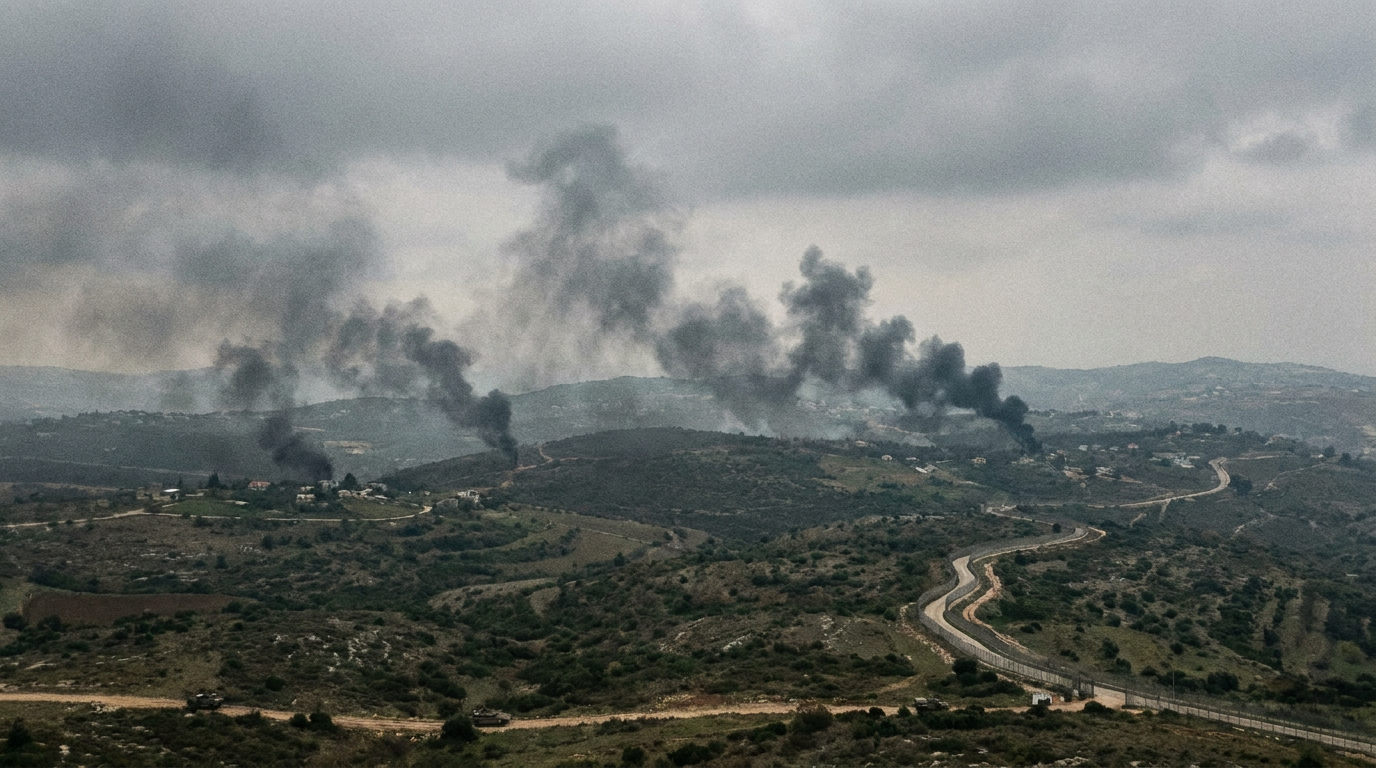
The agreement brings a tentative close to a war that began on February 28 with "Operation Epic Fury," a massive joint US-Israeli military campaign. The opening strikes assassinated Iranian Supreme Leader Ali Khamenei and targeted the country's military and nuclear infrastructure, prompting a massive regional retaliation from Tehran.[3][2]
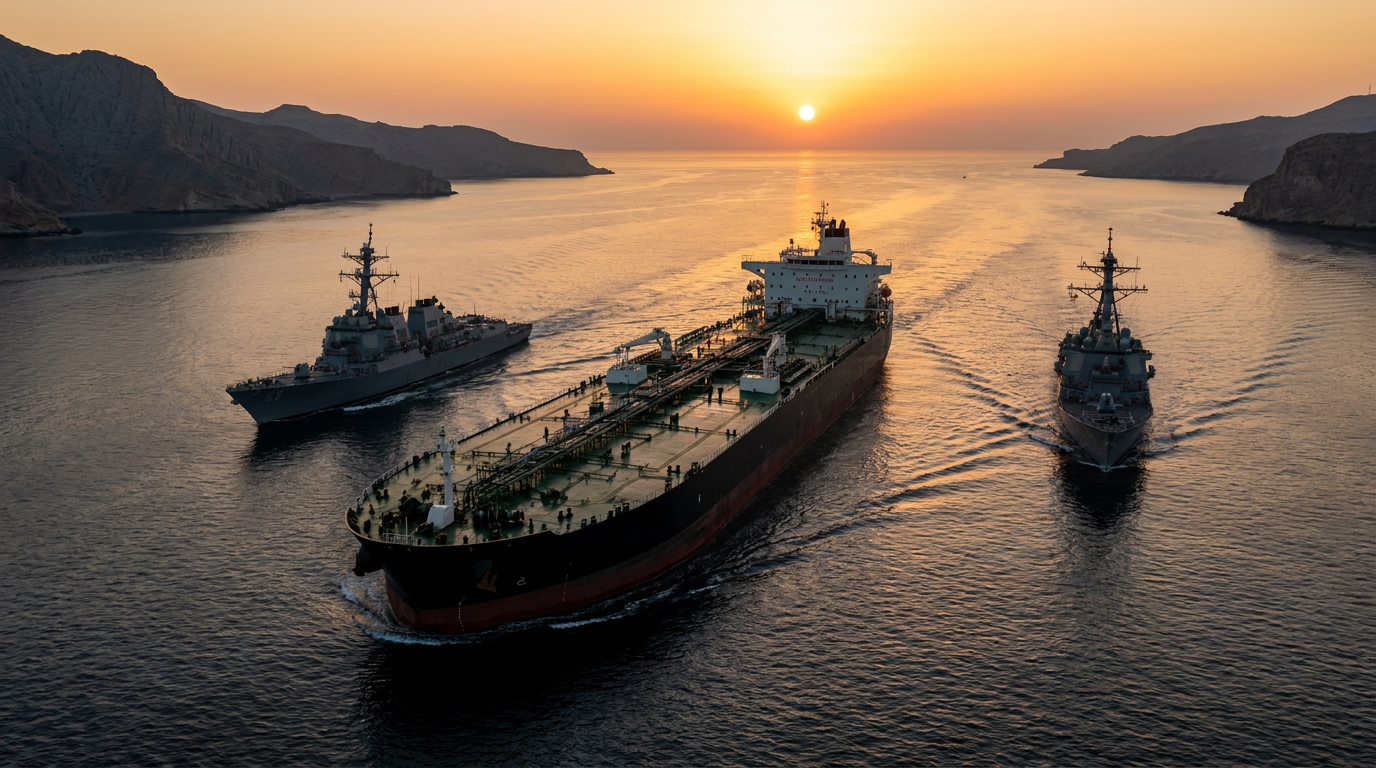
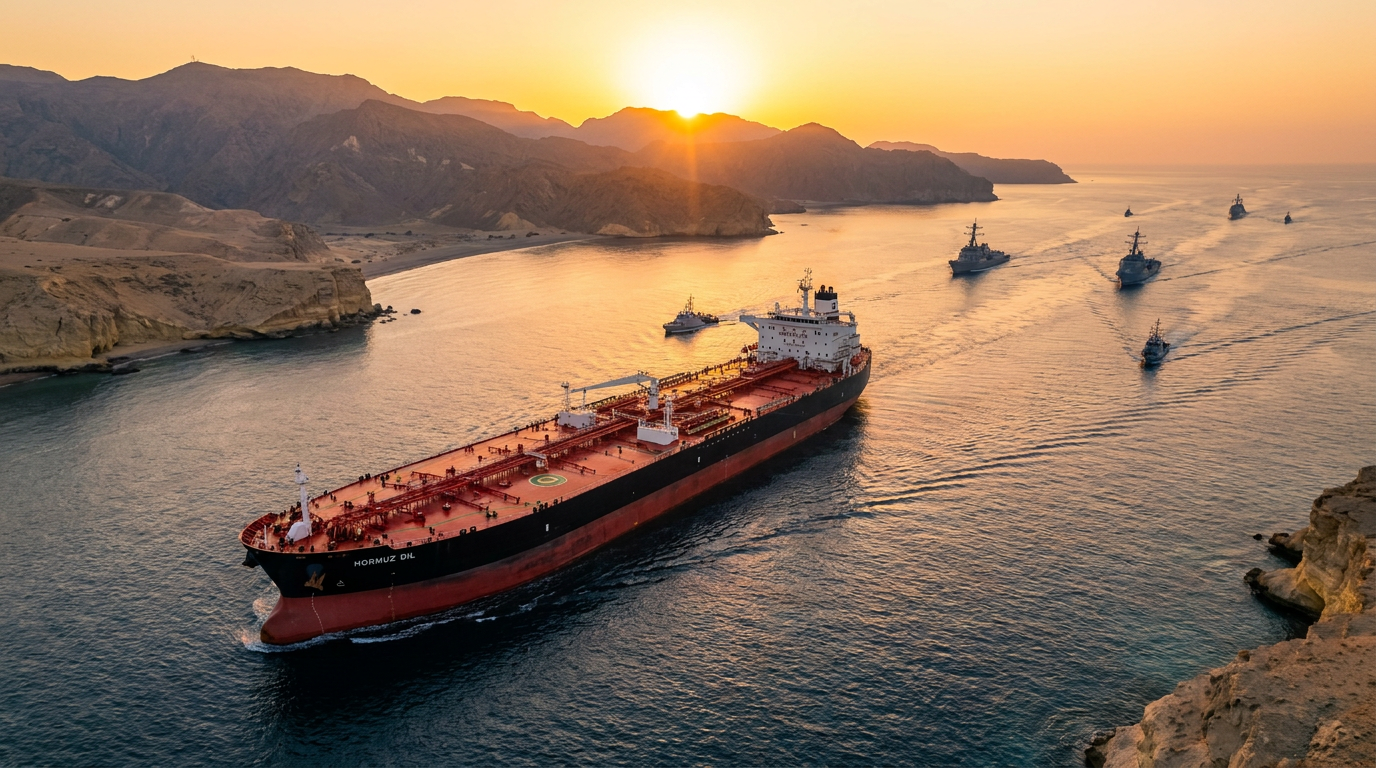
Now, the immediate focus of the Geneva pact is the restoration of global maritime trade. The deal requires Iran to reopen the Strait of Hormuz, while the United States has agreed to immediately lift its naval blockade on Iranian ports.[2][3]
However, the cessation of hostilities is only the first phase of a complex diplomatic off-ramp. The framework establishes a 60-day window during which technical negotiations will address the core driver of the conflict: Iran's nuclear ambitions.[3]

During this period, US and Iranian officials will discuss the status of Tehran's highly enriched uranium stockpile and its future enrichment capabilities. In exchange for verifiable limits, Iran is expected to demand significant economic incentives, including the unfreezing of billions of dollars in assets and sweeping sanctions relief.[3]
Despite the White House framing the reopening of the Strait as a major victory, a growing consensus among Western security analysts characterizes the war's outcome as a strategic defeat for the United States.[1][6]
When the conflict began, the implicit goals of the US-Israeli coalition included the capitulation of the Iranian regime and the total dismantlement of its nuclear program. Instead, the Iranian state absorbed the decapitation of its top leadership, maintained its governing structures, and endured the full weight of American military pressure.[1]
By surviving the onslaught and forcing Washington to the negotiating table, Iran has effectively proven its deterrence capacity. Analysts note that Tehran demonstrated it could hold the global economy hostage without needing a nuclear warhead, simply by leveraging its geographic control over vital shipping lanes.[6]
By surviving the onslaught and forcing Washington to the negotiating table, Iran has effectively proven its deterrence capacity.
The economic coercion was devastatingly effective. By closing the Strait of Hormuz, Iran choked off a waterway that facilitates roughly 20 percent of the world's oil trade and significant volumes of liquefied natural gas.[3]
The resulting energy shock sent Brent crude prices soaring past $120 a barrel at the height of the conflict, triggering a global fuel crisis. The ripple effects have been felt worldwide, keeping inflation stubbornly high in countries like the UK despite the recent stabilization of wholesale energy markets.[7][4]

Even with the Geneva agreement in place, economists warn that consumers will continue paying a "war tax" for months to come. Crude oil prices have fallen back to around $80 a barrel following the ceasefire announcement, but the relief will not be immediate at the pump.[7]
Refineries typically purchase crude oil a month or more in advance, meaning the expensive inventory acquired during the peak of the conflict is still working its way through the supply chain. Furthermore, the energy shock has already bled into the broader economy, driving up the cost of groceries, airline tickets, and manufactured goods.[7]
Food economists point out that fuel accounts for up to 30 percent of the total cost of food production and distribution. Because prices are notoriously "sticky" on the way down, the inflationary pressure on household budgets is expected to outlast the military hostilities.[7]
Beyond the economic timeline, the durability of the peace deal itself remains highly uncertain. The text of the memorandum leaves significant room for conflicting interpretations, particularly regarding the control of maritime traffic.[5]
US officials have stated they expect the Strait of Hormuz to remain open "in a toll-free way for the long term." In stark contrast, media affiliated with the Islamic Revolutionary Guard Corps (IRGC) reported that Iran is merely pausing the imposition of transit fees for the 60-day negotiation window.[5]

Iranian military officials continue to signal their intent to jointly manage the strait with Oman and have implicitly threatened vessels that attempt to transit without Iranian authorization once the grace period expires. If Iran successfully normalizes the practice of charging "service fees" for international shipping, it would represent a massive strategic and financial victory for the regime.[5]
The political hurdles in Washington are equally steep. Hardline lawmakers are expected to mount fierce resistance to any permanent treaty that unfreezes Iranian assets, arguing that it rewards Tehran for a war that disrupted the global economy.[6]
Ultimately, the 2026 Iran war has exposed the limits of American power projection. The United States launched a war of choice to neutralize a regional adversary, only to find itself forced into a ceasefire to rescue the global economy—leaving the fundamental questions of Iran's nuclear program deferred to future negotiations that look strikingly similar to the 2015 deal the US previously abandoned.[1][6]
How we got here
February 28, 2026
The US and Israel launch Operation Epic Fury, killing Iranian Supreme Leader Ali Khamenei and triggering the war.
March 2026
Iran retaliates by closing the Strait of Hormuz, trapping a fifth of global oil supplies and spiking crude prices to $120 a barrel.
June 14, 2026
The US and Iran announce a memorandum of understanding to end hostilities, brokered by Pakistan and Qatar.
June 19, 2026
The formal signing of the peace agreement is scheduled to take place in Geneva, Switzerland.
August 2026
The 60-day window for technical negotiations on Iran's nuclear program is set to expire.
Viewpoints in depth
Western Security Analysts
Viewing the war as a strategic failure that exposed the limits of American military power.
Defense analysts and editorial boards argue that by launching a war of choice and failing to achieve regime change or nuclear dismantlement, the US inadvertently strengthened Iran's hand. They point out that Tehran proved it could survive a massive military onslaught and successfully hold the global economy hostage by closing the Strait of Hormuz, establishing a permanent deterrent that does not rely on nuclear weapons.
The US Administration
Framing the ceasefire as a necessary step to stabilize global markets and halt regional violence.
The White House emphasizes the immediate benefits of the Geneva agreement, primarily the reopening of the Strait of Hormuz and the cessation of Iranian missile attacks across the Middle East. For the administration, lifting the naval blockade and entering technical talks is a pragmatic off-ramp to prevent a prolonged 'forever war' and ease the crushing energy costs burdening American consumers ahead of the election cycle.
The Iranian Establishment
Claiming a historic victory of survival and economic coercion against Western powers.
Despite suffering severe infrastructure damage and the loss of top leadership, Tehran views the outcome as a triumph of resistance. Iranian officials highlight that they forced the world's preeminent military power to the negotiating table through economic leverage. Hardliners within the Islamic Revolutionary Guard Corps are already signaling intentions to assert long-term control over the Strait of Hormuz by charging transit fees once the initial ceasefire window closes.
What we don't know
- Whether Iran will actually allow toll-free shipping through the Strait of Hormuz after the 60-day window expires.
- If the US Congress will block the unfreezing of Iranian assets required for a permanent nuclear deal.
- How quickly global supply chains and consumer prices will normalize following the reopening of the Strait.
Key terms
- Strait of Hormuz
- A narrow, strategically vital waterway between the Persian Gulf and the Gulf of Oman through which roughly 20 percent of the world's oil trade passes.
- Operation Epic Fury
- The code name for the joint US-Israeli military campaign launched against Iran on February 28, 2026.
- Highly Enriched Uranium
- Uranium that has been processed to a high purity level, bringing it closer to the grade required for nuclear weapons, which will be the focus of upcoming technical talks.
- Decapitation Strike
- A military strategy aimed at removing a country's top leadership, as attempted by the US and Israel at the start of the conflict.
Frequently asked
When does the ceasefire take effect?
A memorandum of understanding halting military operations was reached on June 14, with a formal signing scheduled for June 19 in Geneva.
Why did the US and Israel attack Iran?
The war began on February 28, 2026, with 'Operation Epic Fury,' a joint military campaign aimed at neutralizing Iran's leadership and dismantling its nuclear program.
Will gas prices drop immediately?
No. Economists warn that because refineries purchase crude oil months in advance, it will take time for the recent drop in wholesale oil prices to reach consumers.
Did the US achieve its military goals?
Security analysts widely view the war's outcome as a strategic defeat for the US, as Iran survived the strikes, maintained its government, and forced a deal without dismantling its nuclear program.
Sources
Source coverage
7 outlets
4 viewpoints surfaced







[1]The New York TimesWestern Security Analysts
We Just Learned the Limits of American Power
Read on The New York Times →[2]Al JazeeraIranian Establishment
US, Iran to sign a 'peace deal' on Friday: What we know
Read on Al Jazeera →[3]Center for Strategic and International StudiesUS Administration
The United States and Iran Announce a Deal to End the War | State of Play
Read on Center for Strategic and International Studies →[4]The GuardianGlobal Consumers & Markets
UK inflation stays steady at 2.8% despite Iran conflict driving up fuel prices
Read on The Guardian →[5]Institute for the Study of WarIranian Establishment
Iran Update, June 15, 2026
Read on Institute for the Study of War →[6]The IndependentWestern Security Analysts
US war on Iran ends in strategic defeat
Read on The Independent →[7]Los Angeles TimesGlobal Consumers & Markets
Higher prices for gas, groceries and flights will likely outlast Iran war
Read on Los Angeles Times →

Every angle. Every day.
Get news politics stories with full source coverage and perspective breakdowns delivered to your inbox.