
US and Iran Reach Tentative Peace Deal to Reopen Strait of Hormuz
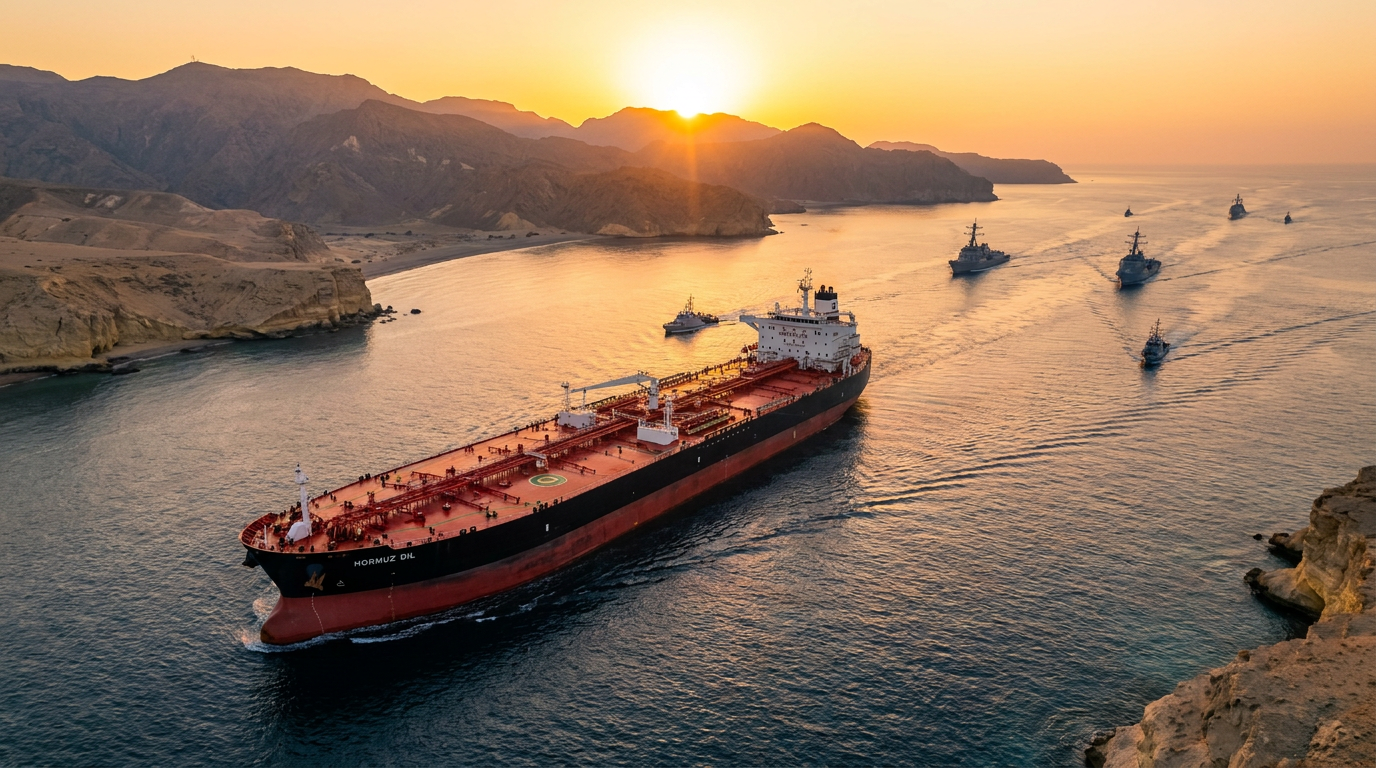
The United States and Iran have agreed to a preliminary memorandum of understanding to end a months-long conflict, reopening the critical Strait of Hormuz and initiating negotiations on Iran's nuclear program.
By Factlen Editorial Team
- U.S. Administration & Mediators
- Views the deal as a historic diplomatic victory that averts war and stabilizes the economy.
- Conservative Critics
- Argues the agreement is a dangerous capitulation that fails to permanently neutralize Iran's nuclear threat.
- Economic & Energy Analysts
- Focuses on the logistical realities of restoring oil supply chains and the timeline for price relief.
- Foreign Policy Experts
- Emphasizes the geopolitical complexities of enforcing the ceasefire among regional proxy groups.
What's not represented
- · Iranian domestic political factions
- · European Union maritime security officials
Why this matters
The reopening of the Strait of Hormuz directly impacts global energy markets, promising eventual relief for consumers facing high fuel costs. However, the political and logistical hurdles of enforcing the ceasefire and demining the waterway mean the threat of renewed conflict—and economic disruption—remains high.
Key points
- The U.S. and Iran have agreed to a 60-day ceasefire to end a 3.5-month conflict.
- The deal includes lifting the U.S. naval blockade and reopening the Strait of Hormuz.
- Iran has reportedly agreed to halt its nuclear weapons program, pending further negotiations.
- Global oil prices dropped below $80 a barrel following the announcement.
- Critics argue the deal provides premature sanctions relief without dismantling nuclear infrastructure.
- Analysts warn that clearing naval mines will delay the full return of oil supplies.
After three and a half months of a conflict that choked off one of the world's most vital energy arteries, the United States and Iran have reached a preliminary agreement to halt hostilities. The breakthrough, brokered largely by Pakistani Prime Minister Shehbaz Sharif, aims to end a military standoff that has sent shockwaves through global markets and threatened a broader regional war.[3][4]
President Donald Trump announced the completion of the deal on social media, declaring an immediate end to the U.S. naval blockade of the Strait of Hormuz. "Ships of the World, start your engines. Let the oil flow!" the president wrote, signaling a pivot from military confrontation to economic restoration.[3]
The core of the emerging framework is a Memorandum of Understanding that establishes a 60-day ceasefire. During this window, the Strait of Hormuz is to be reopened to commercial shipping, and Iran will be permitted to resume selling oil on the global market.[4][5]
In exchange for these immediate economic lifelines, the agreement reportedly requires Iran to freeze its nuclear weapons ambitions. President Trump characterized the deal as a definitive end to Tehran's nuclear program, stating that Iran has agreed to strong policing powers and will no longer pursue nuclear capabilities through any means of procurement.[3]

However, the exact mechanisms for enforcing this nuclear freeze remain one of the most heavily scrutinized aspects of the pact. The initial memorandum serves primarily as a bridge, initiating a two-month period of intensive technical negotiations to hammer out the final details of sanctions relief and the dismantling of Iranian nuclear sites.[4][5]
The geopolitical stakes extend far beyond the Persian Gulf. The draft agreement reportedly stipulates a cessation of military operations on all fronts, which crucially includes the ongoing clashes between Israel and the Iranian-backed militant group Hezbollah in Lebanon.[3][5]
Ensuring compliance across this complex web of proxy conflicts presents a monumental diplomatic challenge. Foreign policy analysts note that while the U.S. and Iran may agree to terms on paper, enforcing a ceasefire among non-state actors like Hezbollah and the Houthis in Yemen will test the durability of the agreement from day one.[5]
Domestically, the new Trump-brokered deal is already facing fierce political headwinds. Conservative lawmakers and media commentators have sharply criticized the administration's approach, characterizing the unreleased terms as a secret Iran deal and a strategic surrender.[1]
Critics argue that lifting the naval blockade and allowing Iranian oil sales before the nuclear infrastructure is physically dismantled provides Tehran with a premature financial windfall. They express concern that this relief will simply entrench the Iranian regime and fund its regional proxies, rather than permanently neutralizing its nuclear threat.[1]
They express concern that this relief will simply entrench the Iranian regime and fund its regional proxies, rather than permanently neutralizing its nuclear threat.
Despite the political friction in Washington, global financial markets reacted to the news with immediate relief. The benchmark price for Brent crude oil, which had been artificially inflated by the conflict, quickly dropped below $80 a barrel as traders priced in the return of Iranian supply and the reopening of the Strait.[7]
The economic damage of the three-and-a-half-month closure has been profound. The Strait of Hormuz is a critical chokepoint for global energy, and its blockade forced shipping companies to reroute or halt operations entirely, driving up costs across the supply chain.[5][7]

Interestingly, the macroeconomic impact has been unevenly distributed. In the United Kingdom, official figures showed inflation holding steady at 2.8% in May, confounding economists who had forecast a spike to 3% due to the Middle East conflict driving up fuel prices.[2]
In the United States, however, the pain at the pump has been acute. The national average for a gallon of gasoline crossed the psychologically significant $4 threshold, acting as a persistent drag on consumer sentiment and household budgets.[7]
While the announcement of the peace deal has sparked hopes for immediate relief, energy analysts caution that consumers should temper their expectations. The logistical reality of restoring the global oil supply chain means that retail gasoline prices are likely to decline gradually rather than plummeting overnight.[7]
The phenomenon, often described by economists as prices shooting up like a rocket and floating down like a feather, dictates that the savings from cheaper crude oil will take weeks to fully materialize at local gas stations.[7]

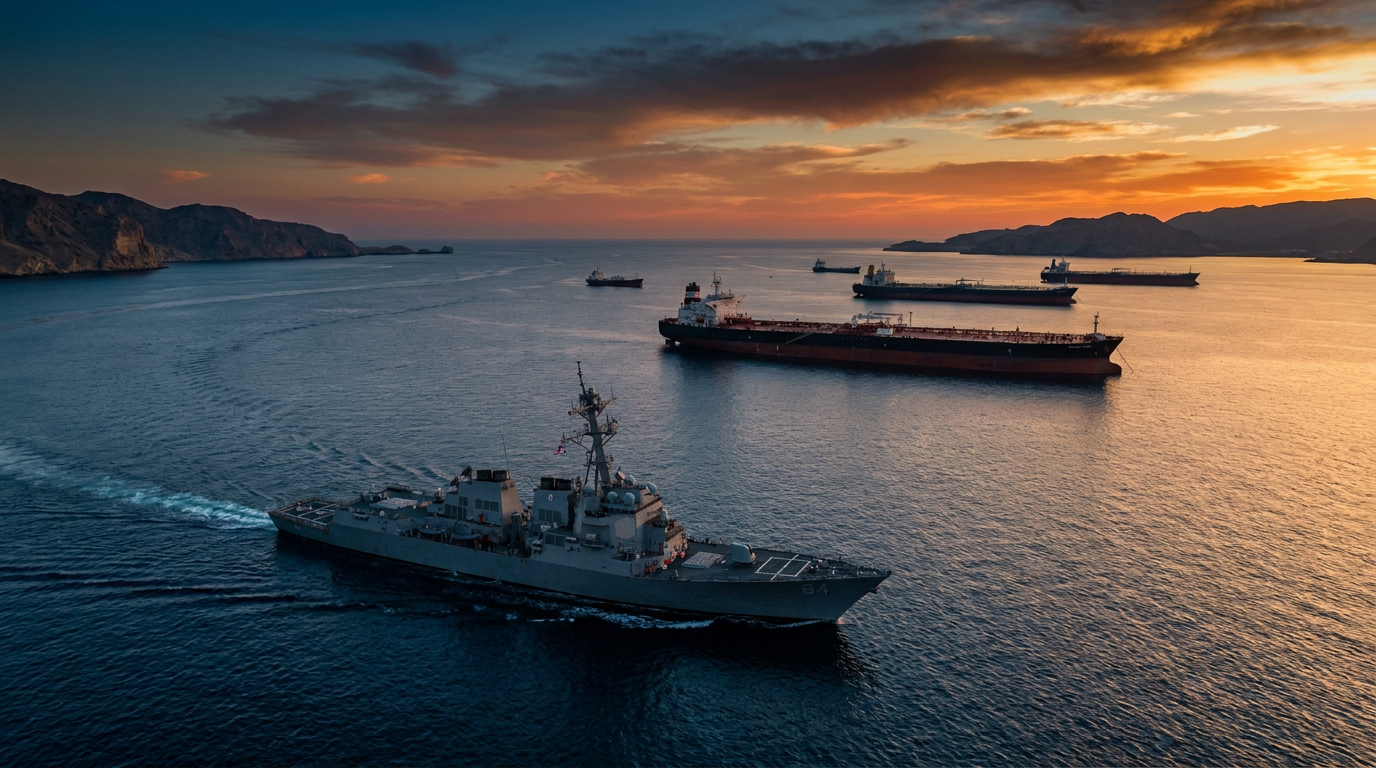
Furthermore, the physical reopening of the Strait of Hormuz is not as simple as issuing a political declaration. Following months of hostilities, the waterway is heavily mined, and clearing these explosive hazards to ensure safe passage for commercial tankers could take anywhere from several weeks to several months.[5][7]
Until the maritime routes are certified as entirely safe, insurance premiums for shipping companies will remain prohibitively high, creating a persistent bottleneck that will delay the full resumption of pre-war oil flows.[5]
Because of these compounding logistical and infrastructural hurdles, some market analysts predict that U.S. gasoline prices may not return to their pre-conflict baseline until 2027, even if the diplomatic framework holds.[6]

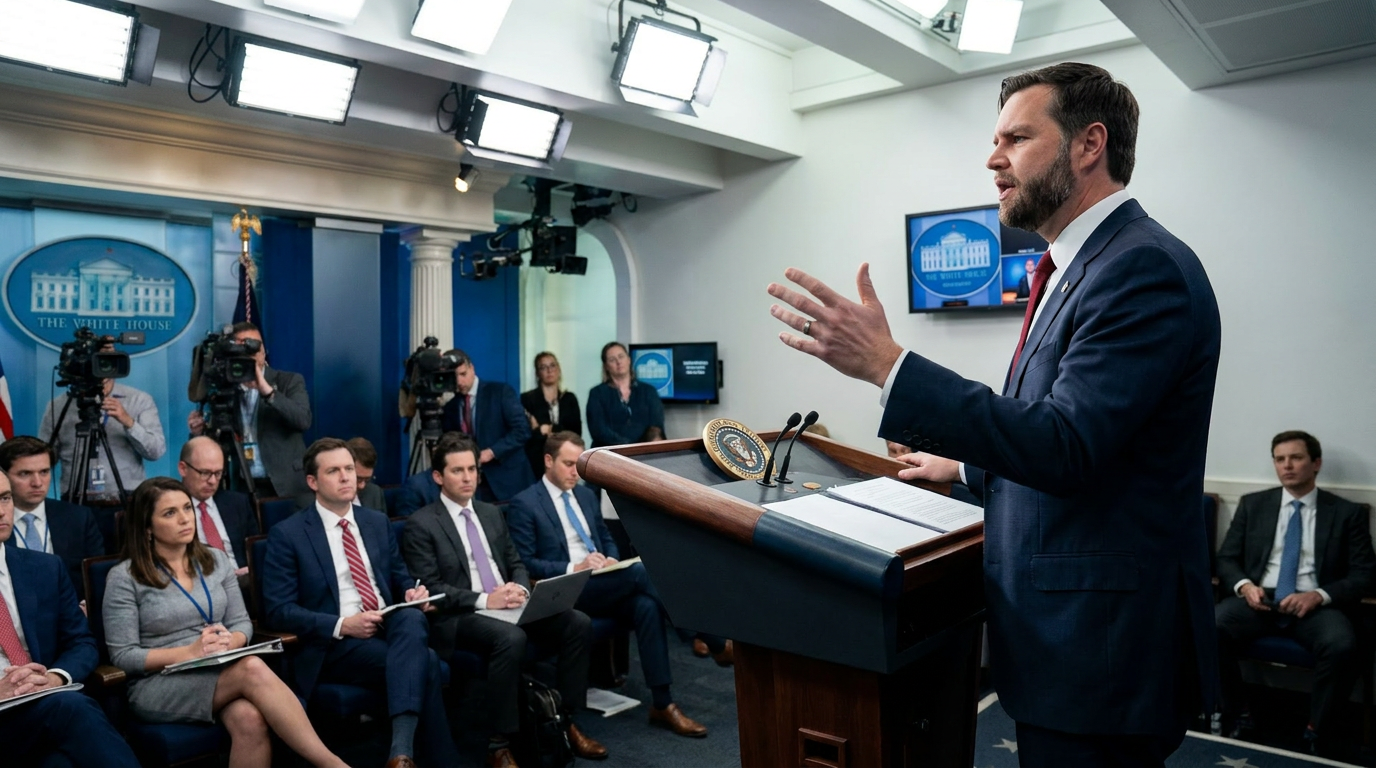
The ultimate success of the agreement now hinges on the formal signing ceremony scheduled for Friday in Switzerland. U.S. Vice President JD Vance and chief Iranian negotiator Mohammad-Bagher Ghalibaf are expected to finalize the memorandum, setting the clock ticking on the 60-day negotiation window.[3][5]
As the world watches to see if this tentative peace can transition into a durable settlement, the immediate focus remains on the treacherous waters of the Strait of Hormuz—and whether the promise of free-flowing oil can overcome the deep-seated mistrust that has defined U.S.-Iranian relations for decades.[3][5]
How we got here
Late Feb 2026
Military conflict escalates, leading to the closure and mining of the Strait of Hormuz.
March - May 2026
Global oil prices surge as the vital shipping chokepoint remains blocked by a U.S. naval blockade.
June 14, 2026
The U.S. and Iran reach a preliminary agreement brokered by Pakistani Prime Minister Shehbaz Sharif.
June 15, 2026
President Trump announces the deal is complete and authorizes the lifting of the naval blockade.
June 19, 2026
Scheduled signing of the formal Memorandum of Understanding in Switzerland.
Viewpoints in depth
The U.S. Administration
Views the deal as a historic victory that prevents a nuclear Iran and stabilizes the global economy.
President Trump and his administration frame the Memorandum of Understanding as a definitive triumph of American leverage. By securing a commitment to halt nuclear procurement and reopening the Strait of Hormuz, they argue the deal averts a broader regional war while delivering immediate economic relief to American consumers.
Conservative Critics
Argues the deal is a capitulation that rewards Iranian aggression and fails to dismantle its nuclear infrastructure.
Republican lawmakers and conservative commentators have sharply criticized the administration's approach, labeling it a 'secret deal' and a strategic surrender. They argue that lifting the naval blockade and allowing Iranian oil sales before the nuclear sites are physically dismantled provides Tehran with a financial windfall that will inevitably be funneled to regional proxies.
Energy Markets
Cautiously optimistic but focused on the logistical hurdles of demining the Strait and restoring supply chains.
Commodity traders and energy analysts have reacted with cautious optimism, driving crude prices down in anticipation of renewed supply. However, they emphasize that the physical realities of the conflict—specifically the extensive mining of the Strait of Hormuz and skyrocketing maritime insurance premiums—will prevent a rapid return to pre-war fuel prices.
Regional Allies
Deeply concerned about the enforcement mechanisms regarding Iranian proxies like Hezbollah.
While the agreement reportedly includes a cessation of hostilities on all fronts, Middle Eastern allies remain skeptical about enforcement. The ongoing clashes between Israel and Hezbollah in Lebanon highlight the difficulty of holding Tehran accountable for the actions of its decentralized network of non-state militant groups.
What we don't know
- The exact technical mechanisms that will be used to verify Iran's compliance with the nuclear freeze.
- How the ceasefire will be enforced among Iranian-backed proxy groups like Hezbollah and the Houthis.
- Exactly how long it will take to clear the Strait of Hormuz of naval mines and restore safe commercial shipping.
Key terms
- Strait of Hormuz
- A narrow waterway connecting the Persian Gulf to the open ocean, serving as the transit route for roughly 20% of global oil consumption.
- Memorandum of Understanding (MOU)
- A formal agreement between two or more parties that outlines the terms and details of an understanding, often preceding a binding treaty.
- Brent Crude
- A major trading classification of sweet light crude oil that serves as a benchmark price for purchases of oil worldwide.
- Naval Blockade
- An effort to cut off supplies, war material, or communications from a particular area by force, typically using ships.
Frequently asked
What is the Strait of Hormuz?
It is a crucial shipping chokepoint between the Persian Gulf and the Gulf of Oman, through which a significant portion of the world's oil passes.
Why did gas prices go up?
The 3.5-month conflict and naval blockade effectively halted oil shipments through the Strait, creating a global supply shock.
Will Iran give up its nuclear program?
The preliminary deal includes pledges to negotiate the suspension of uranium enrichment, but critics argue the enforcement mechanisms remain unclear.
When will the deal be officially signed?
A formal signing ceremony is scheduled for Friday, June 19, 2026, in Switzerland.
Sources
Source coverage
7 outlets
4 viewpoints surfaced







[1]Fox NewsConservative Critics
Republicans, media rip Trump’s secret Iran deal, with the harshest critics calling it a surrender
Read on Fox News →[2]The GuardianEconomic & Energy Analysts
UK inflation stays steady at 2.8% despite Iran conflict driving up fuel prices
Read on The Guardian →[3]CBS NewsU.S. Administration & Mediators
Trump says deal with Iran 'complete,' Strait of Hormuz blockade lifted
Read on CBS News →[4]AxiosU.S. Administration & Mediators
Exclusive: What's inside the Iran deal Trump is close to signing
Read on Axios →[5]Council on Foreign RelationsForeign Policy Experts
Trump's Iran Deal: What We Know, What's Contested, and What Remains Unresolved
Read on Council on Foreign Relations →[6]Al JazeeraEconomic & Energy Analysts
Analysts predict no US petrol price drop until 2027
Read on Al Jazeera →[7]MorningstarEconomic & Energy Analysts
Get ready to pay less at the pump - but how much less, and when?
Read on Morningstar →
Every angle. Every day.
Get news politics stories with full source coverage and perspective breakdowns delivered to your inbox.