
U.S. and Iran Sign Preliminary Ceasefire Deal as Rift Widens Between Washington and Israel
The Trump administration and Iran have signed a memorandum of understanding to end their 110-day conflict, but the deal's mandate for a ceasefire in Lebanon has triggered a fierce public dispute between the White House and Israeli leadership.
By Factlen Editorial Team
- U.S. Administration Officials
- Prioritizing an end to the U.S.-Iran conflict, economic stabilization, and nuclear containment over Israel's regional military objectives.
- Israeli Leadership
- Refusing to halt military operations in Lebanon, arguing that the U.S.-Iran deal fails to address the immediate threat of Hezbollah.
- Iranian Negotiators
- Demanding a complete halt to all allied military operations, including Israel's, as a precondition for nuclear and maritime concessions.
What's not represented
- · Lebanese civilians displaced by the ongoing conflict in the south
- · European and Asian economic ministers reliant on the Strait of Hormuz
Why this matters
This agreement pauses a 110-day conflict that has devastated global shipping and energy markets, but its mandate for a ceasefire in Lebanon threatens to permanently fracture the U.S.-Israel alliance. If Washington cannot force Israel to halt its campaign against Hezbollah, the entire nuclear and economic settlement with Iran could collapse.
Key points
- The U.S. and Iran signed a preliminary Memorandum of Understanding to end their 110-day conflict and reopen the Strait of Hormuz.
- The agreement mandates an immediate ceasefire on all fronts, including a halt to military operations in Lebanon.
- Israel has refused to withdraw from its 10-kilometer security zone in southern Lebanon, arguing the deal leaves Hezbollah intact.
- Vice President JD Vance sharply rebuked Israeli officials, reminding them that U.S. taxpayers fund two-thirds of their defensive weapons.
- A planned U.S. trip to Switzerland for technical talks was delayed, with reports indicating Iran is protesting Israel's continued strikes.
The core of the agreement rests on a preliminary Memorandum of Understanding (MOU) signed Wednesday by U.S. President Donald Trump and Iranian President Masoud Pezeshkian in Versailles, France. The document establishes an immediate halt to a 110-day conflict that has severely disrupted global shipping and energy markets. Under the terms dictated to journalists by senior U.S. officials, the U.S. military has lifted its blockade of Iranian ports, allowing commercial vessels and oil tankers to resume transit through the Strait of Hormuz.[1][4][5][8]
The nuclear provisions of the MOU require Iran to down-blend its stockpile of enriched uranium on its own soil. This process is to be supervised by the International Atomic Energy Agency (IAEA), with Trump administration envoys briefing U.S. lawmakers that Tehran will invite U.N. inspectors to its nuclear sites. The agreement initiates a 60-day window for technical negotiations to reach a comprehensive final deal, though U.S. officials acknowledge the fragility of the pact, noting that either side can walk away at any time.[1][8]
The most contentious evidentiary claim in the MOU is its geographic scope. The text explicitly mandates the "immediate and permanent termination of military operations on all fronts, including in Lebanon." This clause effectively requires Iran to rein in Hezbollah, but it also places direct pressure on Israel to halt its ongoing military campaign in southern Lebanon. The inclusion of Lebanon has transformed a bilateral U.S.-Iran ceasefire into a flashpoint for the U.S.-Israel alliance.[1][2][4]

Evidence of a severe diplomatic rift emerged immediately, as Israel—which was not a party to the negotiations—signaled it does not consider itself bound by the Lebanon provisions. The Israeli military published a new operational map on Thursday showing an expanded security zone extending approximately 10 kilometers into southern Lebanon. Prime Minister Benjamin Netanyahu stated that Israeli forces will remain in the occupied zone "as long as Israel's security needs require it," directly challenging the MOU's demand for respect of Lebanon's territorial integrity.[1][2][5]
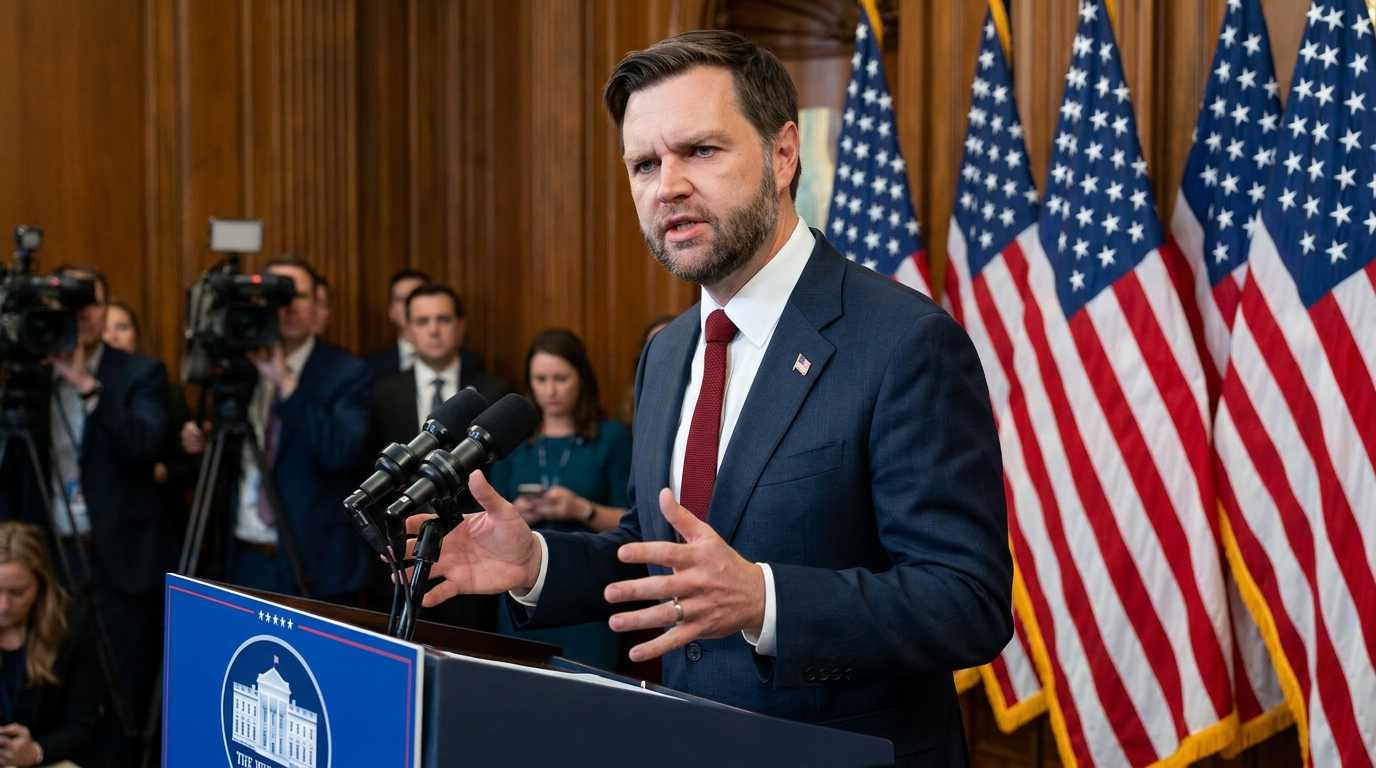
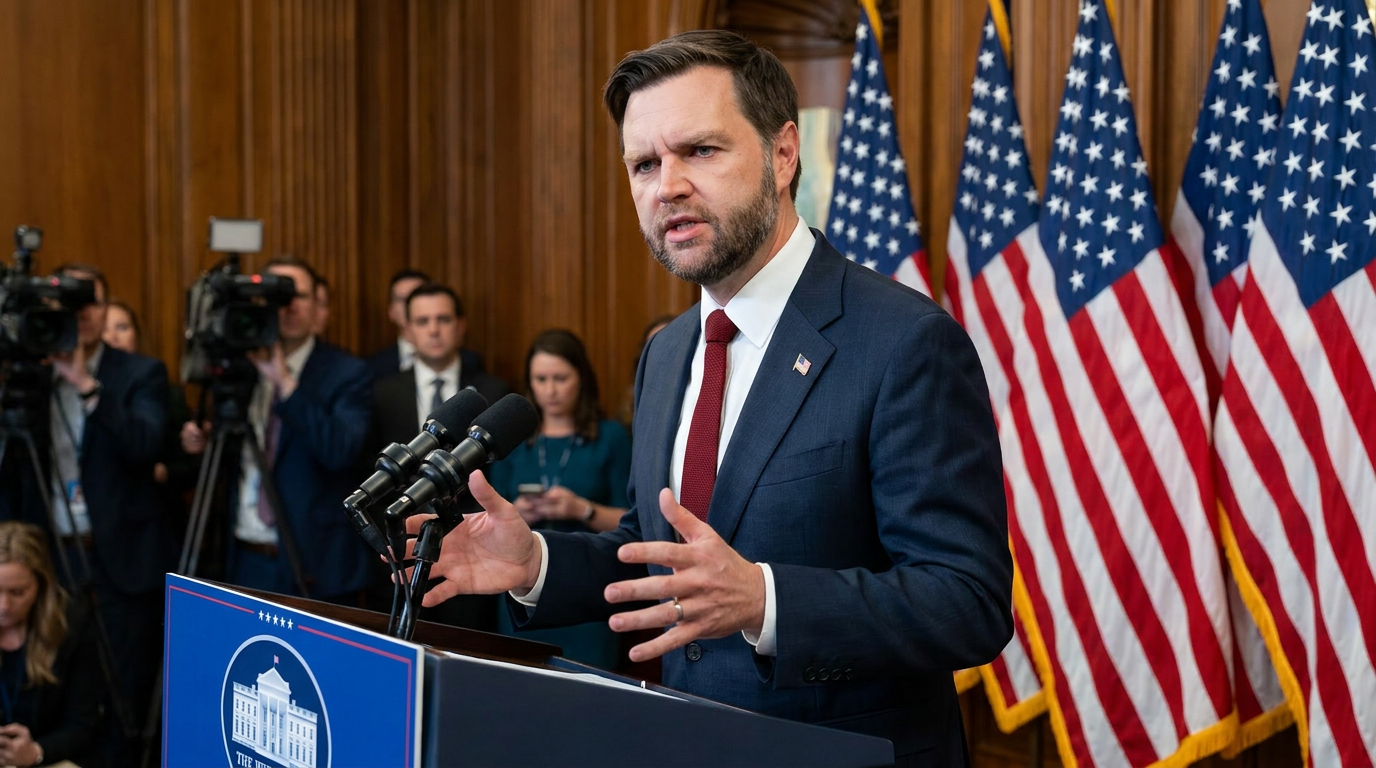
In an unprecedented public rebuke, U.S. Vice President JD Vance used a White House press briefing to systematically dismantle Israeli criticism of the deal. Addressing unnamed members of the Israeli cabinet, Vance warned that Israel is internationally isolated and that Donald Trump remains its "only powerful ally." To underscore the leverage Washington holds, Vance cited defense procurement data, reminding Israeli officials that "two-thirds" of the defensive weapons protecting Israel over the past three months were funded by U.S. taxpayers and built by American hands.[1][2][5]

Vice President JD Vance used a White House press briefing to systematically dismantle Israeli criticism of the deal.
Vance further defended the agreement by asserting that regional countries, including Iran, retain the right to self-defense. When pressed on the U.S. allowing Iran to keep some of its ballistic missiles, Vance argued that the U.S. military campaign had already destroyed a "substantial number" of launchers, and the final deal aims to prevent Iran from building missiles that threaten the broader world or rebuilding its nuclear weapons program.[6]
The implementation of the MOU immediately faced logistical and geopolitical hurdles. The White House announced late Thursday that Vice President Vance had postponed a planned trip to Switzerland to lead the first round of technical talks. While the official U.S. statement cited "difficult logistics" and unpredictable scheduling, regional intelligence suggests a deeper complication.[3][4][8]
According to the Hezbollah-affiliated network Al-Mayadeen, the Iranian delegation delayed its own departure in direct response to Israel's continued military strikes in Lebanon. Iranian sources reportedly warned U.S. mediators that any Israeli attack deeper than 10 kilometers into Lebanese territory would constitute a "clear violation of the first article" of the MOU. This leaves the U.S. in a precarious position: enforcing a ceasefire that its closest Middle Eastern ally refuses to recognize, while attempting to negotiate a permanent nuclear settlement with a historic adversary.[2][4][7]

The economic stakes of maintaining the ceasefire are monumental. The 110-day war effectively choked off the Strait of Hormuz, sending global energy markets into a tailspin and threatening a broader recession. By lifting the blockade, the U.S. has allowed at least 10 commercial vessels to transit the strait by Thursday morning, providing immediate relief to global oil prices. However, if the Switzerland talks collapse over the Lebanon dispute, U.S. officials have indicated they are prepared to tighten economic pressure on Tehran once again, risking a return to open maritime warfare.[1][4]
Ultimately, the evidence suggests that the U.S.-Iran MOU has fundamentally altered the geopolitical calculus in the Middle East. Washington is now actively prioritizing its bilateral de-escalation with Tehran over the regional security demands of Jerusalem. As the 60-day negotiation window opens, the durability of the peace deal rests not just on Iranian nuclear compliance, but on whether the Trump administration can force Israel to halt its advance in Lebanon.[2][5][7]
How we got here
March 2026
Israel launches major military operations into southern Lebanon following Hezbollah rocket fire.
June 17, 2026
The U.S. and Iran sign a preliminary Memorandum of Understanding in Versailles to end their 110-day conflict.
June 18, 2026
The U.S. lifts its blockade of the Strait of Hormuz, allowing commercial vessels to resume transit.
June 18, 2026
Vice President JD Vance publicly rebukes Israeli officials criticizing the deal's Lebanon ceasefire clause.
June 19, 2026
The White House postpones Vance's trip to Switzerland for technical talks amid disputes over ongoing Israeli strikes.
Viewpoints in depth
The Trump Administration's View
The White House views the deal as a necessary step to end a costly war and stabilize the global economy.
U.S. officials argue that the 110-day conflict was devastating global markets and that the MOU successfully secures the reopening of the Strait of Hormuz. By forcing Iran to down-blend its uranium and invite IAEA inspectors, the administration claims it has contained the nuclear threat. The administration is expressing intense frustration with Israel, arguing that U.S. taxpayers have heavily subsidized Israel's defense and that Israeli leaders must accept the broader strategic necessity of the ceasefire.
The Israeli Government's View
Israeli leadership views the Lebanon ceasefire clause as a direct threat to its national security.
Israel, which was not a party to the U.S.-Iran negotiations, argues that halting its campaign in southern Lebanon leaves Hezbollah intact and capable of launching future attacks. Officials insist on maintaining a 10-kilometer security zone to protect northern Israeli residents. They view the U.S. pressure to withdraw as a betrayal of their security needs, arguing that the deal enriches Iran without permanently dismantling its proxy networks.
The Iranian Government's View
Tehran is leveraging the ceasefire to gain economic relief while demanding strict enforcement of the Lebanon halt.
Iran's primary objective is the lifting of the U.S. blockade and the potential establishment of a $300 billion economic rehabilitation fund. However, Iranian negotiators have made it clear that their compliance is contingent on the U.S. restraining Israel. By threatening to walk away from the technical talks in Switzerland if Israeli strikes in Lebanon continue, Iran is testing Washington's ability to control its closest regional ally.
What we don't know
- Whether the Trump administration will use military aid leverage to force Israel into complying with the Lebanon ceasefire.
- If Iran will permanently walk away from the 60-day technical talks if Israeli operations in southern Lebanon continue.
- The exact mechanisms the IAEA will use to verify the down-blending of Iran's enriched uranium stockpile.
Key terms
- Memorandum of Understanding (MOU)
- A preliminary, non-binding agreement outlining the terms and framework for future, more detailed negotiations.
- Strait of Hormuz
- A critical maritime chokepoint between the Persian Gulf and the Gulf of Oman through which a significant portion of the world's oil supply passes.
- Uranium Down-blending
- The process of diluting highly enriched uranium with lower-grade material to ensure it cannot be used to produce nuclear weapons.
- IAEA
- The International Atomic Energy Agency, the United Nations watchdog responsible for monitoring and verifying nuclear programs.
Frequently asked
Does this deal permanently end the U.S.-Iran war?
Not yet. The current agreement is a preliminary Memorandum of Understanding that establishes a 60-day window for technical negotiations to reach a final, binding treaty.
Why is Israel upset about a deal between the U.S. and Iran?
The agreement requires an immediate halt to military operations 'on all fronts, including in Lebanon.' Israel argues this forces them to stop fighting Hezbollah before securing their northern border.
What did Iran agree to regarding its nuclear program?
Iran agreed to down-blend its stockpile of enriched uranium on its own soil and invite inspectors from the U.N.'s nuclear watchdog agency to monitor its facilities.
Why was the Switzerland trip delayed?
The White House cited logistical issues, but regional reports indicate Iran delayed its delegation to protest Israel's continued military strikes in Lebanon.
Sources
Source coverage
8 outlets
3 viewpoints surfaced








[1]The GuardianIranian Negotiators
US vice-president JD Vance lashes out at Israeli critics of Iran deal
Read on The Guardian →[2]AP NewsIsraeli Leadership
JD Vance slams Israeli officials who criticized Iran deal, deepening rift between allies
Read on AP News →[3]AxiosU.S. Administration Officials
Vance postpones Iran talks trip to Switzerland
Read on Axios →[4]CBS NewsU.S. Administration Officials
U.S.-Iran deal signing sets stage for nuclear negotiations, but Vance no longer leaving tonight for talks
Read on CBS News →[5]TimeU.S. Administration Officials
JD Vance Issues Stark Warning to Israel Over Iran Deal
Read on Time →[6]The Times of IsraelIsraeli Leadership
Defending Trump’s remark, Vance says Iran needs missiles for ‘self-defense,’ like Israel
Read on The Times of Israel →[7]The Jerusalem PostIranian Negotiators
JD Vance cancels flight to Switzerland ahead of planned US-Iran talks due to logistical issues
Read on The Jerusalem Post →[8]WRALU.S. Administration Officials
Vance isn't leaving Thursday for Switzerland to lead a new round of talks with Iran
Read on WRAL →

More in news politics
See all 6 stories →US-Iran Deal
Vance Delays Switzerland Trip for Iran Nuclear Talks Amid Shaky Lebanon Ceasefire
8 sources
Labour Leadership
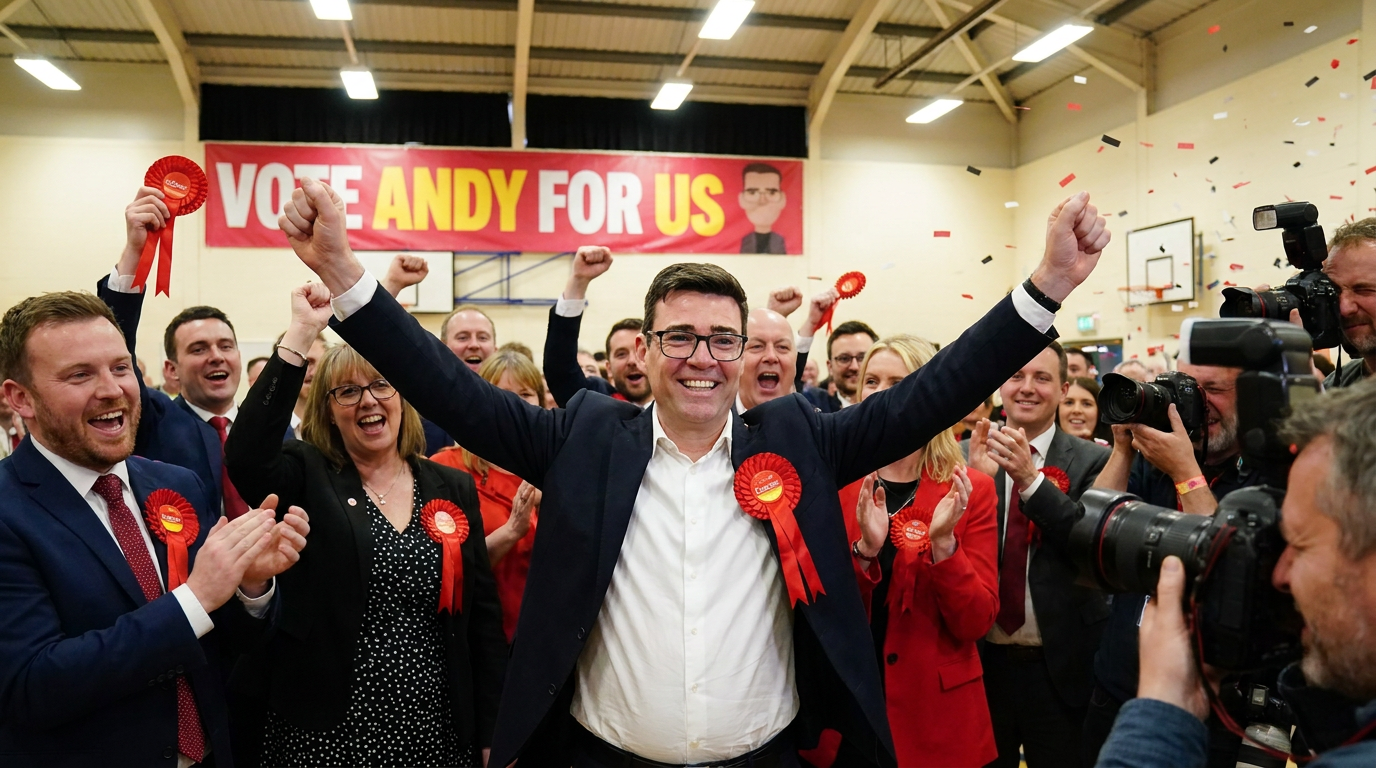
Andy Burnham Wins Makerfield By-Election, Clearing Path to Challenge UK Prime Minister Keir Starmer
8 sources
US-Iran Deal
U.S. and Iran Sign Interim Peace Deal, Lifting Blockade as 60-Day Negotiation Window Opens
12 sources

Iran Nuclear Talks
Vance Postpones Switzerland Trip for Iran Nuclear Talks Amid Friction with Israel and EU Sanctions Stance
8 sources
Every angle. Every day.
Get news politics stories with full source coverage and perspective breakdowns delivered to your inbox.