
U.S. and Iran Sign Interim Peace Deal, Lifting Blockade as 60-Day Negotiation Window Opens
The U.S. and Iran have signed the Islamabad Memorandum of Understanding to end military hostilities, lifting the naval blockade on the Strait of Hormuz. However, the fragile pact faces immediate hurdles over proposed Iranian transit fees and fierce opposition from Israel.
By Factlen Editorial Team
- U.S. Administration
- Seeking a diplomatic resolution to end a costly war, reopen global trade routes, and secure a foreign policy win.
- Israeli Leadership
- Viewing the deal as an existential threat that rewards Iranian aggression and ignores the ongoing threat from Hezbollah.
- Iranian Government
- Claiming victory, seeking immediate sanctions relief, and asserting sovereign control over maritime routes.
- Global Shipping & Trade
- Concerned about maritime security, proposed transit fees, and the precedent of weaponizing global chokepoints.
- European Mediators
- Cautiously optimistic but demanding verifiable nuclear compliance monitored by the IAEA before lifting sanctions.
What's not represented
- · Lebanese Civilians
- · Gulf Arab States (UAE/Saudi Arabia)
Why this matters
The interim agreement temporarily halts a major Middle Eastern war and reopens a critical artery for global oil supplies. However, the deep rift it has caused between the U.S. and Israel, combined with unresolved disputes over maritime fees and nuclear inspections, means the threat of renewed global economic disruption remains high.
Key points
- The U.S. and Iran signed the Islamabad Memorandum of Understanding to end the war that began in February 2026.
- The deal relies on a 'freeze for freeze' mechanism, pausing Iran's nuclear program and halting new U.S. sanctions.
- The U.S. lifted its naval blockade, but Iran plans to charge maritime fees in the Strait of Hormuz after 60 days.
- Israeli leaders fiercely reject the deal, refusing to halt military operations against Hezbollah in Lebanon.
- Vice President JD Vance postponed a trip to Switzerland for technical talks amid logistical hurdles and regional tensions.
After months of intense military hostilities that destabilized the Middle East and rattled global energy markets, the United States and Iran have electronically signed the "Islamabad Memorandum of Understanding." Brokered by Pakistani mediators, the interim agreement aims to formally end the war that erupted between the two nations in February 2026. The framework establishes a 60-day window for technical negotiations, creating diplomatic space to address Iran's nuclear program, international sanctions, and regional security. The signing marks a sudden de-escalation in a conflict that had drawn in multiple regional actors and severely disrupted international maritime trade.[1][6][7]
At the core of the memorandum is a "freeze for freeze" mechanism designed to build initial confidence between Washington and Tehran. Under paragraph nine of the agreement, Iran has committed to maintaining the current status quo of its nuclear development program, halting any further uranium enrichment advances. In exchange, the United States has agreed not to impose any new economic sanctions and to pause further military deployments to the region. This interim measure bypasses the immediate need for a comprehensive treaty, instead prioritizing a halt to the escalatory cycle while negotiators attempt to hammer out a permanent resolution.[10][11]
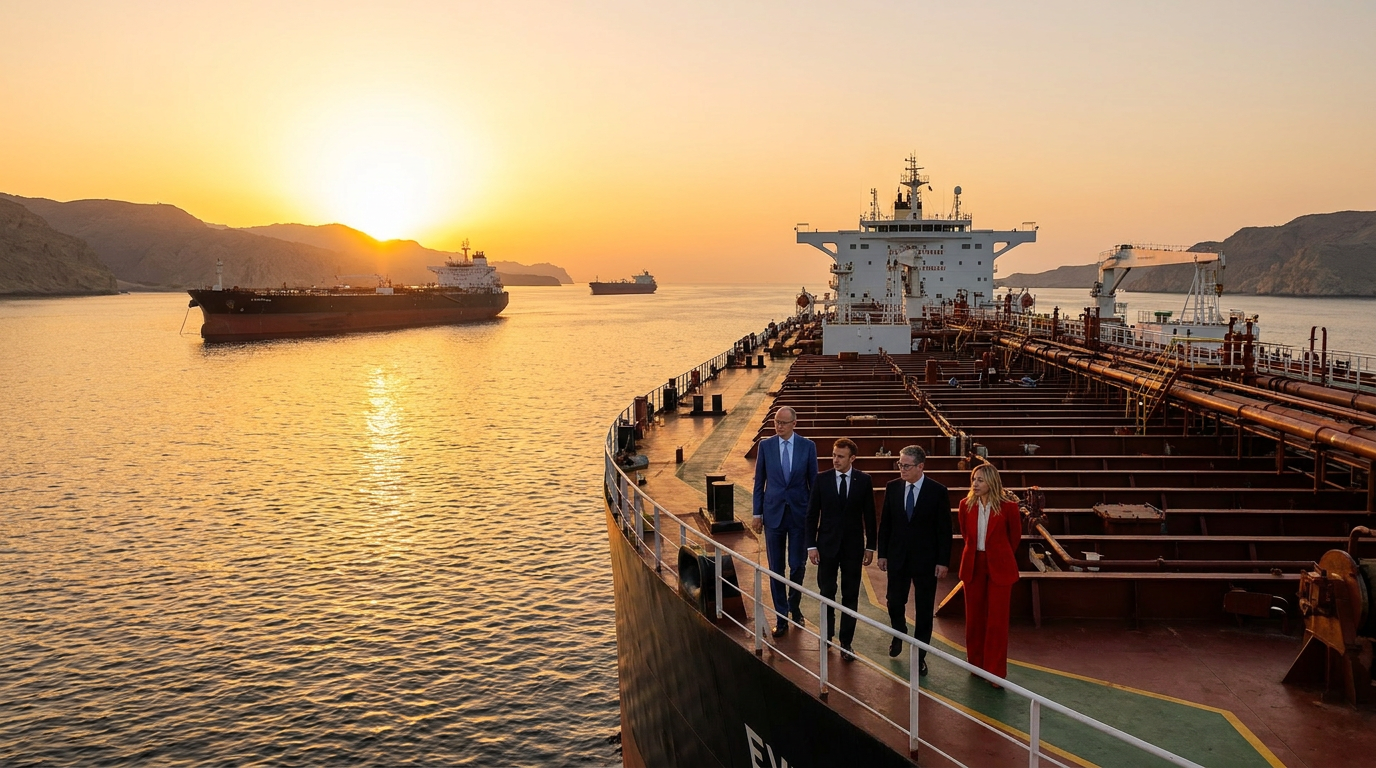
The most immediate and visible consequence of the agreement has been the lifting of the U.S. naval blockade on Iranian ports. Within hours of the memorandum's signing, commercial oil tankers and cargo vessels began freely transiting the Strait of Hormuz, a critical maritime chokepoint that handles a significant portion of the world's seaborne oil. U.S. Central Command confirmed that over a dozen ships had been allowed through the previously restricted zones, signaling Washington's compliance with the early phases of the pact. The resumption of traffic offers a critical reprieve to global supply chains that had been forced to reroute or halt operations during the blockade.[1][2][12]

However, the long-term administration of the Strait of Hormuz remains a deeply contested issue that threatens to derail the broader peace effort. While the U.S. administration has publicly insisted that the waterway will be permanently toll-free, Iranian officials have announced plans to introduce a system of maritime fees once the 60-day negotiation period concludes. Iran's chief negotiator, Mohammad Bagher Ghalibaf, argued that the strait requires active management and that fees would be charged in exchange for unspecified maritime services. Tehran maintains that any long-term agreement must preserve its sovereign right to regulate commercial traffic through its adjacent waters.[2][8]
The prospect of Iranian fees has alarmed the global shipping industry and international trade monitors. Maersk CEO Vincent Clerc warned that allowing any nation to weaponize a geographical chokepoint and leverage it for financial gain would set a dangerous precedent for international shipping. The ambiguity over whether these proposed charges constitute illegal transit tolls or legitimate service fees remains unresolved. Furthermore, maritime security experts note that the strait still requires extensive demining operations to clear ordnance left over from the recent conflict, a costly process that complicates the immediate return to normal commercial insurance premiums.[8][9]
The prospect of Iranian fees has alarmed the global shipping industry and international trade monitors.
Beyond maritime security, the memorandum envisions significant U.S. sanctions relief, potentially unfreezing billions of dollars in Iranian assets and issuing waivers for the export of Iranian crude oil. Yet, dismantling the complex web of international restrictions will require more than bilateral consensus between Washington and Tehran. Iran currently faces a multi-layered regime of sanctions, trade embargoes, and asset freezes imposed not only by the United States but also by the United Nations and the European Union. These restrictions target everything from ballistic missile development to the Islamic Revolutionary Guard Corps and the Iranian financial sector's access to the SWIFT banking system.[4][11]
The broader European Union has adopted a guarded stance regarding the timeline for this economic relief. EU foreign policy chief Kaja Kallas clarified that while the lifting of European sanctions could be addressed if a comprehensive nuclear deal is finalized, the bloc is "not there yet." Kallas emphasized that member states will only discuss the appropriateness of sanctions relief once conditions on the ground allow for it. This European hesitation underscores the reality that U.S. executive action alone cannot fully reintegrate Iran into the global economy without the cooperation of international financial institutions and allied governments.[4][12]

While European allies urge caution, the most volatile reaction to the interim peace deal has emerged from Israel, where leaders view the U.S.-Iran rapprochement as an existential threat. The Israeli government has fiercely rejected the memorandum's stipulation that military operations must cease on all fronts, particularly concerning the ongoing conflict in Lebanon. Prime Minister Benjamin Netanyahu and his coalition partners have made it clear that Israel does not consider itself bound by an agreement that leaves Hezbollah's military infrastructure intact. Israeli forces have continued to carry out strikes in southern Lebanon, insisting on maintaining a security buffer zone regardless of the Washington-Tehran pact.[2][5][7]
The outrage in Israel spans the entire political spectrum, uniting hardline coalition members and centrist opposition figures in their condemnation of the deal. National Security Minister Itamar Ben-Gvir and Finance Minister Bezalel Smotrich both declared that Israel is an independent state, not a "banana republic," and will continue its campaign against Iranian proxies alone if necessary. Meanwhile, opposition leader Yair Lapid accused the Netanyahu government of mismanaging the U.S. alliance, arguing that the prime minister's policies resulted in a crisis with Washington while leaving Israel isolated with ballistic missiles still aimed at its territory.[5][7]
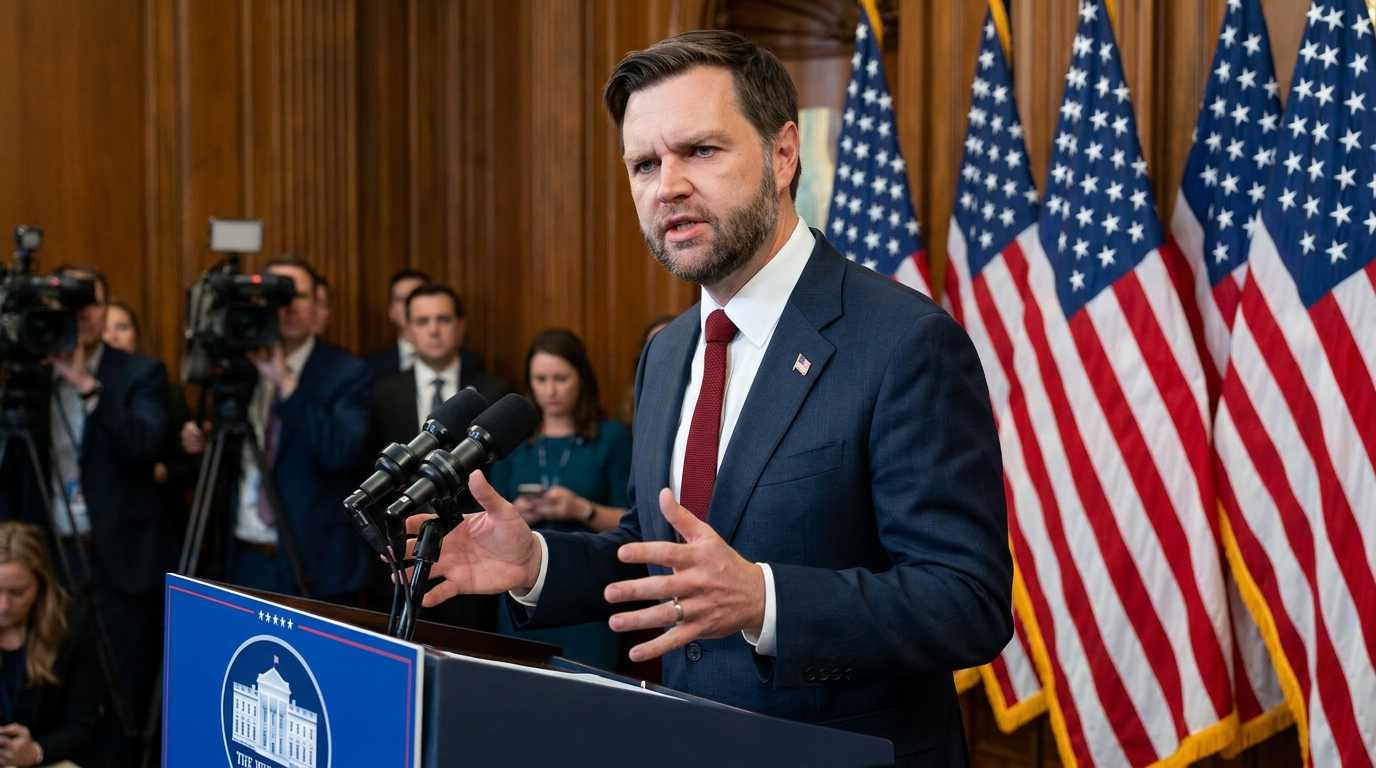
This Israeli defiance has provoked an unusually sharp public rebuke from the White House, exposing a severe and widening rift between Washington and its closest Middle Eastern ally. Vice President JD Vance criticized what he described as a "weird panic" in Israel, warning Israeli cabinet members to "wake up and smell the reality" of their international isolation. In a stark reminder of the underlying power dynamic, Vance pointedly noted that two-thirds of the defensive weapons utilized by Israel over the past three months were financed by American taxpayers. He cautioned Israeli leaders against attacking the Trump administration, which he characterized as their only remaining sympathetic ally.[3][12]

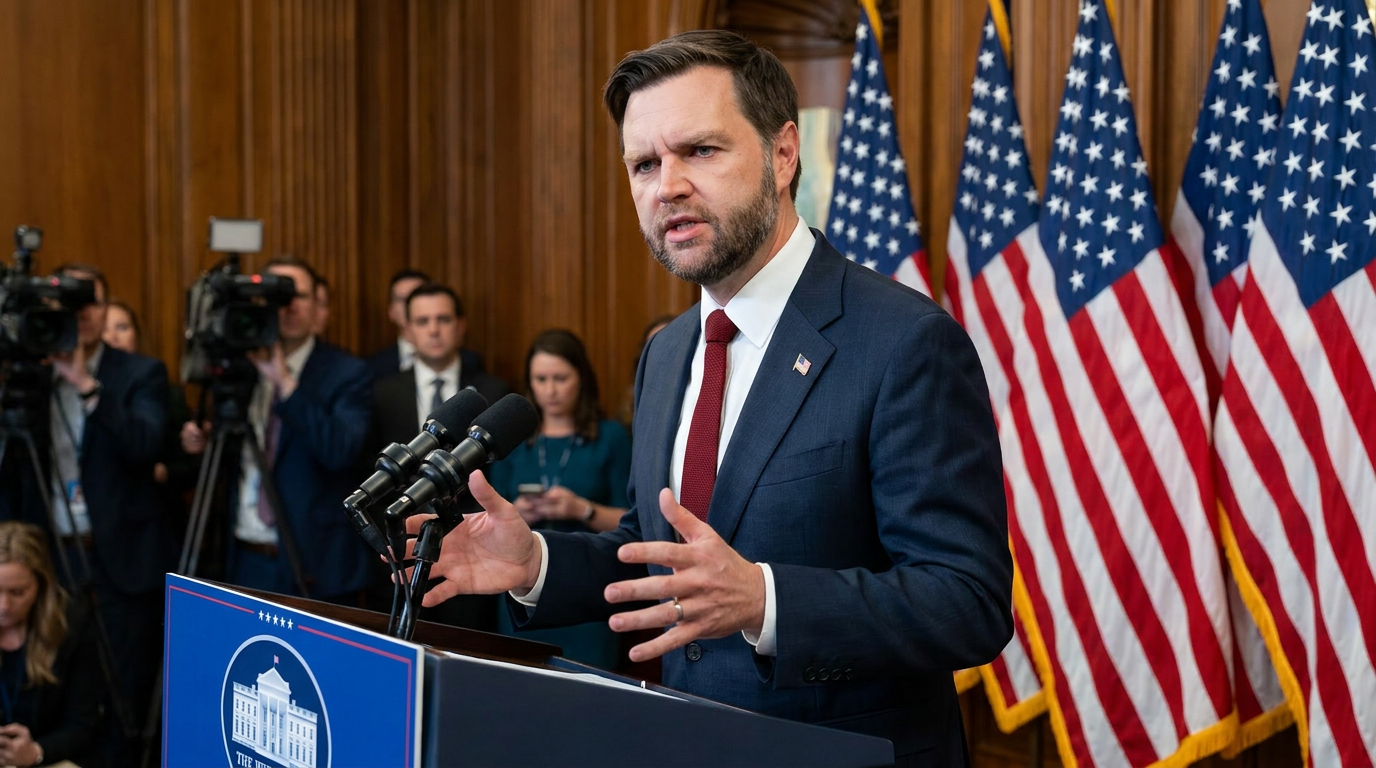
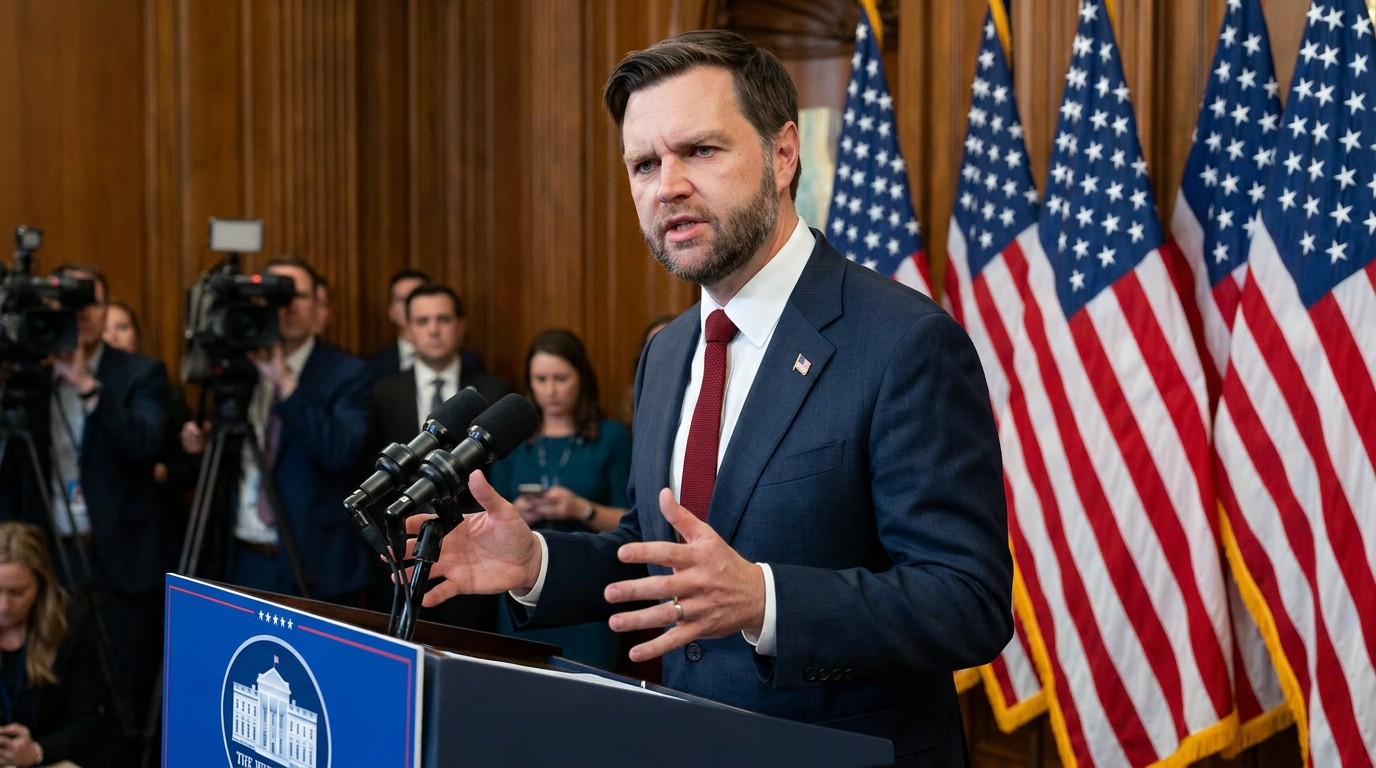
Despite the formal signing of the memorandum, the transition from a fragile ceasefire to a permanent diplomatic resolution has already encountered significant logistical and political hurdles. Vice President Vance was scheduled to travel to Switzerland to lead the U.S. delegation in the initial round of technical talks, but the White House abruptly postponed the trip late Thursday. Officials cited the unpredictable logistics of the negotiations, while regional reports indicated that Iran was delaying the dispatch of its own delegation in direct protest of Israel's ongoing military strikes in Lebanon.[1][5]
Tehran has reportedly warned U.S. mediators that any continued Israeli incursions deep into Lebanese territory would constitute a clear violation of the memorandum's first article, threatening to collapse the negotiations before they even begin. The success of the Islamabad MoU now hinges on whether the U.S. can simultaneously manage Iranian expectations for swift economic relief and restrain an Israeli government that feels abandoned by the pact. If the 60-day window expires without a finalized framework, the region risks sliding back into the devastating hostilities that defined the early months of 2026.[2][5]
How we got here
Feb 28, 2026
U.S. and Israel launch military operations against Iran, sparking a major regional war.
Apr 8, 2026
An initial ceasefire comes into effect, pausing the heaviest fighting.
Jun 17, 2026
The U.S. and Iran electronically sign the Islamabad Memorandum of Understanding.
Jun 18, 2026
The U.S. lifts its naval blockade, allowing commercial ships to resume transit through the Strait of Hormuz.
Jun 18, 2026
Vice President JD Vance postpones his trip to Switzerland for technical talks amid regional tensions over Lebanon.
Viewpoints in depth
U.S. Administration's view
The agreement is a necessary step to end a costly war and stabilize global energy markets.
Washington views the Islamabad Memorandum as a pragmatic triumph that halts a dangerous regional escalation. By securing a 'freeze for freeze' on Iran's nuclear program and reopening the Strait of Hormuz, the administration argues it has protected global supply chains without conceding permanent leverage. U.S. officials emphasize that economic relief is strictly conditional on Iranian compliance, framing the 60-day window as a test of Tehran's willingness to engage in substantive diplomacy rather than a capitulation.
Israeli Leadership's view
The deal is an existential threat that rewards Iranian aggression and ignores the Hezbollah threat.
Across the political spectrum, Israeli leaders see the U.S.-Iran pact as a dangerous abandonment of their security needs. They argue the agreement provides Tehran with an economic lifeline while failing to dismantle its nuclear infrastructure. More immediately, Israel vehemently rejects the notion that the ceasefire applies to its northern front with Lebanon, insisting that it must maintain the freedom to strike Hezbollah. The Israeli government views the U.S. pressure to comply with the deal as a betrayal of their alliance.
Iranian Government's view
The agreement is a historic victory that forces the U.S. to lift its blockade and recognize Iranian sovereignty.
Tehran is framing the memorandum as a capitulation by the United States, highlighting the lifting of the naval blockade as proof of Iran's regional dominance. Iranian officials argue that they have successfully defended their right to manage the Strait of Hormuz, signaling their intent to charge transit fees as a matter of national sovereignty. For Iran, the 60-day window is an opportunity to secure billions in unfreezed assets and sanctions waivers, which they view as long-overdue compensation for years of Western economic pressure.
European Union's view
Sanctions relief must be contingent on a finalized, verifiable nuclear agreement monitored by the IAEA.
European powers are cautiously optimistic about the cessation of hostilities but remain deeply skeptical of immediate economic normalization. The EU and the E4 nations stress that the interim 'freeze for freeze' is not a substitute for a comprehensive nuclear treaty. They argue that any lifting of European sanctions or reintegration of Iranian banks into the SWIFT system must be preceded by unfettered access for IAEA inspectors. Europe is positioning itself as the rigorous enforcer of nuclear compliance, unwilling to match the rapid pace of U.S. executive waivers.
What we don't know
- Whether Iran will actually implement transit fees in the Strait of Hormuz after the 60-day window, and how the U.S. would respond.
- If Israel will escalate its strikes in Lebanon to the point of collapsing the fragile U.S.-Iran negotiations.
- How quickly the U.S. Treasury will issue waivers for Iranian oil exports and unfreeze restricted assets.
Key terms
- Islamabad Memorandum of Understanding
- The interim peace framework signed between the U.S. and Iran to end military hostilities and outline a 60-day negotiation period.
- Freeze for freeze
- A diplomatic mechanism where both sides agree to halt escalatory actions—Iran freezing its nuclear program and the U.S. freezing new sanctions.
- Strait of Hormuz
- A highly strategic maritime chokepoint between the Persian Gulf and the Gulf of Oman, through which a significant portion of the world's oil passes.
- E4
- A diplomatic grouping consisting of the United Kingdom, France, Germany, and Italy, often coordinating European foreign policy on Iran.
- SWIFT system
- The global financial messaging network that facilitates international bank transfers, from which many Iranian banks remain disconnected due to sanctions.
Frequently asked
What is the 'freeze for freeze' agreement?
Iran agrees to halt advances in its nuclear program, while the U.S. agrees not to impose new economic sanctions or deploy additional forces to the region.
Is the Strait of Hormuz fully open now?
The U.S. has lifted its naval blockade allowing commercial ships to pass, but Iran plans to implement transit fees in 60 days, and the waterway still requires extensive demining.
Why is Israel opposed to the deal?
Israeli leaders argue the agreement leaves Iran's nuclear infrastructure intact and fails to address the threat from Hezbollah in Lebanon, where Israel is currently conducting military operations.
Will international sanctions on Iran be lifted immediately?
No. While the U.S. may issue waivers for oil exports, the European Union and the UN require a formal, finalized nuclear agreement and verifiable IAEA compliance before lifting their sanctions.
Sources
Source coverage
12 outlets
5 viewpoints surfaced












[1]CBS NewsU.S. Administration
U.S.-Iran deal signing sets stage for nuclear negotiations, but Vance no longer leaving tonight for talks
Read on CBS News →[2]The GuardianEuropean Mediators
Iran announces plans to bring in maritime fees for strait of Hormuz
Read on The Guardian →[3]Washington PostU.S. Administration
Vance warns Israel against criticizing US-Iran deal
Read on Washington Post →[4]ReutersEuropean Mediators
Factbox-What sanctions are there on Iran and will they be lifted?
Read on Reuters →[5]Jerusalem PostIsraeli Leadership
JD Vance cancels flight to Switzerland ahead of planned US-Iran talks due to logistical issues
Read on Jerusalem Post →[6]Anadolu AgencyIranian Government
Iran says traffic through Strait of Hormuz 'will be increased gradually'
Read on Anadolu Agency →[7]Middle East EyeEuropean Mediators
'Israel is weaker': Israeli political class reacts angrily to the US-Iran peace deal
Read on Middle East Eye →[8]SupplyChainBrainGlobal Shipping & Trade
Iran Announces Plan to Charge Fees in Strait of Hormuz
Read on SupplyChainBrain →[9]Chatham HouseGlobal Shipping & Trade
The Strait of Hormuz is not open, nor is it close to opening
Read on Chatham House →[10]Just Security
The US-Iran Memorandum of Understanding: A Freeze for Freeze
Read on Just Security →[11]Clyde & CoGlobal Shipping & Trade
Sanctions Impact: U.S. and Iran enter into MOU
Read on Clyde & Co →[12]Iran InternationalIranian Government
EU says 'not there yet' on lifting Iran sanctions
Read on Iran International →

More in news politics
See all 6 stories →US-Iran Deal
Vance Delays Switzerland Trip for Iran Nuclear Talks Amid Shaky Lebanon Ceasefire
8 sources
Labour Leadership
Andy Burnham Wins Makerfield By-Election, Clearing Path to Challenge UK Prime Minister Keir Starmer
8 sources

U.S.-Iran Deal
U.S. and Iran Sign Preliminary Ceasefire Deal as Rift Widens Between Washington and Israel
8 sources
Iran Nuclear Talks
Vance Postpones Switzerland Trip for Iran Nuclear Talks Amid Friction with Israel and EU Sanctions Stance
8 sources
Every angle. Every day.
Get news politics stories with full source coverage and perspective breakdowns delivered to your inbox.