
U.S. Lifts Blockade as Iran Deal Enters 60-Day Window Amid Tensions Over Lebanon Ceasefire
The U.S. and Iran have initiated a 60-day negotiation window following the signing of a preliminary peace agreement, lifting the naval blockade on the Strait of Hormuz. However, delayed technical talks in Switzerland and fierce Israeli opposition to a mandated ceasefire in Lebanon threaten to complicate the historic diplomatic effort.
By Factlen Editorial Team

- U.S. Administration
- Views the memorandum as a historic breakthrough that ends a costly war and secures Iranian nuclear concessions, demanding regional allies accept the broader peace framework.
- Israeli Security Establishment
- Sees the agreement as a strategic risk that leaves Hezbollah intact on their northern border, arguing that maintaining a security buffer in southern Lebanon is an existential necessity.
- Iranian Leadership
- Frames the lifting of the blockade as a historic victory and insists that any long-term agreement must include the complete withdrawal of Israeli forces from Lebanon.
- International Community
- Urges an immediate halt to all peripheral conflicts, particularly in Lebanon, to prevent the fragile U.S.-Iran diplomatic framework from collapsing.
What's not represented
- · Lebanese Civilians
- · Global Shipping Companies
Why this matters
The successful implementation of this peace deal would end a major regional war, stabilize global oil prices, and reshape Middle Eastern geopolitics. However, failure to enforce the agreement's terms—particularly regarding Iran's nuclear program and the conflict in Lebanon—could trigger a devastating resumption of hostilities and a renewed global energy crisis.
Key points
- The U.S. and Iran have signed the Islamabad Memorandum of Understanding, triggering a 60-day negotiation window.
- U.S. Central Command lifted its naval blockade, allowing commercial vessels to resume transit through the Strait of Hormuz.
- Vice President JD Vance delayed a trip to Switzerland for technical talks, citing logistical challenges.
- The agreement requires a complete ceasefire on all fronts, including the conflict between Israel and Hezbollah in Lebanon.
- Vice President Vance sharply rebuked Israeli officials for criticizing the deal, reminding them of U.S. financial and military support.
The United States and Iran have officially enacted the "Islamabad Memorandum of Understanding," a preliminary framework designed to halt the four-month war that began in February 2026. Signed remotely by President Donald Trump and Iranian President Masoud Pezeshkian, the agreement triggers a 60-day negotiation window aimed at securing a permanent peace treaty. The sudden diplomatic breakthrough marks a sharp pivot from months of escalating military confrontation, shifting the focus toward complex technical negotiations and regional realignments. The deal's immediate implementation relies on a delicate sequence of reciprocal concessions, testing the fragile trust between Washington and Tehran.[2][4]
The immediate mechanism of the truce centers on maritime commerce and the restoration of global shipping routes. U.S. Central Command has officially lifted its naval blockade on Iranian ports, allowing commercial vessels and oil tankers to resume transit through the Strait of Hormuz. This critical maritime chokepoint, located between the Persian Gulf and the Gulf of Oman, handles roughly one-fifth of global oil supplies. The blockade's removal immediately eased international energy markets, with oil prices dropping to their lowest levels since March as tankers began freely navigating the channel for the first time in months.[1][4]
In exchange for the blockade's removal, Iran's Supreme National Security Council announced it will suspend all transit fees for ships navigating the strait during the 60-day window. The Iranian government has pledged to subsidize the costs of maritime operations internally to comply with the memorandum's requirement for unimpeded commercial traffic. Pakistani mediators, who helped broker the initial framework, confirmed that the Persian Gulf Waterway Management authority has been instructed to issue transit permits as rapidly as possible to clear the backlog of waiting vessels.[3][4]
However, a significant point of friction remains over the long-term status of the waterway once the temporary truce expires. While President Trump has publicly insisted the strait will remain permanently "toll-free," Iranian foreign ministry officials have stated they plan to implement "maritime service fees" after the 60 days. Tehran argues these charges will cover navigational assistance, ship insurance, and environmental protection, rather than acting as a transit toll. Western analysts and U.S. officials view the distinction as largely semantic, setting the stage for a major clash during the upcoming diplomatic talks.[3]

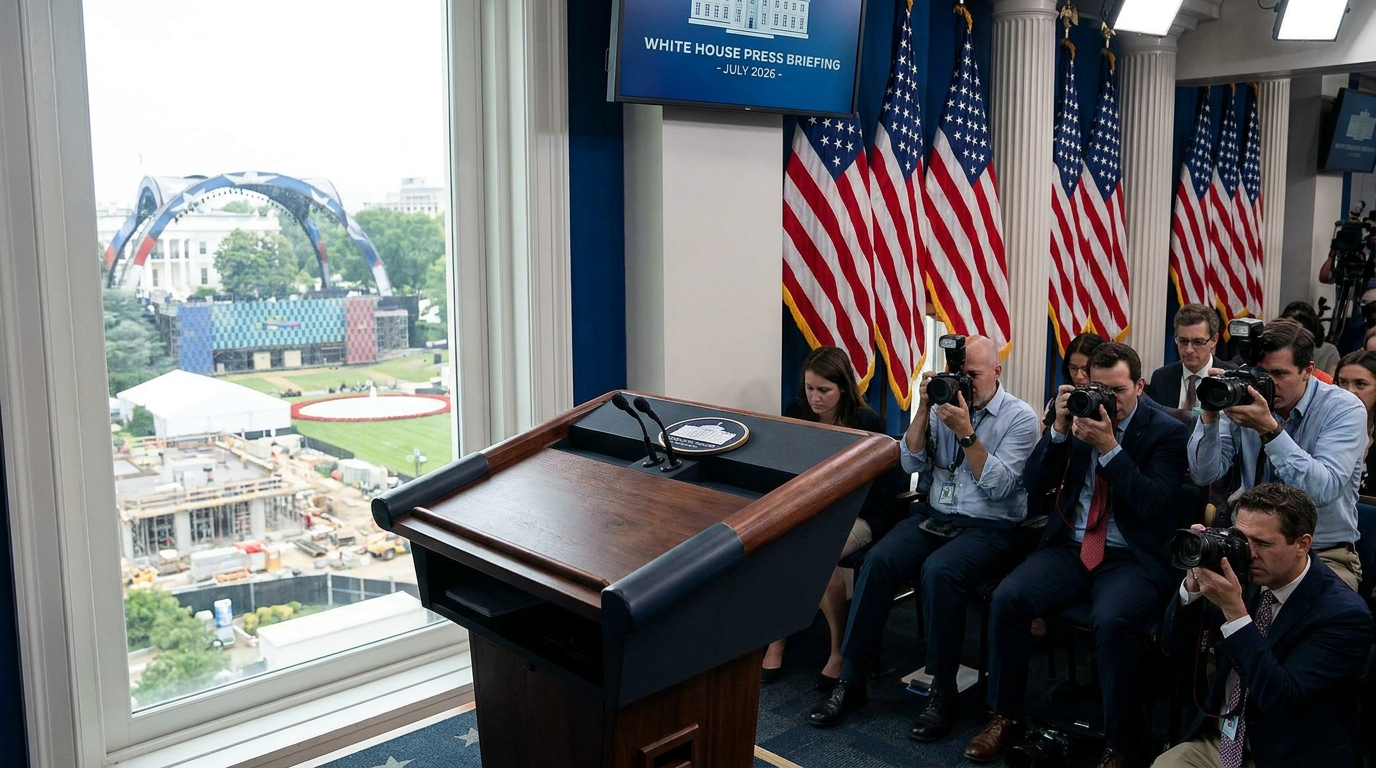
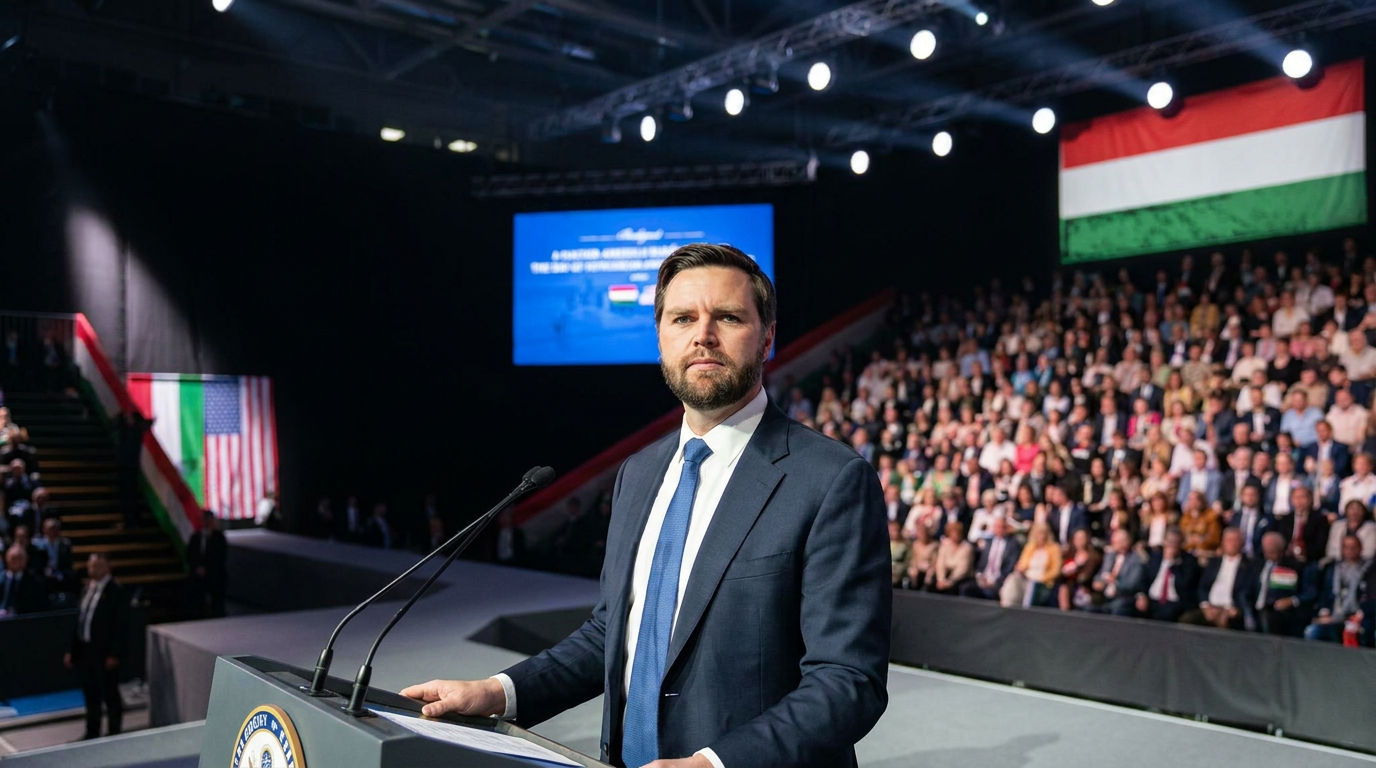
The transition from a battlefield truce to diplomatic negotiations hit an early logistical hurdle when Vice President JD Vance postponed a planned trip to Switzerland. Vance was scheduled to lead the U.S. delegation in technical talks regarding the implementation of the memorandum, including a ceremonial signing event in Geneva. The sudden delay highlighted the immense practical difficulties of coordinating direct diplomatic engagement between two nations that have lacked formal relations for decades and were actively at war just days prior. The White House was forced to issue a late-night clarification regarding the vice president's travel schedule.[2][6][8][9]
The White House attributed the delay strictly to the complex logistics of coordinating with the Iranian delegation, pushing back against speculation that the deal was already unraveling. A spokesperson noted that the U.S. team is prepared to depart for Geneva as soon as their counterparts are ready to travel. Iranian state media reported that Tehran's negotiators were waiting to see concrete signs of the U.S. implementing the interim agreement—specifically the lifting of the naval blockade—before committing to a firm timeline for the face-to-face meetings.[2][6][8]
When the technical talks do commence, they will address the core mechanisms of the conflict's resolution: the verifiable dismantling of Iran's nuclear program and the establishment of a proposed $350 billion reconstruction fund. This massive financial vehicle, expected to be backed by Gulf states and private investors, is intended to rebuild Iranian infrastructure devastated by the war. However, the economic relief is entirely contingent on Tehran's strict adherence to nuclear disarmament, with U.S. officials demanding the complete destruction of Iran's enriched uranium stockpile.[2][3]
Beyond the bilateral U.S.-Iran dynamic, the memorandum explicitly demands a "complete ceasefire on all fronts." This sweeping clause directly implicates the ongoing conflict between Israel and Hezbollah, the heavily armed, Iranian-backed militant group operating out of Lebanon. President Trump reinforced this requirement on social media, stating that the U.S. expects an immediate halt to hostilities across the entire Middle East to allow the broader peace negotiations to unfold without the disruption of peripheral proxy wars. The inclusion of Lebanon in the bilateral U.S.-Iran text underscores how deeply intertwined the region's various conflicts have become.[2][7]
President Trump reinforced this requirement on social media, stating that the U.S.
The regional ceasefire condition has exposed a severe and increasingly public rift between the Trump administration and the Israeli government led by Prime Minister Benjamin Netanyahu. The U.S. expects the agreement to force an end to Israeli military operations in Lebanon, viewing the northern front as a dangerous flashpoint that could derail the entire Iran deal. Conversely, Israel views the presence of Hezbollah forces on its border as a separate, existential security imperative that cannot be dictated by a treaty to which Jerusalem is not a signatory.[1][5]

Netanyahu has publicly insisted that Israel will maintain its "security zone"—a roughly 600-square-kilometer area in southern Lebanon currently occupied by Israeli troops—as long as necessary to protect its northern residents from Hezbollah rocket fire. This hardline stance directly contradicts Iran's assertion that any ongoing Israeli military presence in Lebanon violates the terms of the U.S.-brokered deal. The standoff places Washington in the difficult position of having to restrain its closest Middle Eastern ally to preserve its diplomatic breakthrough with its primary regional adversary.[2][3]
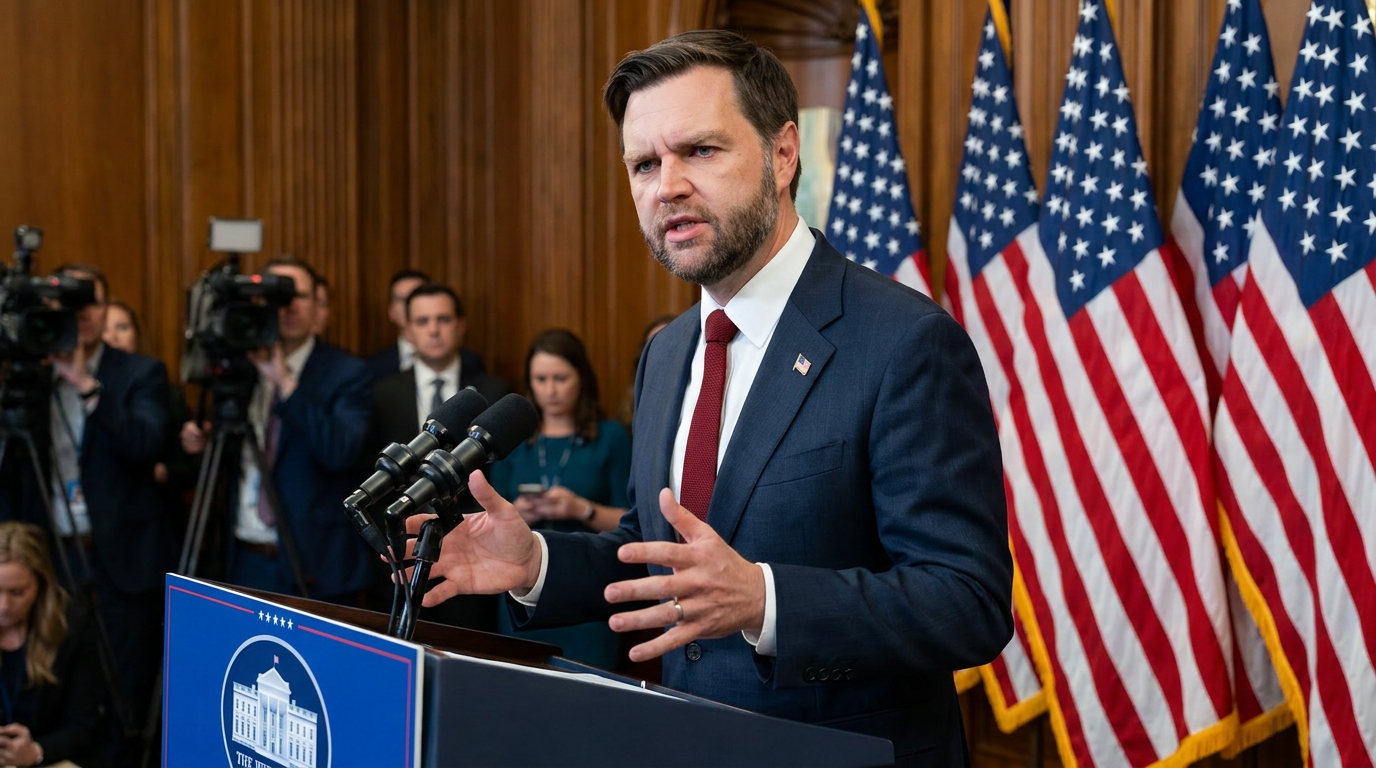
In response to intense criticism from Israeli cabinet members regarding the Iran deal, Vice President Vance delivered an unusually sharp public rebuke from the White House briefing room. The exchange marked one of the most direct and hostile public confrontations between the two allied nations in recent history. Vance expressed visible frustration with Israeli officials who accused the Trump administration of abandoning Israel's security interests in the pursuit of a legacy-defining peace treaty with Tehran, warning them that their public attacks were counterproductive.[1][5]
Vance bluntly reminded Israeli officials that "two-thirds" of the defensive weapons protecting their country over the past several months were built and paid for by American taxpayers. He suggested that if he were serving in the Israeli cabinet, he would strongly advise against attacking the "only powerful ally" Israel has left in the world. The vice president's comments underscored a growing sentiment within the administration that American military and financial support should guarantee Israeli compliance with broader U.S. strategic objectives in the region.[1][5]
The vice president further asserted that President Trump is the only world leader currently sympathetic to Israel's position, urging critics in Jerusalem to "wake up and smell the reality" of their growing international isolation. Vance argued that the ultimate goal of the Iran deal is regional peace and the elimination of Tehran's nuclear threat, which inherently benefits Israeli security. He called on both Israel and Hezbollah to honor their end of the bargain, demanding that the Lebanese government do more to rein in the militant group's activities.[1][5]
Despite the intense public friction, diplomatic backchannels paint a slightly different picture of the Israeli prime minister's calculations. Reports indicate that Netanyahu has privately told American officials the deal could be a "home run" if Iran fully complies with its terms, particularly regarding the complete destruction of its enriched uranium stockpile. This private optimism suggests that Netanyahu's public defiance may be partly aimed at managing his fragile right-wing coalition, which includes hardline ministers demanding a continuation of the war in Lebanon.[5]

The broader Israeli security establishment, however, remains deeply skeptical of the diplomatic framework. Military leaders reportedly view the agreement as a strategic vulnerability that leaves Hezbollah's vast tunnel networks and missile infrastructure largely intact on their northern border. Defense officials argue that forcing Israel to rely on international guarantees rather than active military deterrence sets a dangerous precedent, leaving the country exposed if Iran uses the 60-day window to covertly rebuild its proxy networks. They warn that a premature withdrawal from southern Lebanon could invite a devastating future attack.[5]
The international community has rallied behind the peace effort, recognizing the extreme fragility of the current pause in fighting. G7 leaders meeting in France issued a joint statement welcoming the U.S.-Iran memorandum while urgently calling for an immediate ceasefire in Lebanon. European diplomats fear that continued skirmishes between the Israel Defense Forces and Hezbollah could provide hardliners in Tehran with the perfect pretext to walk away from the negotiating table and resume their nuclear enrichment activities. The G7 emphasized that Lebanon's territorial integrity must be protected with appropriate international security guarantees.[7]
The ultimate success of the agreement hinges on the verification mechanisms established during the upcoming Swiss talks. A Trump administration envoy recently briefed U.S. lawmakers that Iran intends to invite the United Nations' nuclear watchdog agency to inspect its facilities, a crucial step in proving compliance. However, verifying the destruction of enriched uranium and ensuring the Strait of Hormuz remains truly toll-free will require unprecedented transparency from a regime that has historically obfuscated its strategic capabilities. The technical details of these inspections will likely dominate the agenda once the delegations finally meet in Geneva.[2][6]
The next 60 days will serve as a high-stakes test of whether the preliminary framework can evolve into a durable, comprehensive treaty. If the negotiations succeed, it could mark a historic realignment in Middle Eastern geopolitics, ending decades of hostility and integrating Iran into the regional economy through the proposed reconstruction fund. If they fail, the U.S. has explicitly threatened to reimpose the naval blockade and resume military action, plunging the region back into a devastating conflict with profound global economic consequences. The world now watches as diplomats attempt to bridge the massive divide.[4][7]
How we got here
February 2026
The U.S. and Israel launch a military campaign against Iran, leading to a U.S. naval blockade of Iranian ports.
June 17, 2026
The U.S. and Iran remotely sign the Islamabad Memorandum of Understanding to halt hostilities.
June 18, 2026
U.S. Central Command lifts the naval blockade, and commercial vessels resume transit through the Strait of Hormuz.
June 19, 2026
Vice President JD Vance postpones a planned trip to Switzerland for technical talks, citing logistical delays.
Viewpoints in depth
U.S. Administration's View
The Trump administration views the memorandum as a historic breakthrough that ends a costly war and secures Iranian nuclear concessions.
U.S. officials argue that the Islamabad Memorandum of Understanding represents a monumental diplomatic victory that stabilizes global energy markets and paves the way for Iran's verifiable nuclear disarmament. The administration maintains that regional allies, including Israel, must accept the broader peace framework and cease peripheral conflicts that threaten the deal. Vice President JD Vance has emphasized that American military and financial support should guarantee compliance with these broader strategic objectives, warning that public attacks from allies are counterproductive to achieving long-term regional stability.
Israeli Government's View
Israeli officials see the agreement as a strategic risk that leaves Hezbollah intact on their northern border.
The Israeli security establishment, led by Prime Minister Benjamin Netanyahu, views the mandated ceasefire in Lebanon as an unacceptable infringement on their national sovereignty. They argue that maintaining a 600-square-kilometer security buffer in southern Lebanon is an existential necessity to protect northern Israeli residents from Hezbollah rocket fire, regardless of U.S.-Iran diplomatic timelines. Defense officials warn that forcing Israel to rely on international guarantees rather than active military deterrence leaves the country dangerously exposed if Iran uses the 60-day window to covertly rebuild its proxy networks.
Iranian Government's View
Tehran frames the lifting of the blockade as a historic victory and insists on the complete withdrawal of Israeli forces from Lebanon.
Iranian leadership considers the U.S. decision to lift the naval blockade as a significant capitulation and a vindication of their resistance strategy. They maintain that any long-term peace agreement is strictly contingent on the complete withdrawal of Israeli forces from Lebanese territory, viewing the ongoing occupation as a direct violation of the memorandum. Furthermore, Tehran asserts that its plan to implement maritime service fees in the Strait of Hormuz is a legitimate exercise of its sovereign right to cover the costs of navigational and environmental assistance, rejecting U.S. claims that the waterway must remain entirely toll-free.
What we don't know
- Whether Iran will fully comply with the destruction of its enriched uranium stockpile during the 60-day window.
- How the U.S. will respond if Israel refuses to withdraw its forces from the security zone in southern Lebanon.
- Whether the proposed 'maritime service fees' in the Strait of Hormuz will ultimately be accepted by the international shipping community.
Key terms
- Islamabad Memorandum of Understanding
- A preliminary framework signed remotely by the U.S. and Iran to halt the war and set terms for a permanent peace treaty.
- Strait of Hormuz
- A critical maritime chokepoint between the Persian Gulf and the Gulf of Oman, handling roughly one-fifth of the world's oil supply.
- Maritime Service Fees
- Proposed Iranian charges for navigational and environmental assistance in the Strait of Hormuz, which critics argue are de facto transit tolls.
- Security Zone
- A roughly 600-square-kilometer area in southern Lebanon currently occupied by Israeli forces to prevent Hezbollah attacks on northern Israel.
Frequently asked
What is the Islamabad Memorandum of Understanding?
A preliminary agreement signed by the U.S. and Iran to pause hostilities, lift the naval blockade, and begin a 60-day negotiation window for a permanent treaty.
Why did JD Vance delay his trip to Switzerland?
The White House cited "logistics" for the delay, stating the U.S. delegation will depart as soon as Iranian negotiators are ready for technical talks.
Will ships have to pay to use the Strait of Hormuz?
Iran has suspended fees for 60 days, but plans to charge "maritime service fees" afterward, which the U.S. disputes, insisting the waterway remain toll-free.
How does the deal affect Israel and Lebanon?
The agreement requires a complete ceasefire on all fronts, including Lebanon, but Israel has insisted on maintaining its security zone in the south to buffer against Hezbollah.
Sources
Source coverage
9 outlets
4 viewpoints surfaced









[1]The Washington PostIsraeli Security Establishment
Vance slams Israeli reaction to Iran deal as U.S. military lifts blockade
Read on The Washington Post →[2]CBS NewsU.S. Administration
U.S.-Iran deal signing sets stage for nuclear negotiations, but Vance no longer leaving tonight for talks
Read on CBS News →[3]The GuardianIranian Leadership
Iran announces plans to bring in maritime fees for strait of Hormuz
Read on The Guardian →[4]Al JazeeraIranian Leadership
Iran war live: JD Vance delays trip to Switzerland for talks with Tehran
Read on Al Jazeera →[5]The Times of IsraelIsraeli Security Establishment
Report: Netanyahu avoided criticizing US-Iran deal in talks with American officials, said it could be 'home run'
Read on The Times of Israel →[6]Fox NewsU.S. Administration
Trump team halts Vance's Switzerland trip as Iran issues stark warning over deal
Read on Fox News →[7]TIMEInternational Community
G7 Leaders Call For 'Immediate Cease-Fire' in Lebanon as They Welcome U.S.-Iran Peace Deal
Read on TIME →[8]AxiosU.S. Administration
Vance postpones Iran talks trip to Switzerland
Read on Axios →[9]The New York TimesU.S. Administration
Vance Delays Trip to Switzerland for Direct Talks on Iran Deal
Read on The New York Times →
More in news politics
See all 5 stories →US-Iran Relations
US Delays Direct Iran Talks in Switzerland Amid Surging Lebanon Clashes
6 sources
U.S.-Iran Deal
Vance Delays Switzerland Trip for Iran Talks, Rebukes Israeli Critics of Peace Deal
8 sources
US-Iran Deal
Vance Delays Switzerland Trip for Iran Nuclear Talks Amid Shaky Lebanon Ceasefire
8 sources
Every angle. Every day.
Get news politics stories with full source coverage and perspective breakdowns delivered to your inbox.