
The Mechanics of Whole-Home Electrification: How Heat Pumps and Induction Are Reshaping Remodeling
As homeowners increasingly transition away from fossil fuels, whole-home electrification has become a central focus of modern remodeling. Understanding the technology, costs, and sequence of upgrades is key to a successful and cost-effective retrofit.
By Adrien Caron

In short
- Whole-home electrification replaces fossil-fuel appliances with highly efficient electric alternatives like heat pumps and induction stoves.
- Heat pumps provide both heating and cooling by transferring ambient thermal energy, significantly reducing energy consumption.
- A comprehensive home energy audit and weatherization should precede major appliance upgrades to maximize efficiency.
The American home remodel is undergoing a fundamental shift in 2026. While previous decades saw homeowners prioritizing granite countertops and open-concept living spaces, today’s major renovations are increasingly focused on what happens behind the walls and in the basement. Whole-home electrification—the process of replacing fossil-fuel-burning appliances with highly efficient electric alternatives—has moved from a niche environmental pursuit to a mainstream remodeling standard.[2]
The transition is driven by a combination of climate awareness, indoor air quality concerns, and a massive influx of federal incentives. But for the average homeowner, untangling the mechanics of heat pumps, induction stoves, and electrical panel upgrades can feel like navigating an engineering degree. Understanding the technology, the costs, and the optimal sequence of upgrades is the difference between a seamless transition and a logistical nightmare.[2]
The cornerstone of any electrification project is the air-source heat pump, which replaces both the traditional gas furnace and the central air conditioner. Unlike conventional heaters that burn fuel to generate warmth, heat pumps operate by moving heat from one place to another. Even in cold weather, ambient heat exists in the outside air; the heat pump extracts this thermal energy, compresses it to raise its temperature, and transfers it inside.
Because they transfer heat rather than create it, these systems are remarkably efficient. According to the Department of Energy, switching to an Energy Star-certified heat pump can drastically reduce a household's annual energy consumption, providing both heating and cooling from a single unit. However, the technology is not without its skeptics in the construction sector. The National Association of Home Builders points out that in cold climates, specialized cold-climate heat pumps are required, which can add $8,000 to $9,000 in upfront costs compared to a standard gas furnace.[1]
Inside the kitchen, the gas stove—long considered the gold standard for home chefs—is rapidly being replaced by the induction cooktop. Induction technology uses a magnetic field to transfer heat directly to the cooking pan, leaving the glass surface itself relatively cool to the touch. This method boils water significantly faster than gas and eliminates the indoor air pollutants, such as nitrogen dioxide, associated with burning methane in an enclosed space.[2]
A common hurdle for homeowners switching to induction is cookware compatibility. Because the system relies on electromagnetism, pots and pans must contain magnetic metals like cast iron or magnetic stainless steel. Rewiring America recommends a simple magnet test: if a refrigerator magnet sticks firmly to the bottom of a pan, it will work on an induction stove; otherwise, materials like pure copper, glass, or aluminum will require an induction interface disk or replacement.
Beyond the kitchen and the HVAC system, electrification extends to the home's hidden workhorses: the water heater and the clothes dryer. Heat pump water heaters operate like a refrigerator in reverse, pulling heat from the surrounding air and dumping it into a water storage tank. While they cost more upfront than standard gas models, they use a fraction of the energy, saving households hundreds of dollars annually.[2]
Similarly, heat pump clothes dryers represent a major leap in laundry efficiency. Instead of venting hot, moist air outside—which wastes energy and depressurizes the house—these ventless machines extract moisture from the clothes, condense it into a drain, and recycle the hot air back into the drum. They are gentler on fabrics and can be installed anywhere in the home since they do not require an exterior exhaust vent.[2]
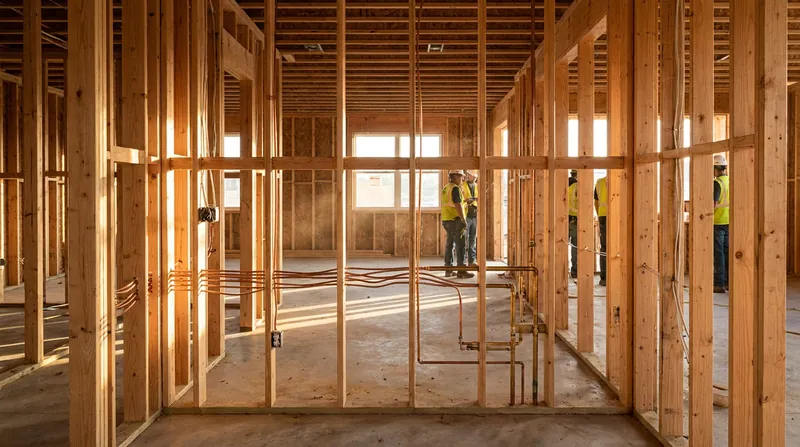
The most heavily debated aspect of whole-home electrification is the electrical panel. For decades, the standard American home was built with 100-amp electrical service, which many contractors argue is insufficient to power an all-electric suite of appliances. Industry estimates have frequently suggested that homeowners must spend anywhere from $2,000 to $30,000 to upgrade to a 200-amp panel before electrifying.
However, recent pilot programs are challenging that assumption. Reporting from Canary Media highlights projects in California where low-income homes were fully electrified without upsizing their 100-amp panels. By utilizing efficient appliances, smart circuit splitters, and careful load calculations, energy agencies have proven that massive infrastructure upgrades are often unnecessary, removing a significant financial barrier for middle-class retrofits.
Experts universally agree that electrification should not happen in a vacuum. The Department of Energy emphasizes a whole-house systems approach, arguing that the first step of any major remodel should be a comprehensive home energy audit. Sealing air leaks, upgrading attic insulation, and installing high-performance windows can reduce a home's heating and cooling load by up to 30 percent.
Weatherizing the home before installing a heat pump allows contractors to specify a smaller, less expensive HVAC unit. If a home is drafty and poorly insulated, a heat pump will have to work overtime to maintain a comfortable temperature, eroding the promised energy savings and potentially leading to premature equipment failure.[2]
The financial calculus of electrification is complex, balancing steep upfront costs against long-term operational savings. A full whole-home retrofit—including a heat pump, water heater, induction stove, and necessary wiring—can easily exceed $20,000. To ease this burden, the Inflation Reduction Act introduced a suite of financial incentives that effectively serve as an electric bank account for American households.[1]
These federal incentives include a 30 percent tax credit, capped at $2,000 annually, for the installation of air-source heat pumps and heat pump water heaters. Because the credit resets every year, savvy homeowners are staggering their upgrades over multiple tax years to maximize their returns. Additionally, income-qualified households can access point-of-sale rebates, such as up to $8,000 for a heat pump and $840 for an electric stove.
Ultimately, energy transition advocates stress that electrification is a journey, not a single weekend project. The most cost-effective strategy is to plan ahead and replace fossil-fuel appliances as they naturally reach the end of their lifespans. By preparing the home's electrical infrastructure and insulation today, homeowners ensure they are ready to plug into a cleaner, more efficient future when their old gas furnace finally gives out.[2]
Key terms
- Air-Source Heat Pump
- An HVAC system that provides both heating and cooling by moving thermal energy between the inside and outside of a home, rather than generating heat by burning fuel.
- Induction Cooktop
- A type of electric stove that uses electromagnetism to heat cookware directly, resulting in faster cooking times and a cooler stovetop surface.
- Heat Pump Water Heater
- A highly efficient water heater that pulls heat from the surrounding air and transfers it into a storage tank to heat water.
- Weatherization
- The practice of protecting a building's interior from the elements, typically by sealing air leaks and adding insulation to improve energy efficiency.
Reader questions
Do I need to upgrade my electrical panel to electrify my home?
Not always. While contractors traditionally recommend a 200-amp panel, recent pilot programs show that many homes can fully electrify on a 100-amp service using efficient appliances and smart circuit splitters.
Will my current pots and pans work on an induction stove?
They will work if they are magnetic. You can test this by seeing if a refrigerator magnet sticks to the bottom of the pan; cast iron and magnetic stainless steel work, but pure copper or aluminum will not.
Do heat pumps work in very cold climates?
Yes, but they require specific technology. Cold-climate heat pumps are designed to extract heat even in sub-zero temperatures, though they are more expensive upfront than standard models.
How do the federal tax credits for heat pumps work?
The Inflation Reduction Act provides a 30 percent tax credit, up to $2,000 annually, for qualifying heat pumps and heat pump water heaters. Because the credit resets each year, you can claim it multiple times for different projects.
Where opinion splits
Electrification Advocates
Argue that transitioning to all-electric homes is essential for climate goals and long-term savings.
Organizations like Rewiring America and clean-energy analysts view home electrification as a critical pillar of decarbonization. They emphasize that replacing fossil-fuel appliances not only eliminates on-site emissions but also vastly improves indoor air quality, particularly by removing gas stoves. From a financial perspective, they argue that the combination of hyper-efficient heat pumps, federal tax credits, and potential solar pairing makes electrification a net-positive investment that shields homeowners from volatile fossil fuel prices.
Building Industry
Emphasize the upfront costs and logistical challenges of retrofitting older housing stock.
Trade groups such as the National Association of Home Builders caution that while electrification is a worthy goal, the upfront costs can be prohibitive for many homeowners. They point out that retrofitting older homes often triggers a cascade of expensive upgrades, from high-capacity wiring to specialized cold-climate heat pumps that cost significantly more than standard gas furnaces. The industry advocates for a pragmatic approach that balances environmental goals with consumer affordability and grid readiness.
Energy Efficiency Experts
Focus on a whole-house systems approach, prioritizing weatherization before appliance replacement.
The Department of Energy and building performance professionals argue that simply swapping a gas furnace for a heat pump is an incomplete strategy. They stress that the first step must always be reducing the home's overall energy demand through comprehensive weatherization—sealing air leaks, upgrading insulation, and installing better windows. By tightening the building envelope first, homeowners can install smaller, less expensive heating and cooling systems, ensuring maximum comfort and efficiency.
- Electrification Advocates
- Argue that transitioning to all-electric homes is essential for climate goals, improves indoor air quality, and ultimately saves homeowners money.
- Building Industry
- Emphasize the upfront costs, the need for electrical panel upgrades, and the logistical challenges of retrofitting older housing stock.
- Energy Efficiency Experts
- Focus on a whole-house systems approach, arguing that weatherization and insulation must precede electrification to maximize benefits.
Perspectives this story doesn't cover
- Renters who cannot authorize structural upgrades
- Utility companies managing increased grid demand
Sources
Source coverage
2 outlets
3 viewpoints surfaced


- [1]National Association of Home BuildersBuilding Industry
How Much Does Whole-Home Electrification Cost?
Read on National Association of Home Builders → - [2]Factlen Editorial TeamEnergy Efficiency Experts
Synthesis by Factlen editorial team
Read on Factlen Editorial Team →
More in Home
See all →Home Electrification
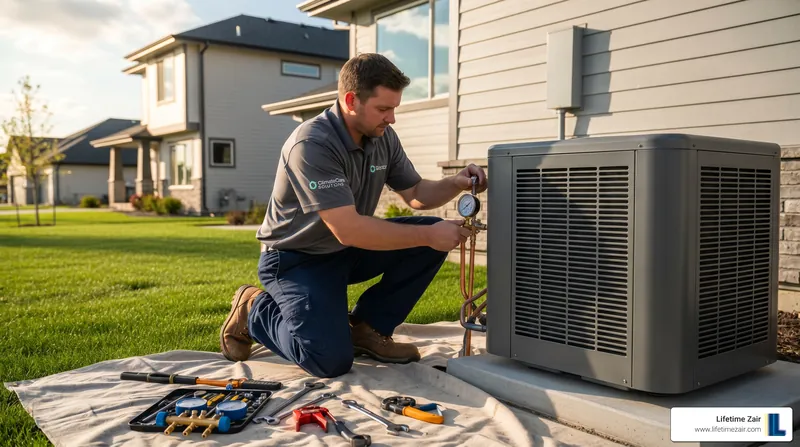
California's 2026 Building Code Makes Heat Pumps the Default, Locks in Rules for Six Years
6 sources
Florida Housing
Florida Law Eliminates Permits for Residential Remodels Under $7,500 to Cut Costs and Speed Construction
6 sources
Coastal Construction
Florida Mandates Stricter Wind Loads and Expands 160 MPH Impact Zone for New Home Construction
5 sources
Building Materials
Copper Hits 20-Year High as Lumber and Insulation Costs Surge, Reshaping 2026 Remodeling Strategies
5 sources
Comments
Every angle. Every day.
Get Home stories with full source coverage and perspective breakdowns, free every day.