
The Science of 'Exercise Mimetics': Can a Pill Replicate the Longevity Benefits of a Workout?
Biotech firms are advancing a new class of drugs designed to trigger the metabolic effects of exercise without physical exertion. While early trials show promise for extending healthspan, researchers warn that chemical mimicry cannot fully replace the mechanical benefits of movement.
By Factlen Editorial Team
- Longevity Biotech Developers
- Argue that molecular interventions can safely mimic the metabolic benefits of exercise to extend healthspan.
- Clinical Skeptics
- Warn that chemical mimicry cannot replicate the mechanical and systemic benefits of actual physical exertion.
- Regulatory Pragmatists
- Focus on the practical need to prove efficacy in specific diseases before targeting general aging.
What's not represented
- · Physical Therapists
- · Sports Medicine Physicians
Why this matters
If successful, exercise mimetics could provide the metabolic benefits of physical activity to older adults or those with mobility issues, fundamentally changing how we treat age-related physical decline. However, relying on these drugs without understanding their interaction with actual exercise could inadvertently blunt natural fitness gains.
Key points
- Exercise mimetics are experimental drugs designed to trigger the metabolic benefits of a workout without physical exertion.
- Cambrian Biopharma is developing ATX-304, a drug that directly activates AMPK, the body's master energy sensor.
- The FDA does not recognize aging as a disease, forcing companies to target specific conditions like obesity first.
- A recent 2026 study showed that the longevity drug rapamycin actually blunted strength gains in older adults who exercised.
- Experts warn that chemical mimicry cannot replace the mechanical load needed for bone density and neuromuscular strength.
For decades, the most universally agreed-upon medical advice for a long, healthy life has been a combination of a balanced diet and regular physical exercise. Yet, as the global population ages, a significant portion of older adults face mobility issues, frailty, or chronic conditions that make rigorous exercise impossible. Enter the 'exercise mimetic'—a theoretical class of drugs designed to deliver the metabolic benefits of a workout in a pill. This week, the concept gained renewed attention as Cambrian Biopharma advanced its experimental longevity drug, ATX-304, which aims to do exactly that.[1][8]
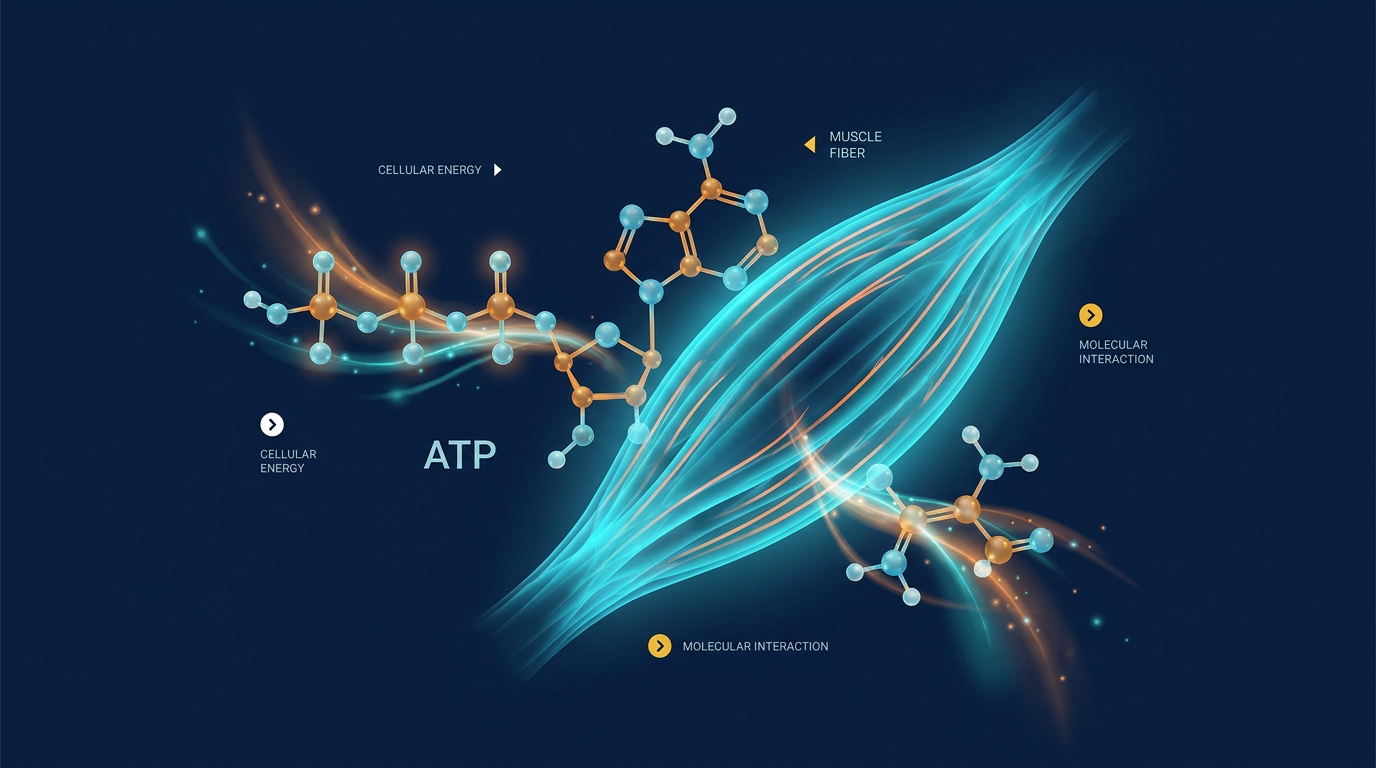
The science behind exercise mimetics hinges on tricking the body's cellular machinery. When a person engages in strenuous physical activity, their cells rapidly consume energy, depleting stores of a molecule called ATP. This depletion triggers a master energy sensor known as AMPK (AMP-activated protein kinase).[8]
Once activated, AMPK acts like a metabolic fire alarm. It halts energy-consuming processes like fat storage and ramps up energy-producing processes like glucose uptake and fat burning. It also triggers cellular cleanup mechanisms that clear out damaged proteins. Cambrian's ATX-304 is an AMPK activator designed to flip this switch directly, bypassing the need for physical energy depletion entirely.[1][6]
The pursuit of such drugs is moving rapidly from fringe science to mainstream biotechnology. Earlier this year, Cambrian Bio was awarded up to $30.8 million in non-dilutive funding from the Advanced Research Projects Agency for Health (ARPA-H) through its PROSPR program.[2]

The ARPA-H grant represents a paradigm shift in how government agencies view aging. The funding is not aimed at treating a specific disease like cancer or Alzheimer's, but rather at preserving what researchers call 'intrinsic capacity'—the physical and metabolic resilience that allows people to stay functional as they age. If an AMPK activator can safely maintain this capacity in older adults, it would serve as a preventative buffer against a cascade of age-related declines.[2][6]
However, bringing an exercise mimetic to market faces a massive regulatory hurdle: the U.S. Food and Drug Administration does not recognize 'aging' as a disease. Because regulatory agencies require drugs to treat specific, diagnosable conditions, longevity biotech companies cannot simply run a clinical trial to prove a drug slows aging.[4][8]
To navigate this, Cambrian and similar firms are employing what they call a 'Master Plan.' The strategy involves first proving that these geroprotective drugs are safe and effective at treating existing, recognized diseases. For an AMPK activator like ATX-304, the initial target indication is likely to be obesity or obesity-associated metabolic diseases. Once approved and proven safe in that population, the drug could eventually be prescribed off-label or tested in long-term prevention trials for healthy adults.[4]
For an AMPK activator like ATX-304, the initial target indication is likely to be obesity or obesity-associated metabolic diseases.
Exercise mimetics are entering a longevity landscape currently dominated by a different class of drugs: mTOR inhibitors, most notably rapamycin. While AMPK activation mimics the energy depletion of exercise, mTOR inhibition mimics the nutrient scarcity of fasting. Across multiple animal models, tuning down the mTOR pathway reliably extends healthy lifespan, making it the most validated longevity target in biology.[7]
But the interaction between these longevity drugs and actual physical exercise is proving to be highly complex, and sometimes contradictory. A landmark 2026 study published in the Journal of Cachexia, Sarcopenia and Muscle highlighted the potential pitfalls of mixing chemical interventions with physical ones.[3]

In the 13-week trial, researchers in New Zealand tested how a low, weekly dose of rapamycin interacted with an exercise program in sedentary older adults. The scientists hypothesized that the drug would amplify the health benefits of the workouts. Instead, they found the exact opposite: the participants taking rapamycin gained significantly less strength and physical function from the exercise program than those taking a placebo.[3]
The rapamycin study underscores a critical limitation of the entire longevity drug field: chemical mimicry is not a perfect substitute for physical reality. While a drug might successfully trigger a metabolic shift or reduce cellular inflammation, it cannot replicate the mechanical stress that actual exercise places on the body.[3][6]
When a person lifts weights or runs, the physical load forces bones to increase their density and tendons to strengthen. Furthermore, actual movement requires neuromuscular innervation—the brain sending electrical signals down the spinal cord to fire specific muscle fibers. No pill can replicate this axonal trophic signaling, which is essential for converting chemically induced muscle mass into applied, functional physical strength.[5][6]
Clinical skeptics warn against the allure of 'passive anabolic mimicry.' Relying solely on experimental mimetics in highly sedentary populations could lead to patients who appear metabolically healthy on paper but remain physically frail and prone to falls. The consensus among physiologists is that exercise mimetics should be viewed as a supplement to, rather than a replacement for, physical movement.[5][6]

Despite these caveats, the potential of exercise mimetics remains vast. For a bedridden patient recovering from surgery, an astronaut experiencing zero-gravity muscle atrophy, or an octogenarian too frail for resistance training, a drug that safely activates the AMPK pathway could be life-changing.[2][7]
As clinical trials progress through 2026 and beyond, the longevity field is slowly maturing from theoretical biology into applied medicine. The ultimate anti-aging regimen of the future will likely not be a choice between a pill and the gym, but a highly calibrated combination of the two—using molecular tools to amplify the hard-earned benefits of physical resilience.[6][8]
How we got here
2021
Cambrian Biopharma is founded to develop treatments targeting the underlying biology of aging.
Jan 2026
A major study in The Lancet highlights that even 5-10 minutes of daily exercise significantly boosts longevity.
Feb 2026
ARPA-H awards Cambrian Bio up to $30.8 million to test drugs that preserve intrinsic capacity in older adults.
Apr 2026
A study reveals that the longevity drug rapamycin blunted strength gains in older adults undergoing an exercise program.
Jun 2026
Cambrian advances its experimental AMPK activator, ATX-304, aiming to mimic the metabolic effects of exercise.
Viewpoints in depth
Longevity Biotech Developers
Argue that molecular interventions can safely mimic the metabolic benefits of exercise to extend healthspan.
This camp, heavily backed by venture capital and specialized research agencies like ARPA-H, believes that aging is a modifiable biological process. They argue that because many older adults cannot perform rigorous physical exercise due to frailty or disease, developing drugs that activate pathways like AMPK is a moral and medical imperative. They view the current FDA regulatory framework—which requires targeting a specific disease like obesity first—as a temporary hurdle on the path to prescribing preventative geroprotective medicines to the general public.
Clinical Skeptics
Warn that chemical mimicry cannot replicate the mechanical and systemic benefits of actual physical exertion.
Physiologists and traditional medical researchers caution against the hype of 'exercise in a pill.' They point to recent clinical trials showing that longevity drugs like rapamycin can actually blunt the benefits of real-world exercise. Furthermore, they emphasize that physical movement provides mechanical loading necessary for bone density and neuromuscular coordination—benefits that no metabolic switch can replicate. They worry that relying on mimetics could lead to a population that is metabolically stable but physically frail.
What we don't know
- Whether AMPK activators like ATX-304 can safely be taken long-term by healthy humans without unintended metabolic side effects.
- How exercise mimetics will interact with actual physical exercise—whether they will amplify gains or blunt them, as seen in recent rapamycin trials.
- If the FDA will eventually create a dedicated regulatory pathway for preventative longevity drugs, or if companies must continue targeting specific diseases first.
Key terms
- AMPK
- An enzyme that serves as the body's master energy sensor, activating cellular repair and fat burning when energy stores are depleted.
- mTOR
- A protein pathway that regulates cell growth; inhibiting it has been shown to extend lifespan in animals but can interfere with muscle growth.
- Intrinsic Capacity
- A medical term for the composite of all physical and mental capacities that an individual can draw upon, which naturally declines with age.
- Healthspan
- The period of a person's life spent in good health, free from the chronic diseases and disabilities of aging.
- Geroprotective
- A class of interventions or drugs designed to target the root biological causes of aging rather than just treating individual symptoms.
Frequently asked
What exactly is an exercise mimetic?
It is a drug designed to trigger the same metabolic pathways—such as AMPK—that physical exercise activates, without requiring actual physical exertion.
Will these drugs replace the need to go to the gym?
No. While mimetics can replicate metabolic shifts like fat burning, they cannot replicate the mechanical stress needed for bone density, tendon strength, and neuromuscular coordination.
Are exercise mimetics available to the public now?
No. Most are in preclinical or early Phase 1 trials, initially targeting specific conditions like obesity or muscle wasting rather than general aging.
How do these differ from weight-loss drugs like Ozempic?
GLP-1 drugs primarily suppress appetite and slow digestion. Exercise mimetics aim to actively increase cellular energy expenditure and mimic the cellular repair processes triggered by working out.
Sources
Source coverage
8 outlets
3 viewpoints surfaced








[1]STAT NewsRegulatory Pragmatists
STAT+: Cambrian’s experimental longevity drug mimics exercise
Read on STAT News →[2]Longevity.TechnologyLongevity Biotech Developers
ARPA-H backs a first-of-its-kind effort to test whether medicine can protect health before decline begins
Read on Longevity.Technology →[3]The Washington PostClinical Skeptics
This 'longevity drug' may weaken gains from exercise
Read on The Washington Post →[4]Cambrian BioLongevity Biotech Developers
The Master Plan: How to build a longevity biotech company
Read on Cambrian Bio →[5]National Institutes of HealthClinical Skeptics
Exercise Mimetics and Nutrition: A Synergistic Approach to Healthspan
Read on National Institutes of Health →[6]Factlen Editorial Team
Synthesis by Factlen editorial team
Read on Factlen Editorial Team →[7]Science NewsRegulatory Pragmatists
Can drugs slow aging? Scientists are testing the possibilities
Read on Science News →[8]ForbesLongevity Biotech Developers
The Future Of Longevity Drugs With Cambrian Bio's James Peyer
Read on Forbes →

More in health
See all 6 stories →Exercise Mimetics
The Rise of 'Exercise Mimetics': How New Longevity Drugs Aim to Replicate the Metabolic Effects of a Workout
7 sources
Menopause Care
How a New Class of Non-Hormonal Drugs is Transforming Menopause Care
8 sources

Exercise Mimetics
The Science of 'Exercise in a Pill': How New Longevity Drugs Aim to Mimic Physical Activity
6 sources
Exercise Mimetics
The Science of 'Exercise in a Pill': How Mimetics Are Entering Clinical Trials
7 sources
Every angle. Every day.
Get health stories with full source coverage and perspective breakdowns delivered to your inbox.