
The Science of 'Exercise in a Pill': How New Longevity Drugs Aim to Mimic Physical Activity
Researchers are advancing a new class of therapeutics known as exercise mimetics, designed to trigger the cellular benefits of a workout without physical exertion. While not a replacement for movement, these compounds offer promising avenues for preserving muscle mass and healthspan in aging populations.
By Factlen Editorial Team
- Geroscience Researchers
- View exercise mimetics as a critical tool to extend human healthspan and treat age-related metabolic decline.
- Public Health Advocates
- Emphasize that a pill cannot replace the holistic cardiovascular, skeletal, and mental health benefits of actual physical movement.
- Regulatory Bodies
- Require therapeutics to target specific, acute diseases rather than general aging or preventative healthspan extension.
What's not represented
- · Sports anti-doping agencies monitoring potential abuse
- · Health insurance providers evaluating coverage for preventative therapeutics
Why this matters
For millions of older adults or individuals with mobility-limiting conditions, the inability to exercise accelerates physical decline and metabolic disease. A drug that replicates the cellular benefits of physical activity could fundamentally alter how we treat age-related frailty, extending the years people live independently.
Key points
- Exercise mimetics are experimental drugs that trigger the cellular benefits of a workout without physical exertion.
- They work by activating metabolic pathways like AMPK, which normally respond to energy depletion during exercise.
- The primary clinical goal is treating age-related muscle loss (sarcopenia) and frailty, not replacing the gym for healthy adults.
- While promising for muscle metabolism, pills cannot replicate the bone density or mental health benefits of real physical activity.
- Regulatory hurdles remain high, as the FDA requires these drugs to treat specific diseases rather than general aging.
The physical benefits of exercise are universally acknowledged, serving as the most effective intervention for extending human healthspan. Yet for millions of older adults, individuals recovering from severe injury, or those living with chronic illness, hitting the gym is biologically impossible or dangerously prohibitive.[2]
Enter the "exercise mimetic"—a class of experimental therapeutics designed to trick the body into believing it has just completed a rigorous workout. By targeting specific cellular pathways, these drugs aim to induce the metabolic benefits of physical activity without requiring mechanical exertion.[1]
This week, biotech firm Cambrian Biopharma brought renewed attention to the space by advancing an experimental longevity drug that targets these exact mechanisms. The development represents a significant milestone in the broader geroscience effort to translate abstract anti-aging concepts into tangible clinical applications.[4]
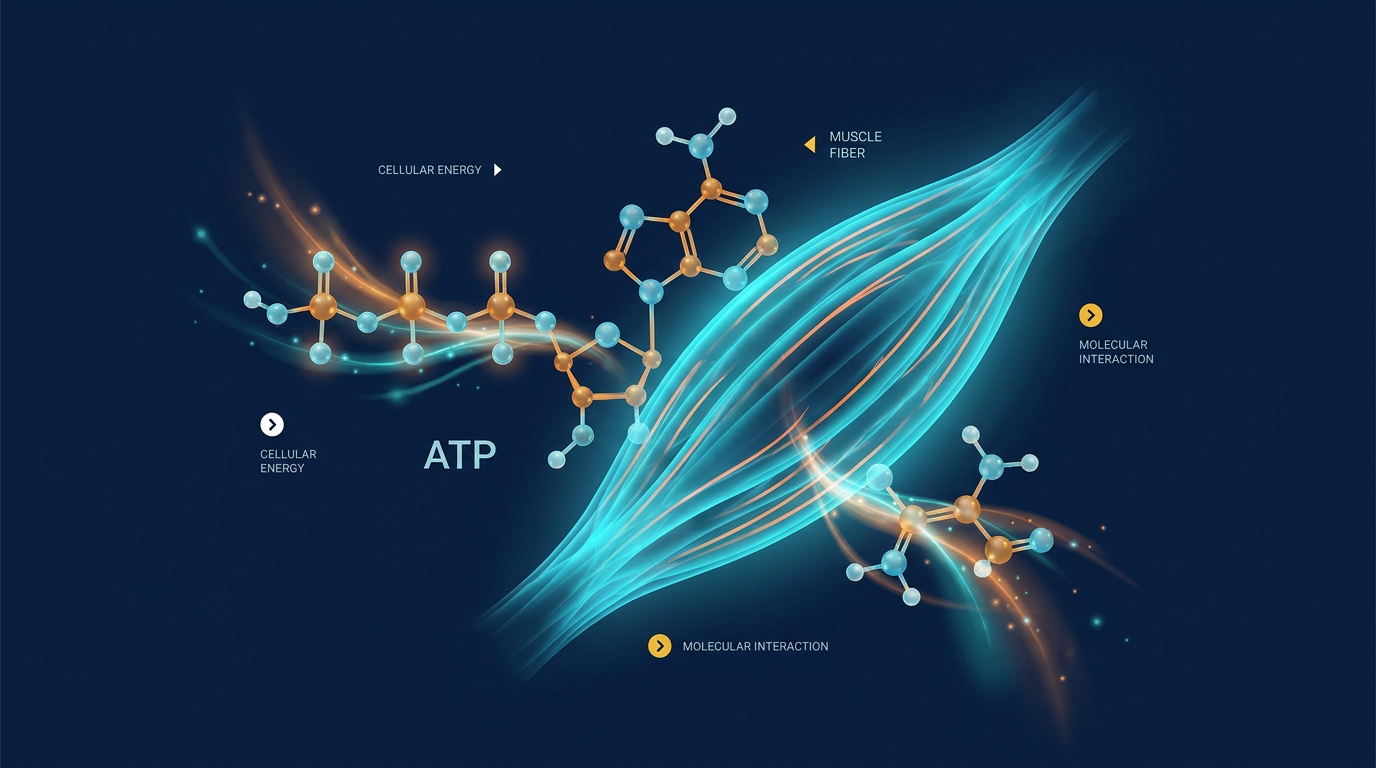
To understand how an exercise pill works, one must look at the cellular level. When a person engages in physical activity, their muscle cells rapidly consume ATP, the body's primary energy currency. This rapid energy depletion acts as a biological alarm bell.[6]
The depletion triggers a master metabolic switch known as AMPK (AMP-activated protein kinase). Once activated, AMPK signals the cell to burn fat, increase glucose uptake, and build new mitochondria—the powerhouses of the cell. This cascade is what makes a muscle more endurant and metabolically efficient over time.[3]

Exercise mimetics chemically activate AMPK and other related pathways, such as PPAR-delta, bypassing the need for initial mechanical stress or energy burn. The drug essentially flips the metabolic switch directly, initiating the cellular remodeling process while the patient remains at rest.[1]
The evidence supporting these compounds is robust in animal models. Mice treated with early-generation mimetics have consistently demonstrated increased running endurance, improved insulin sensitivity, and enhanced mitochondrial density compared to untreated control groups.[3]
However, translating these results to humans has historically been fraught with challenges. Early iterations of similar drugs in the 2010s were abandoned due to off-target toxicities, rapid clearance from the bloodstream, or a failure to demonstrate sufficient efficacy in human clinical trials.[5]
However, translating these results to humans has historically been fraught with challenges.
The new generation of therapeutics aims for much higher specificity. By targeting precise molecular isoforms found primarily in skeletal muscle, researchers hope to bypass the systemic side effects that plagued earlier attempts, creating a safer profile for long-term use in vulnerable populations.[4]
The primary target demographic for these drugs is not the average healthy adult looking to skip a morning jog. Instead, the clinical focus is on treating sarcopenia—the progressive, age-related loss of muscle mass and function that leads to frailty and a loss of independence.[2]

Sarcopenia affects up to 20% of adults over the age of 65, drastically increasing the risk of falls, fractures, and all-cause mortality. Because muscle tissue acts as a vital sink for blood glucose, its loss also accelerates the onset of type 2 diabetes and metabolic syndrome.[2]
If an exercise mimetic can preserve even a fraction of muscle tone in a bedridden patient or an elderly individual, the implications for public health and healthcare costs are staggering. It could mean the difference between living at home and requiring full-time assisted care.[6]
Despite the optimism, researchers are quick to emphasize the transparent uncertainties surrounding these compounds. Chief among these is the reality that physical exercise is a complex, systemic stressor that benefits the entire body in ways a single molecule cannot fully replicate.[1][5]
Real exercise improves cardiovascular elasticity through increased blood flow, increases bone density through mechanical loading and impact, and releases a cascade of neurotrophic factors that boost mood and cognitive function.[3]

An AMPK activator might perfectly replicate muscle metabolism, but it will not strengthen a femur or provide the well-documented mental health benefits of a brisk walk in the park. The scientific consensus remains that these drugs are supplements to, not replacements for, physical movement whenever possible.[6]
Furthermore, the regulatory landscape poses a significant hurdle. The FDA does not currently recognize "aging" or general frailty as a disease. This means companies must prove efficacy against specific, recognized conditions like muscular dystrophy, acute muscle atrophy post-surgery, or specific metabolic disorders.[5]

This regulatory reality forces longevity companies to thread a careful needle: developing drugs intended to extend general healthspan, but testing them through the narrow lens of acute disease treatment to gain market approval.[4][6]
As clinical trials progress through 2026, the scientific community remains cautiously optimistic. The ultimate goal of this research is not to engineer a shortcut for athletes, but to extend the period of life spent in good health—the healthspan—for those who need it most.[6]
How we got here
Early 2000s
Researchers identify the AMPK and PPAR-delta pathways as master regulators of exercise metabolism.
2008
Early experimental compounds demonstrate the ability to increase running endurance in mice by up to 44%.
2010s
First-generation exercise mimetics face setbacks in human trials due to off-target toxicities and rapid clearance.
June 2026
Biotech firms like Cambrian advance highly specific, next-generation mimetics aimed at treating age-related frailty.
Viewpoints in depth
Geroscience Researchers
Focus on the molecular potential to decouple metabolic health from physical ability.
For longevity researchers, the exercise mimetic represents a holy grail of preventative medicine. Because muscle tissue is the body's largest sink for blood glucose, maintaining muscle mass is critical for preventing type 2 diabetes and metabolic syndrome. Researchers argue that by chemically preserving muscle function in aging populations, we can drastically reduce the cascading healthcare failures associated with frailty, falls, and metabolic decline.
Public Health Advocates
Warn against the behavioral risks of framing a pill as a replacement for movement.
Public health experts express concern over the "moral hazard" of exercise mimetics. They emphasize that physical activity is a holistic intervention. The mechanical impact of walking builds bone density to prevent osteoporosis, while the increased heart rate improves vascular elasticity. Furthermore, exercise releases endorphins and neurotrophic factors crucial for staving off cognitive decline. Advocates worry that marketing an "exercise pill" might discourage able-bodied individuals from engaging in the holistic movement their bodies require.
Regulatory Bodies
Maintain strict boundaries on what constitutes a treatable disease versus natural aging.
The FDA and similar global regulatory bodies operate under a framework that does not recognize aging or general frailty as an indication for drug approval. Consequently, regulators require biotech companies to prove that these mimetics can treat specific, acute conditions—such as muscular dystrophy or recovery from hip surgery. This forces a disconnect between the drugs' intended preventative use for general healthspan and the narrow clinical endpoints required to bring them to market.
What we don't know
- Whether long-term, artificial activation of exercise pathways carries unforeseen metabolic side effects in humans.
- How regulatory agencies will ultimately classify and approve drugs intended for preventative healthspan extension.
- The extent to which these therapeutics can preserve muscle function in the complete absence of physical movement.
Key terms
- Exercise Mimetic
- An experimental class of drugs designed to replicate the metabolic and physiological benefits of physical exercise without actual physical exertion.
- AMPK
- An enzyme that acts as a master metabolic switch in cells, turning on energy-producing pathways like fat burning when cellular energy runs low.
- Sarcopenia
- The progressive, age-related loss of skeletal muscle mass and strength, which significantly increases the risk of frailty and falls in older adults.
- Healthspan
- The period of a person's life during which they are generally healthy and free from serious or chronic illness, distinct from overall lifespan.
- Mitochondrial Biogenesis
- The process by which cells increase their individual mass of mitochondria, effectively boosting the cell's ability to produce energy.
Frequently asked
Will an exercise pill replace the need to go to the gym?
No. While mimetics can replicate some metabolic benefits in muscle cells, they cannot replicate the bone-strengthening impact, cardiovascular conditioning, or mental health benefits of real physical activity.
Who are these drugs actually designed for?
The primary targets are elderly individuals suffering from sarcopenia (muscle loss), patients recovering from severe injuries, and those with mobility-limiting conditions like muscular dystrophy.
Are exercise mimetics currently available to the public?
No. These compounds are strictly experimental and are currently undergoing rigorous preclinical and clinical trials to ensure safety and efficacy.
How do these drugs work at a cellular level?
They chemically activate specific metabolic pathways, such as AMPK, which normally only turn on when a cell is depleted of energy during physical exertion.
Sources
Source coverage
6 outlets
3 viewpoints surfaced






[1]Nature MedicineGeroscience Researchers
Metabolic pathways and the future of exercise mimetics in aging
Read on Nature Medicine →[2]National Institute on AgingPublic Health Advocates
Sarcopenia and age-related muscle loss: Mechanisms and interventions
Read on National Institute on Aging →[3]Cell MetabolismGeroscience Researchers
AMPK activation and mitochondrial biogenesis in skeletal muscle
Read on Cell Metabolism →[4]STAT NewsGeroscience Researchers
STAT+: Cambrian’s experimental longevity drug mimics exercise
Read on STAT News →[5]Journal of GerontologyRegulatory Bodies
Clinical endpoints for healthspan therapeutics and regulatory hurdles
Read on Journal of Gerontology →[6]Factlen Editorial Team
Synthesis by Factlen editorial team
Read on Factlen Editorial Team →

More in health
See all 6 stories →Exercise Therapy
The Clinical Case for Exercise as a Primary Prescription for Mental Health
7 sources

Exercise Mimetics
The Science of Exercise Mimetics: How New Longevity Drugs Aim to Replicate the Benefits of a Workout
6 sources
Brain Health
New Evidence Links the Shingles Vaccine to a 24% Lower Risk of Dementia
5 sources

Exercise Mimetics
The Rise of 'Exercise Mimetics': How New Longevity Drugs Aim to Replicate the Metabolic Effects of a Workout
7 sources
Every angle. Every day.
Get health stories with full source coverage and perspective breakdowns delivered to your inbox.