
US-Iran Peace Talks in Switzerland Abruptly Canceled Amid Lebanon Strikes
Highly anticipated face-to-face negotiations between the US and Iran have been called off, threatening a fragile 14-point peace agreement just days after it was signed.
By Factlen Editorial Team
- US Administration
- Frames the agreement as a major victory and views the delay as a temporary logistical hurdle.
- Iranian & Allied Voices
- Argues that ongoing Israeli strikes in Lebanon violate the ceasefire, making negotiations impossible.
- Regional Observers
- Highlights the fragility of the 14-point agreement and the difficulty of enforcing a multi-front ceasefire.
What's not represented
- · Israeli government officials, who are conducting the strikes in Lebanon but are not direct signatories to the US-Iran MoU.
- · European energy importers, whose economies are heavily dependent on the sustained reopening of the Strait of Hormuz.
Why this matters
The collapse of these talks threatens to unravel a historic peace agreement that just reopened the Strait of Hormuz. If the diplomatic framework fails, global oil markets could face renewed shocks and the Middle East could plunge back into a multi-front war.
Key points
- Face-to-face technical talks between the US and Iran in Switzerland were abruptly canceled.
- The White House cited logistics, but reports indicate Iran withdrew over ongoing Israeli strikes in Lebanon.
- The talks were meant to implement a historic 14-point peace agreement signed earlier in the week.
- The agreement includes reopening the Strait of Hormuz, a $300 billion reconstruction fund, and IAEA nuclear supervision.
- The 60-day negotiation window has begun, but the lack of face-to-face meetings threatens the entire framework.
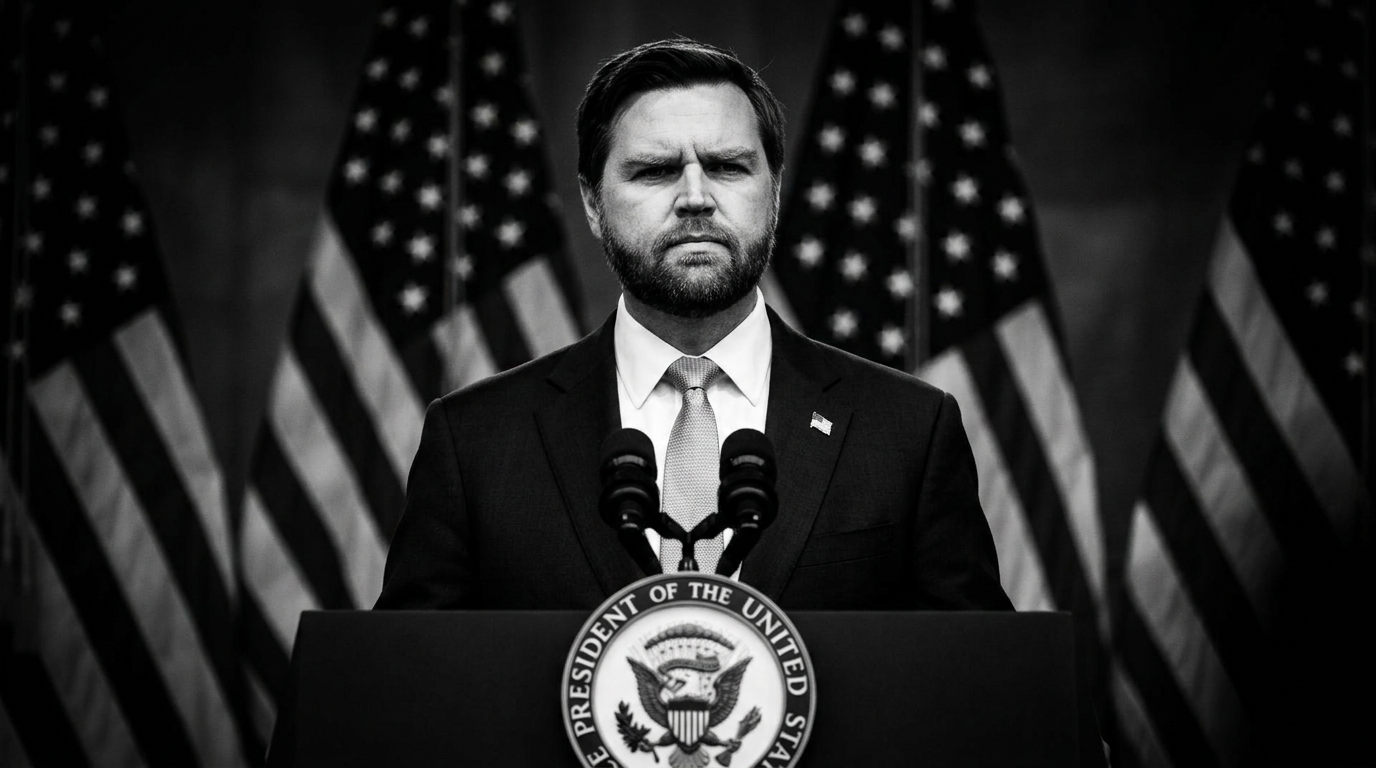
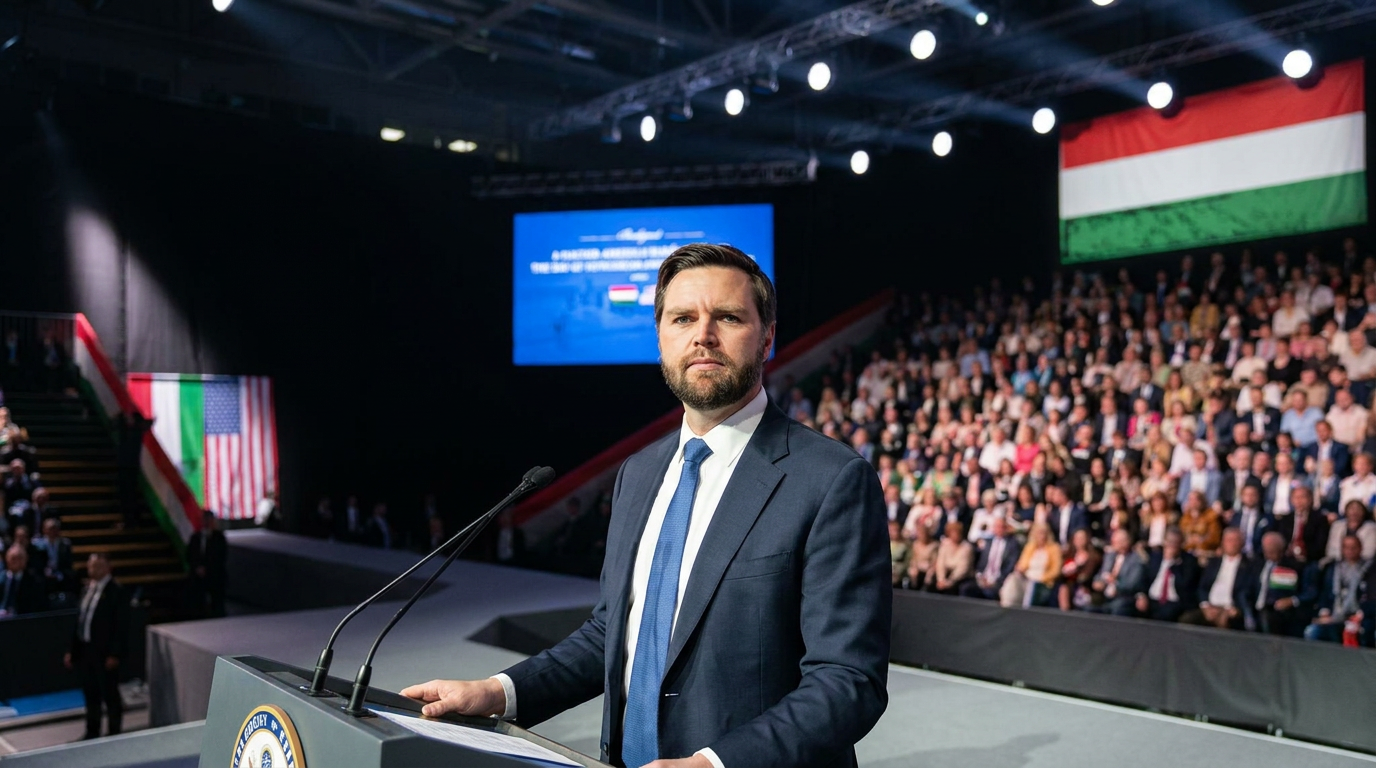
The highly anticipated face-to-face talks between the United States and Iran in Switzerland have been abruptly canceled, stalling the momentum of a historic peace agreement just days after it was signed. US Vice President JD Vance was scheduled to fly to the Bürgenstock resort on Friday to begin a 60-day window of technical negotiations. Instead, the trip was scrapped at the last minute, with advance staff and journalists already gathered at Joint Base Andrews outside Washington. The sudden diplomatic freeze threatens to unravel the "Islamabad Memorandum of Understanding," a landmark 14-point agreement signed remotely earlier in the week by US President Donald Trump and Iranian President Masoud Pezeshkian.[1][3][7]
The White House officially attributed the cancellation to unpredictable "logistics," asserting that the US delegation remains ready to depart at the first available opportunity once plans are finalized. "The logistics of these negotiations have never been simple or predictable," a spokesperson said late Thursday, adding that the administration looks forward to beginning technical talks as soon as possible. Vance himself had hinted at the uncertainty during an earlier press briefing, noting that he suspected the talks would begin over the weekend but acknowledging that extracting Iranian officials for international travel was a complex endeavor. Despite the delay, the administration maintains that the broader diplomatic process remains intact and that technical teams are working behind the scenes to reschedule the summit.[3][4][6]
However, reports from the region indicate the breakdown is deeply tied to ongoing violence in the Middle East, specifically the fragile situation in Lebanon. Iranian media and Hezbollah-affiliated outlets reported that Tehran suspended its delegation's trip due to continued Israeli military strikes against Hezbollah in southern Lebanon. On Thursday, Israel launched a new wave of attacks across the region, killing several people according to local news agencies. Iranian officials view these strikes as a direct violation of the ceasefire's core terms. Iran reportedly warned US mediators that the issue of Lebanon is central to its ability to hold, continue, or halt any technical negotiations, signaling that diplomatic progress is impossible while military operations persist.[1][2][8]
The Lebanon complication strikes at the heart of the newly minted 14-point agreement. The text of the MoU explicitly calls for the immediate and permanent termination of military operations "on all fronts, including in Lebanon." It requires both the US and Iran, along with their respective allies, to refrain from the threat or use of force. For Tehran, the ongoing Israeli drone strikes and military operations render the ceasefire void in practice, making it politically impossible for Iranian negotiators to sit across from their American counterparts in Geneva while their regional allies remain under fire.[1][7]

The Lebanon complication strikes at the heart of the newly minted 14-point agreement.
The stalling of the Swiss talks jeopardizes a massive diplomatic and economic framework designed to end months of direct conflict and stabilize the global economy. A primary pillar of the MoU is the reopening of the Strait of Hormuz, a critical maritime chokepoint. Under the agreement, the US committed to lifting its naval blockade on Iranian ports within 30 days, while Iran agreed to allow toll-free passage for commercial vessels for a 60-day period. Following the signing, US Central Command confirmed it had lifted the blockade, and oil prices saw a slight drop as tankers began moving through the strait.[2][5][7]
Beyond maritime security, the 14-point agreement outlines sweeping financial relief for Tehran in exchange for strict nuclear concessions. Iran has committed to not pursuing nuclear weapons and agreed to place portions of its enriched uranium stockpile under the supervision of the International Atomic Energy Agency (IAEA) for on-site monitoring and "down-blending." In return, the US agreed to unfreeze billions of dollars in Iranian assets and work with regional Gulf partners to establish a massive $300 billion reconstruction and economic development fund for the Islamic Republic.[7]

The agreement has already faced intense scrutiny and political polarization in Washington. Hardliners and allies of Israel have heavily criticized the financial concessions, arguing that the $300 billion reconstruction fund and the unfreezing of assets reward Tehran without permanently dismantling its ballistic missile programs. Conversely, the Trump administration has aggressively defended the MoU as a massive victory that achieves all US strategic objectives—including nuclear containment and the reopening of global shipping lanes—without the devastating cost of a prolonged, full-scale war.[1][7]
With the 60-day negotiation window now ticking and the Swiss summit scrapped, diplomats face a highly precarious situation. The Strait of Hormuz has tentatively reopened to oil traffic, providing immediate relief to global markets and easing fears of a worldwide economic depression. However, the underlying political framework remains entirely unresolved. Without face-to-face technical negotiations to hammer out the complex implementation of sanctions relief, IAEA nuclear monitoring, and a comprehensive regional ceasefire, the 14-point memorandum risks collapsing. The coming days will test whether the US and Iran can salvage the diplomatic momentum or if the historic agreement will fracture under the weight of ongoing proxy conflicts.[5][8]

How we got here
Feb 2026
The US and Israel launch a military campaign against Iran, sparking a multi-front regional war.
June 16, 2026
US and Iranian leadership remotely sign the 14-point Islamabad Memorandum of Understanding.
June 18, 2026
US Central Command lifts its naval blockade on Iranian ports, tentatively reopening the Strait of Hormuz.
June 19, 2026
Face-to-face technical talks in Switzerland are abruptly canceled amid ongoing strikes in Lebanon.
Viewpoints in depth
US Administration's view
Frames the 14-point agreement as a historic victory and views the current delay as a temporary logistical hurdle.
The Trump administration has aggressively defended the Islamabad Memorandum of Understanding as a masterclass in diplomacy that achieves all US strategic objectives without the cost of a prolonged war. Officials point to Iran's commitments to halt nuclear weapons development and the immediate reopening of the Strait of Hormuz as concrete wins. From this perspective, the cancellation of the Swiss summit is a frustrating but manageable logistical delay, and the US remains fully committed to beginning technical talks as soon as travel arrangements can be secured.
Iranian & Allied view
Insists that the ceasefire must be comprehensive and apply to all regional fronts, specifically Lebanon.
For Tehran and its regional allies, the 14-point agreement is explicitly contingent on a complete cessation of hostilities across all fronts. Iranian officials and Hezbollah-affiliated media argue that ongoing Israeli military strikes in southern Lebanon represent a blatant violation of the MoU's core terms. From their viewpoint, it is politically and strategically impossible to sit at a negotiating table in Switzerland while their allies remain under fire, placing the burden on the US to rein in Israeli military operations before technical talks can proceed.
Regional Observers' view
Highlights the extreme fragility of the MoU and the difficulty of enforcing a multi-front ceasefire.
Independent analysts and regional diplomats view the sudden cancellation as a stark reminder of the agreement's fragility. While the broad political framework of the 14-point MoU looks promising on paper, observers note that translating it into binding technical commitments is nearly impossible when proxy conflicts continue to destabilize the environment. They warn that without a mechanism to enforce the ceasefire in Lebanon, the entire diplomatic effort—including the reopening of shipping lanes and nuclear monitoring—could collapse back into open warfare.
What we don't know
- Whether the Swiss summit will be rescheduled within the 60-day negotiation window.
- How the US plans to enforce the ceasefire in Lebanon given Israel's ongoing military operations against Hezbollah.
- The exact mechanisms for funding the proposed $300 billion reconstruction fund for Iran.
Key terms
- Islamabad Memorandum of Understanding
- The formal 14-point ceasefire and negotiation framework signed by the US and Iran in June 2026.
- Strait of Hormuz
- A crucial maritime chokepoint between the Persian Gulf and the Gulf of Oman, through which a significant portion of the world's oil supply passes.
- IAEA
- The International Atomic Energy Agency, the UN watchdog tasked with monitoring Iran's enriched uranium stockpile under the new agreement.
- Down-blending
- The process of reducing the concentration of the fissile isotope U-235 in enriched uranium, rendering it unsuitable for nuclear weapons.
Frequently asked
Why were the US-Iran talks in Switzerland canceled?
The White House officially cited logistical issues, but regional reports indicate Iran pulled out due to ongoing Israeli military strikes in Lebanon, which Tehran views as a violation of the ceasefire.
What is the 14-point agreement?
It is a Memorandum of Understanding signed by the US and Iran to end their conflict, reopen the Strait of Hormuz, and begin a 60-day window of negotiations on Iran's nuclear program and sanctions relief.
Is the Strait of Hormuz open?
Yes, as part of the agreement, the US lifted its naval blockade and Iran agreed to allow commercial vessels to pass safely, causing a slight drop in global oil prices.
Will JD Vance still meet with Iranian officials?
The White House states that the US delegation remains ready to travel as soon as logistical and diplomatic hurdles are cleared, though no new date has been set.
Sources
Source coverage
8 outlets
3 viewpoints surfaced








[1]The GuardianIranian & Allied Voices
US-Iran talks in Switzerland abruptly called off
Read on The Guardian →[2]Al JazeeraIranian & Allied Voices
Switzerland says US-Iran talks will no longer take place
Read on Al Jazeera →[3]South China Morning PostUS Administration
US-Iran talks in Switzerland delayed, White House says Vance remains ready to go
Read on South China Morning Post →[4]Anadolu AgencyUS Administration
White House delays Vance's Switzerland trip for Iran talks over unresolved logistics
Read on Anadolu Agency →[5]Channel News AsiaRegional Observers
Switzerland says US-Iran talks planned for Friday are off
Read on Channel News Asia →[6]AxiosRegional Observers
Vance cancels Iran talks visit to Switzerland, planned for Friday
Read on Axios →[7]The NationalUS Administration
US and Iran sign deal to end war, reopen Strait of Hormuz and launch 60-day talks
Read on The National →[8]The Jerusalem PostRegional Observers
US-Iran talks will not take place in Switzerland as planned
Read on The Jerusalem Post →
More in news politics
See all 9 stories →Cognitive Resilience
Evidence Pack: Does 'Pre-Bunking' Actually Stop Political Misinformation?
7 sources

Climate Finance
UN Agencies Launch Urgent $202 Million Appeal as El Niño Threatens 8.8 Million People
8 sources

Automated Verification
How AI is Quietly Saving Local Fact-Checking from the Misinformation Flood
7 sources

14-Point Agreement
US-Iran Peace Talks in Switzerland Abruptly Cancelled Days After 14-Point Ceasefire Agreement
7 sources
Every angle. Every day.
Get news politics stories with full source coverage and perspective breakdowns delivered to your inbox.