
US-Iran Peace Talks in Switzerland Abruptly Cancelled Days After 14-Point Ceasefire Agreement
Technical negotiations to implement the newly signed 14-point memorandum of understanding between Washington and Tehran have been suspended. The delay raises questions about the fragility of the ceasefire ending the 112-day war, as Israeli strikes continue in Lebanon and Iran demands immediate sanctions relief.
By Factlen Editorial Team
- U.S. Administration
- Argues the memorandum is a historic victory that secures global energy markets and halts Iran's nuclear ambitions.
- Iranian Leadership
- Views the agreement as a pragmatic necessity for economic survival, demanding immediate sanctions relief before further concessions.
- Israeli Security Establishment
- Remains highly skeptical of the ceasefire, prioritizing ongoing military operations against Hezbollah to secure its northern border.
- Global Energy Markets
- Primarily focused on the immediate resumption of oil transit through the Strait of Hormuz to stabilize prices.
- Human Rights Observers
- Highlights the devastating, unquantified civilian toll of the 112-day conflict and the need for transparent casualty reporting.
What's not represented
- · Lebanese Civilians
- · Omani Maritime Authorities
Why this matters
The 14-point agreement halted a 112-day war that crippled global energy markets and caused thousands of casualties. The immediate breakdown of technical talks threatens to plunge the region back into conflict and disrupt the newly reopened Strait of Hormuz, directly impacting global oil prices and international security.
Key points
- U.S. Vice President JD Vance cancelled a planned trip to Switzerland for technical talks on the 14-point U.S.-Iran ceasefire agreement.
- The White House cited logistical issues, while Iranian media claimed Tehran delayed its delegation to demand immediate sanctions relief.
- The interim agreement establishes a 60-day window for Iran to down-blend its enriched uranium in exchange for a $300 billion reconstruction fund.
- Global oil prices dropped as the U.S. lifted its naval blockade, allowing commercial tankers to resume transit through the Strait of Hormuz.
- The ceasefire's regional enforcement remains fragile, with Israeli forces continuing to strike Hezbollah targets in Lebanon.
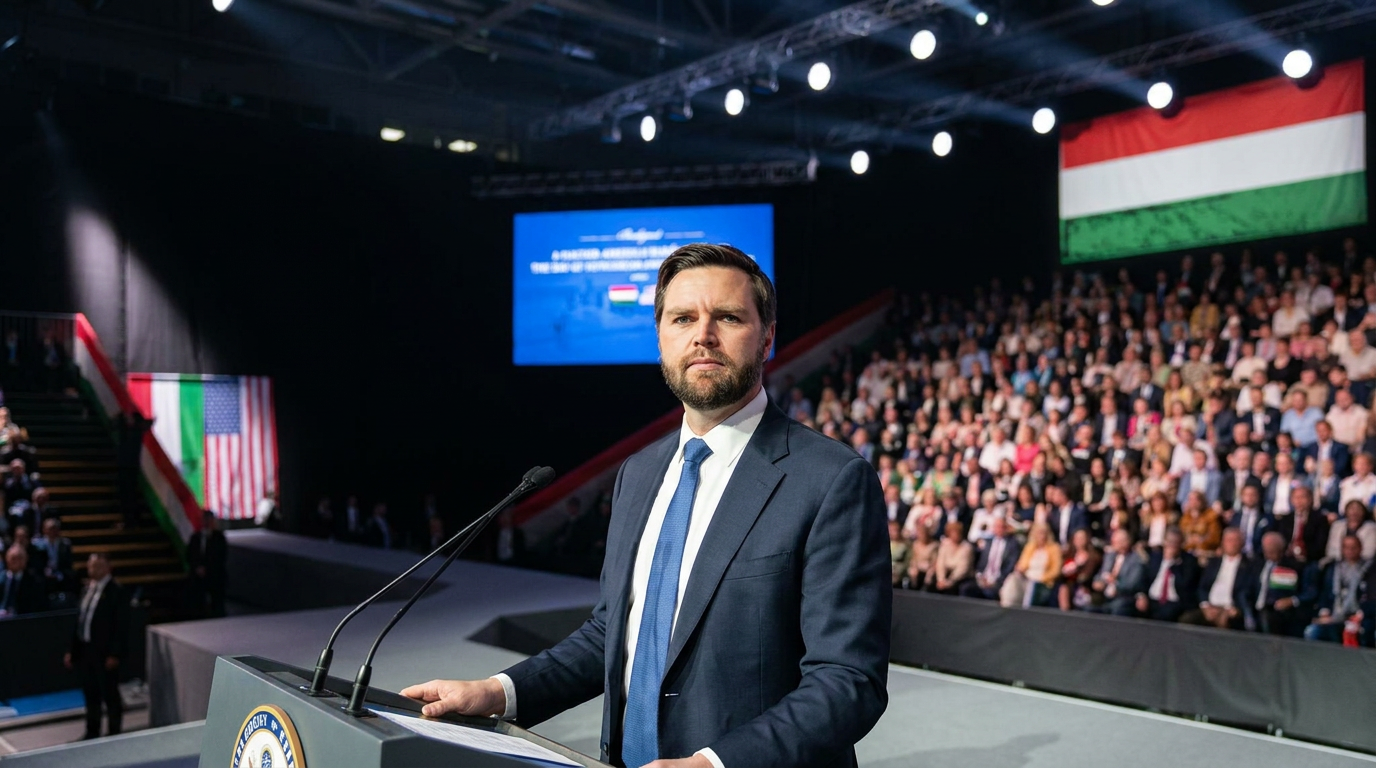
Technical negotiations to implement the newly signed 14-point memorandum of understanding between the United States and Iran have been abruptly suspended, casting an immediate shadow over the fragile ceasefire ending the 112-day war. U.S. Vice President JD Vance, who is leading the diplomatic effort for the Trump administration, cancelled his planned flight to the Swiss village of Obbürgen late Thursday night. Dozens of White House officials, advance staffers, and international media had already gathered in Switzerland in anticipation of Friday's summit. The sudden halt to the diplomatic momentum underscores the deep mistrust between Washington and Tehran, even after both nations signed the landmark agreement on Wednesday to formally end military operations.[1][2][4]
The primary claim emerging from the cancellation centers on a dispute over the sequencing of implementation. The White House officially downplayed the suspension, with a spokesperson citing the "predictable logistics" of complex negotiations as the reason for Vance's grounded flight at Joint Base Andrews. However, evidence from regional media paints a different picture of the diplomatic breakdown. Iranian semi-official outlets, including the Tasnim news agency, assert that Tehran deliberately delayed sending its delegation. Iranian negotiators are reportedly demanding to see immediate, tangible signs of U.S. sanctions relief and the unfreezing of assets before they will sit down for technical talks.[1][5]
At the core of the 14-point agreement is a 60-day window designed to forge a permanent understanding regarding Iran's nuclear ambitions. According to the text of the memorandum, Iran has agreed to the onsite "down-blending" of its highly enriched uranium stockpile and has committed to allowing comprehensive inspections by the International Atomic Energy Agency (IAEA). In the document, Tehran reiterates its decades-long stance that it will not develop nuclear weapons, a position that has been heavily scrutinized by successive U.S. administrations. The enforcement mechanisms for these nuclear concessions remain vague, which was intended to be the primary focus of the cancelled Swiss summit.[4]
In exchange for these verifiable nuclear concessions, the United States has proposed a massive economic lifeline aimed at stabilizing the war-torn nation. The agreement outlines the creation of a $300 billion reconstruction and investment fund, alongside the immediate issuance of sanctions waivers for Iranian oil exports. The sheer scale of the financial incentives reflects the administration's push to definitively close the theater of war and prevent a total collapse of the Iranian state economy. However, hawkish critics in Washington have already begun questioning the oversight of such a massive capital injection.[4][6]

Despite the diplomatic stall in Switzerland, there is strong evidence that the military and economic components of the ceasefire are already taking effect on the water. On Thursday, the United States officially lifted its naval blockade on Iranian ports, a major concession that immediately altered global energy markets. Commercial oil tankers, including French-flagged LNG vessels and Panamanian cargo ships, have successfully resumed transit through the Strait of Hormuz. Oil prices subsequently dropped to their lowest levels since early March, signaling market confidence in the maritime truce.[4][6]
Analysts anticipate that the waterway—which historically handles roughly one-fifth of the global oil supply—will return to its pre-war capacity of 135 ships per day in the coming months. The resumption of safe passage through the Strait is widely considered the most immediate and tangible success of the 14-point memorandum, providing critical relief to energy-importing nations that faced severe shortages and skyrocketing inflation during the 112-day conflict. The swift market reaction underscores how deeply intertwined Middle Eastern geopolitics remain with global macroeconomic stability.[4][6]

The swift market reaction underscores how deeply intertwined Middle Eastern geopolitics remain with global macroeconomic stability.
While the physical blockade has ended, transparent uncertainty remains regarding the long-term governance of the Strait of Hormuz. The memorandum guarantees the reopening of the transit corridor, but Tehran has signaled a departure from pre-war international maritime norms established under the UN Convention on the Law of the Sea. Iranian officials have indicated their intention to jointly manage the waterway with neighboring Oman and begin collecting transit fees from international shipping companies. It remains unclear how the United States and global energy conglomerates will respond to this proposed toll system.[6]
A critical point of contention is whether the 14-point agreement fully binds Israeli military operations against Iranian proxy networks. The memorandum proclaims a comprehensive ceasefire on all fronts, explicitly including a halt to attacks in Lebanon. Nevertheless, the Israel Defense Forces (IDF) have continued to conduct targeted airstrikes in southern Lebanon. The ongoing bombardment in the north highlights the profound difficulty of enforcing a bilateral U.S.-Iran agreement on regional allies who maintain their own distinct security imperatives and threat perceptions.[6][7]
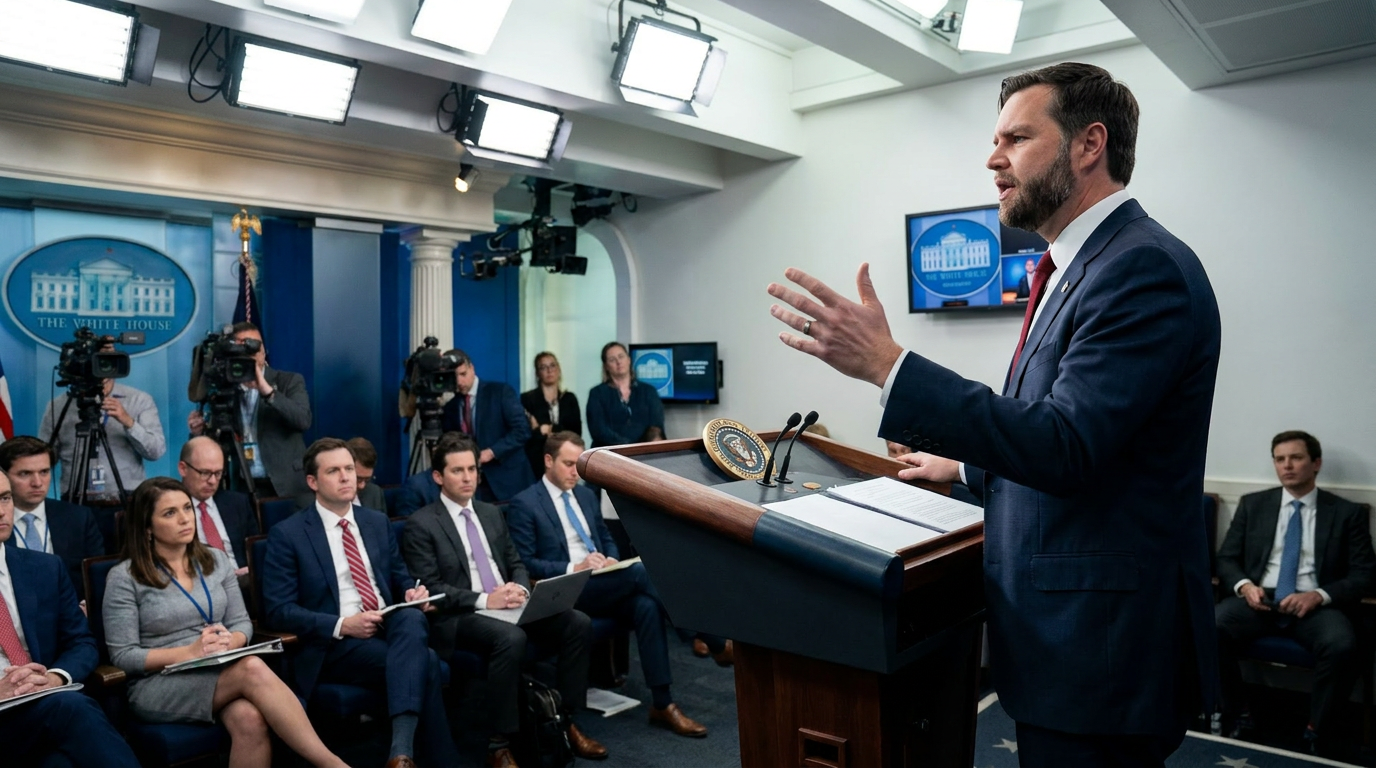
The IDF claims these operations are strictly defensive, citing instances where Hezbollah operatives allegedly violated the truce by deploying explosive devices against Israeli troops. The strikes have triggered alarm in Washington, with Vice President Vance publicly criticizing the operations. Vance warned reporters that explosions in civilian centers are "not acceptable" and threaten to derail the broader peace process just as a breakthrough appears imminent, reflecting growing friction between the U.S. administration and Israeli leadership over the ceasefire's scope.[2][6][7]
The urgency to solidify the ceasefire is driven by the catastrophic human cost of the 112-day conflict, though exact casualty figures remain heavily obscured. The BBC reports that thousands of individuals have been killed across the region since the U.S. and Israel launched surprise airstrikes on February 28. The conflict rapidly expanded from targeted assassinations of high-ranking officials to the widespread bombardment of military installations and civilian infrastructure across multiple nations, creating a sprawling humanitarian crisis that international aid organizations are struggling to address.[3]
However, experts caution that the evidence supporting specific death tolls is currently weak and highly fragmented. Widespread internet blackouts, deliberate government censorship in Tehran, and the sheer scale of infrastructure destruction in Lebanon and Iran have severely hampered independent verification efforts by human rights organizations. Until international observers and journalists can safely access the impacted zones without restriction, the true human toll of the war may remain unknown, leaving a void often filled by competing state narratives.[3]
The economic devastation wrought by the conflict provides the strongest evidence for why both sides ultimately rushed to sign the memorandum. The 112-day war triggered a severe global fuel crisis and inflicted catastrophic financial damage across the Middle East. Preliminary assessments indicate that the war cost the U.S. military upwards of $29 billion in operational expenses and munitions, while neighboring Arab states absorbed roughly $120 billion in economic shocks due to disrupted trade and airspace closures.[6]

The Iranian government's internal assessments are even more staggering, placing the damage to their domestic economy and infrastructure at a minimum of $300 billion, with some estimates reaching as high as $1 trillion. In Washington, the Trump administration is aggressively marketing the 14-point memorandum as a historic victory that ends this financial hemorrhage and secures global energy markets, pushing back against critics who argue the concessions are too steep.[4][6]
Conversely, in Tehran, the newly installed Supreme Leader Mojtaba Khamenei publicly approved the memorandum but characterized it as a pragmatic necessity rather than a diplomatic triumph. Khamenei warned that Iran will not tolerate excessive American demands during the upcoming technical talks, promising a decisive response if the United States breaches the terms of the interim treaty. As the 60-day negotiation window opens, the immediate cancellation of the Obbürgen summit highlights the extreme fragility of the truce, leaving the diplomatic architecture required to sustain the peace entirely unbuilt.[1][2][5]
How we got here
Feb 28, 2026
U.S. and Israel launch surprise airstrikes on Iran, sparking a 112-day regional war.
June 17, 2026
The U.S. and Iran sign a 14-point Memorandum of Understanding to end hostilities.
June 18, 2026
The U.S. lifts its naval blockade, allowing oil tankers to resume transit through the Strait of Hormuz.
June 19, 2026
Planned technical implementation talks in Switzerland are abruptly cancelled.
Viewpoints in depth
U.S. Administration's view
Framing the memorandum as a historic victory that secures global energy markets.
The Trump administration is aggressively marketing the 14-point memorandum as a definitive end to a generational conflict. By securing the reopening of the Strait of Hormuz and extracting commitments for nuclear down-blending, U.S. officials argue they have neutralized the immediate threat to global economic stability. Vice President JD Vance's public criticism of Israeli strikes in Lebanon underscores the administration's intense focus on preserving the fragile diplomatic breakthrough, even at the cost of friction with traditional regional allies.
Iranian Leadership's view
Viewing the agreement as a pragmatic necessity while demanding upfront economic relief.
For Tehran, the ceasefire is a necessary measure to halt the devastating economic and infrastructural damage inflicted over the 112-day war. Supreme Leader Mojtaba Khamenei has framed the agreement not as a capitulation, but as a calculated pause. Iranian negotiators are leveraging their participation in the upcoming technical talks to demand immediate, tangible signs of U.S. sanctions relief—specifically the unfreezing of assets and the establishment of the $300 billion reconstruction fund—before committing to verifiable nuclear concessions.
Israeli Security Establishment's view
Maintaining skepticism of the ceasefire and prioritizing ongoing military operations against proxy groups.
Israeli leadership remains highly skeptical of the bilateral U.S.-Iran agreement, particularly its ability to constrain proxy networks like Hezbollah. Despite the memorandum proclaiming a comprehensive ceasefire on all fronts, the Israel Defense Forces have continued targeted airstrikes in southern Lebanon. The Israeli security establishment argues these operations are strictly defensive responses to ongoing threats, signaling that Jerusalem will not allow a broader diplomatic pact to compromise its immediate border security imperatives.
What we don't know
- Whether the proposed $300 billion U.S. reconstruction fund will face insurmountable opposition from hawkish lawmakers in Washington.
- How the international community will respond to Iran's proposal to jointly manage and collect tolls in the Strait of Hormuz with Oman.
- The exact civilian death toll of the 112-day war, which remains obscured by internet blackouts and government censorship.
Key terms
- 14-Point Memorandum
- An interim ceasefire agreement signed between the U.S. and Iran outlining military de-escalation, nuclear limits, and economic relief.
- Down-blending
- The process of reducing the concentration of fissile isotopes in enriched uranium, rendering it unusable for nuclear weapons.
- Strait of Hormuz
- A crucial maritime chokepoint between the Persian Gulf and the Gulf of Oman, through which roughly one-fifth of the world's oil supply passes.
- IAEA
- The International Atomic Energy Agency, the United Nations watchdog responsible for monitoring and inspecting nuclear programs.
Frequently asked
Why were the Switzerland peace talks cancelled?
The White House cited logistical issues, while Iranian media indicated Tehran is waiting to see tangible implementation of sanctions relief before proceeding with technical talks.
Does the ceasefire apply to Israel and Hezbollah?
The 14-point agreement includes a ceasefire on all fronts, but Israel has continued striking Hezbollah targets in Lebanon, claiming the group violated the truce with explosive devices.
What happens to Iran's nuclear program under the deal?
Iran agreed to down-blend its highly enriched uranium stockpile and permit IAEA inspections, while maintaining its stance that it will not develop nuclear weapons.
How many people died in the 112-day war?
While exact figures remain unknown due to severe media and internet restrictions, experts estimate thousands of casualties across the region.
Sources
Source coverage
7 outlets
5 viewpoints surfaced






[1]The GuardianIsraeli Security Establishment
US-Iran talks in Switzerland abruptly called off
Read on The Guardian →[2]Al JazeeraU.S. Administration
Iran war day 112: Vance defends Tehran ‘deal’ but Switzerland trips are off
Read on Al Jazeera →[3]BBCHuman Rights Observers
Thousands killed in US-Israeli war on Iran - but experts say true total may never be known
Read on BBC →[4]CBC NewsGlobal Energy Markets
U.S Vice-President JD Vance pulled out of a planned trip to meet Iranian negotiators in Switzerland
Read on CBC News →[5]The Irish TimesIranian Leadership
Talks set to take place on Friday between the United States and Iran on implementing the 14-point agreement cancelled
Read on The Irish Times →[6]EA WorldViewGlobal Energy Markets
US-Israel Wars, Day 112: Trump Concedes Failure By Signing Iran Memo
Read on EA WorldView →Middle East crisis live: Israel strikes targets in Lebanon as US-Iran talks in Switzerland called off
Read on The Guardian →

Every angle. Every day.
Get news politics stories with full source coverage and perspective breakdowns delivered to your inbox.