
US-Iran Peace Talks in Switzerland Abruptly Cancelled Days After 14-Point Ceasefire
A highly anticipated summit in Switzerland to implement a 14-point agreement ending the 112-day US-Iran war has been abruptly called off. The cancellation raises immediate questions about the fragility of the ceasefire and the 60-day window to negotiate a permanent nuclear and oil traffic settlement.
By Factlen Editorial Team
- US Administration
- Argues the 14-point MOU is the only viable off-ramp to prevent a wider regional war and stabilize global energy markets.
- Israeli Leadership & Allies
- Views the ceasefire with deep skepticism, arguing it empowers Tehran, and maintains the right to strike Iran-backed proxies.
- Iranian Leadership
- Frames the 112-day conflict as a strategic victory while urgently seeking the end of the US blockade for economic relief.
- Independent Observers
- Focuses on the devastating, unquantified human toll of the war and doubts the longevity of a peace deal built on a fragile foundation.
What's not represented
- · Lebanese civilians affected by ongoing strikes
- · Global shipping companies navigating the maritime blockade
Why this matters
The collapse of the Obbürgen summit threatens the first viable off-ramp in a 112-day conflict that has paralyzed global oil transit and reshaped Middle Eastern security. If the 14-point memorandum fails, a return to active hostilities could immediately spike energy prices and draw neighboring states deeper into the war.
Key points
- A crucial US-Iran summit in Switzerland to implement a recent ceasefire has been abruptly cancelled.
- The summit was meant to operationalize a 14-point agreement ending 112 days of direct military conflict.
- The deal includes a 60-day window to negotiate permanent terms regarding Iran's nuclear program and global oil traffic.
- The cancellation coincides with ongoing Israeli strikes in Lebanon against Iran-backed groups.
- Experts warn the true death toll of the 112-day war may never be known due to severe information blackouts.
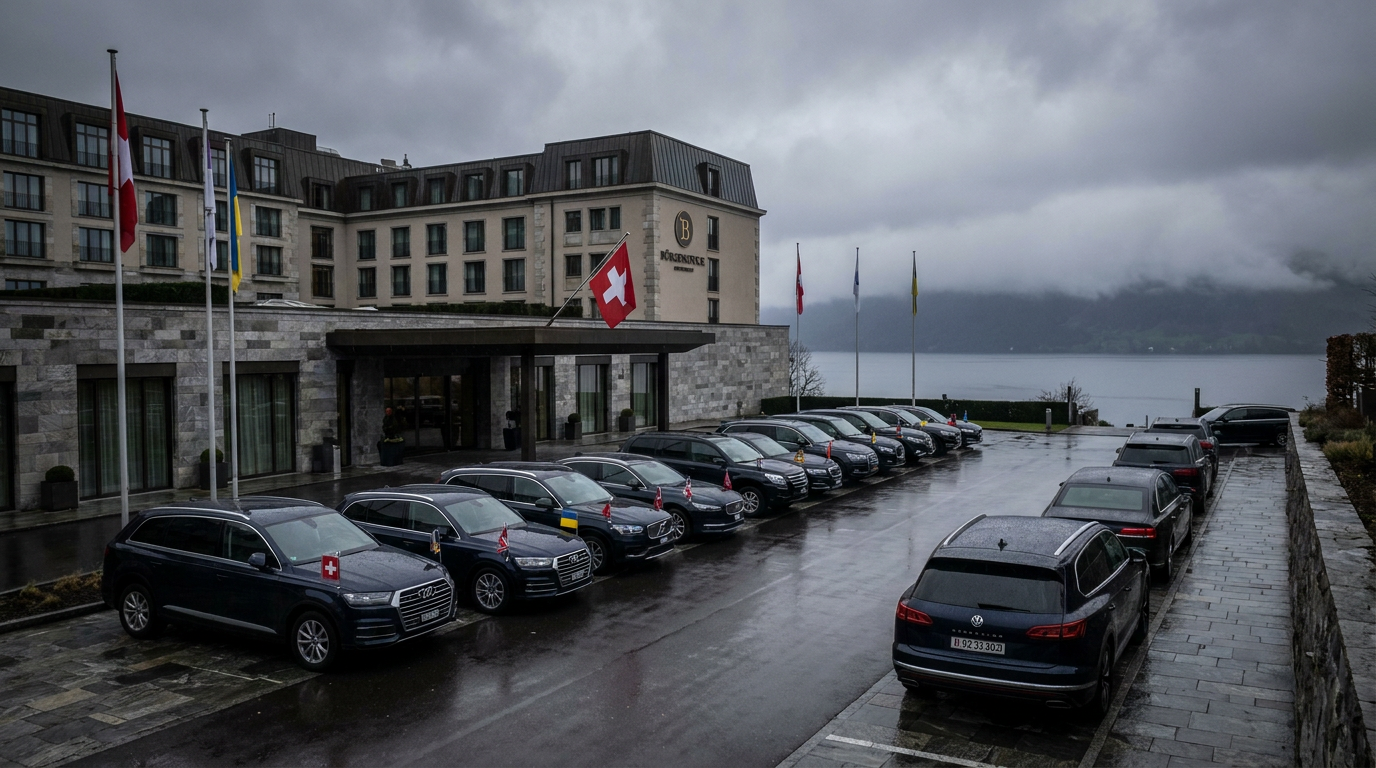
A critical diplomatic summit between the United States and Iran, scheduled to take place in the Swiss village of Obbürgen, has been abruptly cancelled just days after the two nations signed a memorandum of understanding to end their 112-day war. Switzerland’s foreign ministry announced the cancellation early Friday morning, offering little immediate explanation for the collapse of the high-stakes meeting. The sudden reversal has cast a deep shadow over the viability of the ceasefire, leaving international observers scrambling to determine whether the broader peace framework remains intact.[1]
The logistical unraveling of the summit was swift and highly visible. Staff for JD Vance were already positioned at an airbase, prepared to fly to the Bürgenstock resort for the Friday talks, when the trip was suddenly called off. The abrupt grounding of the US delegation underscores the fragility of the diplomatic channels that had only just begun to reopen after nearly four months of intense military confrontation.[1][2]
At the center of the diplomatic effort is a 14-point memorandum of understanding (MOU) signed earlier this week. The agreement was designed to serve as a bridge out of the immediate conflict, opening a strict 60-day window for negotiators to hammer out a permanent understanding regarding Iran’s nuclear program. Crucially, the MOU also aimed to secure the resumption of normal oil traffic, which has been severely disrupted by wartime blockades and maritime skirmishes.[1][7]
The mechanism of the 60-day window was intended to separate immediate de-escalation from long-term geopolitical resolutions. By pausing hostilities, both Washington and Tehran theoretically gained the breathing room required to address the most intractable issues—namely, the scope of uranium enrichment and the lifting of crippling economic blockades. The Obbürgen summit was meant to be the first operational step in executing that 14-point roadmap.[1][6]

While the exact trigger for the summit's cancellation remains officially opaque, the diplomatic breakdown coincides with a surge in regional violence that threatens to pull the ceasefire apart at the seams. The cessation of direct US-Iran hostilities has not translated into a broader regional calm, complicating the political calculus for negotiators on all sides.[4][6]
In Lebanon, the Israeli Defense Forces have continued to launch strikes against targets, claiming that Iran-backed groups have repeatedly violated the terms of the ceasefire. These ongoing military operations highlight the deeply interconnected nature of the conflict, where proxy actions and allied security concerns can easily derail bilateral agreements between Washington and Tehran.[4]

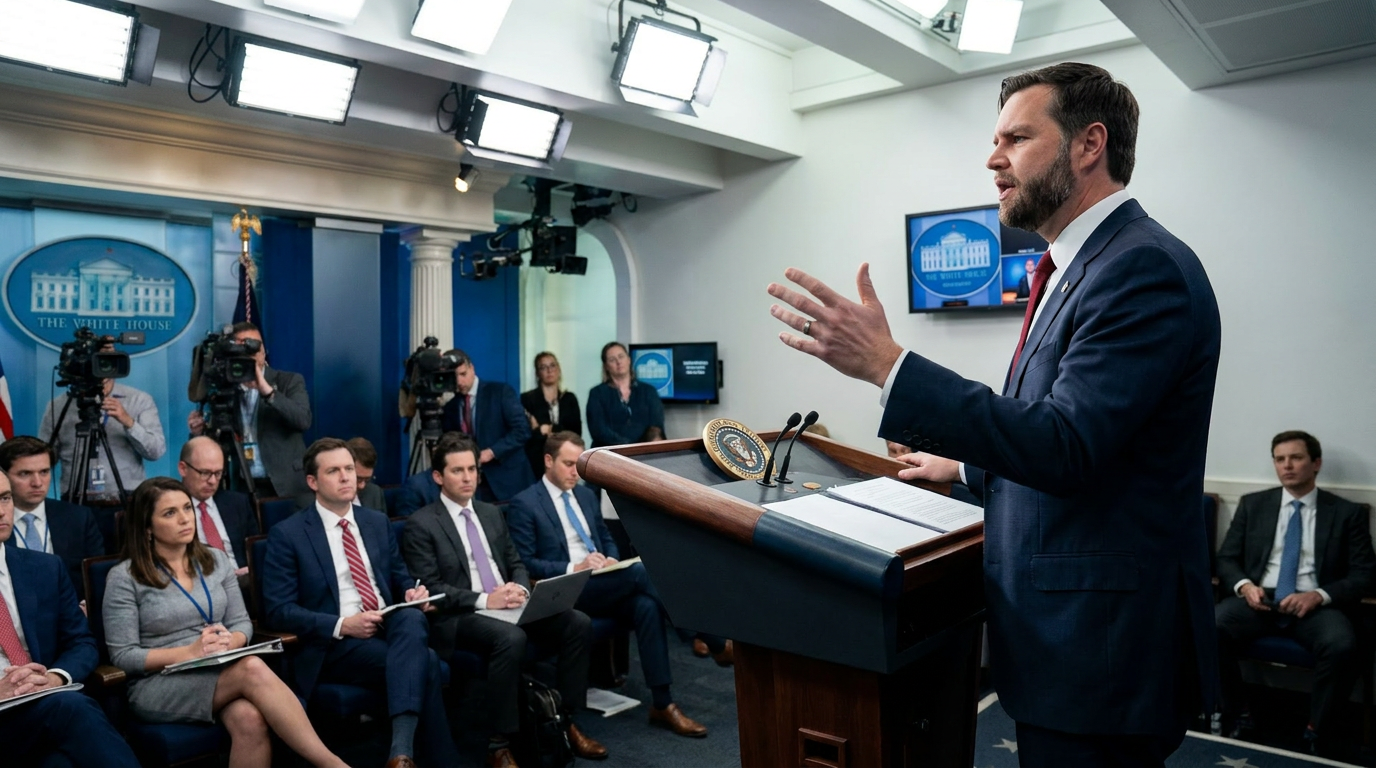
Amid the collapsing summit, JD Vance has found himself playing a dual role: defending the 14-point deal to a skeptical domestic audience while simultaneously attempting to reassure deeply concerned allies in Israel. Addressing critics of the Iran deal within Israel, Vance delivered a stark message, emphasizing that the current US administration remains their most reliable—and perhaps only—steadfast ally on the global stage, even as Washington pursues a negotiated off-ramp with Tehran.[2][8]
The US administration's broader strategic calculus hinges on ending the maritime blockade and stabilizing global energy markets without conceding ground on nuclear non-proliferation. Proponents of the 14-point MOU argue that the agreement, while imperfect, is the only realistic mechanism to prevent a wider, uncontainable regional war that could draw in additional global powers.[2][6]
In Tehran, the government has adopted a dual narrative, hailing what it describes as wartime gains while simultaneously pushing for the economic relief promised by the end of the US blockade. Iranian officials have positioned the 14-point agreement as a necessary step to alleviate severe domestic economic pressure, though hardline factions remain deeply suspicious of Washington's commitment to the 60-day negotiation window.[2]
Beyond the diplomatic maneuvering, the human toll of the 112-day war remains staggering and largely unquantified. Experts and humanitarian organizations report that thousands have been killed in the US-Israeli war on Iran, but the true scale of the devastation is obscured by the fog of war. The conflict has seen widespread destruction of infrastructure, displacing civilian populations across multiple conflict zones.[3]
Efforts to accurately document the casualties have been severely hampered by systemic information blackouts. Widespread internet outages, strict media censorship, and government restrictions across the region have made it nearly impossible for independent monitors to verify death tolls. As a result, the historical record of the 112-day conflict may remain permanently incomplete.[3]

Furthermore, regional analysts point out that the intense global focus on the US-Iran bilateral negotiations has overshadowed ongoing crises elsewhere in the Middle East. Human rights observers note that while the world watches the diplomatic drama in Switzerland, severe violence continues unabated in the Palestinian territories, raising concerns that the 14-point MOU ignores the broader structural conflicts driving regional instability.[5]
The economic stakes of the diplomatic breakdown are equally high. Global oil markets, which had briefly stabilized following the signing of the MOU, are now bracing for renewed volatility. The 60-day window was explicitly designed to unblock oil traffic and secure maritime transit routes; without face-to-face implementation talks, energy analysts warn that shipping companies may refuse to resume normal operations, keeping supply chains constrained.[7]

What comes next remains highly uncertain. The 14-point memorandum of understanding remains technically signed, but the lack of an implementation summit leaves the diplomatic off-ramp highly vulnerable to collapse. Whether the 60-day negotiation window can survive without the Obbürgen talks—and whether the fragile ceasefire can hold amid ongoing regional strikes—will determine if the Middle East steps back from the brink or plunges back into active war.[1][6]
How we got here
Day 1 to 112
The United States and Iran engage in direct military conflict, resulting in thousands of casualties and severe disruptions to global oil traffic.
Earlier this week
Washington and Tehran sign a 14-point memorandum of understanding to halt hostilities and open a 60-day negotiation window.
Thursday
Israeli forces continue strikes in Lebanon, claiming Iran-backed groups violated the broader ceasefire terms.
Friday morning
Switzerland's foreign ministry announces the abrupt cancellation of the Obbürgen implementation summit.
Viewpoints in depth
The US Administration's Calculus
Washington views the 14-point agreement as a necessary mechanism to prevent a wider war.
For the US administration, the 14-point MOU represents the most viable off-ramp from a conflict that has severely strained global energy markets and military resources. Officials argue that the 60-day window provides crucial breathing room to address the core issues of nuclear enrichment and maritime security without the immediate pressure of active combat. However, the administration faces immense pressure to prove that the diplomatic route will not simply allow Tehran to regroup and rearm.
Israel's Security Stance
Israeli leadership remains deeply skeptical of the ceasefire, viewing it as a concession to Tehran.
Israeli officials and their allies view the 14-point agreement with profound concern, arguing that any pause in military pressure emboldens Iran and its regional proxies. This skepticism is reflected in Israel's continued military operations in Lebanon, which the IDF justifies as necessary responses to ceasefire violations by Iran-backed groups. For Israel, the cancellation of the Swiss summit may be seen as validation that Tehran cannot be trusted to uphold diplomatic frameworks.
Tehran's Strategic View
Iran seeks an end to the economic blockade while projecting strength domestically.
The Iranian government has framed the 112-day conflict as a demonstration of its resilience, hailing wartime gains to a domestic audience. At the same time, Tehran is acutely aware of the devastating impact of the US-led blockade on its economy. The 14-point MOU is viewed by Iranian pragmatists as a necessary tool to secure economic relief and resume oil exports, though hardline factions remain deeply opposed to any concessions regarding the nation's nuclear program.
What we don't know
- The specific diplomatic or military trigger that caused the abrupt cancellation of the Obbürgen summit.
- Whether the 60-day negotiation window can remain open without face-to-face implementation talks.
- The true casualty count of the 112-day war, which remains obscured by internet blackouts and media censorship.
Key terms
- 14-Point MOU
- A memorandum of understanding signed between the US and Iran outlining the initial steps to end their 112-day military conflict.
- Obbürgen Summit
- The planned diplomatic meeting in Switzerland intended to implement the 14-point ceasefire agreement.
- 60-Day Window
- The designated timeframe established by the MOU for Washington and Tehran to negotiate a permanent settlement on nuclear enrichment and oil transit.
Frequently asked
Why were the Switzerland talks cancelled?
The exact reason remains officially undisclosed, but the cancellation occurred amid ongoing regional violence, including Israeli strikes in Lebanon, and deep political skepticism regarding the 14-point agreement.
Is the US-Iran war still ongoing?
A 14-point memorandum of understanding was signed to halt the 112-day war, but the cancellation of the implementation summit raises fears that active hostilities could resume.
What was the 60-day window supposed to achieve?
The 60-day period was designed to give negotiators time to reach a permanent agreement on limiting Iran's nuclear program and ending the blockade on global oil traffic.
Sources
Source coverage
8 outlets
4 viewpoints surfaced






[1]The GuardianIndependent Observers
US-Iran talks in Switzerland abruptly called off
Read on The Guardian →[2]Al JazeeraIranian Leadership
Iran war day 112: Vance defends Tehran ‘deal’ but Switzerland trips are off
Read on Al Jazeera →[3]BBCIndependent Observers
Thousands killed in US-Israeli war on Iran - but experts say true total may never be known
Read on BBC →Middle East crisis live: Israel strikes targets in Lebanon as US-Iran talks in Switzerland called off
Read on The Guardian →Behind the noise of an ‘Iran deal’, Palestine continues to burn
Read on Al Jazeera →[6]NYTUS Administration
US-Iran Ceasefire Faces Immediate Test as Swiss Summit Collapses
Read on NYT →[7]ReutersUS Administration
Oil markets brace as US-Iran Obbürgen talks called off
Read on Reuters →[8]Fox NewsIsraeli Leadership & Allies
Vance defends Iran ceasefire to skeptical Israeli allies amid Lebanon strikes
Read on Fox News →

Every angle. Every day.
Get news politics stories with full source coverage and perspective breakdowns delivered to your inbox.