
How Nutritional Psychiatry and the Gut-Brain Axis Are Reshaping Mental Health
Emerging research in 2026 highlights how the trillions of microbes in the human gut directly influence mood, anxiety, and cognitive resilience. By targeting the microbiome through diet and 'psychobiotics,' scientists are unlocking new, accessible pathways to support mental well-being.
By Factlen Editorial Team
- Nutritional Psychiatrists
- Focus on using whole-food dietary interventions as a frontline treatment for mental health.
- Microbiome Researchers
- Focus on isolating specific bacterial strains and biochemical pathways to develop targeted psychobiotics.
- Clinical Skeptics
- Warn against overpromising the benefits of the microbiome and criticize commercial 'probiotic washing.'
What's not represented
- · Food industry policymakers regulating ultra-processed ingredients
- · Agricultural scientists studying how soil microbiomes affect food nutrient density
Why this matters
Understanding the gut-brain connection empowers individuals to take an active, daily role in their mental health. By making simple dietary shifts toward fiber and fermented foods, readers can cultivate a microbiome that actively reduces systemic inflammation and supports emotional stability.
Key points
- The gut-brain axis is a bidirectional communication network linking the digestive tract to the central nervous system.
- Up to 95% of the body's serotonin, a key mood-regulating neurotransmitter, is produced in the gut.
- Diets rich in fiber and fermented foods promote beneficial bacteria that reduce systemic inflammation.
- Traditional diets are associated with a 25% to 35% lower risk of developing clinical depression.
- Scientists are actively testing 'psychobiotics'—specific bacterial strains that confer mental health benefits.
- Mindful eating helps activate the parasympathetic nervous system, improving digestion and microbiome diversity.
For decades, the treatment of mental health has been largely confined to the brain, focusing on neurochemistry, trauma, and psychological interventions. But a quiet revolution in medicine is shifting the geographic center of human emotion downward. The burgeoning field of nutritional psychiatry posits a radical yet biologically grounded claim: the food we consume is one of the most potent regulators of our mood, anxiety, and cognitive resilience. This paradigm shift moves diet from a footnote in psychiatric care to a frontline intervention, empowering patients with a daily, accessible tool to support their mental well-being.[4][7]
The foundation of this approach is the microbiota-gut-brain axis, a bidirectional communication network linking the central nervous system to the trillions of microorganisms residing in the human digestive tract. Far from being a passive tube for nutrient absorption, the gastrointestinal tract is lined with approximately 100 million nerve cells, earning it the moniker of the "second brain." This complex enteric nervous system is in constant dialogue with the brain, transmitting signals that dictate not just hunger and satiety, but stress, fear, and contentment.[1][4]
The primary physical conduit for this chatter is the vagus nerve, a cranial superhighway that wanders from the brainstem down through the abdomen. When the gut is inflamed or dysbiotic—meaning its microbial community is imbalanced—distress signals travel rapidly up the vagus nerve, triggering neuroinflammation in the brain. Conversely, a healthy, diverse microbiome sends signals that promote neural plasticity and emotional stability. Researchers are increasingly viewing the vagus nerve not just as a communication cable, but as a therapeutic target that can be modulated by what we put on our plates.[1][3]
Beyond electrical signaling, the gut exerts profound chemical control over the brain. It is a staggering biochemical reality that an estimated 90 to 95 percent of the body's serotonin—a crucial neurotransmitter that regulates sleep, appetite, and mood—is manufactured in the gastrointestinal tract. The production of serotonin and other vital neurotransmitters, such as dopamine and gamma-aminobutyric acid (GABA), is highly dependent on the metabolic activity of gut bacteria. When the microbiome is starved of its preferred fuels, the production of these mood-stabilizing chemicals plummets.[4][7]

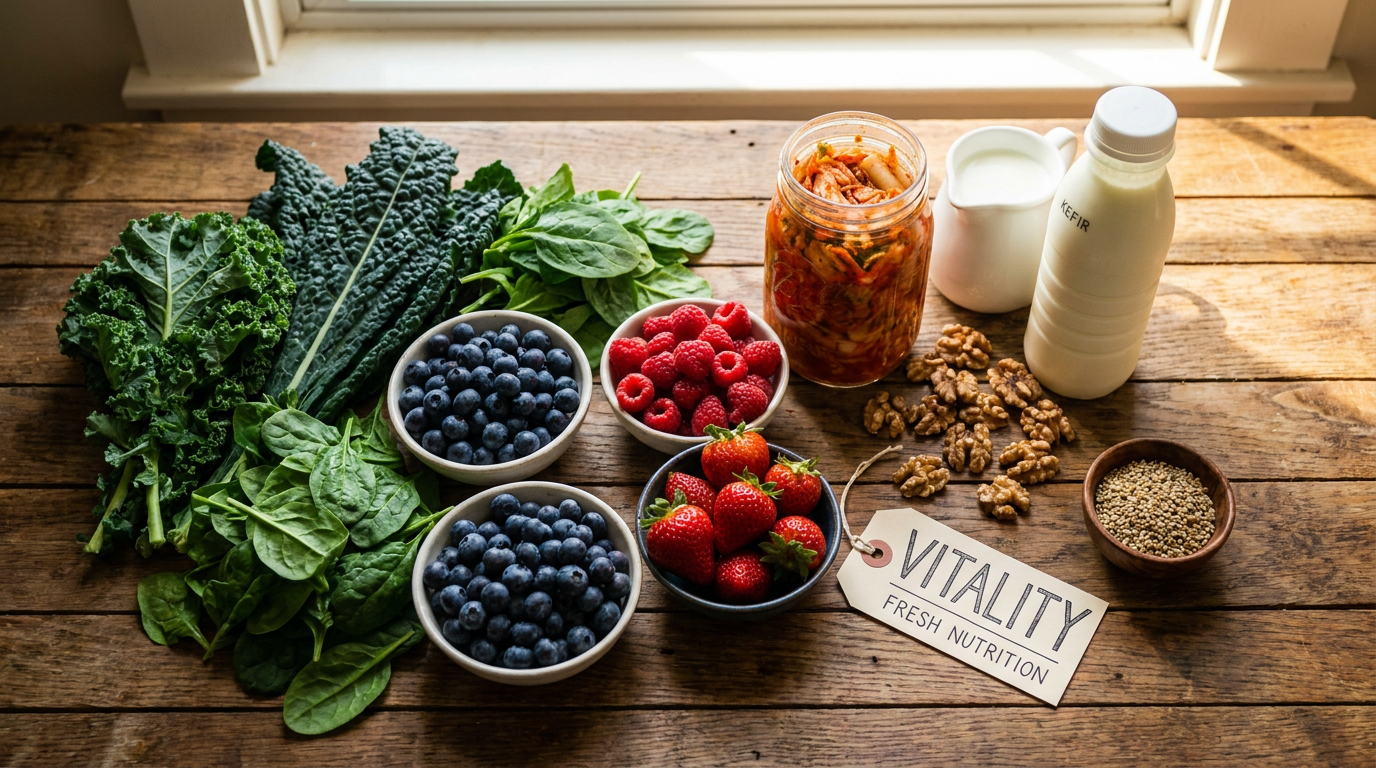
The preferred fuel for these beneficial microbes is dietary fiber, found abundantly in whole grains, legumes, fruits, and vegetables. As gut bacteria ferment this fiber, they produce short-chain fatty acids (SCFAs) like butyrate, acetate, and propionate. These SCFAs are metabolic superheroes; they strengthen the intestinal barrier, preventing toxins from leaking into the bloodstream, and exert powerful anti-inflammatory effects throughout the body, including the brain. A 2026 comprehensive review in the Annual Review of Food Science and Technology highlighted that diets rich in fiber and fermented foods consistently correlate with improved stress responses and cognitive function.[1][2]
The epidemiological evidence supporting nutritional psychiatry is robust and growing. Large-scale observational studies have repeatedly compared standard Western diets—characterized by ultra-processed foods, high refined sugars, and saturated fats—with traditional dietary patterns like the Mediterranean or traditional Japanese diets. The findings are striking: individuals adhering to traditional, whole-food diets experience a 25 to 35 percent lower risk of developing clinical depression. Ultra-processed foods, conversely, act as microbial disruptors, starving beneficial bacteria and feeding inflammatory strains that exacerbate mood disorders.[2][4]

The epidemiological evidence supporting nutritional psychiatry is robust and growing.
This understanding has birthed a new frontier in both microbiology and mental health: the study of "psychobiotics." Coined just over a decade ago, the term refers to live bacteria that, when ingested in adequate amounts, confer a mental health benefit to the host. While early probiotic research focused almost exclusively on digestive ailments, 2026 has seen psychobiotics enter rigorous clinical trials specifically targeting anxiety, depression, and cognitive decline. Researchers are now identifying these microbes down to the specific strain level, moving beyond generic yogurt cultures into targeted psychiatric therapies.[6][7]
Specific strains are showing remarkable promise in modulating human emotion. For instance, Lactobacillus plantarum and Bifidobacterium breve have demonstrated the ability to influence dopamine and serotonin pathways, alleviating symptoms of depression and sleep disorders in clinical settings. Another microbe, Akkermansia muciniphila, which thrives on the polyphenols found in colorful berries and grapes, has been linked to antidepressant effects and improved cognition. These psychobiotics can be consumed via targeted supplements or acquired naturally through fermented foods like kimchi, kefir, sauerkraut, and miso.[6]
The clinical application of these findings is accelerating. Ongoing double-blind, placebo-controlled trials, such as those cataloged recently on ClinicalTrials.gov, are actively measuring the impact of specific psychobiotic cocktails on the mental health, systemic inflammation, and quality of life of diverse patient populations. By tracking biomarkers like C-reactive protein alongside validated psychological scales, researchers are building a concrete, evidence-based bridge between gastroenterology and psychiatry, proving that microbial interventions can yield quantifiable psychiatric improvements.[5]

However, the benefits of nutritional psychiatry extend beyond the biochemical properties of the food itself; the manner in which we eat plays a critical role. A 2026 paper in Frontiers in Nutrition argues that mindful eating is the next therapeutic frontier in this space. Chronic stress and distracted, rushed eating heighten sympathetic nervous system tone—the "fight or flight" response—which impairs digestion and alters gut motility. By fostering a parasympathetic "rest and digest" state during meals, mindful eating improves vagal tone, creating a physiological environment that allows diverse, resilient gut microbiota to flourish.[3]
Despite the immense promise of the gut-brain axis, clinical skeptics urge caution against overpromising. The science of the microbiome is still in its adolescence, and human gut environments are as unique as fingerprints. A dietary intervention or psychobiotic strain that dramatically alleviates anxiety in one individual might have a negligible effect on another. Furthermore, the translation of animal model successes into human clinical practice is notoriously fraught, requiring massive, long-term human trials to establish standardized, efficacious dosages.[7][8]
There is also the persistent danger of "probiotic washing" by the wellness and supplement industries. As the gut-brain connection gains mainstream traction, consumers are bombarded with aggressively marketed supplements claiming to cure depression or eliminate anxiety. Many of these commercial products lack the specific, clinically validated strains required to cross the gut-brain threshold, or they fail to deliver the bacteria alive to the lower intestine. Experts emphasize that supplements should never replace foundational psychiatric care or a fundamentally sound diet.[8]

For the general public, the actionable takeaways from nutritional psychiatry are delightfully straightforward and empowering. Experts universally recommend "fixing the food first" before turning to expensive supplements. This means dramatically reducing the intake of ultra-processed foods and artificial additives that disrupt microbial harmony. Instead, the focus should be on dietary diversity: incorporating a wide spectrum of colorful plants, high-quality fibers, and naturally fermented foods to cultivate a lush, resilient internal ecosystem.[4][7]
Ultimately, the rise of nutritional psychiatry does not invalidate traditional psychiatric treatments like therapy or medication; rather, it offers a vital, synergistic adjunct. By recognizing that the brain does not exist in an isolated vacuum, medicine is moving toward a more holistic, preventative model of mental health care. Every meal presents an opportunity to nourish not just our physical bodies, but our minds, proving that the path to emotional well-being may very well begin on our plates.[1][7]
How we got here
Early 20th Century
Zoologist Élie Metchnikoff first theorizes that the lactic acid bacteria in yogurt contribute to longevity and well-being.
2013
The term 'psychobiotics' is coined to describe live organisms that, when ingested, produce mental health benefits.
2015
The International Society for Nutritional Psychiatry Research advocates for nutritional medicine to become a mainstream element of psychiatric practice.
2020s
Advances in metagenomics allow researchers to identify gut microbes down to the specific strain level, accelerating targeted therapies.
2026
Clinical trials increasingly test specific psychobiotic strains alongside dietary interventions for the treatment of mood disorders.
Viewpoints in depth
Nutritional Psychiatrists
Clinicians who integrate dietary interventions alongside traditional psychiatric treatments.
This camp views food as foundational to mental health, arguing that the brain cannot function optimally if it is deprived of essential nutrients or subjected to systemic inflammation caused by ultra-processed foods. They advocate for 'fixing the food first' and use dietary counseling as a primary tool to help patients manage anxiety, depression, and cognitive fatigue, often seeing diet as a way to reduce reliance on pharmacological interventions.
Microbiome Researchers
Scientists focused on the biological mechanisms and specific bacterial strains of the gut.
These researchers are less focused on broad dietary patterns and more interested in the precise biochemical pathways of the gut-brain axis. They study how specific 'psychobiotic' strains produce neurotransmitters and short-chain fatty acids. Their goal is to map the microbiome with enough precision to develop targeted, strain-specific therapies that can reliably cross the gut-brain threshold to treat clinical psychiatric disorders.
Clinical Skeptics
Medical professionals urging caution regarding the commercialization of microbiome science.
While acknowledging the reality of the gut-brain axis, this camp warns that the science is still in its infancy. They emphasize that human microbiomes are highly individualized, making broad claims about specific diets or probiotic supplements premature. They are particularly critical of the supplement industry's 'probiotic washing,' arguing that many commercial products lack clinical validation and that diet should never replace necessary psychiatric medications for severe mental illness.
What we don't know
- How to perfectly tailor specific psychobiotic strains and dosages to an individual's unique microbiome.
- The long-term psychiatric efficacy of commercial probiotic supplements compared to whole-food dietary changes.
- Exactly how much of the mood-boosting effect of a healthy diet is driven by the microbiome versus general nutrient density.
Key terms
- Microbiota-Gut-Brain Axis
- The two-way biochemical communication network connecting the gastrointestinal tract and the central nervous system.
- Psychobiotics
- Live bacteria (probiotics) or the fibers that feed them (prebiotics) that confer a mental health benefit to the host.
- Vagus Nerve
- A major cranial nerve that serves as the primary communication highway between the gut and the brain.
- Short-Chain Fatty Acids (SCFAs)
- Beneficial compounds produced when gut bacteria ferment dietary fiber, known for reducing inflammation and strengthening the gut barrier.
- Dysbiosis
- An imbalance in the microbial community of the gut, often linked to ultra-processed diets and systemic inflammation.
Frequently asked
Can changing my diet cure depression?
While diet is a powerful tool for managing mental health and reducing inflammation, it is not a standalone cure for severe clinical depression. Nutritional psychiatry is designed to work alongside, not replace, traditional therapies and medications.
What are the best foods for gut and brain health?
Experts recommend a diverse diet rich in high-fiber whole grains, legumes, colorful fruits and vegetables, and naturally fermented foods like yogurt, kefir, kimchi, and sauerkraut.
Should I take a probiotic supplement for my mood?
While specific 'psychobiotic' strains show promise in clinical trials, many commercial supplements lack proven efficacy. Researchers suggest 'fixing the food first' by eating a fiber-rich diet before relying on supplements.
Sources
Source coverage
8 outlets
3 viewpoints surfaced








[1]Annual Review of Food Science and TechnologyMicrobiome Researchers
From Fork to Feelings: How Foods Shape Mental Health via the Microbiota–Gut–Brain Axis
Read on Annual Review of Food Science and Technology →[2]NutrientsMicrobiome Researchers
Diet-Microbiome-Brain Interactions: A Narrative Review
Read on Nutrients →[3]Frontiers in NutritionNutritional Psychiatrists
Mindful eating as the next therapeutic frontier in nutritional psychiatry
Read on Frontiers in Nutrition →[4]Harvard HealthNutritional Psychiatrists
Nutritional psychiatry: Your brain on food
Read on Harvard Health →[5]ClinicalTrials.govMicrobiome Researchers
Psychobiotics and Mental Health in Obese Women on a Weight-Loss Diet
Read on ClinicalTrials.gov →[6]Psychology TodayMicrobiome Researchers
Psychobiotics Get Real: Microbes Entering Clinical Trials
Read on Psychology Today →[7]Factlen Editorial TeamNutritional Psychiatrists
Synthesis by Factlen editorial team
Read on Factlen Editorial Team →[8]McGill Office for Science and SocietyClinical Skeptics
A Skeptical Look at Nutritional Psychiatry
Read on McGill Office for Science and Society →

More in health
See all 6 stories →Dental Regeneration
The Science of Regrowing Teeth: How a New Antibody Drug Aims to Replace Dental Implants
8 sources
Cognitive Longevity
How the Shingles Vaccine Emerged as a Promising Defense Against Dementia
7 sources

Brain Health
New Study Links the Shingles Vaccine to a 24% Lower Risk of Dementia
7 sources
Exercise Mimetics
The Science of 'Exercise in a Pill': How AMPK Activators Could Redefine Longevity
7 sources

Every angle. Every day.
Get health stories with full source coverage and perspective breakdowns delivered to your inbox.