
The Science of 'Exercise in a Pill': How AMPK Activators Could Redefine Longevity
A new class of experimental drugs known as 'exercise mimetics' aims to replicate the metabolic benefits of physical activity without the sweat. By targeting the cellular energy sensor AMPK, these compounds could offer a breakthrough for longevity, muscle preservation, and metabolic health.
By Factlen Editorial Team
- Longevity Researchers
- Argue that targeting the root metabolic causes of aging is the key to extending human healthspan.
- Clinical Cardiometabolic Specialists
- Focus on the immediate potential of these drugs to provide safe, muscle-sparing weight loss for obese patients.
- Public Health Advocates
- Caution that while metabolically beneficial, a pill cannot replace the holistic mechanical and mental benefits of physical movement.
What's not represented
- · Professional athletes and anti-doping agencies monitoring performance enhancement
- · Health insurance providers evaluating the cost-effectiveness of preventative geroprotectors
Why this matters
As the global population ages and metabolic diseases rise, a drug that safely mimics the cellular effects of exercise could revolutionize preventative medicine, offering a lifeline to those unable to work out and providing a muscle-sparing alternative to current weight-loss drugs.
Key points
- Exercise mimetics are experimental drugs designed to replicate the cellular benefits of physical activity.
- They work by activating AMPK, the body's master energy sensor, without requiring actual energy depletion.
- Unlike current GLP-1 weight-loss drugs, AMPK activators aim to burn fat while preserving lean muscle mass.
- Cambrian BioPharma recently presented positive Phase 1b human clinical data for its AMPK activator, ATX-304.
- Experts caution that these drugs cannot replace the mechanical and mental health benefits of actual exercise.
The holy grail of preventative medicine has long been a way to bottle the benefits of physical exertion. For decades, doctors have prescribed diet and exercise as the ultimate panacea for aging, metabolic decline, and cardiovascular disease. Yet, for a significant portion of the population—due to advanced age, physical injury, or severe obesity—vigorous exercise is physically impossible or dangerously prohibitive.[7]
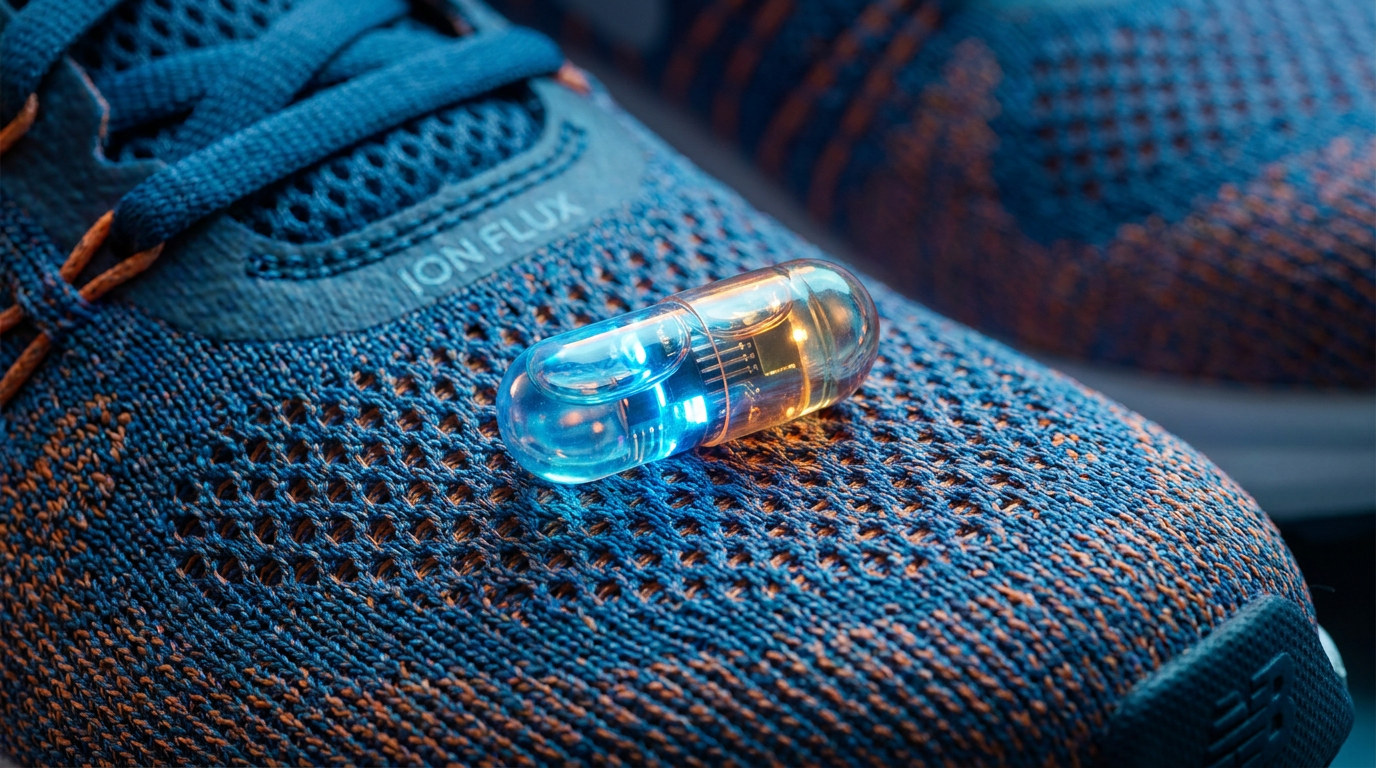
Enter the "exercise mimetic," a class of experimental therapeutics designed to trick the body's cells into believing they have just completed a grueling workout. By chemically activating the specific metabolic pathways normally triggered by physical exertion, these drugs promise to deliver the cellular benefits of exercise without a single drop of sweat.[3][7]
The concept is no longer confined to the realm of science fiction. At the American Diabetes Association’s 86th Scientific Sessions in June 2026, Cambrian BioPharma and its subsidiary Amplifier Therapeutics presented groundbreaking Phase 1b human clinical data for ATX-304, a novel compound that does exactly this.[1][2][6]
To understand how ATX-304 works, one must look at the body’s master energy sensor: AMP-activated protein kinase, or AMPK. Found in every cell, AMPK acts as a highly sensitive metabolic fuel gauge. When we exercise, our cells rapidly consume ATP (adenosine triphosphate), the primary energy currency of life, converting it into a depleted form known as AMP.[4][7]
As AMP levels rise, the cellular fuel gauge drops toward "empty." This triggers AMPK to spring into action. Once activated, AMPK forces the cell to stop storing fat and start burning it for immediate energy. It also stimulates the rapid uptake of glucose from the blood and triggers the creation of new mitochondria, the microscopic powerhouses that keep cells functioning optimally.[4]

Historically, the only way to activate AMPK was to genuinely deplete the body's energy reserves through sustained physical effort or strict caloric restriction. ATX-304 bypasses this grueling requirement entirely. It directly binds to and activates the AMPK network, initiating the fat-burning and mitochondrial-building cascade even when cellular ATP levels remain completely full.[1][2]
The clinical implications of this mechanism are profound, particularly in the current era of blockbuster weight-loss drugs. While GLP-1 receptor agonists like semaglutide and tirzepatide have revolutionized obesity treatment by powerfully suppressing appetite, they come with a significant biological drawback: up to 40% of the weight lost on these medications can be lean muscle mass.[7]
The clinical implications of this mechanism are profound, particularly in the current era of blockbuster weight-loss drugs.
This unintended muscle loss is a critical concern for aging populations, where sarcopenia—the age-related decline of muscle tissue—is already a major driver of frailty, falls, and mortality. Because ATX-304 mimics the metabolic demand of exercise, preclinical models have demonstrated that it induces "muscle-sparing" weight loss. The body burns adipose tissue while preserving, or even enhancing, muscle function and endurance.[1][2]

The downstream effects of AMPK activation extend far beyond the bathroom scale. By stimulating a transcriptional coactivator known as PGC-1α, exercise mimetics encourage skeletal muscle to shift toward slow-twitch, oxidative fibers. These are the highly efficient, fatigue-resistant muscle fibers that predominate in marathon runners, characterized by high mitochondrial density and superior fat oxidation capabilities.[3][4]
The pursuit of an exercise pill has a checkered and sometimes controversial past. In the late 2000s, a compound known as GW501516 gained notoriety for boosting running endurance in mice by an astonishing 75%. However, that drug targeted a different genetic pathway and was ultimately abandoned by pharmaceutical companies after long-term animal studies revealed an unacceptably high risk of cancer.[3][7]
Modern drug developers have learned vital lessons from these early failures. The new generation of AMPK activators, including ATX-304, are designed with strict safety profiles in mind. ATX-304 is "peripherally restricted," meaning it is engineered to act primarily on skeletal muscle and fat tissue while avoiding the brain and central nervous system, drastically minimizing the risk of off-target toxicity.[1][2]
Beyond synthetic molecules, researchers are also discovering naturally occurring exercise mimetics. Recent studies have identified betaine, a metabolite produced by the kidneys during sustained endurance training, as a potent anti-aging signal. When administered to older mice, betaine suppressed chronic inflammation and rejuvenated immune cells, mimicking the long-term protective effects of a rigorous workout routine.[5]

For the burgeoning field of longevity research, exercise mimetics represent a crucial strategic stepping stone. Because the FDA does not recognize "aging" itself as a curable disease, companies like Cambrian Bio employ a strategic "Master Plan." They first develop these compounds to treat acute, recognized conditions—such as obesity or cardiometabolic disease—to prove their safety and efficacy and secure regulatory approval.[1][7]
Once approved for a specific disease, the long-term goal is to deploy these drugs as preventative "geroprotectors." In the future, a healthy 50-year-old might take a daily AMPK activator to maintain metabolic flexibility, prevent the onset of insulin resistance, and stave off age-related cardiovascular decline before it ever has a chance to begin.[1][7]

Despite the immense promise of these therapeutics, public health experts caution against viewing these drugs as a wholesale replacement for the gym. While an AMPK activator can brilliantly replicate the metabolic and chemical signals of a workout, it cannot replicate the mechanical stress that weight-bearing exercise places on bones, which is absolutely essential for preventing osteoporosis.[3][7]
Furthermore, the systemic benefits of physical movement—ranging from the release of mood-boosting endorphins in the brain to the improvement of joint mobility, balance, and connective tissue elasticity—remain uniquely tied to actual physical exertion. Exercise mimetics are best viewed as a powerful adjunct therapy, a "crutch-drug" to assist those in need, rather than a license for a sedentary lifestyle.[3][7]
As ATX-304 prepares to enter larger Phase 2 clinical trials, the medical and scientific communities are watching closely. If the human data continues to mirror the unprecedented preclinical success, we may be on the cusp of a true paradigm shift in preventative medicine. For millions of people facing metabolic disease and the inevitable decline of aging, the profound benefits of a five-mile run might soon be available in a daily capsule.[1][2][7]
How we got here
Late 2000s
Early exercise mimetics like GW501516 show massive endurance gains in mice but are abandoned due to safety concerns.
2022
Cambrian BioPharma outlines its 'Master Plan' to develop geroprotectors by first targeting acute metabolic diseases.
Nov 2025
Researchers identify betaine as a naturally occurring exercise mimetic produced by the kidneys.
June 2026
Phase 1b human clinical data for the AMPK activator ATX-304 is presented at the ADA Scientific Sessions.
Viewpoints in depth
Longevity Researchers' view
Viewing exercise mimetics as a Trojan horse for anti-aging medicine.
For the longevity field, the true value of an AMPK activator isn't just weight loss—it's the ability to reprogram cellular metabolism to resist decay. Researchers argue that by tricking the body into a state of constant, mild metabolic demand, we can clear out dysfunctional cells, reduce systemic inflammation, and delay the onset of multiple age-related diseases simultaneously. They view the initial clinical trials for obesity as a necessary regulatory stepping stone toward a future where these compounds are prescribed preventatively to healthy adults to extend their functional healthspan.
Cardiometabolic Specialists' view
Prioritizing muscle-sparing alternatives to current GLP-1 therapies.
Physicians treating severe obesity and diabetes are highly focused on the composition of weight loss. While current GLP-1 agonists are incredibly effective at reducing overall body mass, the concurrent loss of lean muscle tissue poses a severe risk, particularly for older adults who may become frail. This camp views exercise mimetics as the crucial 'other half' of the metabolic equation. By increasing energy expenditure and preserving muscle function, AMPK activators could either replace or be paired with appetite suppressants to ensure that patients lose fat without sacrificing their physical strength.
Public Health Advocates' view
Warning against the medicalization of physical activity.
Public health experts and exercise physiologists maintain a cautious stance. While they acknowledge the life-changing potential of these drugs for bedridden, injured, or severely obese individuals, they warn against the societal temptation to replace the gym with a pill. They emphasize that physical exercise provides critical mechanical stress that maintains bone density, alongside profound psychological benefits—such as endorphin release and stress reduction—that no chemical compound can replicate. They advocate for framing these drugs strictly as adjunct therapies rather than lifestyle replacements.
What we don't know
- Whether the muscle-sparing benefits observed in preclinical animal models will fully translate to long-term human trials.
- The long-term safety profile of chronic AMPK activation in healthy adults taking the drug for preventative longevity.
- How exercise mimetics might interact when co-prescribed with GLP-1 appetite suppressants.
Key terms
- AMPK
- An enzyme that serves as the body's master energy sensor, triggering fat burning and energy production when cellular fuel is low.
- Exercise Mimetic
- A class of experimental drugs designed to replicate the metabolic and cellular benefits of physical activity without actual exertion.
- Geroprotector
- A therapeutic agent that aims to target the root biological causes of aging to prevent or delay age-related diseases.
- Healthspan
- The period of a person's life during which they are generally healthy and free from serious or chronic illness.
- Sarcopenia
- The involuntary loss of skeletal muscle mass and strength that occurs naturally with advancing age.
Frequently asked
What exactly is an exercise mimetic?
It is an experimental drug that chemically activates the same metabolic pathways in your cells that are normally triggered by physical exertion, such as fat burning and mitochondrial growth.
Will this pill replace the need to go to the gym?
No. While it replicates the metabolic benefits of exercise, it cannot provide the mechanical benefits of weight-bearing activity (like stronger bones) or the mental health benefits of movement.
How is this different from weight-loss drugs like Wegovy?
Drugs like Wegovy primarily work by suppressing appetite, which can lead to both fat and muscle loss. Exercise mimetics aim to increase energy expenditure, burning fat while preserving or even building muscle.
When will these drugs be available to the public?
The leading candidates, such as ATX-304, are currently entering Phase 2 clinical trials. It will likely be several years before they complete the rigorous testing required for FDA approval.
Sources
Source coverage
7 outlets
3 viewpoints surfaced





[1]Cambrian BioPharmaLongevity Researchers
ATX-304: The Other Side of the Diet & Exercise Equation
Read on Cambrian BioPharma →[2]BioSpaceClinical Cardiometabolic Specialists
Cambrian Bio Announces Positive Phase 1b Data for ATX-304, an AMPK Activator
Read on BioSpace →[3]National Institutes of HealthPublic Health Advocates
Exercise Mimetics: Impact on Health and Performance
Read on National Institutes of Health →[4]Cell MetabolismClinical Cardiometabolic Specialists
AMPK: The Master Energy Sensor and Regulator
Read on Cell Metabolism →[5]ScienceDailyLongevity Researchers
Scientists find a molecule that mimics exercise and slows aging
Read on ScienceDaily →[6]American Diabetes AssociationClinical Cardiometabolic Specialists
86th Scientific Sessions: Late-Breaking Clinical Trials
Read on American Diabetes Association →[7]Factlen Editorial TeamPublic Health Advocates
Synthesis by Factlen editorial team
Read on Factlen Editorial Team →

More in health
See all 7 stories →Gut Health
The Gut-Brain Axis: How the Microbiome Influences Mental Health and Cognitive Function
6 sources

Exercise Mimetics
The Science of the 'Exercise Pill': How New Mimetics Trick the Body into Fitness
7 sources
Vaccine Research
How the Shingles Vaccine Emerged as a Promising Shield Against Dementia
7 sources

Dental Regeneration
The Science of Regrowing Teeth: How a New Antibody Drug Aims to Replace Dental Implants
8 sources
Every angle. Every day.
Get health stories with full source coverage and perspective breakdowns delivered to your inbox.