
The US Women's Volleyball Boom: Inside the Rivalry Between MLV and LOVB
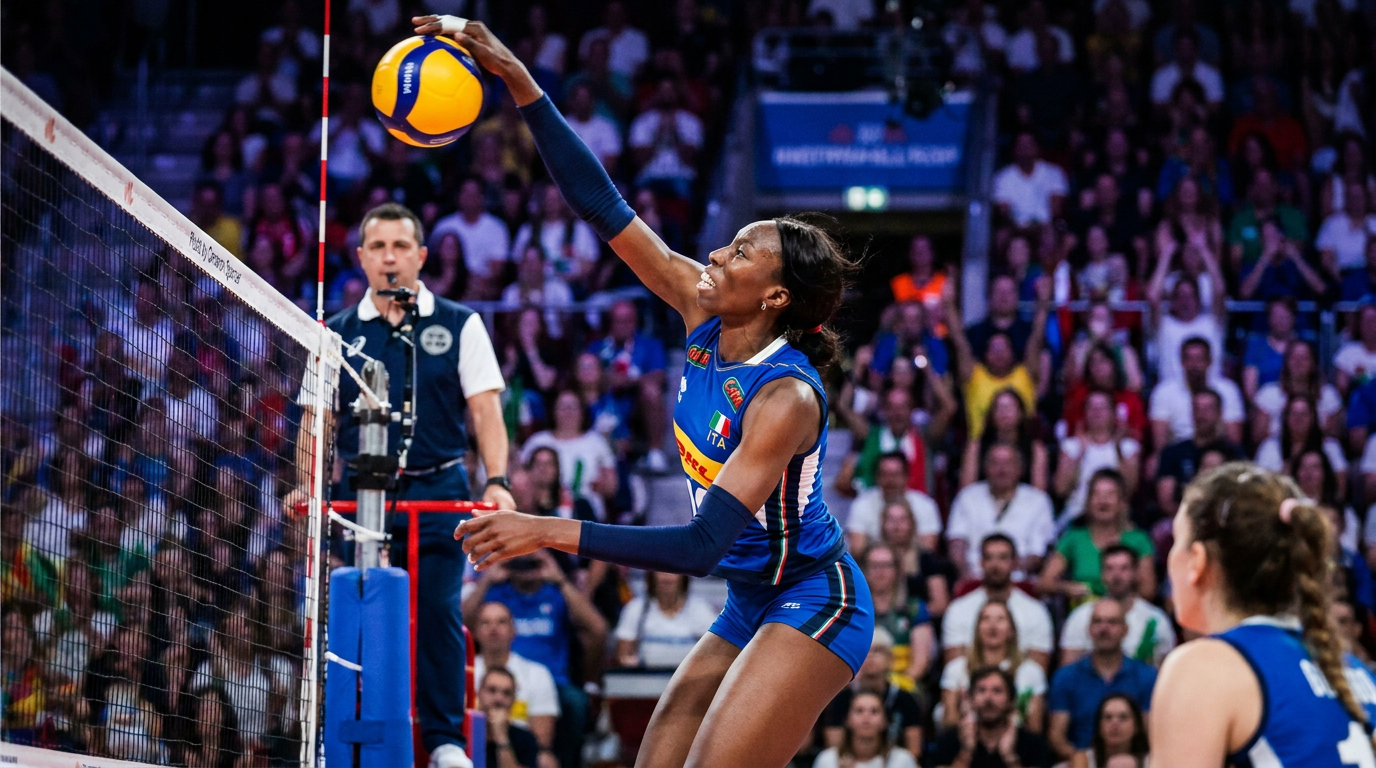
Following record-breaking collegiate viewership, professional women's volleyball in the US has exploded into a multi-league ecosystem. With the newly merged Major League Volleyball and the club-driven League One Volleyball both securing major broadcast deals, the sport is experiencing an unprecedented era of growth.
By Factlen Editorial Team
- MLV Executives & Investors
- Argues that traditional franchise models, celebrity ownership, and large arenas are the proven path to building a major American sports league.
- LOVB Leadership
- Champions the grassroots 'club-up' model, arguing that integrating professional teams with youth clubs guarantees a sustainable, built-in audience.
- Sports Business Analysts
- Focuses on market sustainability, theorizing that the US market will eventually force a merger to consolidate media rights and fan attention.
What's not represented
- · Rank-and-file professional players navigating the two leagues
- · Youth club directors partnering with LOVB
Why this matters
For decades, elite American volleyball players were forced to move overseas to earn a living. A massive influx of domestic funding has finally created a lucrative US ecosystem, keeping top talent at home while testing whether the American sports market can sustain two competing professional leagues.
Key points
- The US now hosts two major professional women's volleyball leagues: Major League Volleyball (MLV) and League One Volleyball (LOVB).
- MLV was formed from a $100 million merger involving the Pro Volleyball Federation and utilizes a traditional franchise ownership model.
- LOVB employs a unique "club-up" strategy, partnering with youth volleyball organizations to build a guaranteed fan base.
- Both leagues have secured significant national broadcast deals, including LOVB's 28-match package with ESPN.
- The domestic boom means elite American players can now earn up to $175,000 base salaries without moving overseas.
For decades, the pinnacle of women's volleyball in the United States was the collegiate level. Once their NCAA eligibility expired, elite American athletes faced a stark choice: abandon the sport, or move to professional leagues in Italy, Turkey, or Brazil to earn a living.[8]
That paradigm has completely shattered. Fueled by explosive grassroots participation and record-breaking collegiate viewership—including 1.3 billion minutes watched during the 2024 NCAA tournament—a massive influx of domestic capital has transformed the US landscape.[2]
By 2026, the United States is not just home to professional women's volleyball; it is the site of a high-stakes arms race between two well-funded, competing leagues: Major League Volleyball (MLV) and League One Volleyball (LOVB).[8]

The current ecosystem was forged through intense corporate maneuvering. In 2024, the Pro Volleyball Federation (PVF) launched as the first major attempt at a traditional US league. However, internal disputes over ownership and a threatened breakaway by the defending champion Omaha Supernovas nearly derailed the project in 2025.[7]
Disaster was averted through a blockbuster $100 million peace deal in August 2025. The PVF merged with the upstart rival group, rebranding entirely as Major League Volleyball for the 2026 season.[1][3]
MLV operates on a traditional North American franchise model. It features independent team owners, including Sacramento Kings owner Vivek Ranadivé and musician Jason Derulo, and places teams in major arenas across eight cities, with Dallas joining the fold this year.[3][4]
MLV operates on a traditional North American franchise model.
The league has established a lucrative professional pathway, offering player salaries ranging from $60,000 to $175,000, alongside revenue-sharing agreements and comprehensive benefits. It aims to replicate the standard major-league experience with regional rivalries and extensive broadcast distribution.[6][7]

Across the court stands League One Volleyball, universally known as LOVB. Rather than relying solely on billionaire owners and top-down marketing, LOVB utilizes a unique "club-up" business model.[5]
Before launching its professional tier, LOVB spent years acquiring and partnering with massive youth volleyball clubs across the country. This strategy ensures that each professional LOVB team has a built-in, fiercely loyal fan base of youth players and their families.[5][8]
LOVB's momentum in 2026 has been undeniable. The league secured a major distribution deal with ESPN, broadcasting 28 matches across the network's platforms this season. In April, LOVB Austin captured the league's championship in a dramatic "golden set" tiebreaker against Salt Lake.[2][8]
The competition between MLV and LOVB has sparked a fierce talent war. Both leagues are aggressively recruiting top international stars and returning US Olympians. LOVB recently announced a massive 2026–27 signing class featuring over 60 athletes, including 31 international players.[5]

For sports business analysts, the burning question is whether the American market can sustain two competing leagues in the same sport. History suggests a collision course; fans and executives alike frequently compare the current volleyball landscape to the early days of the AFL and NFL, or the ABA and NBA.[8]
How we got here
Jan 2024
The Pro Volleyball Federation (PVF) launches its inaugural season.
Dec 2024
The NCAA Women's Volleyball Championship shatters records with 1.3 billion minutes watched.
Jan 2025
League One Volleyball (LOVB) launches its first professional season.
Aug 2025
PVF merges with a rival startup to form Major League Volleyball (MLV), backed by $100 million.
Jan 2026
Both MLV and LOVB kick off their highly anticipated 2026 seasons.
Apr 2026
LOVB Austin wins the 2026 LOVB Championship in a dramatic golden set.
Viewpoints in depth
MLV Executives & Investors
Argues that traditional franchise models, celebrity ownership, and large arenas are the proven path to building a major American sports league.
Proponents of the MLV model believe that volleyball must look and feel like the NBA or NHL to succeed in the United States. By securing high-net-worth independent owners, booking massive downtown arenas, and offering high salary caps, they argue the league projects immediate major-league legitimacy. They point to the $100 million in committed funding and celebrity backers as proof that the traditional North American sports model is the fastest way to scale media rights and mainstream relevance.
LOVB Leadership
Champions the grassroots 'club-up' model, arguing that integrating professional teams with youth clubs guarantees a sustainable, built-in audience.
LOVB executives argue that top-down sports leagues often fail because they lack a foundational connection to the community. By purchasing and partnering with massive youth volleyball clubs first, LOVB ensures that thousands of young athletes and their parents are already financially and emotionally invested in the brand before the professional team even takes the court. They view this grassroots pipeline as a more sustainable, recession-proof method of building a loyal fan base.
Sports Business Analysts
Focuses on market sustainability, theorizing that the US market will eventually force a merger to consolidate media rights and fan attention.
Industry analysts celebrate the influx of capital but remain skeptical that two separate leagues can thrive indefinitely without cannibalizing each other's ticket sales and broadcast ratings. They frequently draw parallels to historical sports rivalries—such as the AFL and NFL, or the ABA and NBA. The consensus among analysts is that while the current competition is excellent for driving up player wages, economic realities will eventually force MLV and LOVB to merge, creating a single, unified juggernaut.
What we don't know
- Whether the American sports market has enough consumer demand to sustain two separate professional volleyball leagues long-term.
- If the two leagues will eventually merge to consolidate media rights, similar to historical mergers in basketball and football.
- How the aggressive signing of international stars will impact the development pipeline for younger American players.
Key terms
- Club-up Model
- A business strategy where a professional sports team is built on top of an existing network of youth sports clubs to guarantee a built-in fan base.
- Franchise Model
- The traditional North American sports structure where independent owners purchase territorial rights to operate a team within a league.
- Golden Set
- A tie-breaking set played to 15 points if two teams split a two-match playoff series, utilized by LOVB to determine a winner.
Frequently asked
Do MLV and LOVB teams play against each other?
No. They are entirely separate leagues with different rosters, schedules, and business models.
How much do professional volleyball players make in the US?
In MLV, base salaries range from $60,000 to $175,000, plus additional benefits and revenue sharing.
Will the two leagues eventually merge?
While there are no official plans, sports business analysts frequently compare the situation to the early days of basketball and football, suggesting a future merger is highly possible if both survive.
Sources
Source coverage
8 outlets
3 viewpoints surfaced








[1]Sports Business JournalSports Business Analysts
Pro Volleyball Federation, Major League Volleyball to merge for 2026 season
Read on Sports Business Journal →[2]ESPNLOVB Leadership
ESPN and League One Volleyball announce 2026 distribution schedule
Read on ESPN →[3]SportsProMLV Executives & Investors
New US$100m women's volleyball league to launch in 2026
Read on SportsPro →[4]WFAAMLV Executives & Investors
Major League Volleyball: Dallas bringing women's pro team in 2026
Read on WFAA →[5]League One VolleyballLOVB Leadership
The Stars Align: LOVB's 2026-27 Incoming Athletes
Read on League One Volleyball →[6]Major League VolleyballMLV Executives & Investors
Major League Volleyball: 2026 Schedule and Teams
Read on Major League Volleyball →[7]WikipediaSports Business Analysts
Major League Volleyball
Read on Wikipedia →[8]Factlen Editorial TeamSports Business Analysts
Synthesis by Factlen editorial team
Read on Factlen Editorial Team →
More in sports
See all 10 stories →MLB Milestones
Cubs' Pete Crow-Armstrong Hits First Cycle of the 2026 MLB Season
0 sources

Standings
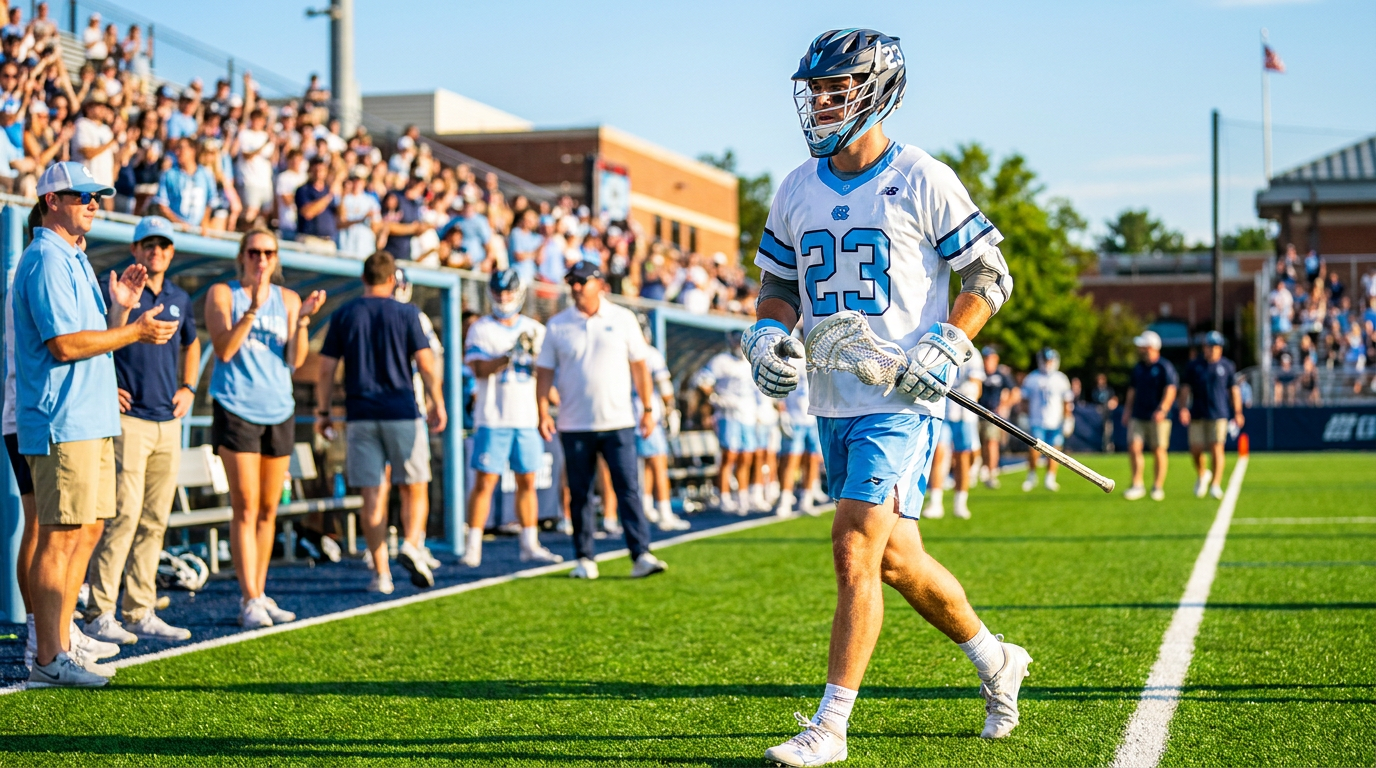
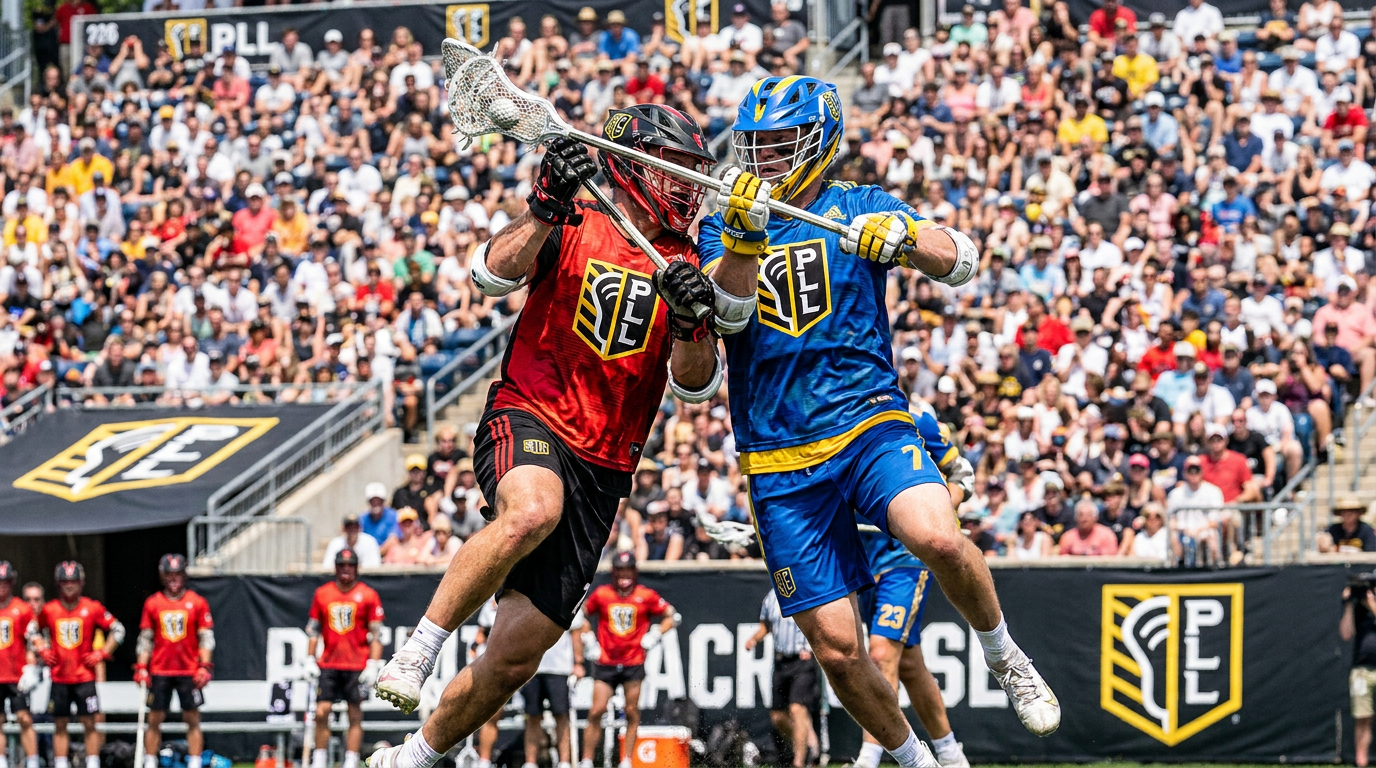
Midseason Lacrosse Standings: Chaos Lead 'Wild West' as Defending Champion Atlas Stumble
0 sources
Women's Soccer
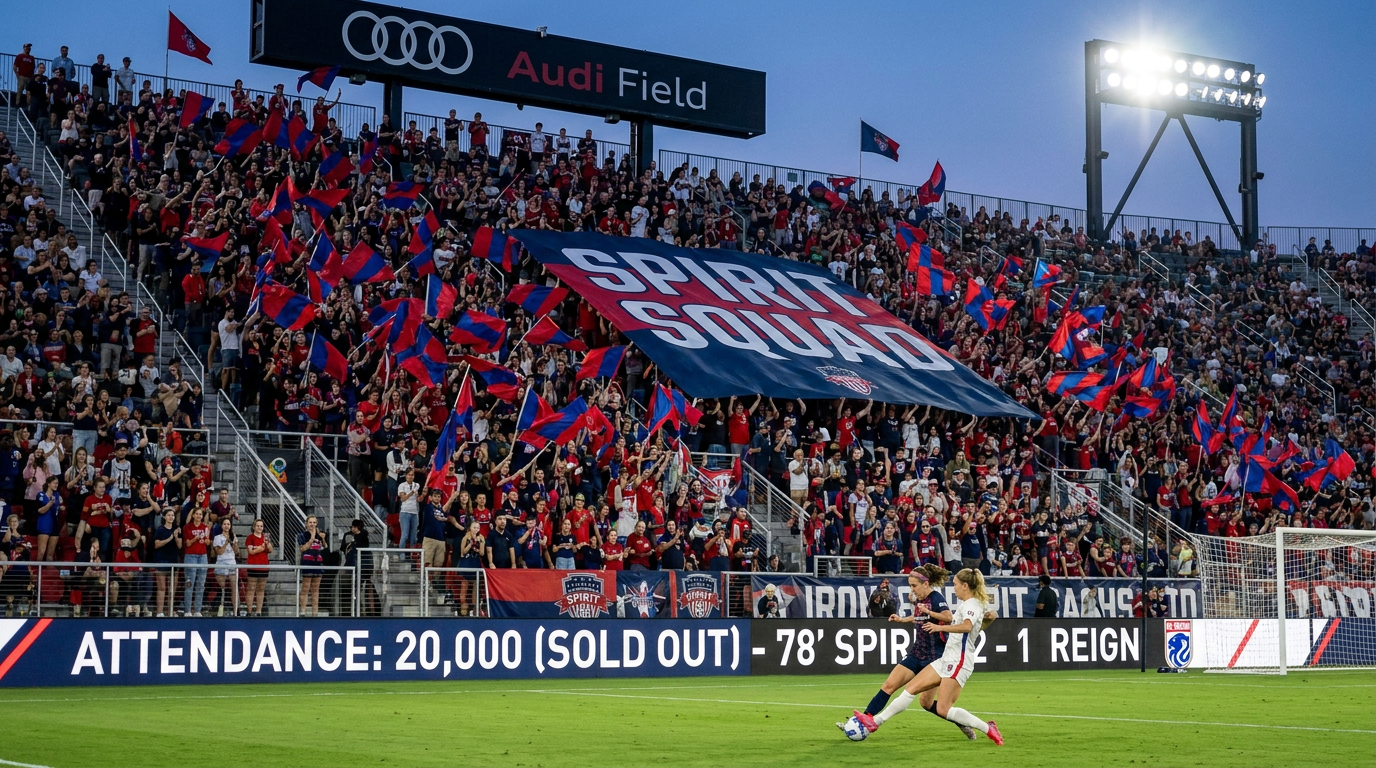
NWSL Awards 2026 Championship to Audi Field Amid Record Global Call-Ups
0 sources
Injury
World Snooker Tour Injury Report: Carrington's Return, Brecel's Recovery, and Latest Player Updates
0 sources

Every angle. Every day.
Get sports stories with full source coverage and perspective breakdowns delivered to your inbox.