
The Science of the Maillard Reaction: How to Master Flavor Building at Home
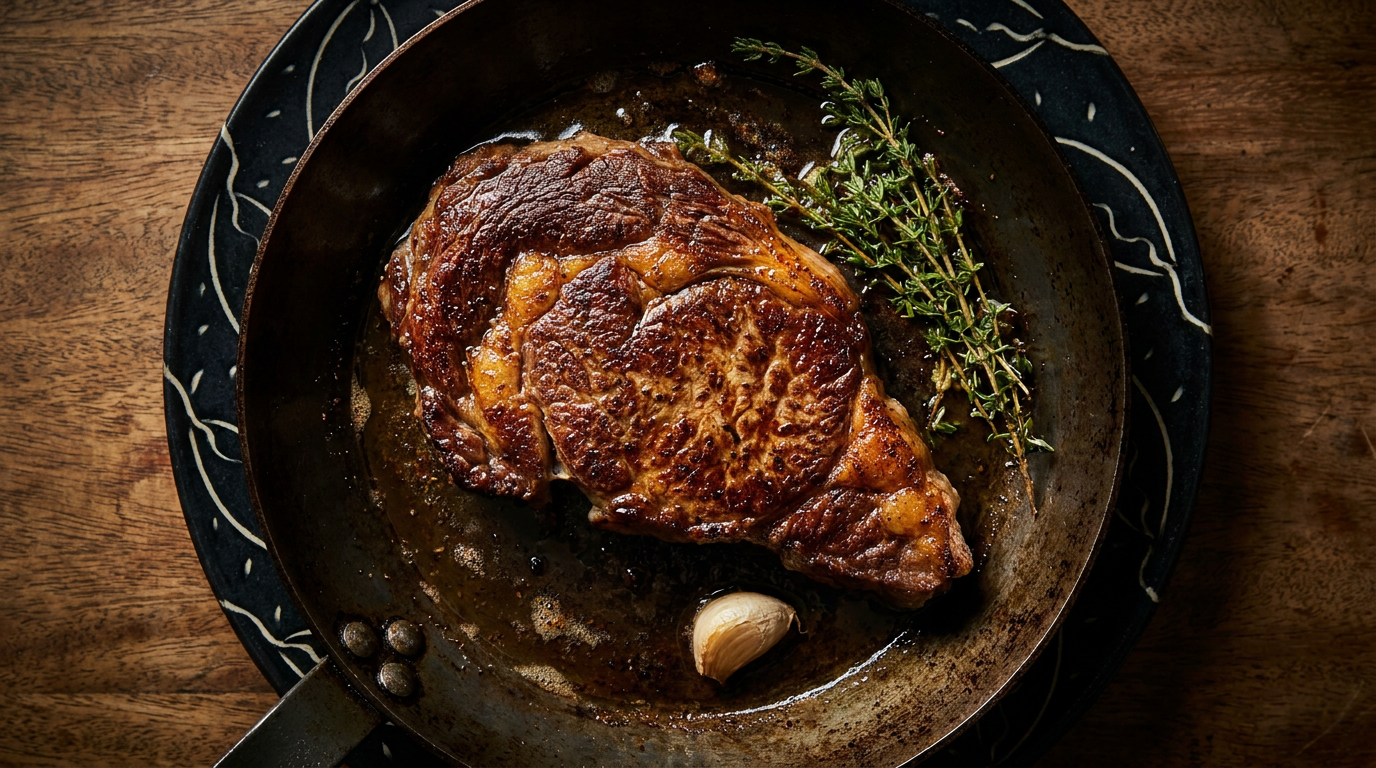
The Maillard reaction is the chemical engine behind the savory crust on a steak and the golden color of baked bread. Understanding how to control heat, moisture, and pH allows home cooks to unlock complex flavors and elevate their everyday meals.
By Factlen Editorial Team
- Traditional Home Cooks
- Focus on practical kitchen techniques like patting meat dry, preheating pans, and avoiding overcrowding to achieve the best sear.
- Culinary Scientists
- Focus on the precise chemical mechanisms, manipulating variables like pH and pressure to maximize flavor extraction.
- Nutrition & Health Experts
- Focus on the balance between flavor development and the health risks of over-charring and acrylamide formation.
What's not represented
- · Commercial food manufacturers who engineer artificial Maillard flavors for processed snacks.
- · Flavor chemists who synthesize specific pyrazines for the perfume and additive industries.
Why this matters
Cooking without understanding the Maillard reaction is like driving with the parking brake on. Mastering this single chemical principle will immediately improve the taste, texture, and appearance of almost everything you cook, saving you from grey, steamed meats and pale, flavorless vegetables.
More in food drink
See all 36 stories →Flavor Science
The Science of Umami: How to Engineer Deep Savory Flavor in Plant-Based Cooking
6 sources

Cocktail Science
The Science of Clarified Milk Punch: How Curdled Milk Makes Crystal-Clear Cocktails
6 sources
Tea Chemistry
The Chemistry of Tea: How Processing and L-Theanine Alter the Health and Cognitive Effects of Camellia Sinensis
7 sources
Restaurant Tech
The 60-Second Drive-Thru: How AI and Automation Are Rewiring Fast Food
6 sources

Every angle. Every day.
Get food drink stories with full source coverage and perspective breakdowns delivered to your inbox.