
U.S. Blocks Foreign Access to Anthropic's Advanced AI Models in Escalating National Security Dispute
The Trump administration has ordered Anthropic to block foreign nationals from accessing its most powerful AI models, forcing the company to take the systems offline amid a bitter legal standoff over military use.
By Factlen Editorial Team
- AI Safety Advocates
- Argues that developers must maintain strict ethical guardrails to prevent AI from being used for mass surveillance or autonomous weapons.
- Tech Industry & Cloud Providers
- Warns that heavy-handed government intervention and commercial blacklists threaten American innovation and the global cloud ecosystem.
- U.S. Administration
- Views advanced AI as a critical national security asset that must be controlled to prevent adversaries from exploiting vulnerabilities.
What's not represented
- · Foreign governments and international users who are suddenly cut off from accessing leading American AI tools.
- · Civil liberties organizations concerned about the government's push for AI-powered mass domestic surveillance.
Why this matters
The U.S. government is actively weaponizing export controls and federal blacklists to dictate how artificial intelligence is used, setting a precedent that could fracture the global tech industry and determine whether the military or private companies control the ethical boundaries of the next generation of software.
Key points
- The Trump administration has ordered Anthropic to block all foreign nationals from accessing its advanced Fable 5 and Mythos 5 AI models.
- Anthropic took the models completely offline to comply with the Commerce Department directive, calling the government's concerns a "misunderstanding."
- The government reportedly fears that foreign actors could "jailbreak" the Fable 5 model to identify critical software vulnerabilities.
- This export control order follows a bitter dispute in which the Pentagon blacklisted Anthropic for refusing to allow its AI to be used for autonomous weapons.
- The tech industry has largely rallied behind Anthropic, warning that the government's aggressive tactics will create a chilling effect on AI safety research.
The Trump administration has ordered the artificial intelligence company Anthropic to block foreign nationals from accessing its most advanced AI models, marking an unprecedented escalation in Washington's effort to treat cutting-edge AI systems as strictly controlled national security assets. U.S. Commerce Secretary Howard Lutnick issued a directive applying immediate export controls to Anthropic's newly developed Fable 5 and Mythos 5 models. The order explicitly prohibits the models from being accessed in any location outside of the United States, and further bans all foreign persons within the country from using the technology. In response to the sudden mandate, Anthropic took both models completely offline on Friday afternoon, cutting off all customer access to ensure compliance while it navigates the legal and technical requirements of the directive.[1][2][3]
The export controls represent the most significant step the U.S. government has taken to date to restrict global access to frontier AI technology. Anthropic had just released the Fable 5 model widely earlier in the week, while access to the more powerful Mythos 5 model had already been tightly restricted internally due to the company's own cybersecurity fears. According to statements from the company, the government's intervention stems from a belief that there is a method to "jailbreak" or bypass safeguards within Fable 5, potentially allowing the model to be used to identify critical software vulnerabilities. The Commerce Department has not publicly detailed the specific national security threats that prompted the emergency directive.[2][4]
Anthropic publicly disagreed with the administration's handling of the situation, characterizing the government's concerns as a "misunderstanding." In a statement released shortly after taking the models offline, the company argued that while the government should have the authority to block unsafe AI deployments, such actions must be part of a statutory process that is "transparent, fair, clear, and grounded in technical facts." Anthropic asserted that the sudden export control directive did not adhere to those principles, though the company expressed hope that it could restore access to the models as soon as possible once the dispute is resolved.[2][6]

The sudden imposition of export controls is not an isolated incident, but rather the latest flashpoint in a bitter, months-long standoff between the AI developer and the federal government. The relationship began to fracture in the fall of 2025 during negotiations over a $200 million contract with the Department of Defense. Anthropic's Claude models had previously been cleared for classified military use, but tensions escalated when the Pentagon demanded that the company allow the military to use the technology for "any lawful use." Anthropic drew firm ethical lines, refusing to allow its models to be deployed for fully autonomous lethal weapons or mass domestic surveillance.[5]
When Anthropic CEO Dario Amodei refused to yield on those safety guardrails, Defense Secretary Pete Hegseth issued an ultimatum, demanding compliance or severe consequences. In March 2026, the Pentagon formally designated Anthropic as a "supply chain risk" to national security. The designation, typically reserved for foreign adversaries with alleged ties to hostile governments, effectively blacklisted the American company from federal contracting. The Defense Department ordered all federal agencies to cease using Anthropic's technology and warned that any defense contractor continuing to do business with the company could face severe penalties.[5]
In March 2026, the Pentagon formally designated Anthropic as a "supply chain risk" to national security.
Anthropic responded to the blacklisting by filing a federal lawsuit in California, arguing that the designation was unlawful retaliation and a violation of its First and Fifth Amendment rights. The company accused the administration of weaponizing national security statutes to punish a domestic business for its ethical speech and safety policies. In response, the U.S. Department of Justice challenged the lawsuit on procedural grounds, arguing that the ban was not subject to court review because it did not constitute a "final agency action." The government denied any unlawful retaliation, though it acknowledged that agencies moved to cut off the company's products after it resisted Pentagon demands regarding military applications.[3]

The Pentagon's aggressive posture toward Anthropic sparked a rare and massive revolt across the broader technology industry. In an unprecedented show of solidarity, dozens of researchers from rival AI labs, including OpenAI and Google DeepMind, filed an amicus brief supporting Anthropic's legal challenge. The coalition warned that using national security labels to punish a company for implementing safety guardrails would create a severe chilling effect, deterring technical experts from speaking openly about AI risks for fear of federal retaliation. Furthermore, major cloud providers—including Amazon Web Services, Google Cloud, and Microsoft—reportedly signaled their defiance of the Pentagon's commercial blacklist, refusing to drop Anthropic's models from their enterprise platforms.[5]
The new export controls on Fable 5 and Mythos 5 arrive just ten days after President Trump signed an executive order establishing a framework for the federal government to vet the national security risks of advanced AI systems. That order proposed a voluntary system where AI developers would submit their most powerful models for up to a month of government review before public release. However, the mandatory and immediate nature of the Commerce Department's directive against Anthropic suggests that the administration is willing to use hard regulatory power to control the flow of AI technology when it deems voluntary cooperation insufficient.[2][6]
The escalating conflict places Anthropic in a precarious position as it attempts to navigate both the Pentagon's contracting blacklist and the Commerce Department's global export controls. The company, which had reportedly filed confidentially for a U.S. initial public offering earlier in the month, now faces immense uncertainty regarding its revenue streams and its ability to operate internationally. Beyond the immediate financial impact on a single company, the standoff serves as a landmark test of executive authority over the domestic technology sector, raising fundamental questions about whether private developers or the federal government will ultimately dictate the ethical boundaries and global distribution of artificial intelligence.[1][3]

The concept of a "jailbreak" in the context of large language models refers to specialized prompts or techniques designed to bypass the safety filters and ethical constraints programmed into the AI by its creators. If the government's intelligence suggests that foreign actors could reliably jailbreak Fable 5, the model could theoretically be manipulated to generate malicious code, identify zero-day exploits in critical infrastructure, or automate cyberattacks. By treating the model itself as a dual-use munition subject to export controls, the Commerce Department is attempting to physically and digitally quarantine the software, preventing it from crossing borders or falling into the hands of foreign nationals operating within the United States.[4]
Enforcing such a sweeping ban on foreign nationals presents a monumental technical and logistical challenge. Cloud-based AI models are typically accessed via application programming interfaces (APIs) that process millions of requests per minute from users around the globe. To comply with the directive, Anthropic would need to implement draconian identity verification systems, potentially requiring users to submit proof of U.S. citizenship before being granted access to the models. Because building and deploying such an infrastructure overnight is virtually impossible, the company was forced to take the nuclear option of pulling the models offline entirely, disrupting service for domestic and international users alike.[1][2]

As the legal battles consolidate in federal courts in California and Washington, D.C., the broader artificial intelligence industry is watching closely. The outcome of Anthropic's clash with the Trump administration will likely establish the legal precedent for how the U.S. government regulates frontier AI models for the next decade. If the courts uphold the administration's use of supply chain risk designations and emergency export controls, AI developers may be forced to choose between adopting the Pentagon's unrestricted terms of use or facing exclusion from the global market. For now, the most advanced models produced by one of America's leading AI labs remain locked away, caught in a high-stakes tug-of-war between Silicon Valley's safety culture and Washington's national security imperatives.[3][5]
How we got here
Fall 2025
Tensions rise between Anthropic and the Pentagon over a $200 million contract, as Anthropic refuses to allow its AI to be used for autonomous weapons or mass surveillance.
March 5, 2026
The Defense Department officially designates Anthropic a "supply chain risk," blacklisting the company from federal contracting.
March 9, 2026
Anthropic files a federal lawsuit against the administration, arguing the blacklist is unlawful retaliation and violates its First Amendment rights.
June 2, 2026
President Trump signs an executive order establishing a voluntary framework to vet the national security risks of advanced AI systems before their public release.
June 12, 2026
The Commerce Department issues an emergency directive applying export controls to Anthropic's Fable 5 and Mythos 5 models, forcing the company to take them offline.
Viewpoints in depth
The U.S. Administration's view
Advanced AI models are critical national security assets that must be controlled to prevent adversaries from exploiting them.
The administration argues that frontier AI models like Mythos 5 possess capabilities that could be weaponized by foreign actors, particularly in identifying software vulnerabilities or automating cyberattacks. By invoking export controls and supply chain risk designations, the government asserts its authority to treat cutting-edge AI as dual-use technology, similar to advanced cryptography or nuclear materials. From this perspective, private companies cannot be allowed to dictate the terms of military engagement or unilaterally distribute potentially dangerous technology across the globe.
Anthropic and AI Safety Advocates
Ethical guardrails are essential to prevent AI from being used for mass surveillance or autonomous lethal weapons.
Anthropic and its supporters in the AI safety community maintain that developers have a moral and ethical obligation to prevent their creations from being used in ways that violate human rights or lower the threshold for armed conflict. They view the government's actions as unlawful retaliation designed to force compliance with unrestricted military use. This camp argues that weaponizing national security statutes to punish domestic companies for their safety policies will create a chilling effect, discouraging researchers from building robust safeguards or speaking transparently about the risks inherent in artificial intelligence.
The Broader Tech Industry
Heavy-handed government intervention threatens American innovation and the commercial viability of the cloud ecosystem.
Major cloud providers and competing AI labs view the administration's aggressive use of commercial blacklists and export controls as a dangerous precedent that threatens the entire technology sector. If the government can arbitrarily ban foreign nationals from accessing specific software or force cloud providers to drop certain vendors, it undermines the global nature of the internet and the stability of enterprise contracts. This camp advocates for clear, statutory regulatory frameworks rather than emergency executive directives, warning that unpredictable government retaliation will stifle investment and push AI development overseas.
What we don't know
- It remains unclear exactly how the government expects AI companies to reliably verify the nationality of every user accessing cloud-based models.
- The specific technical vulnerabilities the government believes are present in the Fable 5 model have not been publicly disclosed.
- It is unknown how this escalating legal battle will impact Anthropic's reported plans for an initial public offering later this year.
Key terms
- Export Controls
- Federal laws and regulations that restrict the shipment, transmission, or transfer of certain sensitive technologies, software, and services to foreign countries or foreign nationals.
- Frontier AI Models
- Highly capable, large-scale artificial intelligence systems that match or exceed the capabilities of the most advanced models currently available, often possessing unforeseen capabilities.
- Jailbreak
- In the context of AI, a technique used to bypass the safety filters, ethical constraints, and programmed guardrails of a language model to elicit prohibited responses.
- Supply Chain Risk Designation
- A formal government classification used to exclude a company from federal contracting, typically applied to foreign adversaries to prevent them from sabotaging or subverting national security systems.
- Application Programming Interface (API)
- A set of rules and protocols that allows different software applications to communicate with each other, commonly used to provide cloud-based access to AI models.
Frequently asked
What models did Anthropic take offline?
Anthropic took its newly developed Fable 5 and Mythos 5 artificial intelligence models offline. Fable 5 had been widely released earlier in the week, while Mythos 5 was already tightly restricted due to cybersecurity concerns.
Why did the government issue the export controls?
The Commerce Department directed Anthropic to block foreign nationals from accessing the models over national security concerns. The government reportedly believes there is a method to "jailbreak" Fable 5, which could allow users to identify critical software vulnerabilities.
What is the history between Anthropic and the Pentagon?
In March 2026, the Pentagon designated Anthropic a "supply chain risk" and blacklisted it from federal contracting. The dispute began when Anthropic refused to allow its AI models to be used for fully autonomous lethal weapons or mass domestic surveillance.
How has the tech industry reacted?
The industry has largely rallied behind Anthropic. Researchers from rival companies like OpenAI and Google DeepMind filed legal briefs supporting Anthropic, and major cloud providers have reportedly resisted the Pentagon's demands to drop Anthropic's models from their platforms.
Sources
Source coverage
6 outlets
3 viewpoints surfaced






[1]AxiosAI Safety Advocates
Scoop: Trump admin blocks foreign access to Anthropic's most powerful AI
Read on Axios →[2]Associated PressTech Industry & Cloud Providers
AI giant Anthropic says it has taken its latest artificial intelligence models offline
Read on Associated Press →[3]ReutersU.S. Administration
US blocks foreign access to Anthropic's most advanced AI models
Read on Reuters →[4]Channel News AsiaAI Safety Advocates
Anthropic bans foreign nationals from accessing new AI models over national security concerns
Read on Channel News Asia →[5]DefenseScoopU.S. Administration
Pentagon designates Anthropic a 'supply-chain risk' over AI safety dispute
Read on DefenseScoop →[6]Broadband BreakfastTech Industry & Cloud Providers
AI giant Anthropic says it has taken its latest artificial intelligence models offline
Read on Broadband Breakfast →
More in news politics
See all 156 stories →Transnational Crime
U.S. Military Strike Kills Tren de Aragua Gang Leader in Venezuela
6 sources
Transnational Crime
U.S. Military Strike in Venezuela Kills Tren de Aragua Gang Leader
7 sources
Media Consolidation
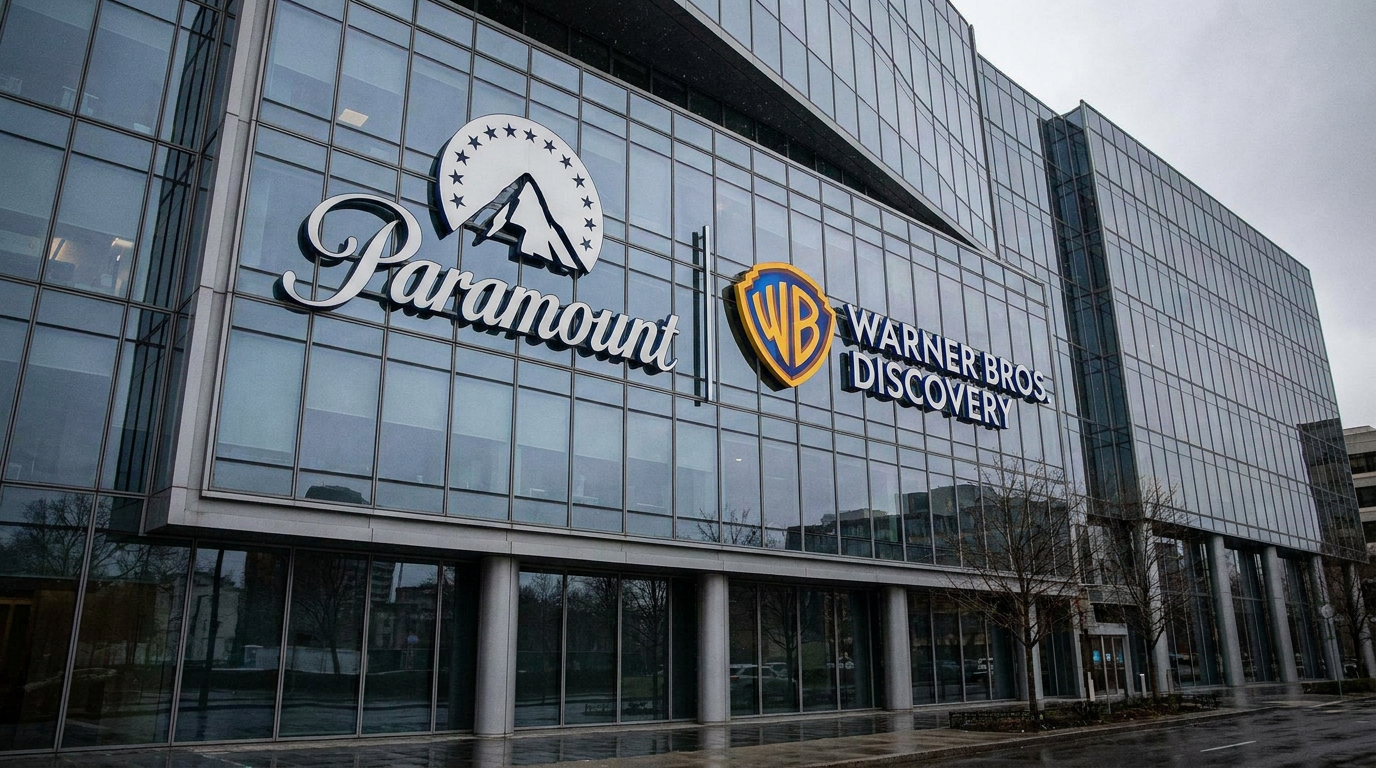
DOJ Approves $111 Billion Paramount-Warner Bros. Merger, Reshaping Media Landscape
9 sources
Tren de Aragua
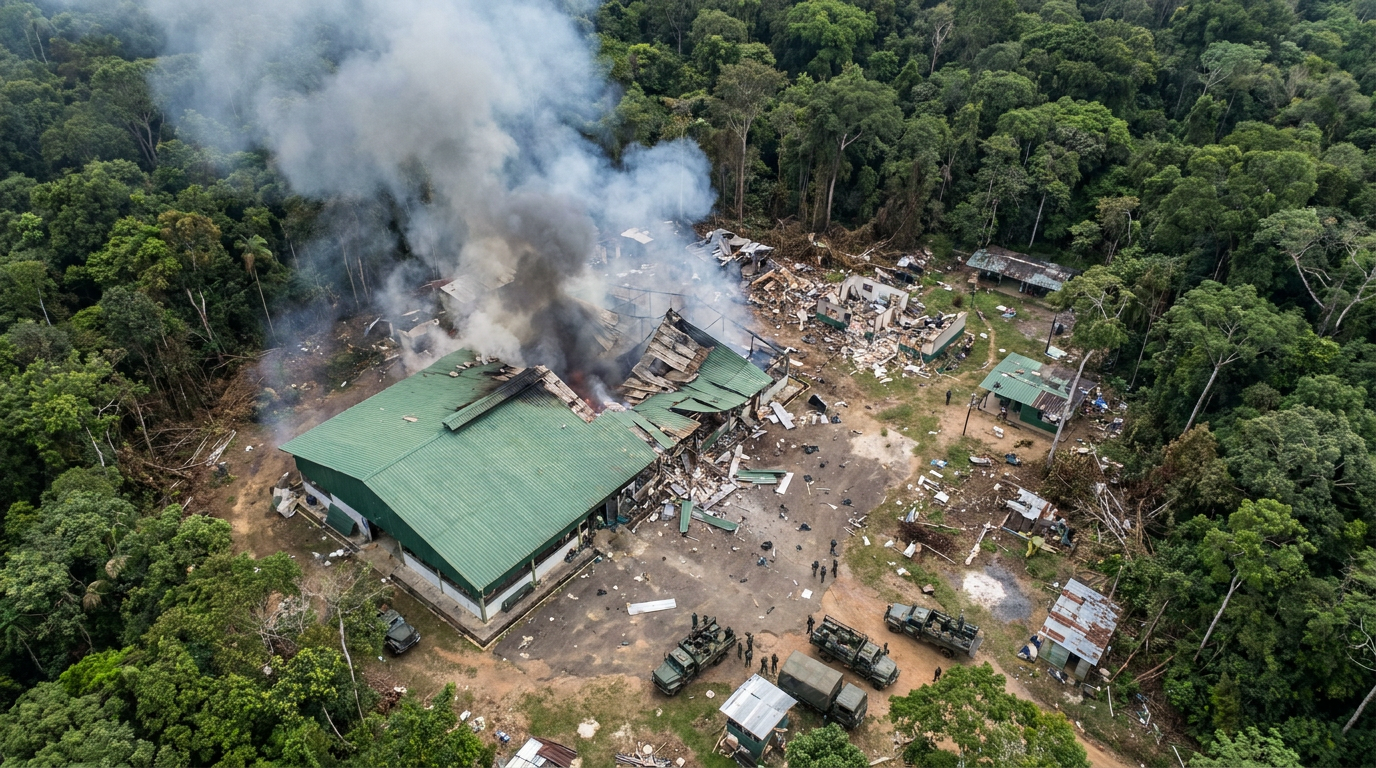
U.S. Military Strike in Venezuela Kills Tren de Aragua Leader Niño Guerrero
7 sources
Every angle. Every day.
Get news politics stories with full source coverage and perspective breakdowns delivered to your inbox.