
The Global Rise of Astrotourism: How Dark Sky Sanctuaries are Redefining Remote Travel
As light pollution obscures the stars for billions of people, a booming travel sector is turning pristine night skies into a protected, highly sought-after natural resource.
By Factlen Editorial Team
Conservationists & Astronomers 35%Rural Economic Developers 35%Travel Industry Operators 30%
- Conservationists & Astronomers
- Argues that astrotourism is a vital tool for incentivizing local governments to enact strict lighting ordinances and protect nocturnal ecosystems.
- Rural Economic Developers
- Views astrotourism as a low-cost, high-yield economic engine that creates jobs, manages seasonality, and sustains remote communities.
- Travel Industry Operators
- Capitalizes on the booming consumer demand for unique, unplugged experiences and celestial events to drive premium bookings.
What's not represented
- · Indigenous communities whose ancestral lands host these sanctuaries
- · Urban planners struggling to balance safety lighting with dark sky compliance
Why this matters
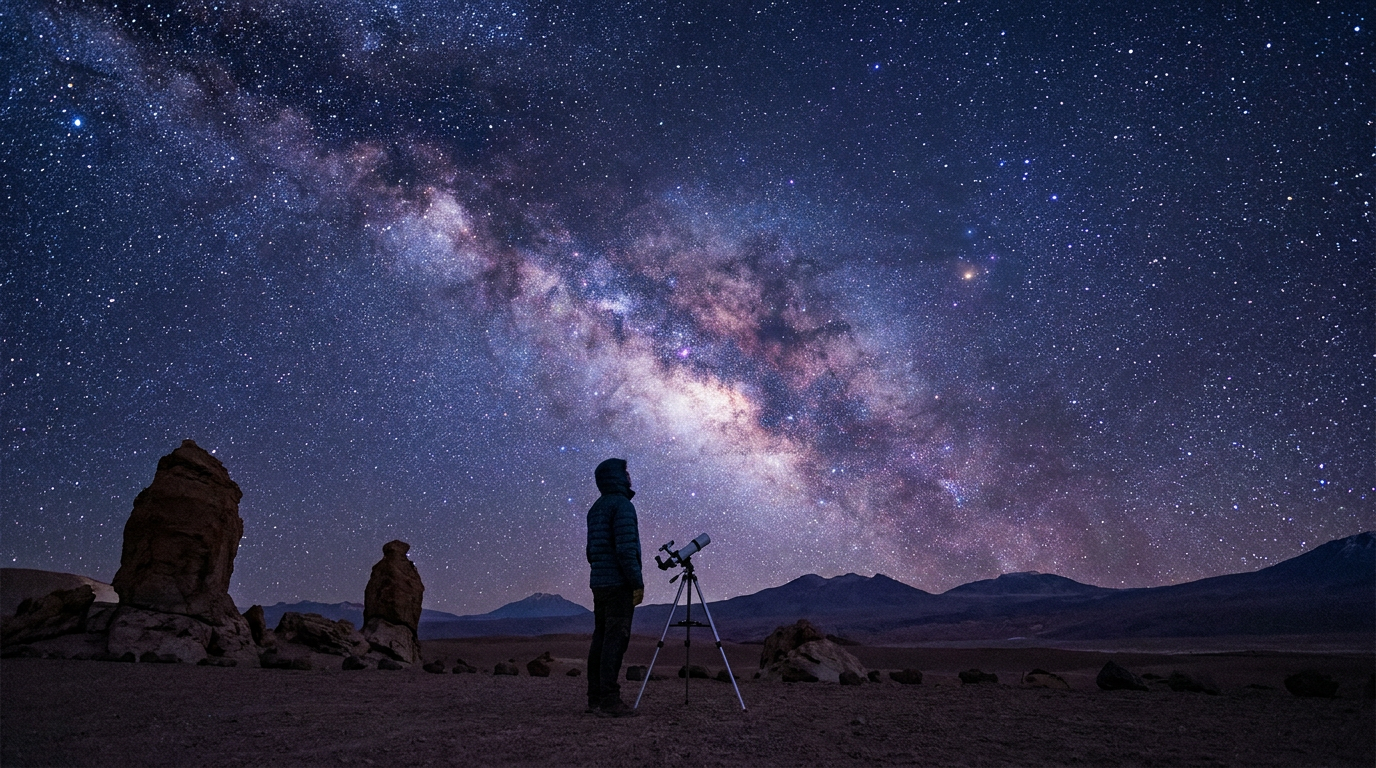
Astrotourism offers a sustainable economic lifeline for rural communities while incentivizing the global conservation of natural darkness, proving that protecting the night sky can be more profitable than lighting it up.
More in travel
See all 37 stories →Regenerative Travel
How 'Regenerative' Travel is Replacing Sustainability as the New Standard in Luxury Tourism
8 sources

Flight Hacks
The Free Stopover Hack: How to Turn Layovers into Multi-Destination Trips
9 sources
Sustainable Travel
The Definitive Guide to Kyoto's 'Hands-Free Travel' and Sustainable Tourism Rules in 2026
7 sources

Astrotourism
The Rise of Astrotourism: How the Search for Dark Skies is Reshaping Travel
7 sources
Stay informed
Every angle. Every day.
Get travel stories with full source coverage and perspective breakdowns delivered to your inbox.