
The Evidence Behind Red Light Therapy Masks: What Actually Works
Dermatologists and clinical studies confirm that at-home LED masks can improve skin texture and reduce wrinkles, but results depend heavily on specific wavelengths, consistent use, and realistic expectations.
By Factlen Editorial Team
- Dermatologists & Researchers
- Focus on clinical evidence, specific wavelengths, and the biological mechanisms of photobiomodulation.
- Consumer Reviewers
- Prioritize usability, comfort, price-to-value ratio, and visible real-world results.
- Skincare Practitioners
- View LED masks as a cumulative, non-invasive supplement to a broader skincare and wellness regimen.
What's not represented
- · Aesthetician Clinics losing business to at-home devices
Why this matters
With premium LED face masks costing between $300 and $600, understanding the clinical evidence prevents consumers from wasting money on underpowered gadgets. Knowing which specific wavelengths and regulatory clearances to look for ensures you invest in a tool that genuinely stimulates cellular repair.
Key points
- Red light therapy uses photobiomodulation to stimulate cellular energy and boost collagen production.
- Clinical studies confirm that consistent use over 4 to 12 weeks improves skin texture and reduces wrinkles.
- Blue light (415 nm) targets acne-causing bacteria, while near-infrared light (830 nm) reduces deep inflammation.
- Efficacy depends heavily on a device's irradiance and wavelength precision.
- Dermatologists strongly recommend purchasing only FDA-cleared devices to ensure safety and effectiveness.
- Flexible silicone masks are generally preferred over rigid plastic models for better skin contact and comfort.
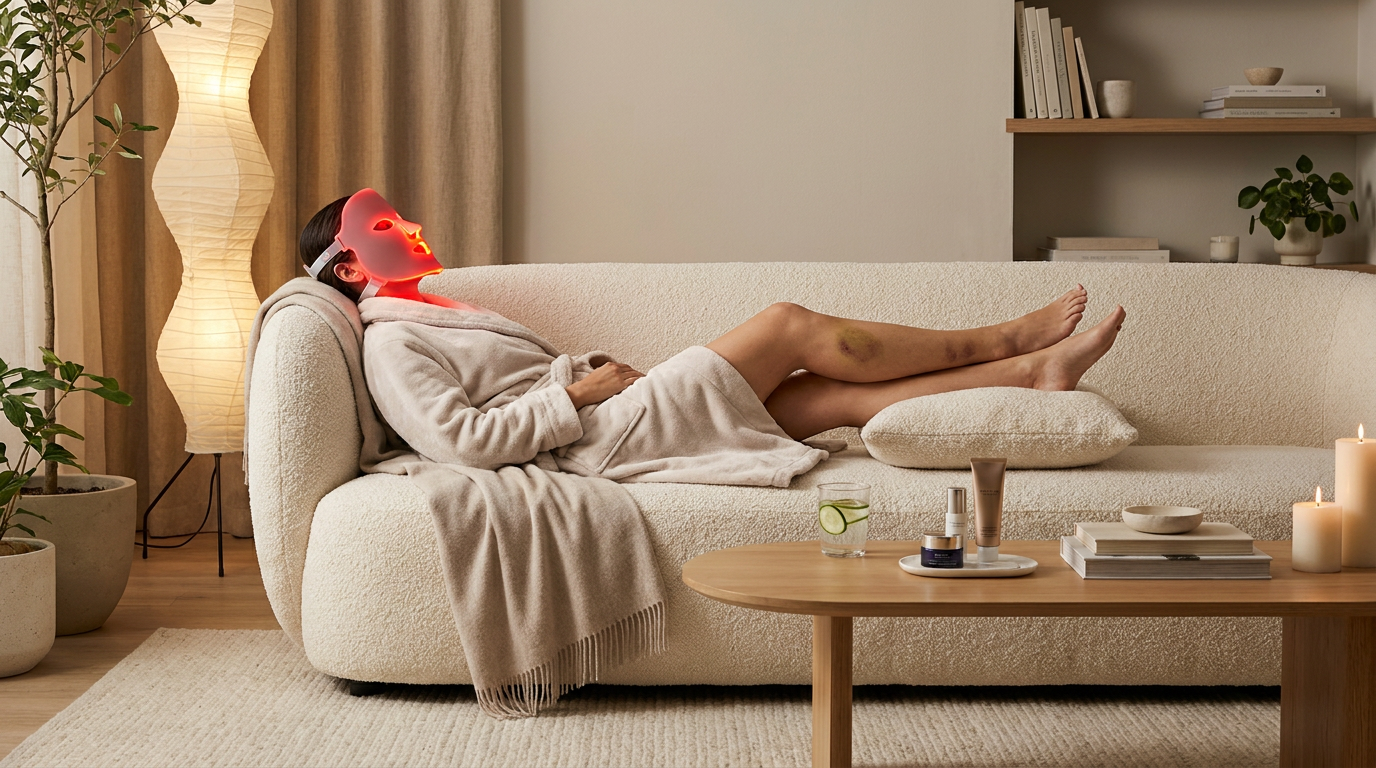
They look like props from a science fiction movie, but red light therapy masks have rapidly transitioned from exclusive dermatologist offices to mainstream consumer shopping carts. At $300 to $600 a pop, buyers are rightfully asking if these glowing devices actually work or if they are just expensive placebos driven by social media trends.[4]
The core mechanism behind the glow is a scientifically validated process called photobiomodulation. According to the Cleveland Clinic, specific wavelengths of light penetrate the skin and act directly on the mitochondria—the microscopic power plants inside human cells. By boosting cellular energy production, the light stimulates fibroblasts to work more efficiently, accelerating tissue repair and cellular turnover.[1]
The primary claim surrounding these devices is wrinkle reduction and collagen production, and the clinical evidence supporting this is robust. A systematic review published in Lasers in Surgery and Medicine analyzed multiple randomized controlled trials, concluding that consistent use of red and near-infrared light produces meaningful improvements in skin texture, elasticity, and wrinkle depth. Red light, specifically in the 630 to 660 nanometer range, is clinically proven to stimulate the synthesis of new collagen.[2][5][7]

While red light targets aging and inflammation, blue light serves an entirely different function in the treatment of acne. Blue light at 415 nanometers works strictly on the surface of the skin to destroy Cutibacterium acnes, the bacteria primarily responsible for inflammatory breakouts. Many top-tier consumer masks now combine both red and blue diodes, allowing users to treat fine lines and active acne simultaneously without needing multiple devices.[1][5][6]
For deeper cellular repair, near-infrared light—typically calibrated around 830 nanometers—reaches beyond the skin's surface into the subcutaneous layers. Clinical trials demonstrate that this invisible wavelength is highly effective at reducing systemic inflammation, making it a viable, non-invasive treatment for chronic conditions like rosacea, eczema, and post-procedure recovery.[2][3][5]

For deeper cellular repair, near-infrared light—typically calibrated around 830 nanometers—reaches beyond the skin's surface into the subcutaneous layers.
However, a major point of uncertainty remains: not all consumer devices are created equal. The market is currently flooded with cheap knockoffs that lack the necessary power to induce actual cellular changes. Dermatologists warn that a mask's efficacy depends heavily on its irradiance—the power output delivered to the skin—and the precision of its LED wavelengths. Devices priced under $50 often use standard colored lightbulbs rather than medical-grade diodes, rendering them largely ineffective for skincare purposes.[4][5]
Because red light therapy does not utilize DNA-damaging ultraviolet light, it is broadly considered very safe for home use. However, medical experts strongly recommend that consumers look strictly for FDA-cleared devices. This regulatory designation ensures the mask has been rigorously tested for safety and actually delivers the specific therapeutic wavelengths it advertises, protecting users from potential thermal burns or eye strain.[1][3][5][6]

Dermatologists also emphasize that red light therapy is a long game, requiring patience and routine. Red light therapy works gradually, not overnight, notes Dr. Rhonda Klein, a board-certified dermatologist. Clinical studies typically measure results after four to twelve weeks of consistent use, which usually entails three to five 10-minute sessions per week. While it will not replicate the dramatic, immediate effects of cosmetic injectables or laser resurfacing, the evidence confirms it offers a measurable, scientifically backed improvement to overall skin health.[2][4][7]
Form factor also plays a crucial role in a device's effectiveness, largely because it dictates user compliance. Consumer testing panels have found that rigid, hard-plastic masks can be uncomfortable and difficult to fit to varying face shapes, leaving gaps where the light fails to reach the skin optimally. Flexible silicone masks, which strap flush against the contours of the face, have emerged as the preferred design, ensuring the diodes sit at the correct distance from the epidermis for maximum light absorption.[4][5][6]
Ultimately, the consensus among both medical professionals and consumer advocates is that at-home LED therapy is a legitimate, evidence-based tool. It serves best as a cumulative supplement to a foundational skincare routine involving sunscreen, hydration, and active ingredients. For consumers willing to invest in an FDA-cleared device and commit to the weekly time requirement, the science indicates that the glowing results are real.[2][4][5][7]
Viewpoints in depth
Clinical Consensus
Medical professionals emphasize that the science is real, but results require patience and proper hardware.
Dermatologists and researchers broadly agree that photobiomodulation is a scientifically valid mechanism for skin repair. However, they caution that the consumer market is rife with underpowered devices. Medical professionals stress that patients must look for FDA-cleared masks that publish their exact wavelength data—specifically 633nm for red light and 830nm for near-infrared. They also manage expectations, noting that while clinical trials show undeniable improvements in collagen density and inflammation reduction, the changes are subtle and cumulative, taking up to 12 weeks to manifest.
Consumer Testing Advocates
Product reviewers focus on the intersection of clinical efficacy, price, and daily usability.
For consumer advocates and product testers, the best mask isn't just the most powerful one—it's the one users will actually wear consistently. Testers from outlets like Wirecutter and CNET highlight that rigid, uncomfortable masks often end up abandoned in drawers, negating any potential benefits. They advocate for flexible silicone models that allow users to multitask. Furthermore, they emphasize price-to-value, warning buyers away from $50 knockoffs that lack the necessary irradiance, while also questioning the need to spend over $500 when mid-tier FDA-cleared options deliver identical wavelengths.
What we don't know
- Whether long-term daily use beyond the recommended 12-week clinical trial periods offers compounding benefits or diminishing returns.
- The exact minimum irradiance threshold required to trigger photobiomodulation, as many brands keep their specific power output proprietary.
Key terms
- Photobiomodulation
- The scientific process where specific wavelengths of light stimulate cellular function, leading to tissue repair and reduced inflammation.
- Irradiance
- The power output of a light device over a specific area, usually measured in milliwatts per square centimeter, which determines if a mask is strong enough to be effective.
- Wavelength
- The distance between light waves, measured in nanometers (nm), which dictates what color the light is and how deeply it penetrates the skin.
- Fibroblasts
- Cells within the skin's connective tissue that produce collagen and elastin, which are stimulated into higher production by red light therapy.
- FDA Cleared
- A regulatory status indicating that a device has been reviewed by the FDA and determined to be substantially equivalent to another legally marketed device in safety and efficacy.
Frequently asked
Do LED face masks cause eye damage?
While red light is generally safe, high-intensity LEDs can cause eye strain or glare. Dermatologists recommend keeping eyes closed during use or wearing the protective blackout goggles included with many FDA-cleared devices.
Can I use a red light mask with retinol or vitamin C?
Yes, but timing matters. Experts advise using the mask on clean, dry skin first, and applying active ingredients like retinol or vitamin C serums immediately after the treatment to maximize absorption.
How often do I need to use a red light mask to see results?
Clinical studies indicate that consistent use is required. Most protocols recommend 10-minute sessions, three to five times a week, for at least 4 to 12 weeks before visible improvements in fine lines and texture appear.
Is red light therapy safe for all skin tones?
Yes. Unlike lasers or intense pulsed light (IPL) treatments that target melanin and can carry risks for darker skin tones, red light therapy does not rely on heat or pigment, making it safe and effective for all skin types.
Sources
Source coverage
7 outlets
3 viewpoints surfaced







[1]Cleveland ClinicDermatologists & Researchers
Red Light Therapy: Benefits, Side Effects & Uses
Read on Cleveland Clinic →[2]ForbesSkincare Practitioners
Do LED Face Masks Actually Work? Dermatologists Weigh In
Read on Forbes →[3]WebMDDermatologists & Researchers
Red Light Therapy: Uses, Benefits, and Risks
Read on WebMD →[4]WirecutterConsumer Reviewers
The Best Red-Light Therapy Device
Read on Wirecutter →[5]CNETConsumer Reviewers
Best LED Face Masks of 2026
Read on CNET →[6]Good HousekeepingConsumer Reviewers
7 Best LED Face Masks, Tested and Reviewed
Read on Good Housekeeping →[7]Lasers in Surgery and MedicineDermatologists & Researchers
Light-Emitting Diodes in Dermatology: A Systematic Review of Randomized Controlled Trials
Read on Lasers in Surgery and Medicine →

More in shopping
See all 105 stories →Gear Showdown
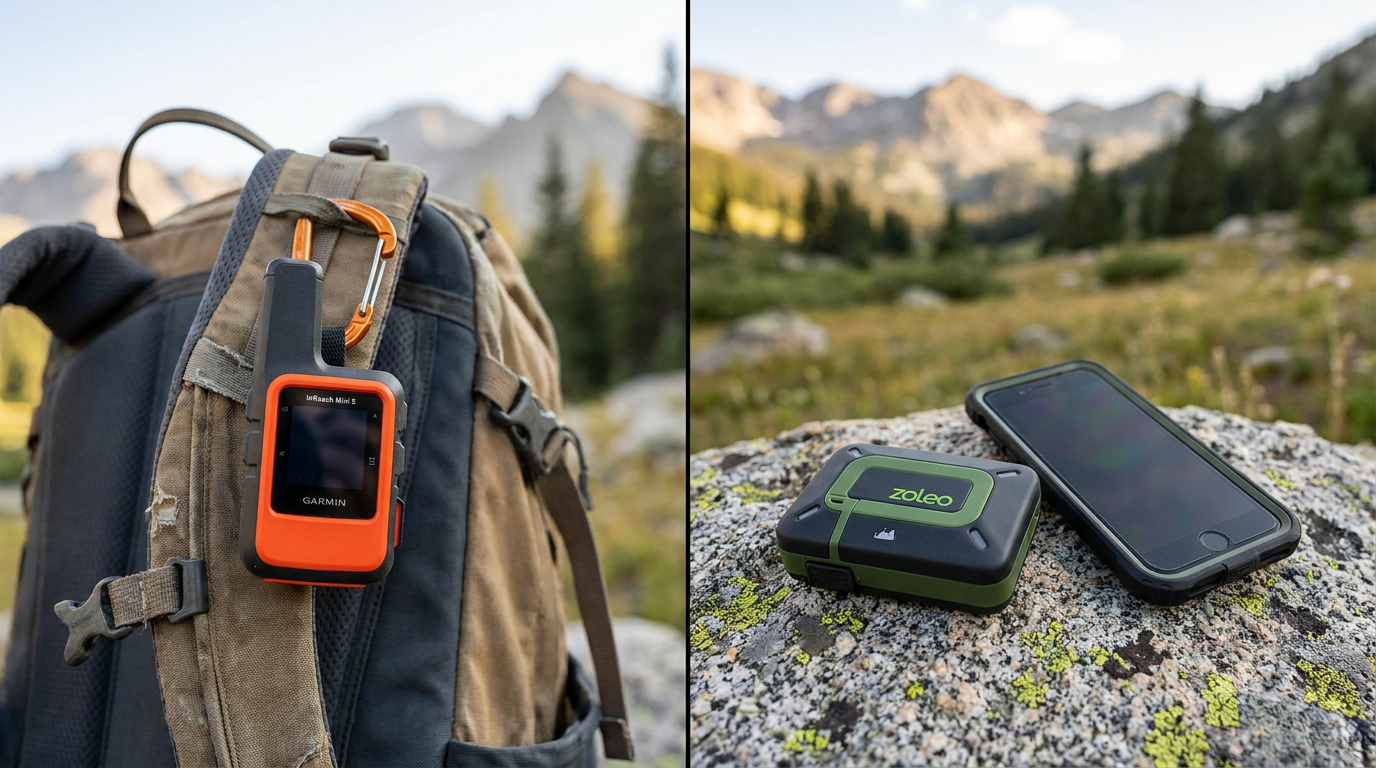
Garmin inReach Mini 2 vs. Zoleo: Which Satellite Communicator Belongs in Your Pack?
9 sources
Material Science
Plant-Based Leather vs. Traditional Leather: The 2026 Material Comparison
11 sources

Used EVs
The 2026 Guide to Buying a Used EV: Navigating Battery Health, Depreciation, and the Post-Tax-Credit Market
8 sources

Sleep Tech
What Consumer Sleep Trackers Actually Measure: An Evidence Review
6 sources
Every angle. Every day.
Get shopping stories with full source coverage and perspective breakdowns delivered to your inbox.