
Rapamycin and Longevity: What the Latest Human Trials Actually Show
The most robust life-extending drug in animal models is now being tested in humans. Here is a breakdown of the evidence, the uncertainties, and the results of the year-long PEARL trial.
By Factlen Editorial Team
- Geroscience Researchers
- Focus on the robust animal data and the biological mechanism of mTOR inhibition, advocating for continued clinical trials to translate these findings to humans.
- Clinical Skeptics
- Emphasize the lack of long-term human mortality data, the failure to meet primary endpoints in trials, and the risks of widespread off-label use.
- Longevity Medicine Practitioners
- Point to the safety profile of low-dose weekly administration and early signals of healthspan improvement to justify careful off-label prescription.
What's not represented
- · Regulatory agencies evaluating off-label use
- · Patients experiencing adverse effects from off-label use
Why this matters
Rapamycin is the most consistently proven life-extending compound in animal models, and its off-label use in humans is surging. Understanding what the clinical data actually supports—and where the evidence falls short—is critical for anyone considering longevity interventions.
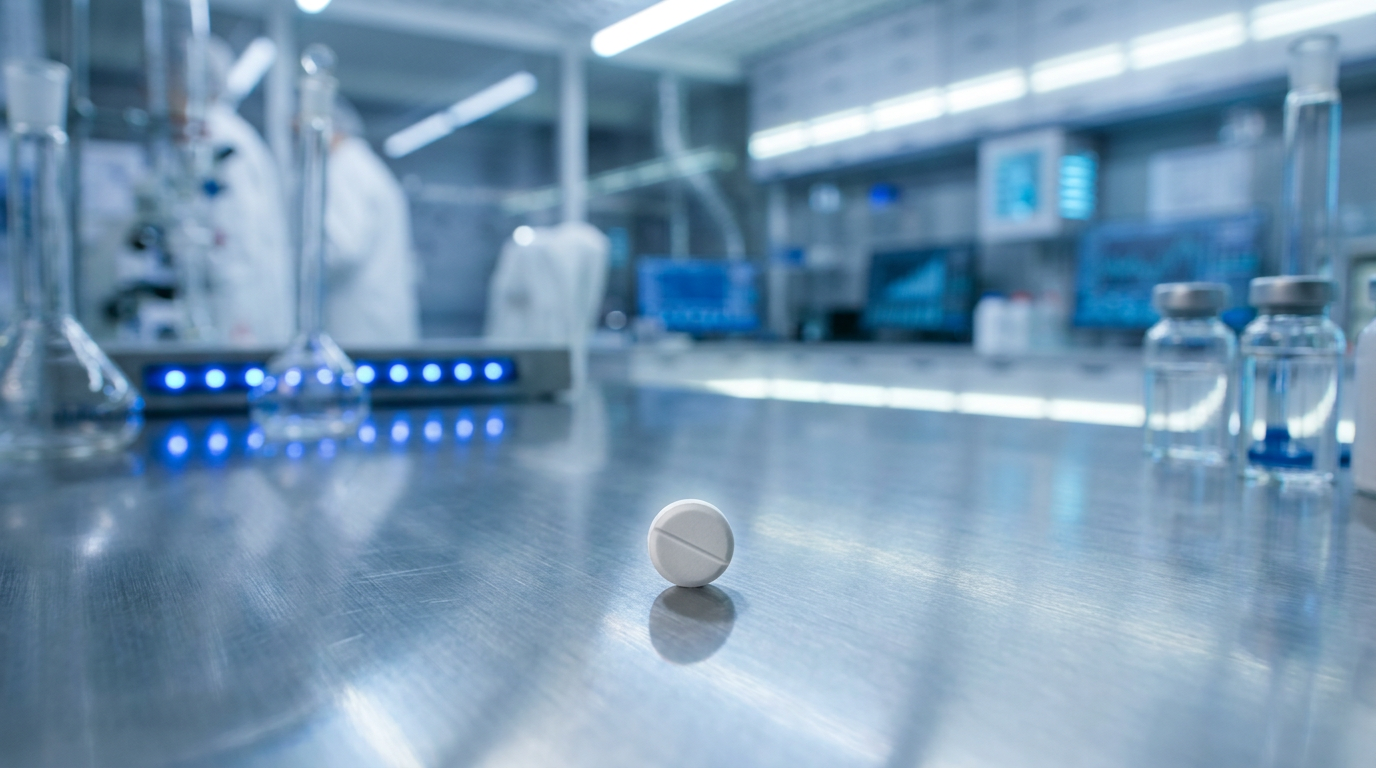
Somewhere in the world right now, thousands of otherwise healthy adults are swallowing a small white pill once a week that was originally designed to keep transplant patients from rejecting a new kidney. The drug is rapamycin, also known by its generic name sirolimus. Over the past decade, it has transitioned from a niche immunosuppressant to the single most talked-about molecule in the field of geroscience. But as its off-label use surges in longevity clinics, the gap between animal miracles and human evidence has become the central debate in aging research.[8]
The enthusiasm surrounding rapamycin is not irrational; it is built on the most robust foundation of preclinical data in the history of aging research. Discovered in a soil sample from Easter Island (Rapa Nui) in 1964, the compound was eventually found to inhibit a highly conserved cellular signaling pathway known as mTOR (mechanistic target of rapamycin). mTOR acts as a master nutrient sensor for the cell. When nutrients are abundant, mTOR signals the cell to grow and divide. When nutrients are scarce, mTOR activity drops, signaling the cell to conserve energy and repair itself.[3][7]
By pharmacologically inhibiting mTOR, rapamycin tricks the body into a state of cellular maintenance. This triggers a process called autophagy—a biological cleanup mechanism where cells break down and recycle damaged proteins and organelles that accumulate with age. In animal models, this mechanism has produced staggering results. Rapamycin is the most consistently effective pharmacological intervention for extending lifespan ever tested, increasing the median lifespan of mice by 10% to 25% across dozens of independent laboratories, even when administered late in life.[3][6][7]

However, the distance between a laboratory mouse and a human being is vast. For years, the primary human data on rapamycin came from organ transplant recipients who take the drug daily at high doses to intentionally suppress their immune systems. In that context, the drug carries significant side effects, including metabolic dysregulation and increased infection risk. Longevity researchers hypothesized that a low, intermittent dose—typically 3 to 10 milligrams taken once a week—could inhibit mTOR just enough to trigger autophagy without suppressing the immune system.[2][7]
That hypothesis was finally put to the test in the PEARL trial (Participatory Evaluation of Aging with Rapamycin for Longevity), the results of which were published across 2024 and 2025. As the first long-duration, double-blinded, randomized, and placebo-controlled study of weekly low-dose rapamycin in healthy middle-aged and older adults, PEARL represented a watershed moment for the field. The 48-week trial evaluated participants taking either a placebo, 5 mg of rapamycin, or 10 mg of rapamycin weekly.[1][5]

The 48-week trial evaluated participants taking either a placebo, 5 mg of rapamycin, or 10 mg of rapamycin weekly.
The primary outcome of the PEARL trial was a sobering reminder of the challenges in translating animal data. The trial aimed to show a significant reduction in visceral fat—a key marker of metabolic aging—but failed to meet this endpoint. Across the broader cohort, visceral adiposity did not change significantly compared to the placebo group. For skeptics, this was evidence that rapamycin's metabolic benefits in rodents do not neatly map onto human physiology.[1][5]
Yet, the PEARL trial also delivered unexpected secondary signals of benefit, particularly for women. Women receiving the higher 10 mg weekly dose demonstrated a roughly 6% increase in lean tissue mass compared to their baseline. This finding surprised researchers, as mTOR is classically considered necessary for muscle protein synthesis, leading to fears that inhibiting it might cause muscle loss. Instead, the intermittent dosing appeared to preserve or enhance lean mass, while also yielding statistically significant reductions in self-reported pain and improvements in overall quality of life.[1][5]
Crucially, the PEARL trial answered the most pressing question regarding off-label use: safety. Over the 48-week period, researchers detected no significant differences in severe adverse events or concerning blood biomarkers between the rapamycin treatment groups and the placebo group. The low-dose, weekly regimen did not appear to induce the immunosuppression or metabolic havoc seen in daily transplant dosing, providing a measure of clinical validation for the protocols currently used by longevity physicians.[1][5]

Beyond general healthspan metrics, researchers are increasingly investigating rapamycin's effects on specific age-related declines. In 2025, a randomized clinical trial published in Cell Reports Medicine explored its impact on reproductive aging. Women undergoing in vitro fertilization (IVF) who were given low-dose rapamycin for 21 to 28 days during follicular development produced significantly higher-quality embryos and achieved higher clinical pregnancy rates than controls, suggesting that mTOR inhibition can rapidly improve ovarian tissue function.[4]
Despite these promising signals, a comprehensive 2025 review published in the journal Aging offered a stark warning against premature enthusiasm. The researchers analyzed all available clinical evidence for off-label rapamycin therapy in healthy adults and concluded that the data remains insufficient to affirm that the drug extends human lifespan or delays systemic aging. They emphasized that patient-reported outcomes and intermediate biomarkers are not substitutes for long-term mortality data, which will take decades to collect.[2]
Complicating the clinical picture is the issue of bioavailability. During the PEARL trial, researchers discovered that the compounded rapamycin capsules used in the study had approximately one-third the absorption rate of commercial generic sirolimus tablets. This pharmacokinetic variability means that many individuals taking compounded rapamycin off-label may be receiving a much lower functional dose than they realize, muddying the waters for self-experimentation and observational data.[1][8]
Ultimately, rapamycin remains the gold standard candidate in the quest to pharmacologically slow aging. The evidence confirms that it is a potent modulator of cellular health in animals and appears safe at low, intermittent doses in humans. While it has not yet been proven to add years to human life, its ability to preserve lean tissue, improve immune function, and enhance subjective well-being suggests that its true promise may lie in extending healthspan—the years of life spent in vigorous, functional health.[2][6][8]
How we got here
1964
Rapamycin is discovered in a soil sample collected from Easter Island (Rapa Nui).
1999
The FDA approves rapamycin (sirolimus) as an immunosuppressant for kidney transplant patients.
2009
A landmark NIH-funded study shows rapamycin extends the lifespan of mice, even when started late in life.
2014
A clinical trial demonstrates that a rapamycin analog improves the immune response to flu vaccines in older adults.
2024–2025
The PEARL trial publishes results, providing the first year-long safety and efficacy data for low-dose rapamycin in healthy adults.
Viewpoints in depth
Geroscience Researchers
Focus on the robust biological mechanisms and unprecedented animal data supporting mTOR inhibition.
For basic scientists and geroscience researchers, rapamycin represents the most significant breakthrough in the biology of aging to date. They point to the fact that mTOR inhibition is the only pharmacological intervention proven to extend maximum lifespan across multiple species, from yeast and worms to mice. Because the mTOR pathway is highly conserved across evolution, these researchers argue it is highly probable that the fundamental mechanism—shifting cells from growth to autophagy and repair—will yield significant healthspan benefits in humans, even if the exact dosing protocols are still being refined.
Clinical Skeptics
Emphasize the lack of long-term human mortality data and the failure of recent trials to meet primary endpoints.
Clinical skeptics and evidence-based medicine advocates caution against the rapidly growing trend of off-label rapamycin prescription. They highlight that while animal data is compelling, human biology is vastly more complex. Reviews of the clinical evidence, such as the 2025 analysis by Hands et al., stress that no human trial has yet demonstrated that rapamycin extends life or prevents the onset of major age-related diseases like Alzheimer's or cancer. Furthermore, the failure of the PEARL trial to achieve its primary endpoint of visceral fat reduction serves as a reminder that interventions that work in rodents often fail to translate perfectly to human metabolism.
Longevity Medicine Practitioners
Argue that the safety profile of low-dose rapamycin justifies its use to optimize healthspan today.
Physicians operating in the emerging field of longevity medicine take a more pragmatic approach. They argue that waiting decades for definitive human mortality data is impractical for patients who are aging right now. Relying on safety data from trials like PEARL, which showed no significant adverse events at 5 mg or 10 mg weekly doses, these practitioners believe the risk-to-reward ratio is favorable. They point to secondary trial outcomes—such as preserved lean muscle mass, improved immune function, and enhanced subjective well-being—as sufficient evidence to prescribe the drug off-label for patients seeking to maximize their healthspan.
What we don't know
- Whether rapamycin actually extends maximum human lifespan, as it does in mice.
- The optimal 'longevity dose' for humans, and whether it should be cycled or taken continuously.
- The long-term effects of decades-long mTOR inhibition on the human brain and immune system.
- How the bioavailability of compounded rapamycin compares to commercial generic tablets across different patients.
Key terms
- mTOR
- The mechanistic target of rapamycin, a protein that acts as a central nutrient sensor in cells, regulating the balance between cell growth and cellular repair.
- Autophagy
- A cellular cleanup process where cells break down and recycle damaged proteins and organelles, which is triggered when mTOR is inhibited.
- Off-label use
- The practice of a physician prescribing an FDA-approved drug for an unapproved indication, such as using a transplant drug for longevity.
- Bioavailability
- The proportion of a drug that enters the circulation when introduced into the body and is able to have an active effect.
Frequently asked
Is rapamycin FDA-approved for anti-aging?
No. Rapamycin is currently FDA-approved to prevent organ transplant rejection and to treat certain types of cancer. Its use for longevity or anti-aging is entirely off-label.
Does rapamycin suppress the immune system?
At the high, daily doses used for organ transplants, it acts as an immunosuppressant. However, clinical trials suggest that low, intermittent weekly doses do not suppress the immune system and may actually improve immune responses in older adults.
What were the results of the PEARL trial?
The 48-week PEARL trial found that weekly rapamycin was safe but did not meet its primary goal of reducing visceral fat. It did, however, show secondary benefits, including increased lean muscle mass and reduced pain in women.
What is the difference between lifespan and healthspan?
Lifespan is the total number of years a person lives, while healthspan refers to the period of life spent in good health, free from chronic diseases and the functional disabilities of aging.
Sources
Source coverage
8 outlets
3 viewpoints surfaced





[1]AgingClinical Skeptics
Influence of rapamycin on safety and healthspan metrics after one year: PEARL trial results
Read on Aging →What is the clinical evidence to support off-label rapamycin therapy in healthy adults?
Read on Aging →[3]EXCLI JournalGeroscience Researchers
The mTOR signaling pathway in aging and its potential as a therapeutic target
Read on EXCLI Journal →[4]Cell Reports MedicineLongevity Medicine Practitioners
Low-dose rapamycin improves ovarian function and embryo quality in women undergoing IVF
Read on Cell Reports Medicine →[5]medRxivLongevity Medicine Practitioners
Safety and efficacy of rapamycin on healthspan metrics after one year: PEARL Trial Results
Read on medRxiv →[6]National Institutes of HealthGeroscience Researchers
mTOR inhibitors in longevity science: A review of preclinical and clinical data
Read on National Institutes of Health →[7]Journal of Clinical InvestigationGeroscience Researchers
Rapamycin and aging: When, for how long, and how much?
Read on Journal of Clinical Investigation →[8]Factlen Editorial TeamLongevity Medicine Practitioners
Synthesis by Factlen editorial team
Read on Factlen Editorial Team →

More in health
See all 121 stories →Autoimmune Research
CAR-T Cell Therapy Induces Drug-Free Remission in Severe Lupus Patients
6 sources

Medical Breakthrough
Pioneering 'Immune Reset' Therapy Puts Severe Lupus Patients Into Remission
8 sources

Longevity Science
The Emerging Science of VO2 Max and Grip Strength as Primary Predictors of Men's Longevity
7 sources

Medical Breakthrough
Revolutionary 'Immune Reset' Therapy Puts Severe Lupus into Remission in UK Trial
7 sources

Every angle. Every day.
Get health stories with full source coverage and perspective breakdowns delivered to your inbox.